When connor thomas starts trending, the useful question for NYC families is not celebrity trivia; it is where that spark can turn into real reps. Baseball in the city runs through a patchwork of public ballfields, nonprofit leagues, private indoor training, professional-team clinics, and permit calendars. The right choice depends on age, borough, schedule tolerance, budget, and whether your child needs low-pressure play or sharper instruction. As of July 28, 2026, several options require direct verification because seasons, field status, and registration windows move quickly. Use this guide as a decision map: start with fit, confirm the live page, then commit only when the program details match your family’s week.
Want a cleaner short list before you register? Text Karpo with your child’s age, borough, budget, and baseball goal, and ask for verified youth baseball options near you.

NYC Parks Ballfields: Start With Public Access and Permit Reality
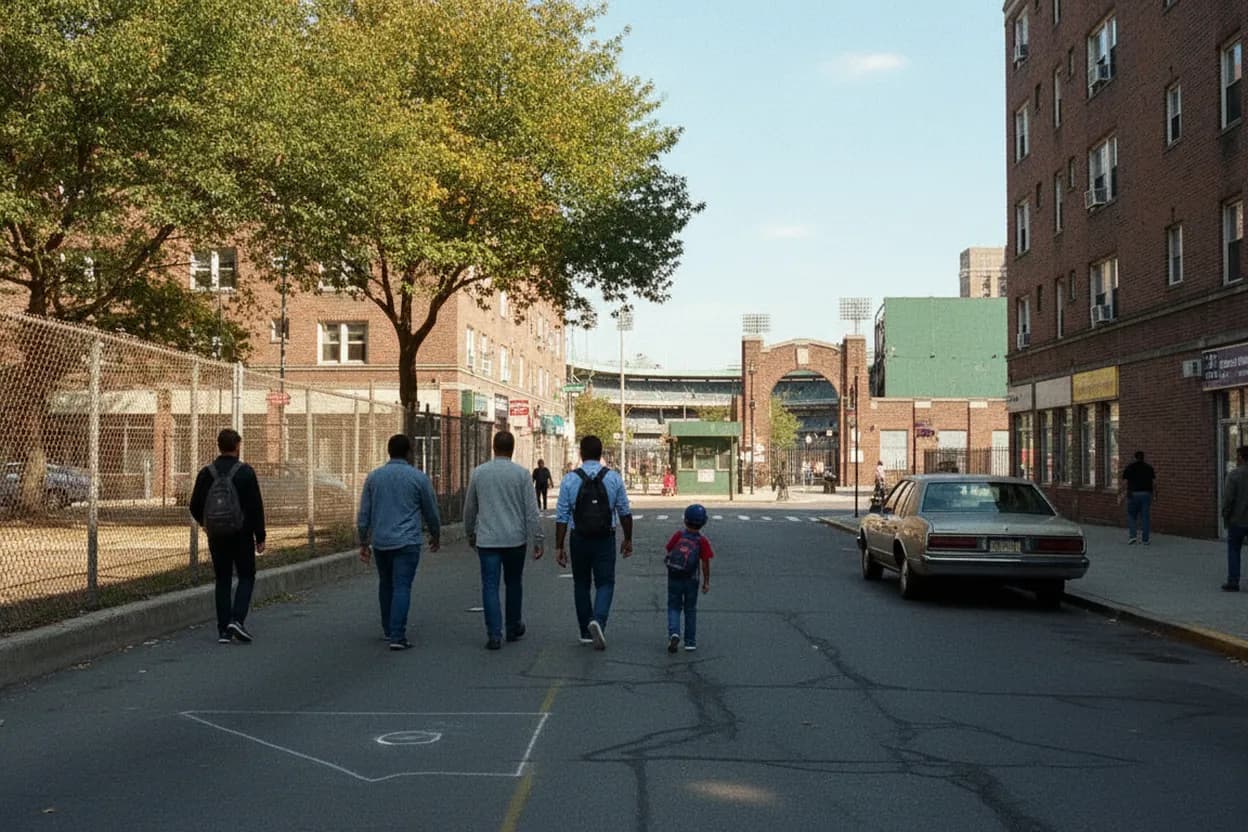
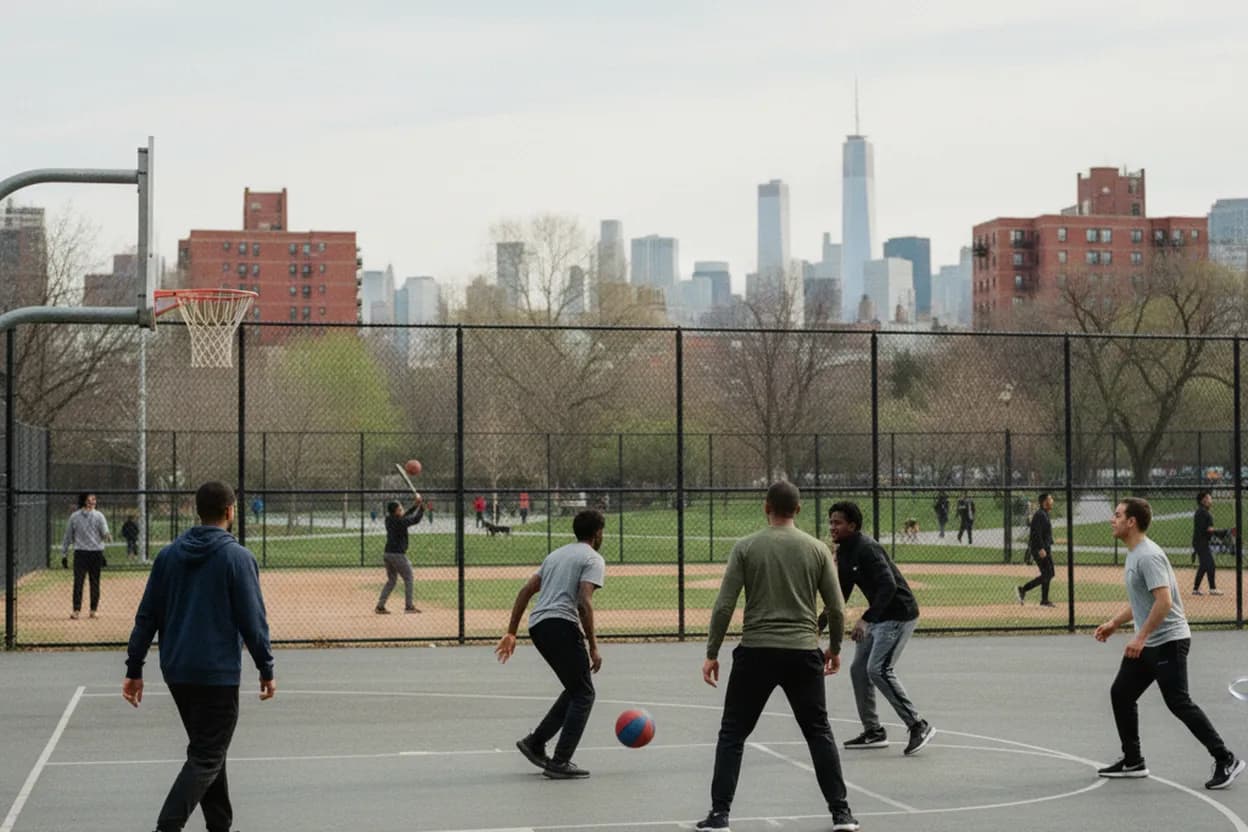
NYC Parks remains the broadest starting point because city ballfields exist across all five boroughs, with many regulation fields and smaller Little League-style spaces. The practical tradeoff is control. Informal use can work when a field is open and unreserved, but organized practices, team events, or a predictable weekly slot require a field or court permit. Families should treat a public park field as a good discovery option, not proof that a league has space.
Before leaving home, check the current field or court availability map and any borough-specific permit guidance. NYC Parks’ permit priority language matters for parents comparing baseball with other spring sports: spring and summer priority is given to bat-and-ball sports, while fall and winter often favor rectangular-field sports. For youth baseball and softball on city park fields, verify AED coverage and trained responder compliance with the league, because that is a required safety condition, not a nice extra.
Randall’s Island Athletic Fields: Choose Scale When Your Child Needs Game Atmosphere
Randall’s Island is built for volume, with more than 60 athletic fields maintained by the Randall’s Island Park Alliance and several fields marked for baseball, softball, or Little League use. It fits families whose child is ready for a busier sports environment: multiple teams, tournament pacing, and travel across a large island park. The upside is field density; the failure mode is logistics, especially if your drop-off plan depends on a tight after-school commute.
Use Randall’s Island when a program clearly names its field number and provides a weather or field-status plan. The Alliance posts a live fields update and a hotline, which is useful after rain or heat. Accessibility is not just about field surface; it includes the walk from transit, bathrooms, shade, and whether a younger sibling can manage the wait. If your child is new, observe one practice first before joining a high-intensity travel pathway.
Prospect Park Baseball Association: Verify Member Organization Registration Before Assuming a Spot
Prospect Park Baseball Association is one of Brooklyn’s clearest youth-league anchors, describing coed baseball and girls softball for ages 4 to 17 in Prospect Park. Its own site says the 2026 season has concluded, so late-July families should not assume immediate summer entry. The useful move is to identify which partner organization serves your child’s age and neighborhood, because PPBA says member organizations handle signups, team formation, and coaches.
This is a strong fit for families who want a community season rather than one-off instruction. The calendar tradeoff is real: PPBA says the season generally runs from early April to June, with most registration through members occurring December through February. Put a reminder on your calendar now, then verify age division, practice days, field status, volunteer expectations, and refund rules before paying. If your child needs summer reps, pair PPBA planning with clinics or casual practice elsewhere.
Chelsea Piers Field House: Use Indoor Classes When Weather and Structure Matter
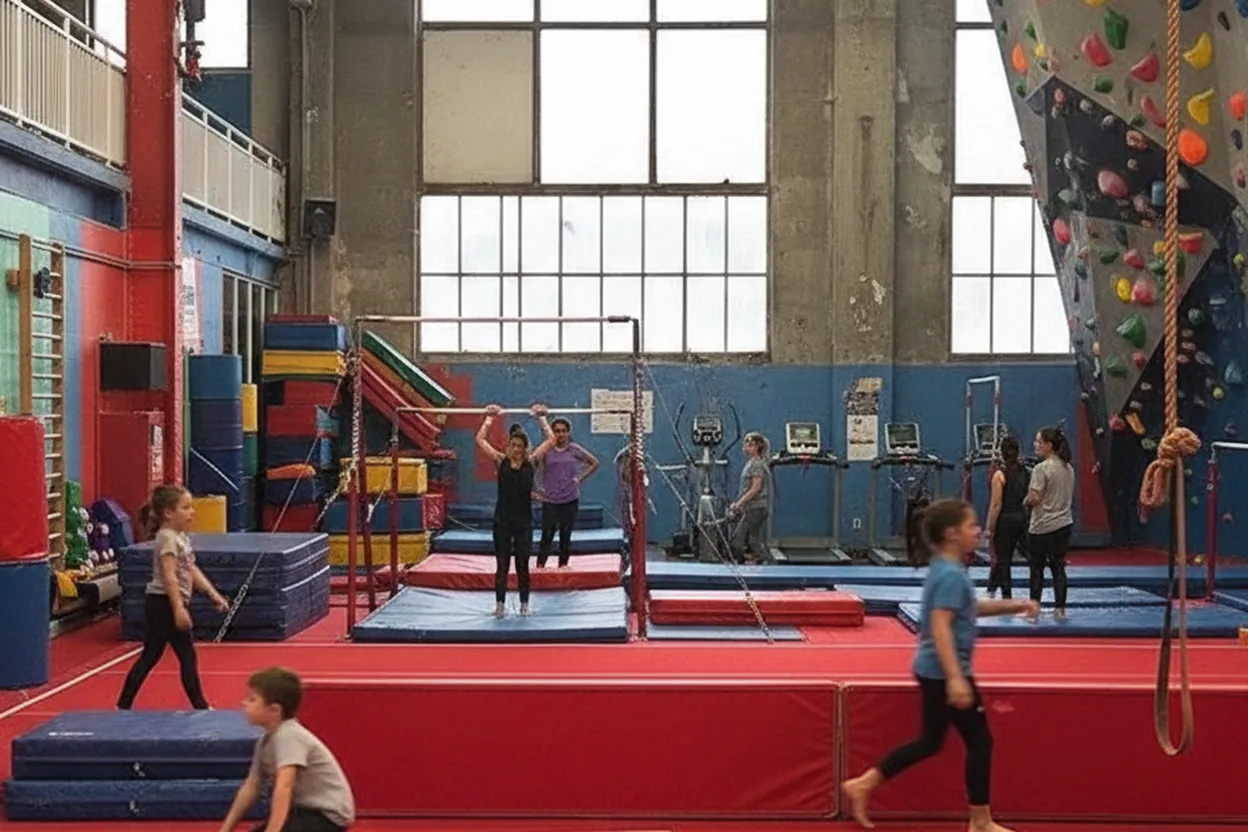
Chelsea Piers is the cleanest indoor option in this set for Manhattan families who want scheduled baseball instruction without field-permit uncertainty. Its baseball class page lists tee-ball for ages 3 to 5, hitting for ages 5 to 6, and hitting clinics for ages 7 to 10. Current listings show Fall 2026 class starts in September, with posted session counts, class lengths, and prices that families should recheck before checkout.
The fit is strongest for younger players, beginners who need repetition, or families who cannot risk rainouts. The tradeoff is that indoor instruction is not the same as live outdoor game pressure: base running, defensive spacing, and reacting to imperfect fields may need separate practice. Before booking, verify the exact Chelsea location, schedule, cancellation policy, class size, and whether your child needs a glove, bat, helmet, or just sneakers.
New York Empire Baseball at The Arena: Consider Data-Driven Training for Serious Reps
New York Empire Baseball lists The Arena at 251 West 60 Street, behind Lincoln Center, as an indoor baseball training facility with real-feel turf, high ceilings, technology tools, mounds, HitTrax, Rapsodo, and strength-training resources. This is not the first stop for every seven-year-old. It is better for families who already know the child wants focused skill work and can handle coaching detail without losing the fun of playing.
The decision point is intensity. A private or advanced facility can sharpen swing mechanics and throwing habits, but it can also be too much if a child mainly wants friends, fresh air, and games. Ask for current program availability, age fit, coach credentials, evaluation process, and total cost before committing. If the answer is vague, book a trial or observation first. For access, factor in West Side transit, elevator or stair needs, and pickup timing around Lincoln Center traffic.
Maimonides Park and Brooklyn Cyclones: Look for Free Skill Events Before Paid Camps
The Brooklyn Cyclones’ 2026 Pitch, Hit & Run listing at Maimonides Park is a useful example of a low-cost decision step: it is posted as free, for baseball and softball participants up to age 14, with age divisions tied to a November 15, 2026 cutoff. The listed 2026 local event date was June 5, so families reading on July 28 should treat it as a model to watch, not an open same-day plan.
Professional-team settings can motivate a young player, but they often run on narrow windows and registration systems that close or change quickly. Before promising your child a ballpark experience, verify whether a Cyclones youth clinic, camp, or Pitch, Hit & Run event is actively accepting registrations. Also check weather handling, lunch or ticket inclusions, guardian requirements, and refund language. Coney Island travel can be straightforward by subway, but build extra time for beach-season crowds.
Battery Park City Ball Fields: Use Downtown Open Play as a Backup, Not a League Substitute
Battery Park City Authority’s permit page is useful for downtown families because it separates permitted field time from public open-play hours. The page states that times not listed on the ball field calendar are designated open play, and it notes priority consideration for nonprofit youth programs serving the downtown community. That makes these fields a practical backup for parent-child throwing, grounders, or light tee work when a formal class is full.
The limitation is predictability. Open play can disappear when permitted use, maintenance, weather, or crowding intervenes, so do not plan a team practice there without checking the current calendar and rules. Families should verify daily hours, surface condition, equipment restrictions, and whether a younger player can safely share space with older athletes. The final step before any baseball outing is the same everywhere: open the live source page, confirm today’s status, then carry water, sun protection, and a plan B.
Tags: #AskKarpo #BeforeYouGo #NYCYouthBaseball #BaseballNYC #YouthSports #NYCParks #LittleLeague #BaseballTraining #BrooklynBaseball #ManhattanKids #FamilyNYC #SportsParents #SummerSports #AfterSchoolSports
Sources consulted: Source 1: php1-84.nycgovparks.org · Source 2: randallsisland.org · Source 3: chelseapiers.com · Source 4: newyorkempirebaseball.org · Source 5: ppba.info · Source 6: brooklyncyclones.leagueapps.com
All trademarks are the property of their respective owners.
Ask Karpo first
Tell Karpo your date, group size, budget, and starting neighborhood. We’ll check current access, timing, transit, and the cleanest plan for Various NYC parks and sports facilities before you head out.