 Roger Morris Park: Horror Wax Museum Weekend Walk
Weekend Plans
Your NYC Weekend Plan: KAWS Art Not to Miss
Track down permanent KAWS installations in Brooklyn, time your museum visit to dodge crowds, and build a backup route when rooms close early.
You're planning a Saturday around KAWS—the artist whose Companion figures and reworked cartoon heads show up on sneakers, album covers, and museum walls—and you want to see work in person, not just printed on a tote bag. The search volume is real: 92,000 people a month type "KAWS" into a search bar, and a meaningful share of them are trying to figure out where his pieces actually live in New York City. This is not a touring exhibition with a fixed end date. It's a hunt for permanent collection spots, public installations, and the occasional gallery show that may or may not still be hanging when you arrive.
Text Karpo before you leave to confirm which galleries are open that day and get a timed subway route that accounts for weekend L-train work. If the room you want is closed for an install, Karpo finds the next-closest spot with live hours.
Why people search KAWS in New York City
The friction is that KAWS work moves. Museums rotate galleries. Private collections lend pieces out. A sculpture that was in Brooklyn Bridge Park two years ago might be gone, and the blog post you found won't tell you. The smartest weekend plan starts with what's documented and public, then layers in a live check the morning you go. That means knowing which museums hold his work in their permanent collection, which neighborhoods have murals or public pieces you can walk to, and which subway lines get you there without a twenty-minute transfer in a mezzanine with no cell service.
Chinatown and the Brooklyn Museum route
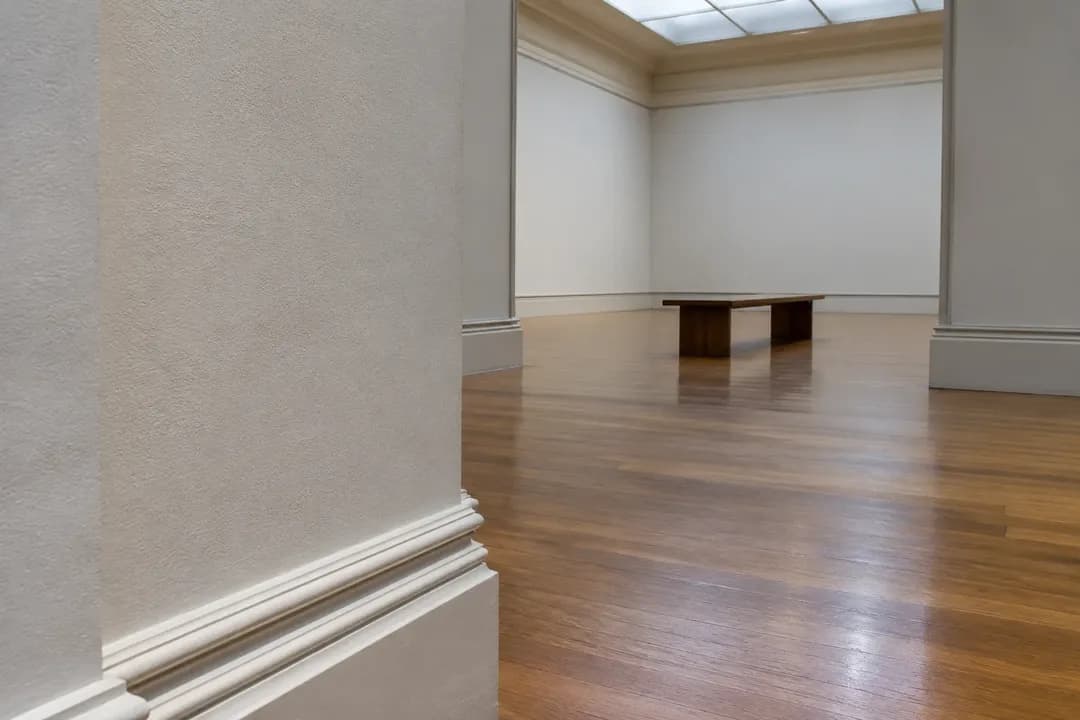
The Brooklyn Museum holds KAWS paintings and sculptures in its contemporary collection, and it's the most reliable starting point because the building is large, the galleries rotate slowly, and you can check the current floor plan on their website before you leave. Take the 2 or 3 train to Eastern Parkway–Brooklyn Museum; the station drops you at the museum's front steps. If you're coming from Chinatown, the trip is about thirty-five minutes with one transfer at Nevins Street or Atlantic Avenue, depending on which train you catch. Weekend service advisories matter here—the 2 and 3 share track work, and if one is skipping stops, your transfer wait doubles.
Once you're inside, ask at the information desk which floor the contemporary galleries are on that weekend. The fifth floor typically holds twentieth- and twenty-first-century work, but rooms close for reinstalls, and the KAWS pieces—when they're out—sit among other pop-art-adjacent names, so you're not walking into a solo show. Budget an hour if you want to see the rest of the floor. The museum café is small and fills up by noon on Saturdays, so eat beforehand or plan to wait. The surrounding blocks of Prospect Heights are quiet residential streets; there's no reason to linger unless you're cutting through the park.
If you want a second KAWS stop on the same trip, the area around the museum doesn't offer much. The better move is to plan a separate leg in Dumbo or Williamsburg, where public murals and occasional pop-up gallery shows have appeared. The L train from Bedford Avenue to Eighth Avenue takes twenty minutes, but weekend L service is unpredictable, and you may end up on a shuttle bus between stops. Check the MTA site the night before and again that morning. A mural that was on a warehouse wall in Williamsburg might still be there, or it might be painted over. Walk North Eleventh Street between Wythe and Kent if you're hunting; that stretch has hosted large-scale work in the past, but you're looking at brick, not a gallery label.
When to go and when to skip
Saturday mornings at the Brooklyn Museum are the least crowded window. Check the posted hours and aim for the opening window, when the galleries are usually more manageable. By 1:00 p.m., school groups and family clusters fill the lobby, and the contemporary galleries get loud. If you're trying to look closely at a painting, go early or go on a weekday evening when the museum stays open late. Sunday afternoons are worse than Saturdays; the building feels like a daycare center, and the coat check line backs up.
For outdoor pieces and murals, late afternoon in spring or fall gives you good light and fewer pedestrians. Summer weekends in Williamsburg mean sidewalk crowds, outdoor restaurant seating that blocks sightlines, and delivery trucks double-parked in front of whatever wall you're trying to photograph. Winter is better for access but harder for standing still; if you're walking a mural route, wear layers and plan a warm café stop halfway through. The Wythe Diner on Wythe Avenue is open all day and doesn't rush you out.
Timing also depends on what's actually on view. The Brooklyn Museum rotates its contemporary galleries every few months, and KAWS pieces may be in storage during a reinstall. Call the visitor services line or check the museum's social media the week you're planning to go. If the work isn't on view, you've saved yourself a trip. The same logic applies to any commercial gallery in Chelsea or the Lower East Side that's announced a KAWS-related show: verify the dates, verify the hours, and confirm the gallery hasn't closed early for a private event. Small galleries keep irregular weekend hours, and a 12:00 p.m. to 6:00 p.m. listing often means the door is locked until 12:30 and the staff leaves at 5:45.
Backup plan: public and semi-public spots
If the museum galleries are closed or the work you wanted to see is in storage, shift to public art that doesn't require a ticket. KAWS has placed large-scale sculptures in New York City parks and plazas over the years, but these installations are often temporary and removed after a few months. The High Line in Chelsea has hosted his work in the past, though pieces rotate and nothing is guaranteed. Walk the High Line from Gansevoort Street to 34th Street if you're in the area anyway; it's free, open daily, and the elevated park gives you a break from street-level noise. The southern entrance at Gansevoort is less crowded than the 14th Street access point.
Another option is to track down KAWS collaborations in retail or semi-public spaces. Uniqlo's flagship store in SoHo has carried KAWS-designed apparel, and the store itself is large enough that you can walk through without buying anything. It's at 546 Broadway, between Spring and Prince streets, and it's open seven days a week. This is not a gallery visit, but if you're interested in how the artist's imagery translates to commercial product, it's worth fifteen minutes. The store gets packed on weekend afternoons; go in the morning or after 7:00 p.m.
For a quieter experience, consider the galleries along the Lower East Side, particularly the stretch of Orchard and Ludlow streets below Houston. These spaces are smaller, less institutional, and more willing to show work that mixes fine art and design. Call ahead or check online to see if any gallery has KAWS-related work on view. The neighborhood is walkable, and you can cover four or five galleries in an hour. The F train to Delancey Street or the J/M/Z to Essex Street both work; the J/M/Z station is deeper and the transfer from other lines takes longer.
What to confirm before you leave
Start with the Brooklyn Museum's website and check the "Plan Your Visit" section for any gallery closures or special events that might limit access. If the contemporary galleries are closed for a reinstall, you'll see a notice. If there's no notice, call the main line and ask specifically whether KAWS work is currently on view. The front-desk staff can tell you which floor and which room. Do this the morning you plan to go, not the night before; gallery rotations happen overnight.
Next, check the MTA service status for the 2, 3, and L trains. Weekend work is common, and a planned trip can turn into a forty-minute detour if you don't know which trains are running local or skipping stops. The MTA website and app both post service changes, but the site is more reliable for detailed route maps. If the 2 is running express and skipping your stop, take the 3 or plan an alternate route through the 4/5 at Borough Hall.
If you're planning to visit a commercial gallery, verify hours and current exhibitions the day before. Many Chelsea and Lower East Side galleries close between shows or keep summer hours that differ from the rest of the year. A quick phone call or a check of the gallery's Instagram story will tell you if the door is actually open. For outdoor murals, use Google Street View to confirm the wall still exists and hasn't been demolished or repainted. Street art is temporary by nature, and a mural from two years ago may be gone. If the reference image you found online is dated, assume the piece is no longer there unless you see recent photos from other visitors.
Practical notes
- Brooklyn Museum opens at 11:00 a.m. on weekends; go right at opening to avoid school groups and afternoon crowds.
- Check MTA service alerts for the 2, 3, and L trains the morning you travel; weekend work often adds fifteen to twenty minutes.
- Call the museum visitor line or check their site the day before to confirm KAWS work is currently on view in the contemporary galleries.
- Outdoor murals in Williamsburg are not guaranteed; use recent photos or Street View to verify a piece is still up before making the trip.
- Small galleries on the Lower East Side keep irregular weekend hours; confirm by phone or social media that the door will be open.
- Budget for museum admission (suggested donation) and bring cash for the coat check if you're visiting in winter.
Tags: #karpo #kaws #nycweekendplan #brooklynmuseum #nycart #contemporaryart #williamsburgbrooklyn #dumbo #chelseagalleries #lowereastside #nycmuseums #weekendinnyc #newyorkcity #publicartnyc #nycsubway
Sources consulted: Brooklyn Museum · MTA Service Status · The High Line
All trademarks are the property of their respective owners.
Ask Karpo first
Text Karpo the morning you're heading out to confirm the Brooklyn Museum's contemporary galleries are open and get a timed subway route from your starting point. If the KAWS work you want to see is off view or a gallery you planned to visit is closed, Karpo can surface the next-closest option with live hours and a backup route that accounts for weekend service changes.
Ask Karpo for more information.
Keep reading
- Roger Morris Park: Horror Wax Museum Weekend Walk
 Blood Manor: Horror Wax Museum Friday Night Guide
 Madame Tussauds Horror Wax Museum: Friday Times Square Guide