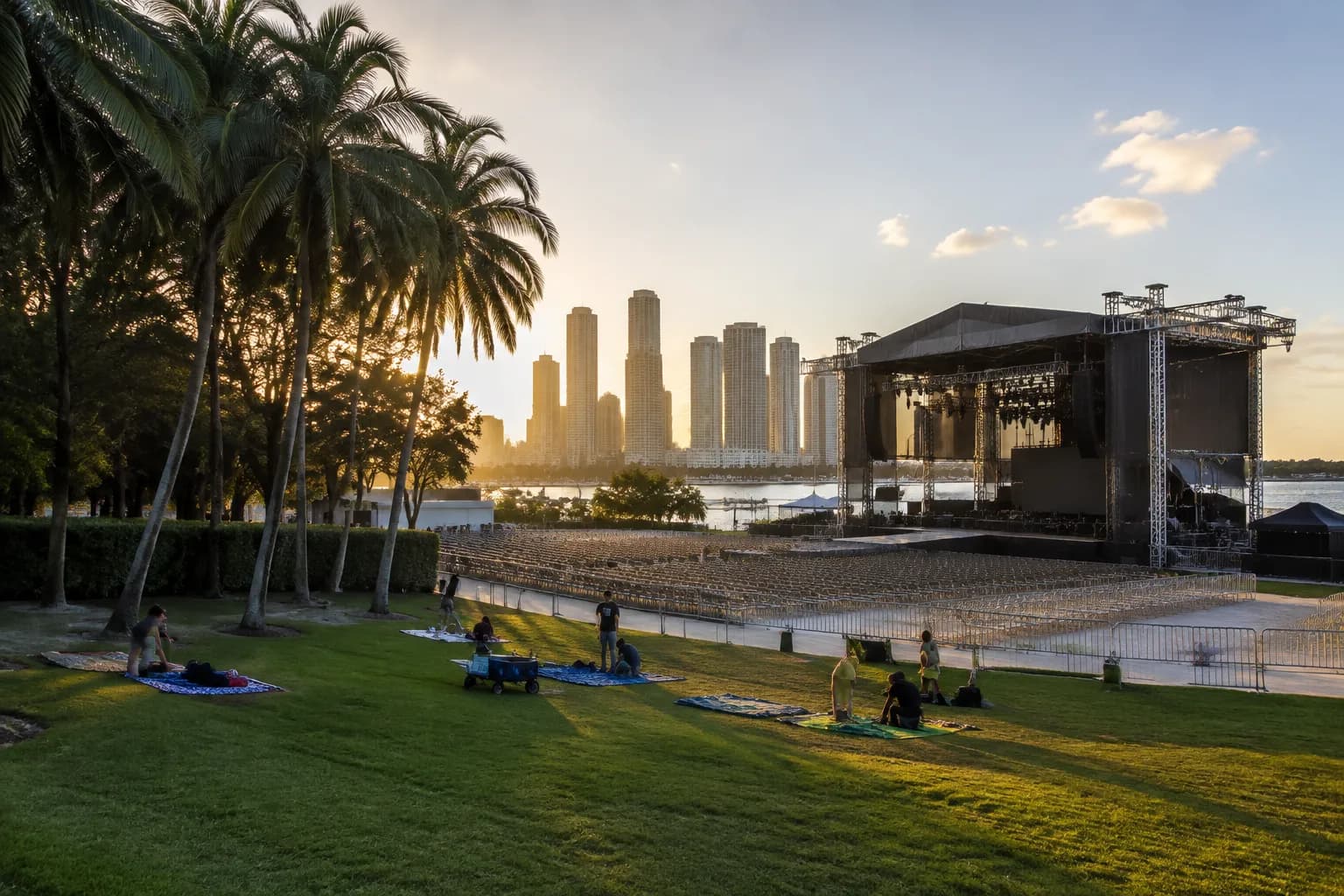
Yellowstone bison video footage circulating online shows tourists standing dangerously close to unpredictable megafauna, prompting safety-conscious parents in Miami to reconsider how they approach wildlife observation at the region's free natural areas. While South Florida lacks bison, the same distance verification principles apply when families with young children plan early-morning visits to Everglades access points, Shark Valley, Oleta River State Park mangroves, or Matheson Hammock preserve trails. The challenge for beginner wildlife viewers is deciding which Miami-Dade location offers the most controlled environment for observing alligators, wading birds, and other native species without the crowding and distraction typical of beach parks. This verification guide helps parents compare federal park rules governing places like Shark Valley—technically part of Everglades National Park—against county preserve guidelines, then weigh tradeoffs in accessibility, viewing infrastructure, and supervision ease when young children are present during the cooler, quieter early-morning hours.
Text Karpo your starting point, timing, group size, and priorities for a Miami plan tailored to this exact situation, with one realistic backup before you leave.

Why Yellowstone Bison Footage Matters for Miami Wildlife Planning
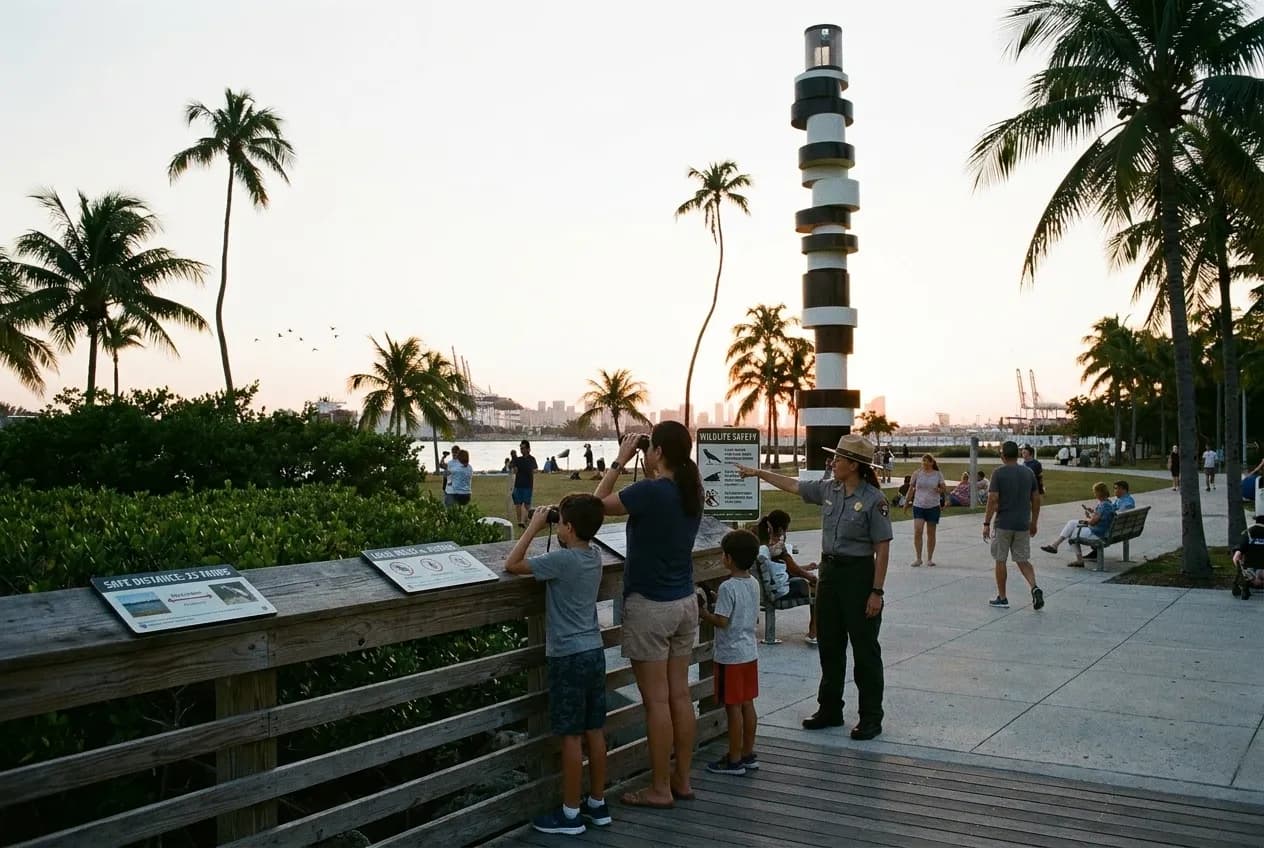
Viral video clips showing tourists approaching Yellowstone bison within arm's length demonstrate a universal problem: visitors often misjudge safe distances because animals appear calm or because no physical barriers exist. For Miami families, the lesson translates directly to alligator and wading bird encounters at free county natural areas. A safety-conscious parent watching yellowstone bison video footage should ask whether their chosen Miami location provides clear distance markers, boardwalks that prevent children from wandering off-trail, or ranger presence during early-morning hours when supervision is thinnest. Federal parks like Everglades National Park publish specific distance guidelines—typically 25 feet for most wildlife, greater for alligators—but enforcement and signage vary widely between Shark Valley's paved loop and less-developed county preserve access points.
The verification step involves checking whether a location's infrastructure matches your family's needs. Shark Valley offers a 15-mile paved loop with tram tours and a visitor center, making distance estimation easier for beginners, but it charges an entrance fee and can feel crowded even early. In contrast, free access points along Tamiami Trail or county preserves like Matheson Hammock may lack barriers, distance signage, or staff, placing the entire burden of judgment on parents. The tradeoff is cost and solitude versus structured safety—exactly the decision Yellowstone footage should prompt before you load young children into the car at dawn.
Comparing Federal Park Rules to Miami-Dade County Preserve Guidelines
Everglades National Park, which includes Shark Valley, operates under National Park Service regulations that prohibit approaching wildlife and prescribe minimum distances, with fines for violations. Miami-Dade County Parks, Recreation and Open Spaces manages more than 200 parks and natural areas, but specific wildlife distance rules are less uniformly posted. Parents must verify on-site whether a given preserve displays distance guidelines or relies on general "do not feed or harass wildlife" language. The county's Natural Areas Management program oversees ecologically sensitive sites, yet signage quality and ranger patrols differ significantly from the federal standard at Shark Valley.
To verify rules before your visit, consult the Miami-Dade Parks website's park finder tool for the specific preserve, then call 305-755-7800 to confirm whether distance markers, boardwalks, or early-morning staff are present. For Shark Valley, check the National Park Service website for current entrance fees, hours, and tram schedules, noting that early-morning access may require arriving before the visitor center opens. The decision hinges on whether you prefer the certainty of federal enforcement and infrastructure or the flexibility and zero cost of county preserves where you must self-enforce distances your children may not yet understand.
Evaluating Shark Valley, Oleta Mangroves, and Matheson Hammock for Family Safety
Shark Valley's paved 15-mile loop, elevated observation tower, and frequent alligator sightings make it a top choice for families seeking predictable wildlife viewing, but the entrance fee, distance from central Miami, and midday heat challenge early-morning logistics. Oleta River State Park's mangrove trails and kayak launches offer free or low-cost access closer to the city, with boardwalks in some areas, yet the park's focus on paddling and mountain biking means wildlife viewing infrastructure is secondary. Matheson Hammock Park provides free entry to a county preserve with trails and a tidal pool, but lacks the extensive boardwalks or distance signage that help parents maintain safe buffers when young children spot an alligator basking near the path.
The verification process requires visiting each location's website or calling ahead to confirm whether trails are stroller-accessible, whether restrooms are open early, and whether recent wildlife activity reports suggest heightened caution. For example, alligator nesting season in late spring increases aggression, a factor federal parks communicate clearly but county preserves may not. Parents must also consider whether their children can remain on-trail for the duration of the visit—Shark Valley's paved loop eliminates that worry, while Matheson Hammock's natural trails demand constant supervision. The tradeoff is between paying for peace of mind and accepting greater responsibility in exchange for proximity and cost savings.
Early-Morning Timing and Beginner-Friendly Viewing Conditions
Early-morning visits between 6:30 and 9:00 a.m. offer cooler temperatures, more active wildlife, and fewer crowds, but also mean reduced staff presence and less visibility if trails lack lighting or clear sightlines. Shark Valley's gate opens at a set time—verify current hours before driving out—while county preserves like Matheson Hammock may have sunrise-to-sunset access with no gate, meaning you can arrive earlier but without the security of a staffed entrance. For beginner wildlife viewers, the absence of other families can feel isolating if a child wanders or an alligator blocks the path, making the presence of a visitor center or ranger station a significant safety factor.
Verify whether your chosen location offers early-morning programs or guided walks that provide expert supervision. Miami-Dade Parks lists events and volunteer-led activities on its website, though schedules change seasonally. Shark Valley occasionally offers ranger-led programs, but these typically start mid-morning. The decision for cautious parents is whether the solitude and wildlife activity of an unsupervised dawn visit outweighs the reassurance of arriving when staff and other families are present, even if that means warmer temperatures and less active animals.
Deciding Between Structured Parks and Crowded Beach Alternatives
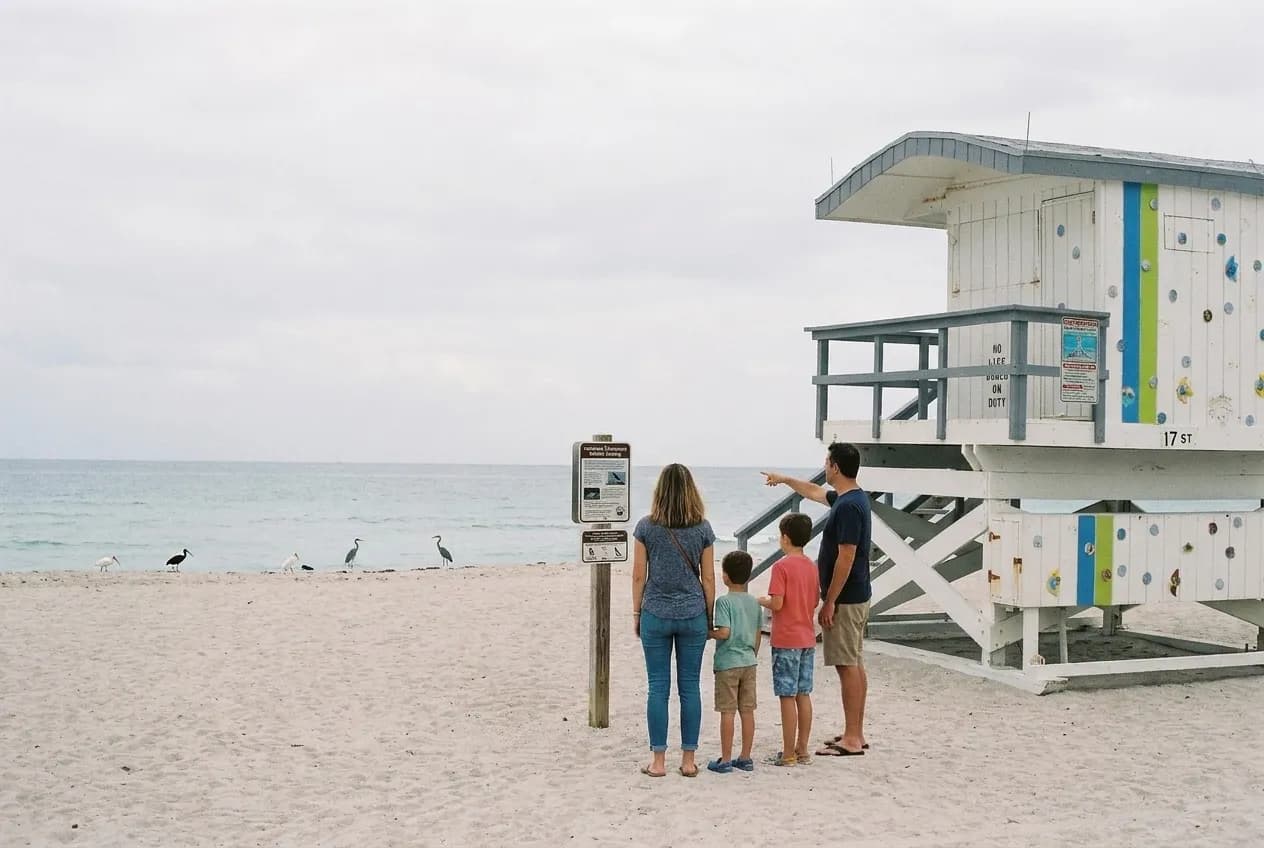
Miami-Dade beaches rank among the best in the country and are accessible to people with disabilities, but they offer limited wildlife viewing beyond shorebirds and occasional sea turtle nests, and early-morning crowds of joggers and dog walkers create distractions that make supervising young children harder. Beach parks also lack the distance verification infrastructure of natural preserves—no boardwalks, no signage about approaching nesting birds, and no clear boundaries between recreation zones and sensitive habitat. For safety-conscious parents, the question is whether a beach visit satisfies the wildlife observation goal or simply substitutes convenience for the structured learning environment a preserve or federal park provides.
The tradeoff becomes stark when you consider that free beach access requires no planning but offers minimal educational value and high distraction, while Shark Valley or a county preserve demands advance verification, travel time, and constant supervision but delivers authentic wildlife encounters within a framework designed to protect both animals and visitors. Parents must decide whether their children's age and attention span suit the discipline required for preserve visits or whether a beach park's open space and immediate availability better match their family's current capabilities. Neither choice is wrong, but the yellowstone bison video footage reminder is clear: unstructured environments demand more vigilance, and families with young children benefit from locations where infrastructure and rules reduce the burden of constant distance judgment.
Tags: #wildlifeviewingMiami #Evergladessafety #SharkValley #familynatureactivities #alligatorsafety #MiamiDadeparks #freeoutdooractivities #earlymorningwildlife #MathesonHammock #OletaRiverStatePark #beginnerwildlifeviewing #Miamiwithkids
Sources consulted: Source 1: miamidade.gov · Source 2: miamidade.gov · Source 3: mdpls.org · Source 4: miamibeachfl.gov
All trademarks are the property of their respective owners.
Ask Karpo first
Ask Karpo to turn this Miami idea into a current plan for your date, budget, companion, transit preference, and energy level. Karpo can narrow the route and flag what to verify before you go.