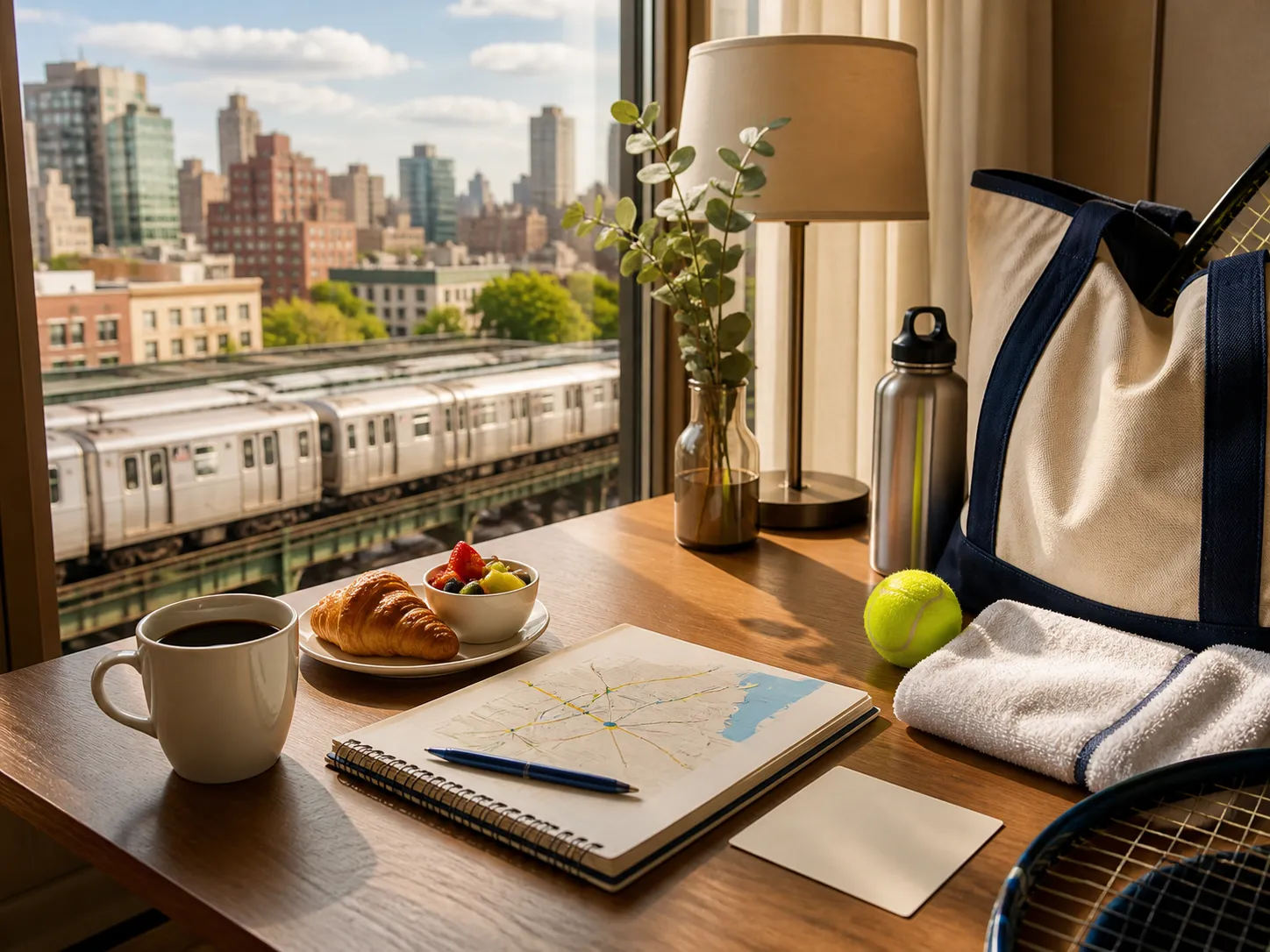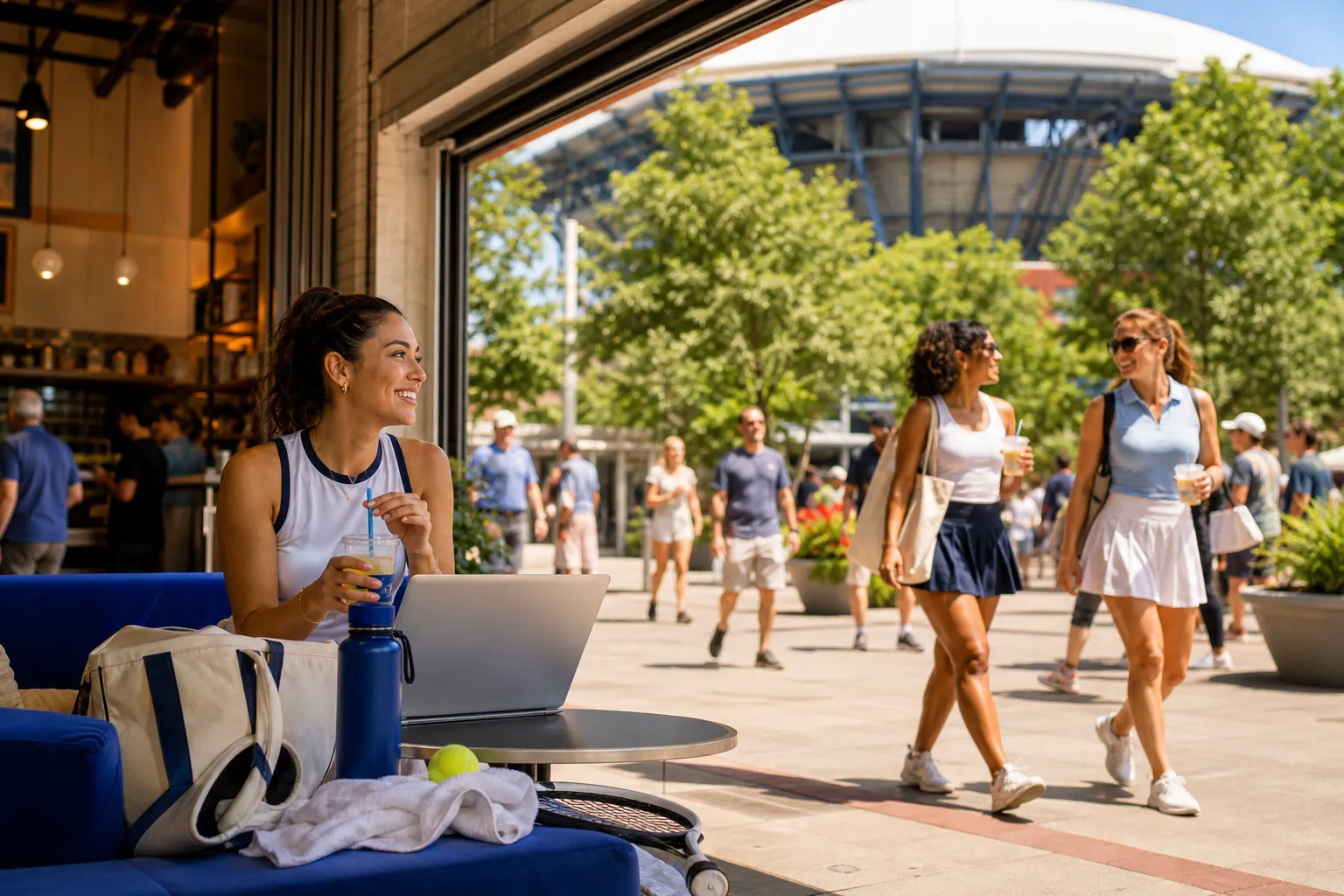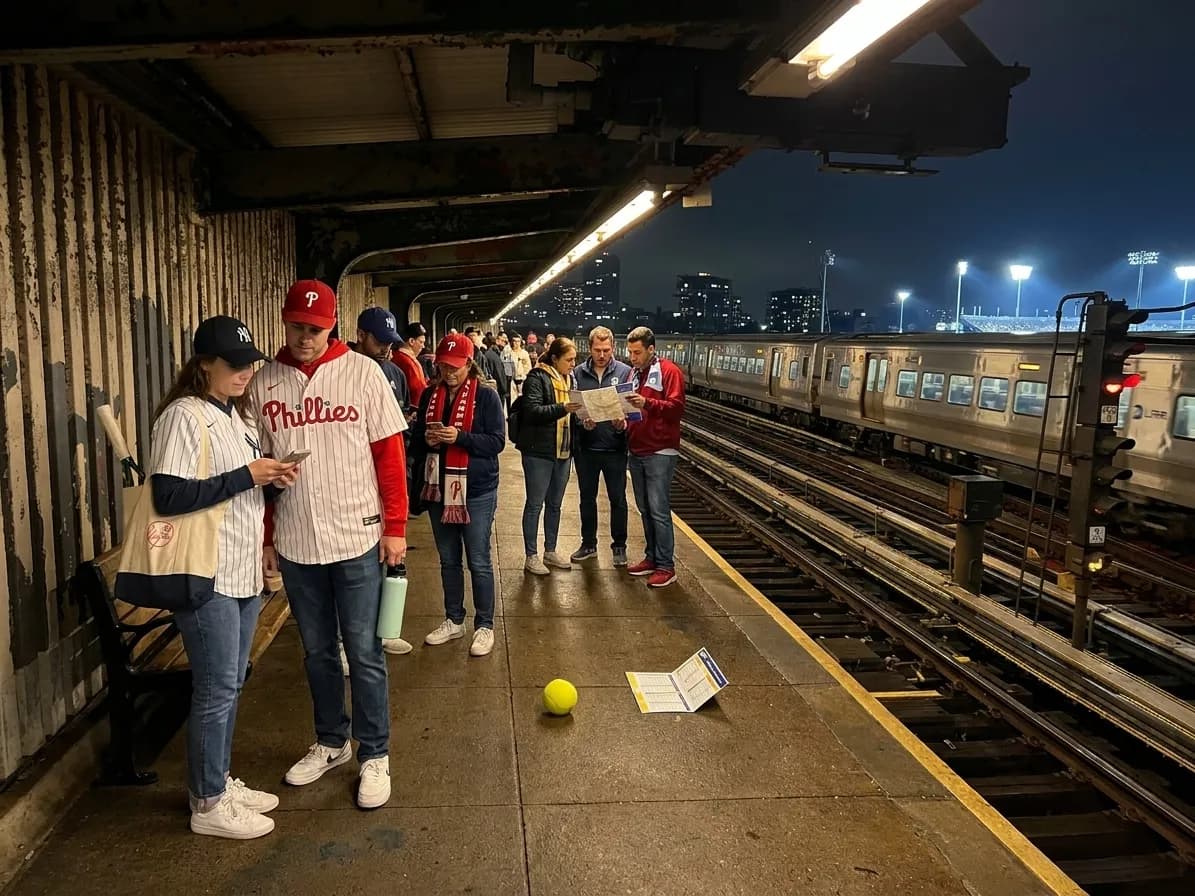
When Yankees vs Phillies searches spike, it's a reminder that New York's summer sports calendar doesn't pause for the US Open—and that matters most when you're planning transit through Queens. The 2026 US Open runs from late August through early September at the USTA Billie Jean King National Tennis Center in Flushing Meadows Corona Park, and if there's a Yankees home game in the Bronx or a Phillies series drawing regional fans, the 7 train, LIRR, and key transfer points can fill fast. This isn't about predicting a scheduling conflict; it's about recognizing that Queens is the corridor for multiple major venues, and your route to the tennis deserves the same attention you'd give a playoff commute. Whether you're starting in Manhattan, Long Island, or another borough, building a backup meeting point and understanding which lines serve Flushing Meadows will make the difference between a smooth arrival and a stressful scramble.
Text Karpo with your US Open session time and Queens starting point, and we’ll turn this subway, LIRR, and backup meeting-point planning along the Queens corridor into a practical local plan.
Why the Queens Corridor Matters for US Open Planning
Flushing Meadows Corona Park sits at the heart of Queens, served primarily by the 7 train and the LIRR's Port Washington Branch. According to the official MTA US Open transit guide, the Mets–Willets Point station on the 7 line is the primary subway stop, and it's a short walk to the tennis center. The LIRR also stops at Mets–Willets Point, offering a faster option from Penn Station, Atlantic Terminal, or points on Long Island. But this corridor doesn't exist in a vacuum: Citi Field is right next door, and when the Mets have a home game—or when Yankees fans are traveling through the city for a Bronx series—the same platforms, escalators, and pedestrian bridges see overlapping crowds. Add in families heading to the Queens Museum, the New York Hall of Science, or the park itself, and you'll want to know your backup routes and meeting points before you leave home.
Subway and LIRR: Primary Routes and Backup Options
The 7 train is the most direct subway option, running from Times Square–42nd Street through Grand Central–42nd Street, Queensboro Plaza, and into Queens, with stops at 61st Street–Woodside, Junction Boulevard, and Mets–Willets Point. On a typical day, the ride from Midtown takes about 30 minutes, but during the US Open—especially on weekends or evening sessions—expect fuller trains and longer dwell times at major transfer points. The MTA often runs extra service during the tournament, but it's worth checking the official MTA service status page close to your travel date for any planned work or adjustments. If the 7 is packed or delayed, consider the LIRR: trains from Penn Station or Atlantic Terminal reach Mets–Willets Point in roughly 15 to 20 minutes, and the platform connects directly to the tennis center. LIRR fares are higher than subway, but the speed and comfort can be worth it during peak hours. Check the LIRR schedule and fare options on the MTA site, and consider off-peak tickets if your session time allows.
Backup Meeting Points and Transfer Hubs
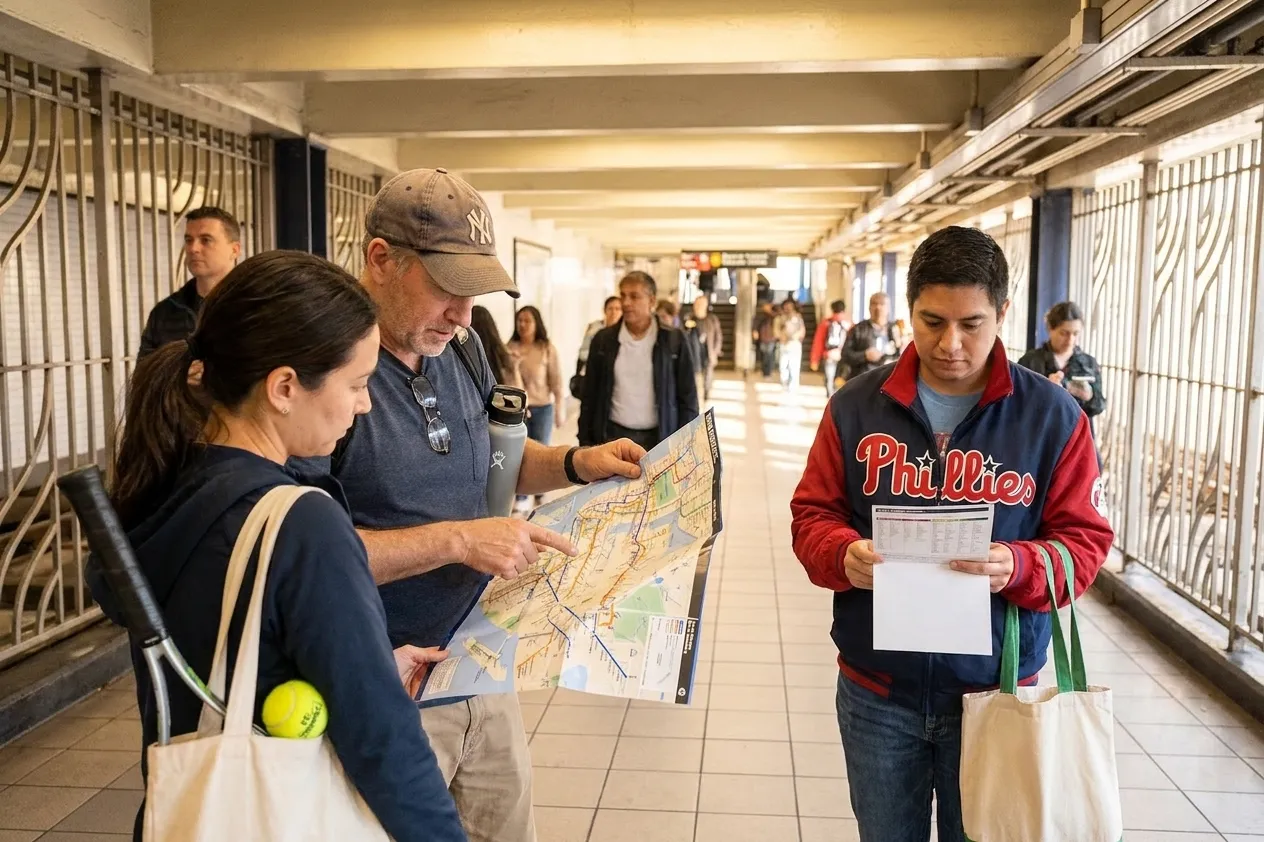
If you're traveling with a group or meeting friends, don't rely on cell service alone once you're underground or in a crowded station. Pick a specific, visible meeting point before you split up. At Mets–Willets Point, the main pedestrian bridge that connects the subway and LIRR platforms to the park is a natural landmark, but it can be congested. Consider meeting at the base of the bridge on the park side, near the entrance to the tennis center grounds, or at a specific gate if you've already confirmed your tickets. If you're transferring at Queensboro Plaza—a major hub where the 7, N, and W lines meet—the elevated platform offers clear sightlines, but it's exposed to weather and can be windy. The mezzanine at 61st Street–Woodside, where the 7 crosses the LIRR, is another option if you're coordinating a switch from subway to rail. Write down your meeting point, share it in a group text, and include a time window so no one is left waiting indefinitely.
Food and Refreshment Stops Along the Corridor
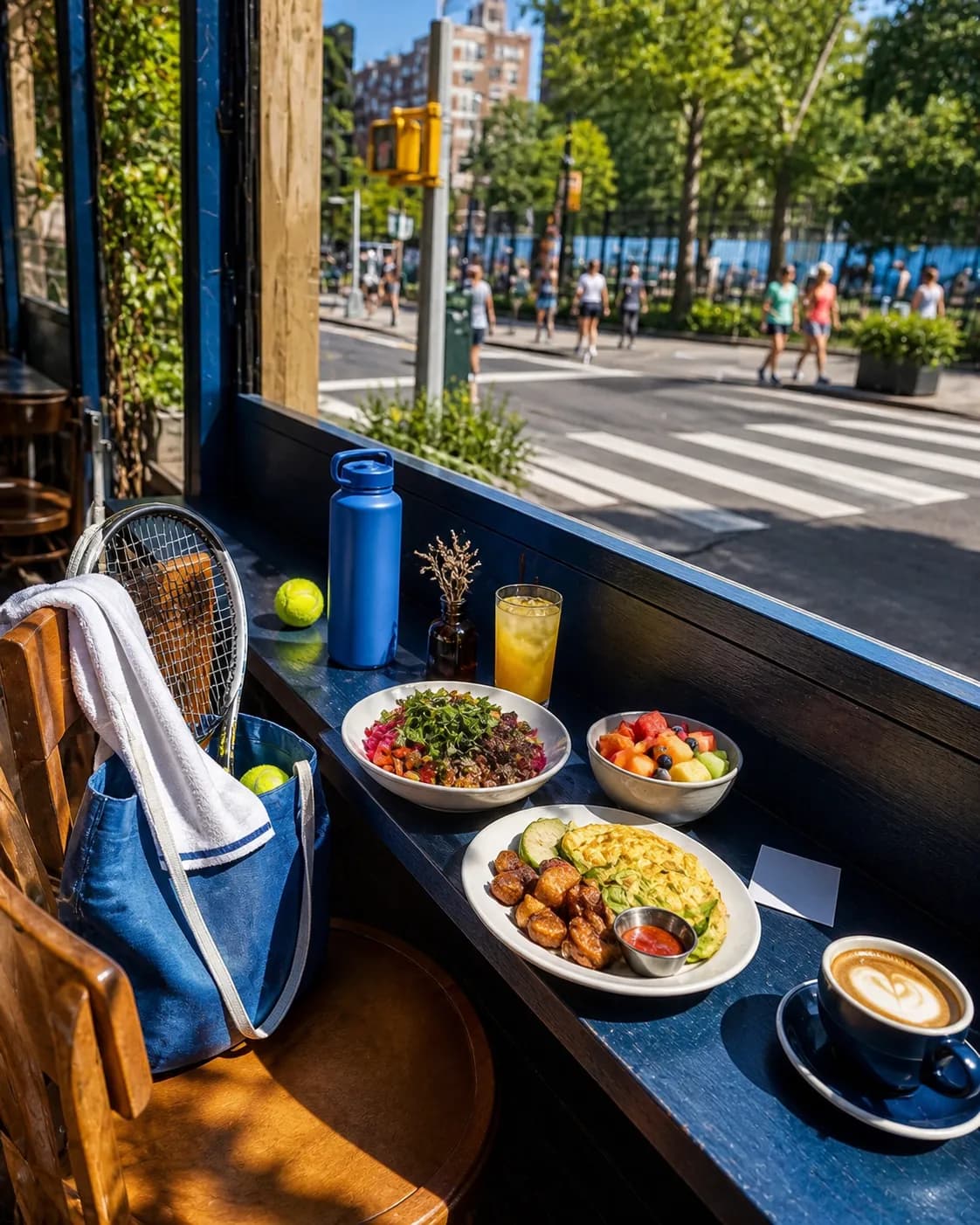
The US Open offers plenty of food vendors inside the grounds, but if you want to eat before you arrive—or if you're looking for a quieter, less expensive option—Queens has you covered. Jackson Heights, a few stops west on the 7, is known for its South Asian and Latin American restaurants, with blocks of family-run spots along Roosevelt Avenue and 74th Street. Corona, just one stop before Mets–Willets Point, has long been a hub for Mexican and Ecuadorian food, and you'll find taquerias, bakeries, and juice stands within a short walk of the train. Flushing, the eastern terminus of the 7, is one of the city's most vibrant Chinatown neighborhoods, with dim sum, hot pot, and bubble tea options that draw locals and visitors alike. If you're coming in early or staying late, a stop in Flushing for a meal can turn your tennis trip into a fuller Queens experience. Just remember that popular spots can have waits during lunch and dinner hours, so build in extra time if you're planning to eat before your session.
What to Bring and What to Leave Behind
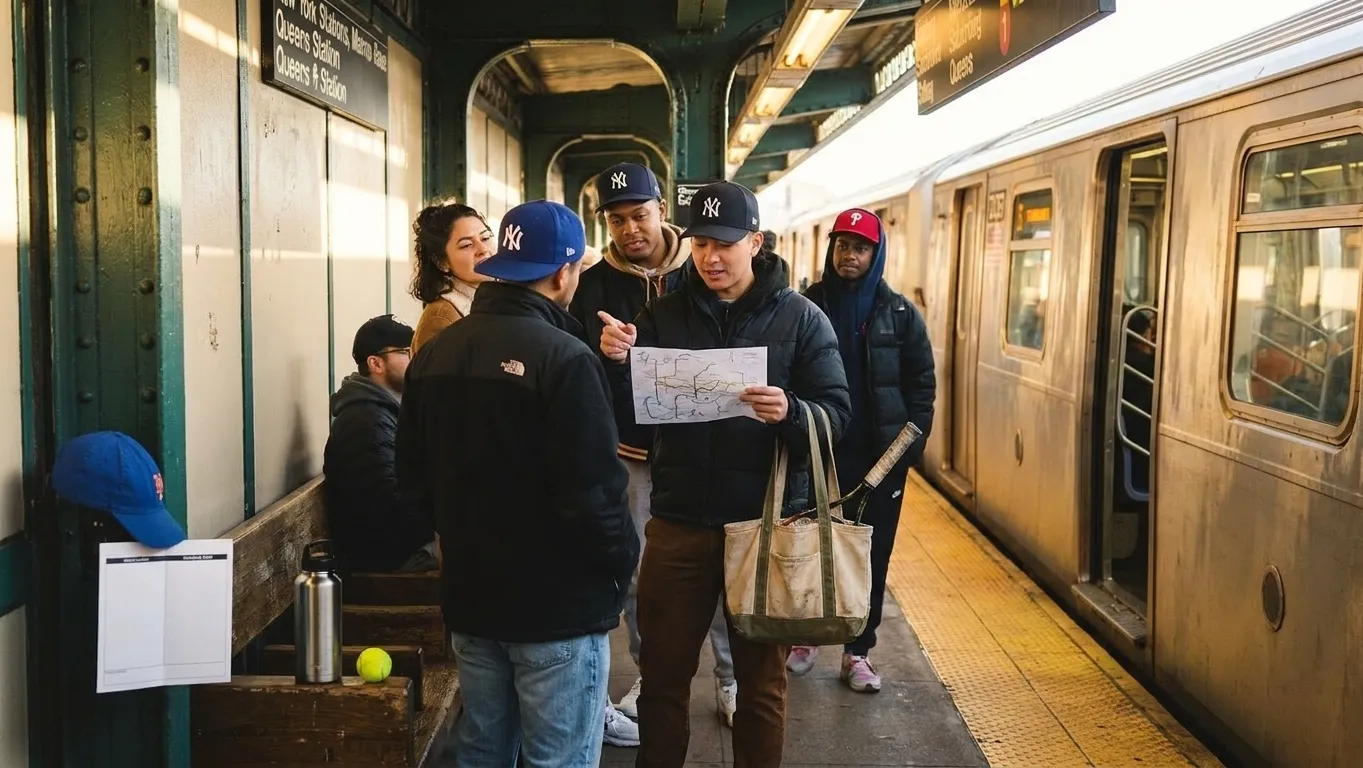
The US Open has clear rules about what you can and cannot bring into the tennis center, and it's worth reviewing the official prohibited-items guide on usopen.org before you pack. Bags larger than 12" x 12" x 16" are not allowed, and all bags are subject to search. Backpacks, coolers, and large purses won't make it through security, so plan to travel light. Outside food and beverages are generally not permitted, with exceptions for small snacks and sealed water bottles, but policies can vary by year, so check the current rules. Sunscreen, hats, and portable phone chargers are smart additions, especially for day sessions in late August. If you're planning to stop for food in Queens before or after, consider a small crossbody bag or tote that meets the size limits and leaves your hands free on the subway. And if you're carrying anything valuable, keep it close—crowded trains and platforms are not the place to leave a bag unattended or a phone in an open pocket.
Timing Your Trip and Checking Conditions
The US Open runs sessions throughout the day and into the evening, and your arrival strategy should match your ticket time. Day sessions typically start around 11 a.m., and evening sessions begin around 7 p.m., but the official event schedule on usopen.org will have the most current times for each day of the tournament. Plan to arrive at least 30 to 45 minutes before your session starts to allow for security lines, bag checks, and the walk from the station to your seat. If you're coming from Manhattan during rush hour, add extra buffer time—the 7 train and LIRR both see heavy commuter traffic between 8 and 10 a.m. and 5 and 7 p.m. on weekdays. Check the MTA service status page the morning of your trip for any delays, track changes, or service advisories, and have a backup route in mind. If the 7 is running slow, the E, F, M, or R trains can get you partway into Queens, with a transfer to the 7 at Jackson Heights–Roosevelt Avenue or Queens Plaza, though those transfers add time and complexity.
Practical Notes for Queens Corridor and US Open Transit
- The 7 train and LIRR both stop at Mets–Willets Point, the primary station for the US Open; check the MTA US Open transit guide for service updates and extra trains.
- Pick a specific, visible meeting point before you separate from your group—cell service can be spotty in stations and crowded areas.
- Review the US Open prohibited-items guide on usopen.org before you pack; bags larger than 12" x 12" x 16" are not allowed.
- Consider eating in Jackson Heights, Corona, or Flushing before or after your session for a wider range of food options and lower prices than inside the tennis center.
- Check the official US Open event schedule on usopen.org for session start times, and plan to arrive 30 to 45 minutes early for security and seating.
- If the 7 train is delayed, the LIRR offers a faster alternative from Penn Station or Atlantic Terminal, though fares are higher.
- Bring sunscreen, a hat, and a portable charger for day sessions; late August in Queens can be hot and sunny.
- Check the MTA service status page the morning of your trip for any planned work or delays on the 7, E, F, M, R, or LIRR lines.
Karpo is an independent local-life publication. We are not affiliated with, endorsed by, or sponsored by the USTA, the US Open, the MTA, Major League Baseball, the New York Yankees, the Philadelphia Phillies, or any venue, transit agency, or business mentioned in this article. All trademarks and service marks remain the property of their respective owners.
Ask Karpo
Tags: #USOpen2026 #Queens #FlushingMeadows #KarpoFinds #Karpo #yankeesvsphillies #NewYorkLocal #TennisTravel #NYCLocalLife #TennisTravel
Sources consulted: usopen.org — Official event schedule · usopen.org — Official visitor A-Z guide · usopen.org — Official transportation directions · usopen.org — Official prohibited-items guide · MTA — Official US Open transit guide · MTA — Service status
All trademarks are the property of their respective owners.
Ask Karpo first
Want to know what is actually open, how to time the trip, and where to pause around Queens? Ask Karpo for the latest public US Open context, a respectful visitor plan, and a live route around Flushing Meadows before you head out.