You walk into Arthur Avenue three hours before first pitch and the whole block smells like Sunday in 1952. Garlic hits you first, then yeast, then the sharp mineral tang of aged provolone hanging in deli windows. The Yankees are playing tonight but nobody here is rushing. This is the Bronx that feeds itself first, watches baseball second, and never apologizes for either.
The bread comes out when it comes out
You time your arrival around the bakeries, not the game clock. Mid-afternoon, the ovens are still firing and the semolina dust hangs in shafts of light through storefront windows. You can hear the metal peels scraping against brick, that hollow thunk when a baker tests a loaf for doneness. The crusts are blistered dark, almost burnt at the edges, and when you tear into one while it's still warm the interior steam carries fennel and black pepper. You buy two loaves because one won't survive the walk to dinner. The paper bags go translucent with olive oil before you've made it two blocks.
Red sauce means something specific here
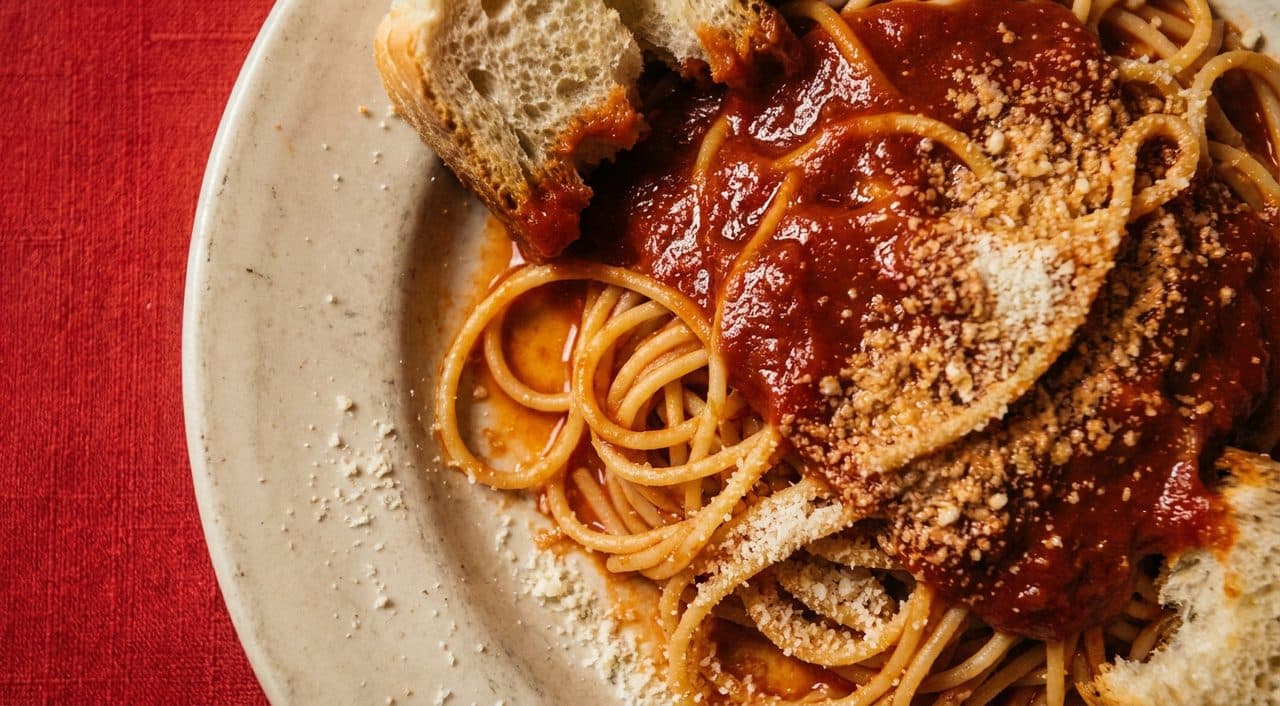
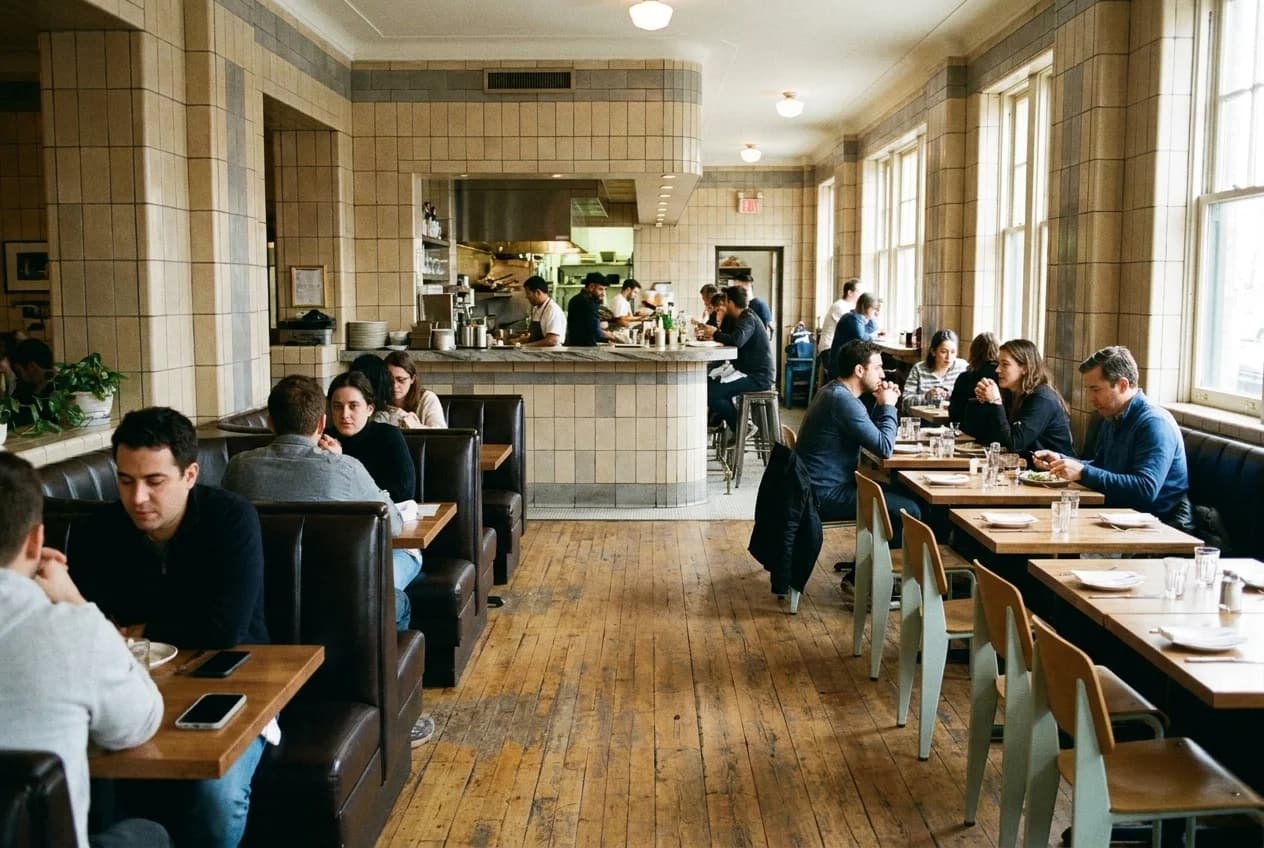
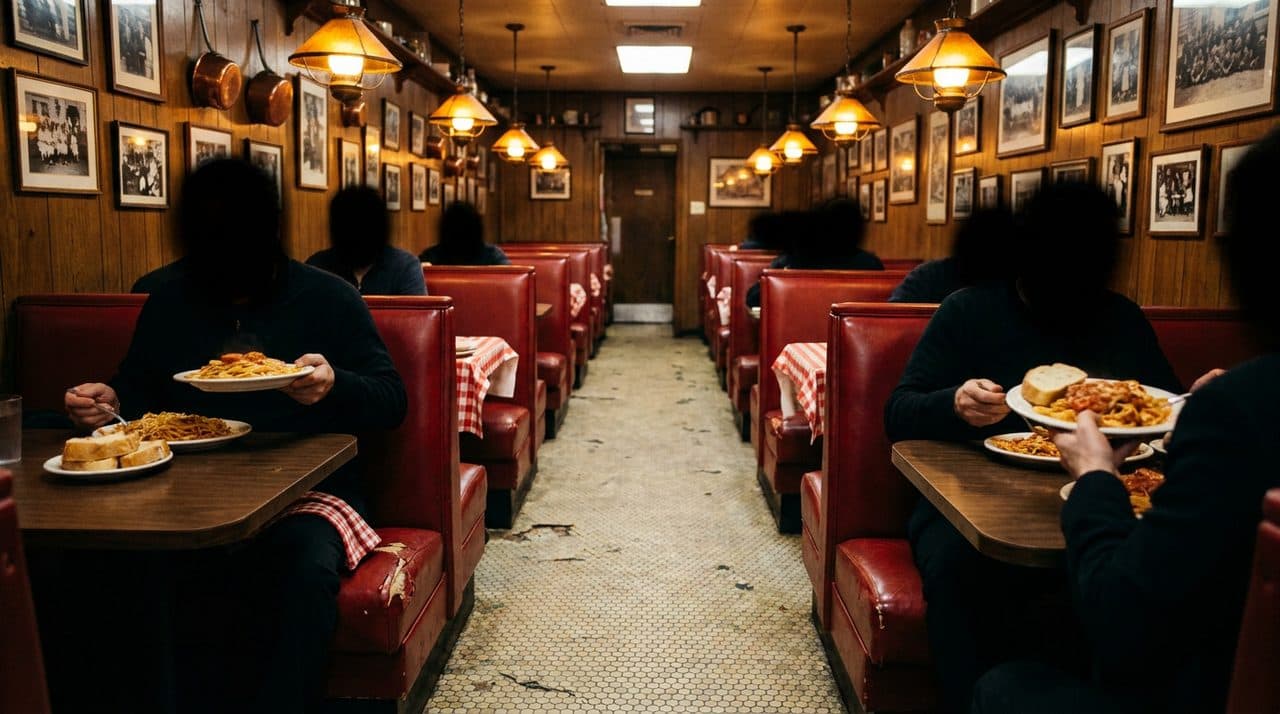
The dining rooms fill up early on game days but not with the bridge-and-tunnel crowd. You see multigenerational tables, grandmothers in good jewelry, men in Yankees caps who've been wearing the same cap since the Torre years. The sauce is Sunday gravy even on a weeknight: slow-simmered, brick-red, with pork bones that've given up all their marrow. It pools under braciole and climbs the sides of meatballs the size of baseballs, which everyone mentions and nobody thinks is cute. You order whatever involves ricotta. The pasta comes out not swimming but properly married to the sauce, and the waiter brings extra bread without asking because he's already seen your empty basket.
The rhythm changes when the lineup drops
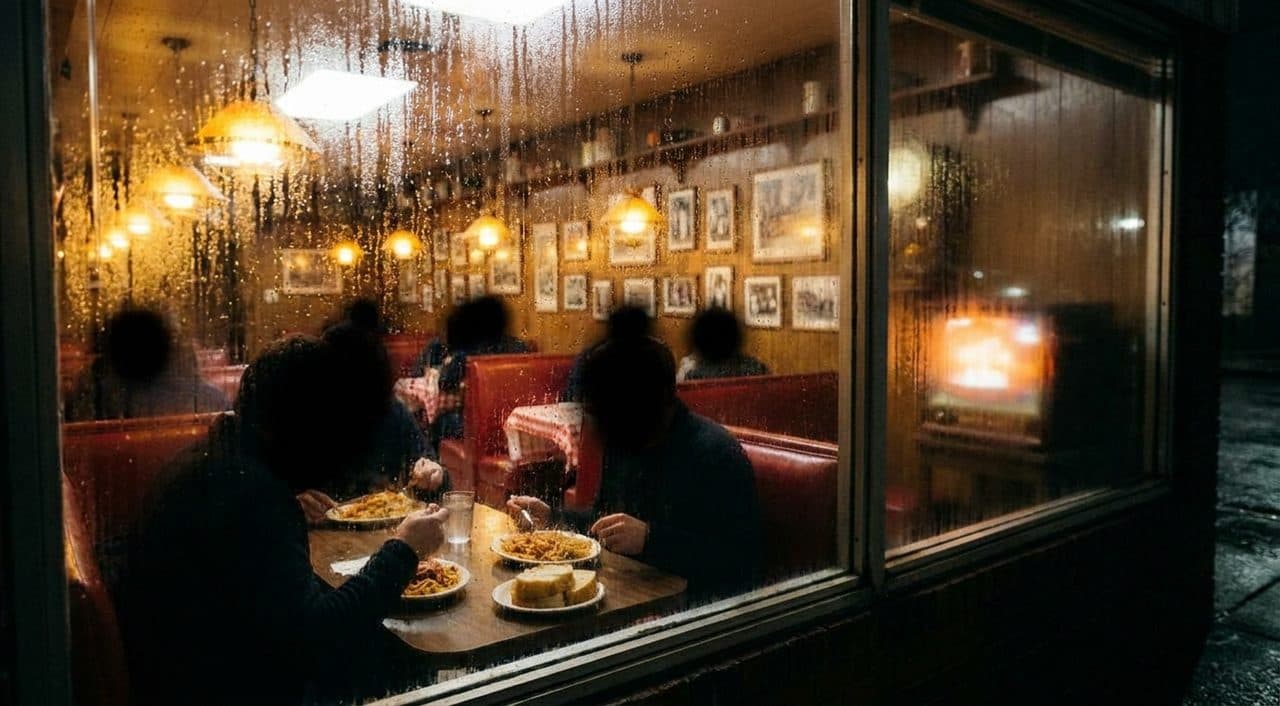
Around ninety minutes before game time, the energy shifts. Phones come out, people check the starting rotation, debate whether the bullpen can hold. But nobody leaves their seat. You're still eating, still passing plates family-style, still arguing about whether the gravy needs more salt. The restaurants here understand that baseball is long and dinner is sacred and you don't sacrifice one for the other. The TV over the bar flickers on to pregame coverage. The sound stays low. Someone's nephew is explaining launch angle to his grandmother, who's not listening but keeps nodding while she finishes her escarole.
The walk to the stadium is the real pregame
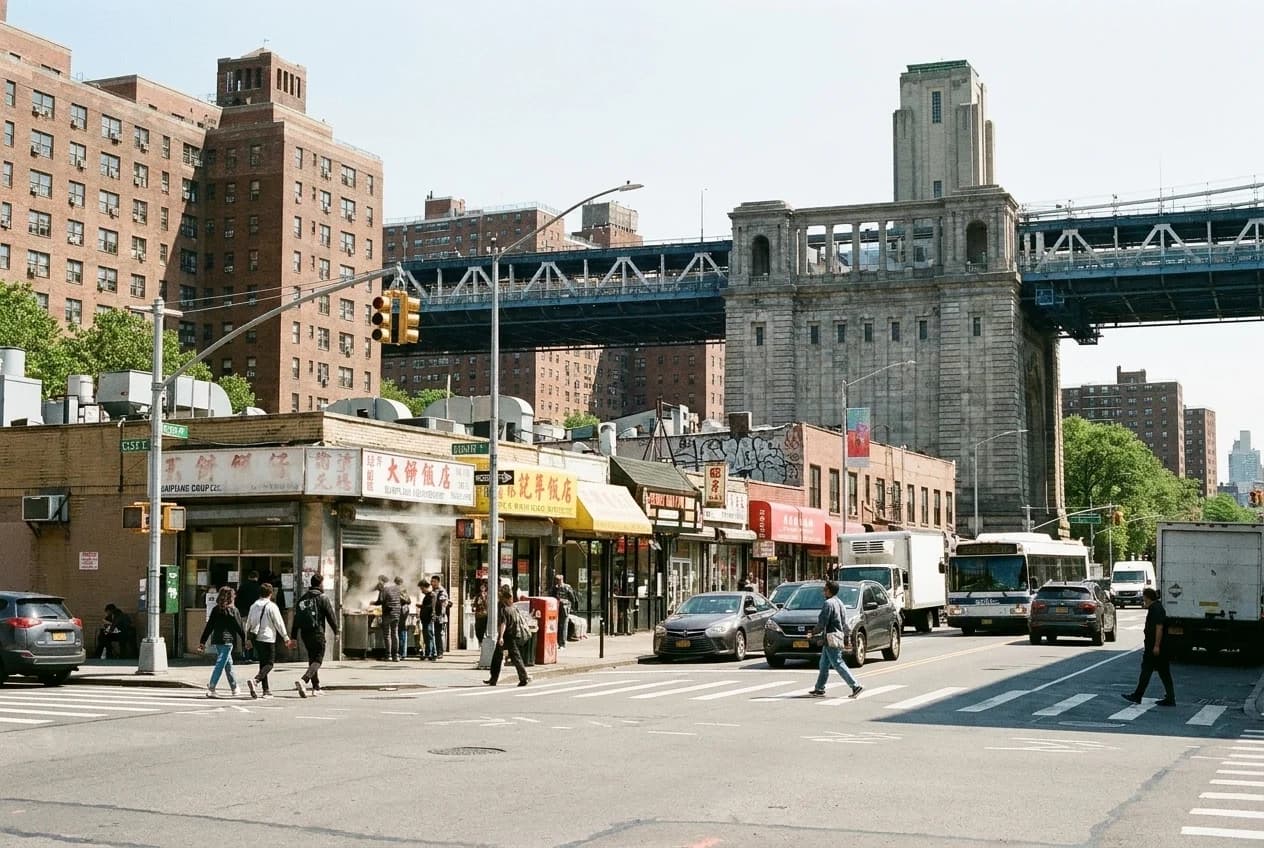
You leave the restaurant heavy and content, join the foot traffic heading east. The crowd thickens as you get closer to the stadium, but it's not the crush of midtown. People stop to talk, to smoke, to buy peanuts from the carts that appear like clockwork. You can hear the stadium before you see it: the PA system doing sound checks, the low roar of thirty thousand people finding their seats. The light changes as the sun drops, everything goes orange and long-shadowed, and the Bronx feels like the center of something that matters. You're not rushing. You've already eaten. You're just here for the shape of the night.
The neighborhood empties but doesn't sleep
If you skip the game or leave early, Arthur Avenue after dark is a different place. The restaurants are still open but quieter, the tables turned over to couples and small groups finishing wine. The bakeries are dark, the delis are closing, but the bars stay lit. You can track the game by the noise: groans through open doors, sudden cheers, the collective held breath of a full count. The sidewalks smell like cigar smoke and espresso. Old men stand outside social clubs, listening to the game on transistor radios, doing the thing they've done for fifty years. You realize the neighborhood doesn't need you to understand it. It's been here, doing this, since before you knew what good bread was.
What the table teaches you about the Bronx
You came for dinner and baseball, but what you're really getting is a lesson in proportion. The Bronx knows that a four-hour game matters less than a two-hour meal, that the box score is less memorable than the taste of gravy-soaked bread, that winning is fine but eating with people you love is the point. The restaurants here don't perform Italian-American food, they just serve it, the same way they've been serving it, without apology or adjustment. You leave full, a little tired, smelling like garlic and wood smoke. The game is probably still going. You'll check the score later. Right now you're just walking, digesting, grateful that some neighborhoods still believe in taking their time.
Practical Notes
The Arthur Avenue retail market and surrounding restaurants operate on neighborhood time: expect bakeries to open early and sell out by late afternoon, restaurants to serve lunch through early evening with game-day hours extending later. The retail district clusters around a few walkable blocks, easily covered on foot. Subway access via the Fordham stop puts you a short walk from the main strip. Most restaurants don't take reservations for small parties, so arrive early on game days or be prepared to wait. Cash is still preferred at many old-school spots, though cards are increasingly accepted. Street parking is scarce; public transit or rideshare is your better bet. The neighborhood runs on its own clock, so build in buffer time and don't expect stadium-speed service.
Tags: #PullUpAChair #ArthurAvenue #TheBronx #NewYorkCity #RedSauce #ItalianAmerican #BronxEats #YankeeStadium #BaseballDinner #NeighborhoodDining #NYCFood #RealBronx #SundayGravy #PreGameRitual #BronxLife
Sources consulted: eater.com · timeout.com · infatuation.com
All trademarks are the property of their respective owners.