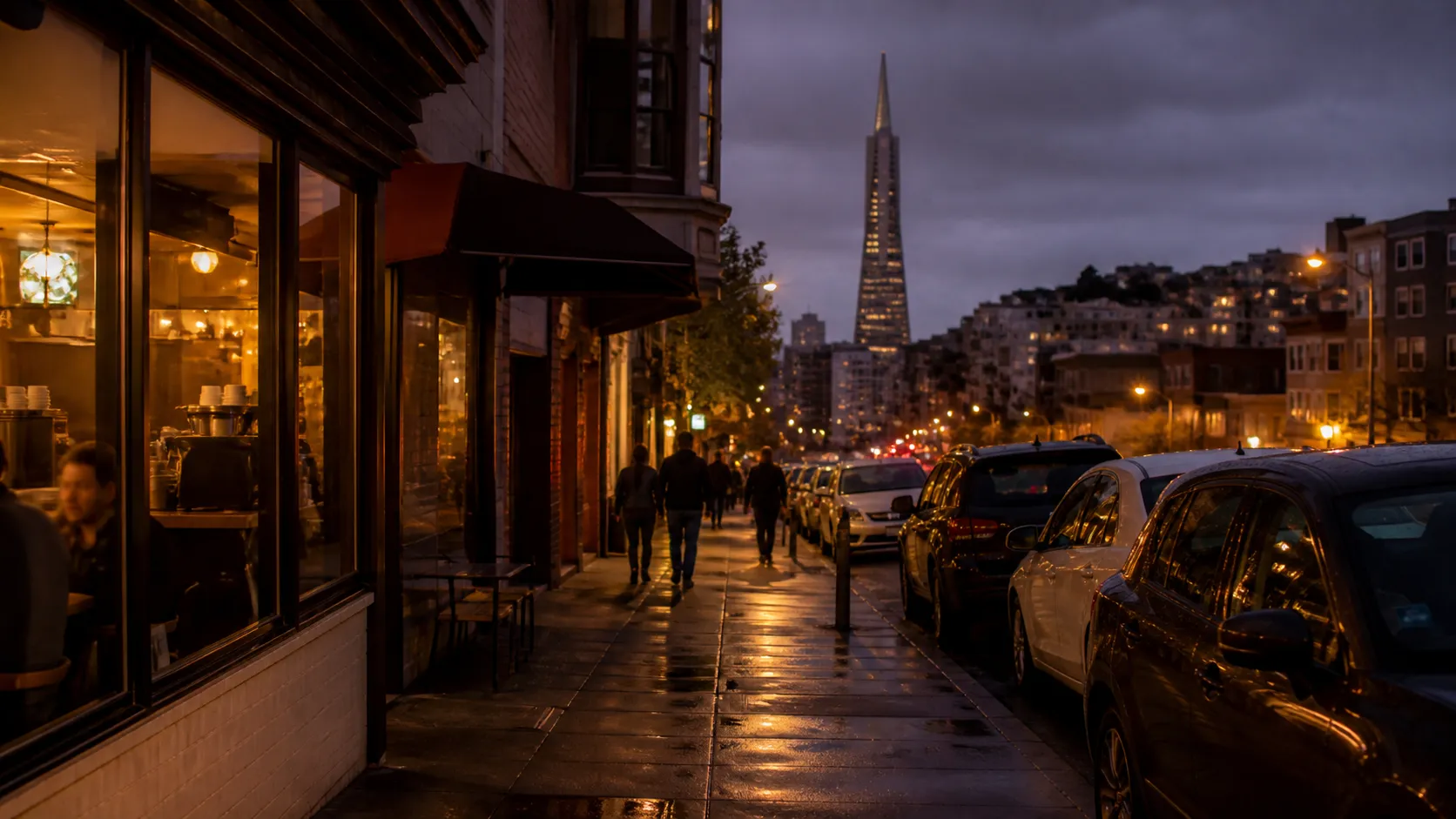
When you've relocated from New York to San Francisco and the yankees trades chatter that once filled your evenings has vanished, the intellectual loneliness hits hardest during deadline week. Your data-curious friend suggests exploring the city's sabermetrics meetup scene, but the challenge isn't finding baseball conversations—it's locating groups where your moderate statistical expertise won't feel either patronizing or impossibly advanced. San Francisco hosts analytics-oriented baseball gatherings at public brewery spaces and sports bars, yet the culture varies dramatically: some welcome casual fans eager to discuss trade logic using basic WAR and contract analysis, while others expect participants to arrive with laptops loaded with Python scripts and proprietary projection models. Before committing your trade deadline week evenings to a particular group, you'll need to verify format expectations, assess whether the statistical bar matches your comfort zone, and understand the difference between social analysis discussions and technical workshops.
Text Karpo your starting point, timing, group size, and priorities for a San Francisco plan tailored to this exact situation, with one realistic backup before you leave.

Distinguishing Social Commentary Groups from Technical Workshops
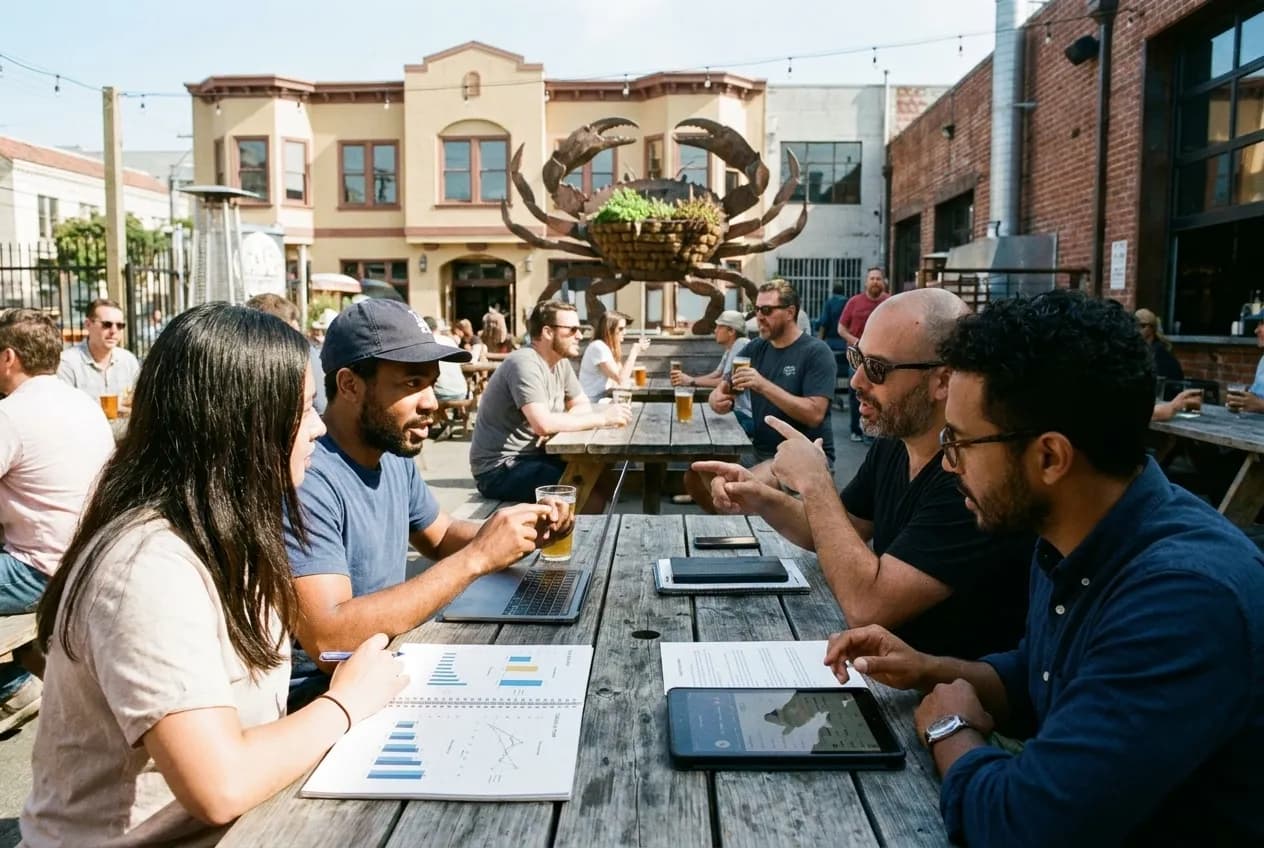
The San Francisco baseball analytics community splits into two distinct formats that serve different needs. Social commentary meetups typically gather at brewery tables where participants discuss trades using publicly available statistics—debating whether a team overpaid based on FanGraphs projections, questioning defensive metrics, or comparing contract structures. These sessions assume familiarity with concepts like WAR, wRC+, and FIP, but don't require you to calculate them. Participants reference Baseball Prospectus articles, argue about prospect rankings, and dissect front office decision-making using the same tools available to any dedicated fan. The atmosphere resembles an intellectually elevated sports bar conversation where statistical literacy enhances rather than dominates the experience.
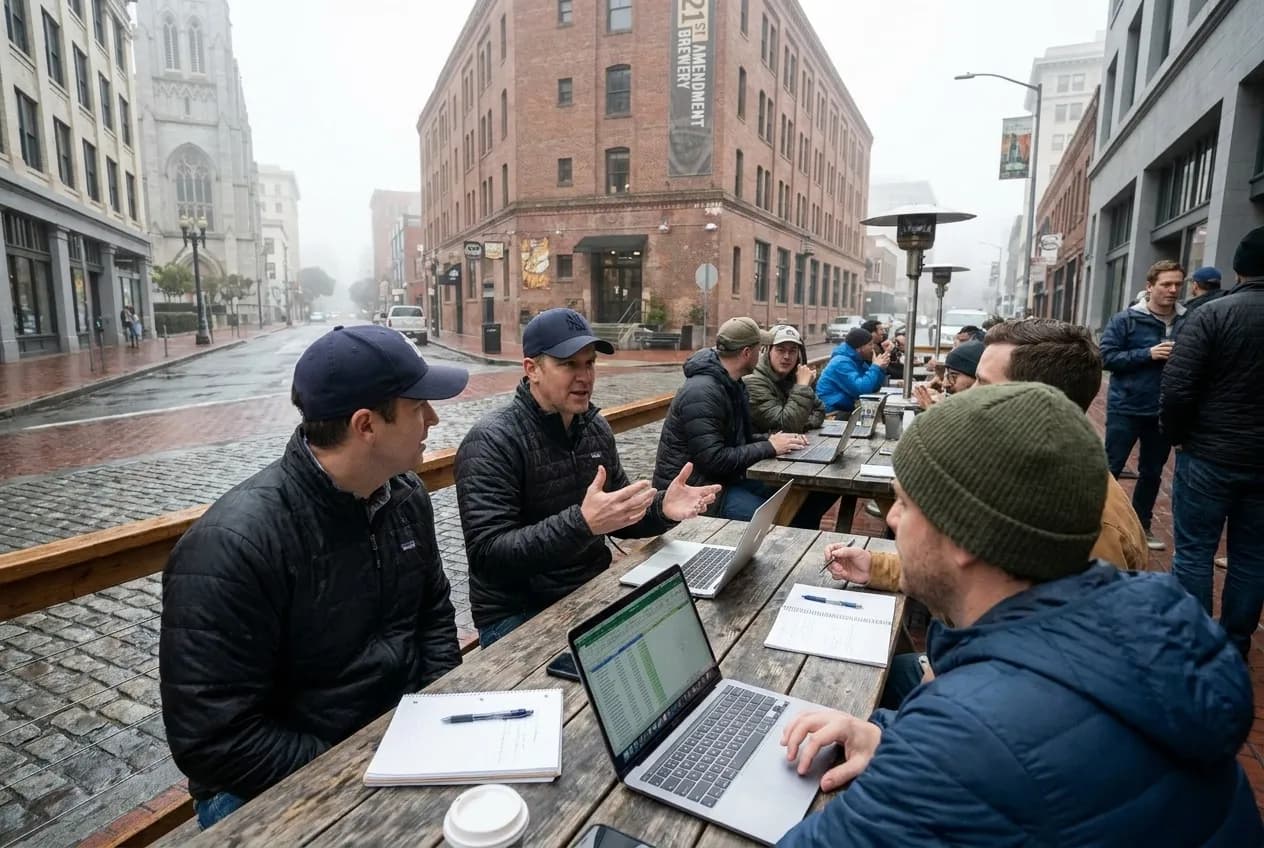
Technical workshops operate differently, often expecting attendees to bring laptops and engage with actual data manipulation. These gatherings might involve live coding demonstrations in R or Python, building custom trade value calculators, or testing new defensive metrics against historical datasets. The skill floor sits considerably higher—you're expected to understand regression analysis, know your way around baseball reference databases, and potentially contribute code or methodological critiques. For a Yankees fan with moderate expertise, attending a technical session without preparation risks spending two hours lost while others debug scripts. Verify which format a group follows by checking past meetup descriptions for keywords like 'bring your laptop,' 'coding,' 'workshop,' or conversely 'discussion,' 'analysis,' and 'debate.'

Brewery Versus Sports Bar Venue Tradeoffs
Fieldwork Brewery locations and similar craft beer establishments offer quieter acoustics and table configurations that support sustained conversation, making them natural homes for groups prioritizing detailed trade analysis discussions. The brewery environment self-selects for participants willing to focus on baseball talk for extended periods rather than splitting attention between multiple screens. You can spread out printed lineup cards, reference articles on phones without competing against blaring televisions, and actually hear when someone three seats down makes a salient point about arbitration timelines. The tradeoff involves less immediate visual access to live game action and highlights, which matters less during dedicated trade discussion sessions but might feel limiting if you prefer your analysis anchored to what's happening on the field that specific evening.
Sports bars like 21st Amendment provide the opposite calculus—multiple screens showing live games, easier access to highlight replays that can settle factual disputes, and an atmosphere that accommodates both focused analysis and casual game-watching. If your ideal evening blends trade discussion with keeping one eye on the Yankees game, the sports bar format delivers that flexibility. However, acoustic challenges increase significantly; you'll strain to hear nuanced statistical arguments during crowded periods, and the environment attracts a broader audience that may interrupt analytical conversations with casual commentary. Consider whether your priority during deadline week is immersive trade analysis or maintaining connection to live baseball action while discussing roster moves.
Assessing Statistical Prerequisite Signals in Group Descriptions
Meetup descriptions contain revealing language that telegraphs expected expertise levels. Groups welcoming 'all fans interested in analytics' or mentioning 'beginner-friendly' typically accommodate moderate knowledge—you should understand what WAR measures and why OBP matters more than batting average, but won't face pop quizzes on park factors or aging curves. Descriptions emphasizing 'deep dives,' 'advanced metrics,' or 'cutting-edge analysis' signal higher expectations; these groups assume fluency with concepts like DRA, Statcast data interpretation, and contract option structures. If a description mentions specific analytical tools (Baseball Prospectus PECOTA, FanGraphs Depth Charts, custom projection systems), expect participants to reference those frameworks throughout discussions.
The presence or absence of 'newcomers welcome' language matters significantly. Groups explicitly inviting newcomers typically build in explanation time when someone asks what DRS measures or how arbitration years work. Established groups without such language may assume shared vocabulary, leaving you to either interrupt frequently for clarification or sit quietly confused. Check whether past meetup summaries mention 'great for learning' or conversely showcase technical presentations—a group that recently hosted a talk on 'Bayesian approaches to injury risk modeling' operates at a different level than one that 'discussed whether the Dodgers overpaid for their deadline acquisition.' Your moderate expertise likely fits best with groups that use advanced stats as discussion tools rather than as the discussion subject itself.
Verification Steps Before Committing Your Evening
Contact organizers directly through meetup platforms with specific questions: 'I'm comfortable with WAR and wRC+ but haven't used R or Python for baseball analysis—would I be able to follow the discussion?' Transparent organizers will tell you honestly whether their format matches your level. Ask whether the group discusses trades using public data sources or expects familiarity with proprietary models. Inquire about typical attendance size; eight-person gatherings allow more individualized conversation and easier questions, while thirty-person events may move too quickly for clarification. Request information about whether presentations dominate the format or if open discussion prevails—the former requires less active participation but offers fewer opportunities to steer conversation toward Yankees-specific trade questions that interest you.
Attend one session as an observer before fully committing your deadline week schedule. Arrive early, position yourself where you can hear clearly, and spend the first thirty minutes assessing whether the statistical depth matches your comfort zone. Notice whether participants seem welcoming when newcomers ask basic questions or show impatience with explanations. Observe the laptop-to-person ratio—if everyone's typing except you, the technical expectations may exceed your current skills. Pay attention to whether the conversation includes teams and players you follow; some groups fixate on specific franchises or leagues, which matters less for general analytical learning but significantly impacts your ability to contribute Yankees-specific insights. Use this trial session to identify whether the intellectual loneliness you're solving is worth the potential discomfort of stretching beyond your current statistical expertise.
Transportation Logistics for Deadline Week Evening Attendance
San Francisco's public transportation options through Muni, as documented by SFMTA, provide reliable access to popular meetup venues without parking complications. Brewery and sports bar locations typically cluster in neighborhoods well-served by multiple bus and light rail lines, making evening attendance feasible even if you're commuting from residential areas. The SFMTA trip planner allows you to map routes from your starting location to specific venues, with options to filter by transit, bike, or walk. During deadline week when you're monitoring trade news throughout the workday and want flexibility to attend meetups on short notice, knowing your transit route in advance eliminates the decision friction that might otherwise keep you home. Evening service frequency varies by line, so verify return trip options—the last thing you want after finally finding engaging Yankees trade discussion is discovering you've missed the final train.
Consider the timing tradeoff between attending immediately after work versus going home first. Direct transit from downtown offices to SoMa or Mission brewery venues often takes 20-30 minutes, allowing you to arrive at early evening meetup start times without rushing. However, deadline week brings afternoon trade announcements that you might want to process before diving into group discussion. Going home first to check final news updates and gather your thoughts adds commute time in both directions but ensures you arrive informed about the day's moves. For Yankees fans specifically, East Coast trade announcements often break during West Coast work hours, meaning you'll have already processed the news by evening—a timing advantage that makes direct-from-work attendance more practical than it would be for fans following West Coast teams whose trades break during meetup hours.
Tags: #YankeesfansSanFrancisco #baseballanalyticsmeetups #sabermetricsgroupsSF #sportssocialevents #tradedeadlinediscussions #dataanalysiscommunity #transplantsocialscene #brewerymeetups #baseballstatistics #SFsportsbars
Sources consulted: Source 1: sf.gov · Source 3: sfmta.com · Source 4: sfpl.org
All trademarks are the property of their respective owners.
Ask Karpo first
Ask Karpo to turn this San Francisco idea into a current plan for your date, budget, companion, transit preference, and energy level. Karpo can narrow the route and flag what to verify before you go.