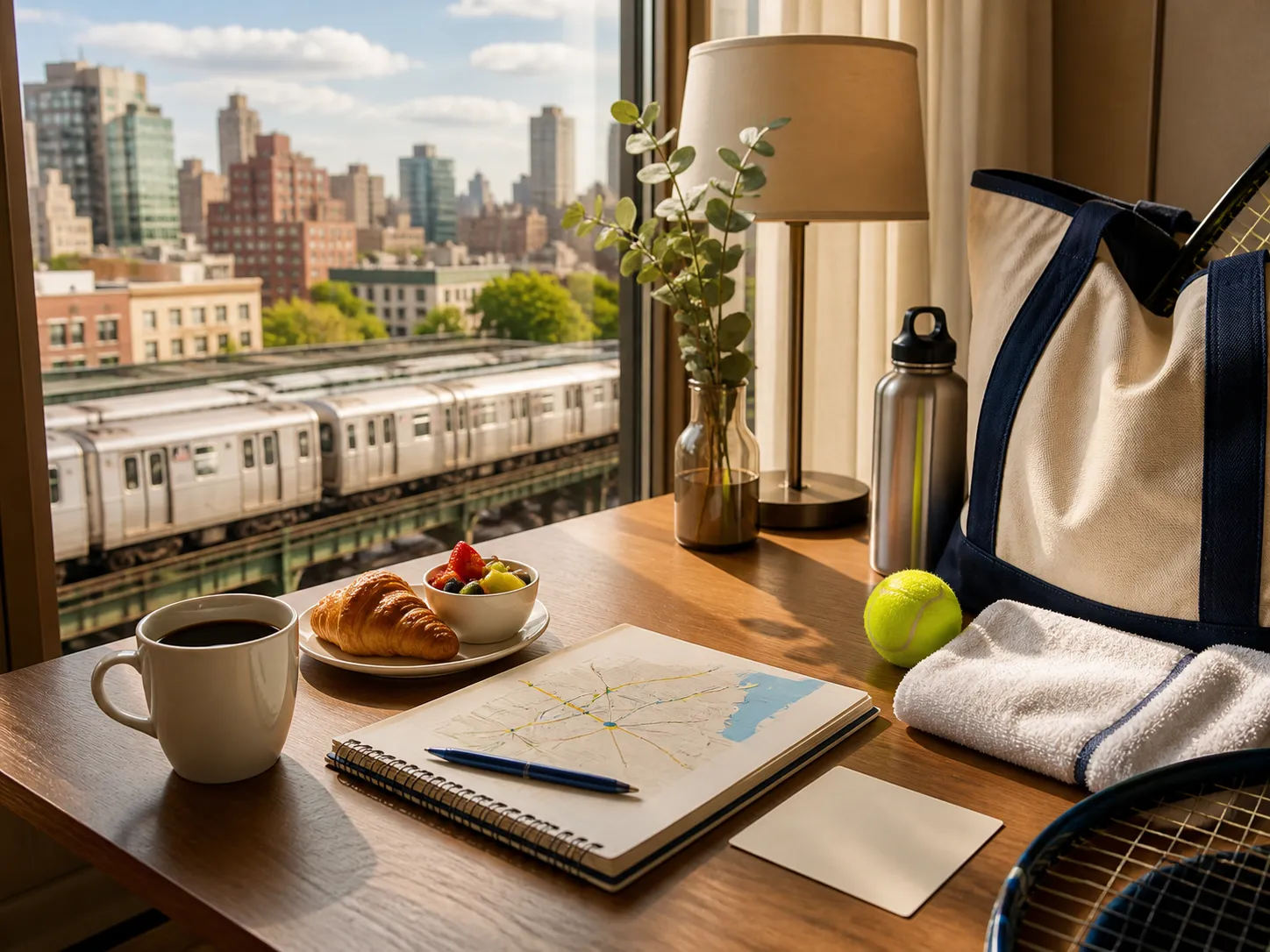
The phrase "xbox outage" trends whenever a major platform goes dark, reminding millions of players that always-on entertainment isn't always guaranteed. For New Yorkers planning long days at the 2026 US Open in Flushing Meadows, the lesson translates neatly: crowded venues, spotty cell service, and drained batteries can leave you just as disconnected as a console outage. Rather than relying on live streams, real-time scores, or constant messaging, a little offline planning—downloaded maps, pre-saved transit schedules, portable chargers, and a few analog backup ideas—turns a potentially frustrating tech hiccup into a smooth, self-sufficient day in Queens.
Text Karpo with your US Open session time and Queens starting point, and we’ll turn this offline planning, phone battery, photo ideas, and practical tech habits for crowded event days into a practical local plan.
Why Offline Planning Matters at a Crowded Venue
The Billie Jean King National Tennis Center draws tens of thousands of fans daily during the tournament, and cell towers in Flushing Meadows Corona Park can struggle under the load. Even with a strong signal at your hotel in Long Island City or Astoria, you may find data crawling to a halt once you're inside the grounds. Downloading the official US Open app, saving offline copies of your session schedule, and pre-loading MTA subway maps before you leave home means you won't be stuck squinting at a spinning loading icon when you need directions to Arthur Ashe Stadium or the nearest restroom. Think of it as the tennis equivalent of downloading a game for offline play—you've got everything you need, no server required.
Battery Habits for All-Day Sessions
A full day at the US Open—especially if you're hopping between courts, grabbing lunch in the food village, and snapping photos of the Unisphere on your walk in—can drain a phone battery by mid-afternoon. Before you leave your hotel or apartment, charge your device to one hundred percent and pack a portable battery pack in your bag. The official prohibited-items guide on usopen.org confirms that small external chargers are allowed, so there's no reason to risk a dead phone by evening. If you're traveling from Jackson Heights or Corona, consider topping off your charge on the 7 train; many newer subway cars offer USB ports. Once inside the venue, toggle your phone to low-power mode, close background apps, and resist the urge to livestream every point—your future self, trying to call a rideshare at nine p.m., will thank you.
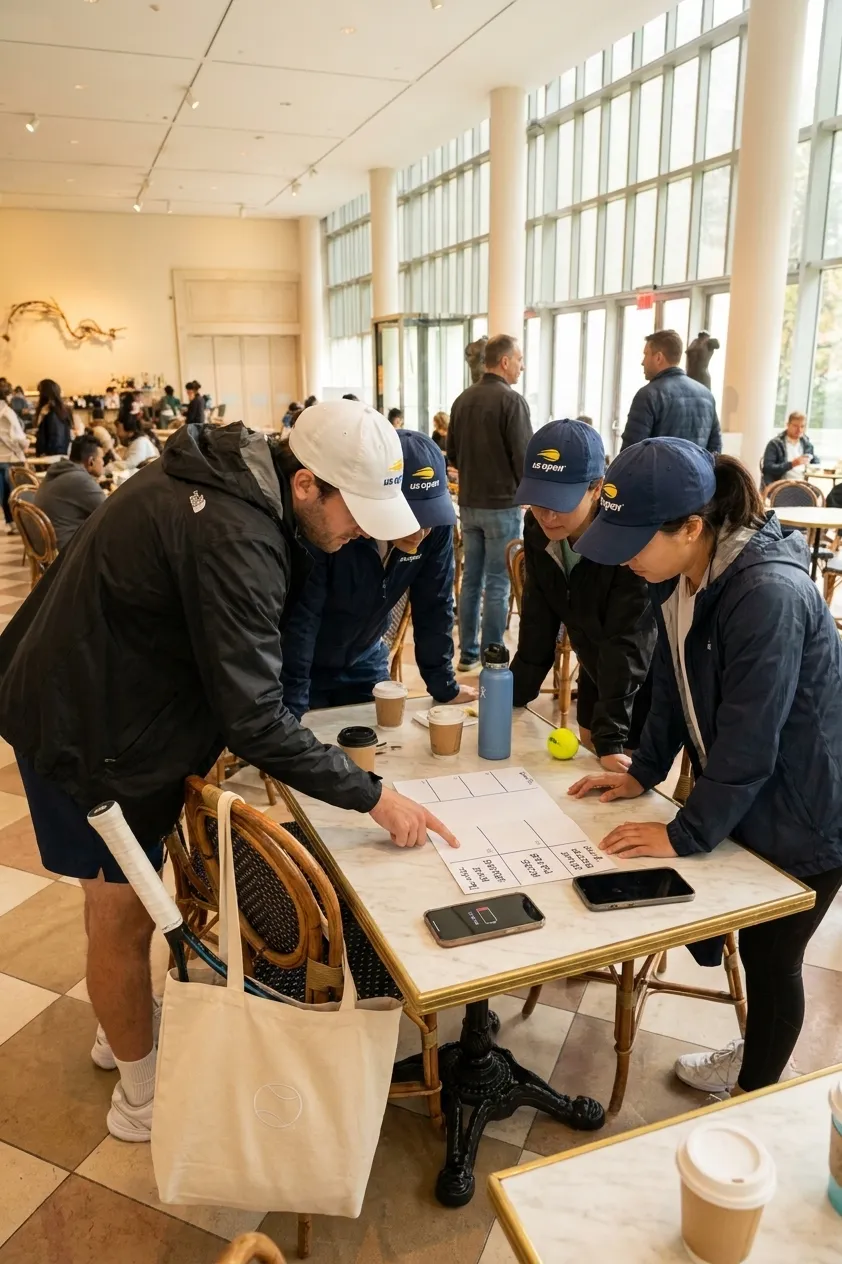
Photo Ideas That Don't Rely on Cloud Sync
Great photos are part of the US Open experience—the Unisphere gleaming in afternoon sun, the Arthur Ashe Stadium scoreboard, the colorful food stands—but uploading them in real time isn't always practical. Instead, shoot liberally and let your phone save everything locally. If you're worried about storage, clear out old offline copies and unused apps before you arrive, or bring a small camera with its own memory card. For a nostalgic twist, some visitors pack a disposable film camera; it's lightweight, requires no battery, and delivers prints you can pick up at a Flushing or Astoria drugstore a few days later. Either way, you'll have a visual record of your day without fighting for bandwidth or watching your battery percentage plummet.
Practical Tech Habits for Crowded Event Days
Beyond battery and photos, a few small habits make a big difference. Write down or an offline copy copies of your meeting spot if you're attending with friends—"near the Honey Deuce stand" is less helpful when cell service drops and you can't text. Download your return transit route from the MTA website the night before, noting which 7 train stops serve your hotel or dinner reservation in Long Island City or Astoria. If you're planning to explore Flushing Meadows Corona Park after your session, grab a paper map from the visitor center or an offline copy the park layout; the Queens Museum, New York Hall of Science, and Citi Field are all walkable, but GPS can be unreliable under tree cover. Finally, consider setting your phone to airplane mode during matches you want to watch without distraction—you'll save battery, avoid the temptation to check scores elsewhere, and stay present for the live action in front of you.
Offline Entertainment Between Matches
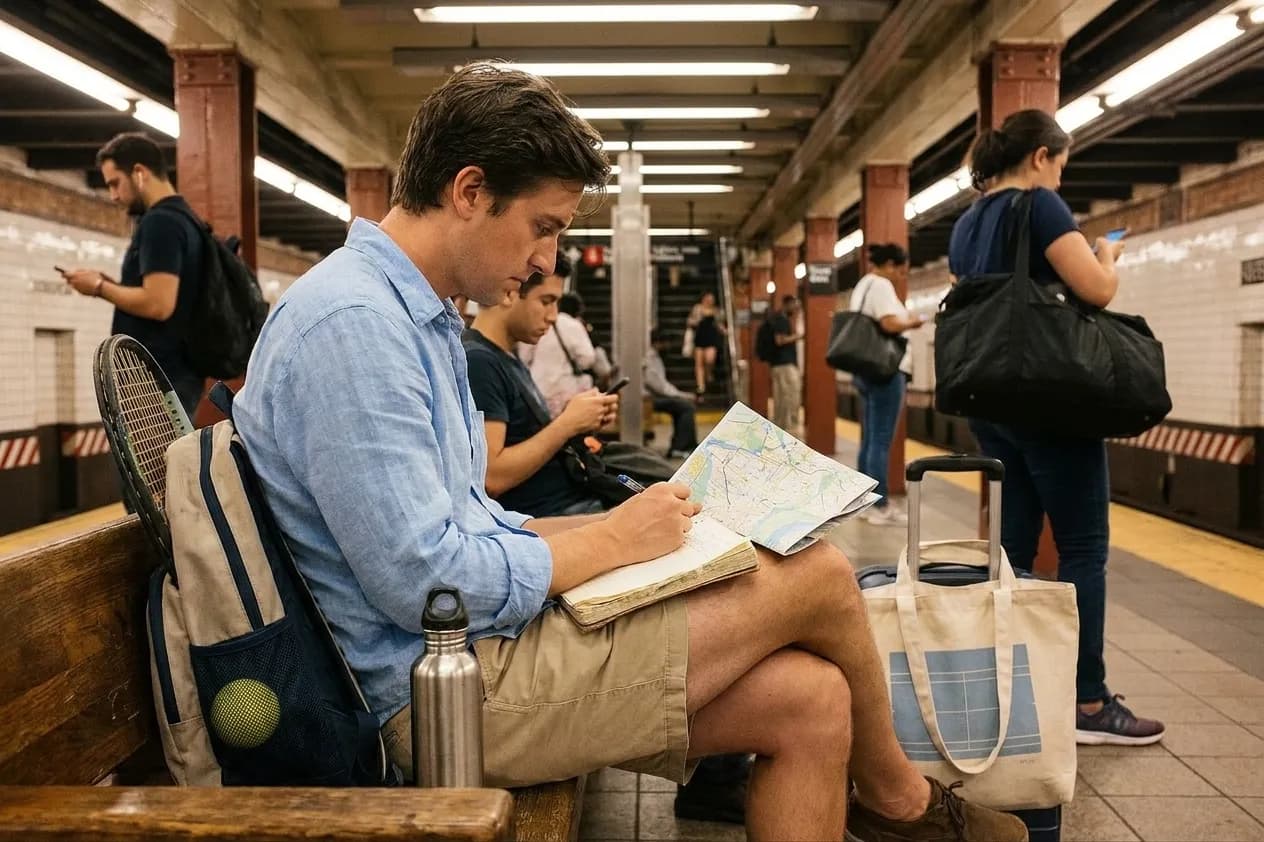
If you arrive early or have a gap between sessions, offline entertainment options abound. Load a podcast, audiobook, or playlist onto your device before you leave home, so you can listen while you walk the grounds or wait in line for food. Bring a paperback or e-reader loaded with a few titles—Queens Public Library cardholders can borrow e-books in advance, and a fully charged e-reader lasts days, not hours. If you're traveling with kids, download a few games or drawing apps that don't require an internet connection. The US Open grounds offer plenty of shaded seating areas and lawn space where you can relax between matches without needing to stream, scroll, or refresh.
What to Check Before You Go
Even the best offline plan benefits from a final online check. A day or two before your visit, confirm your session schedule on usopen.org, review the prohibited-items list to avoid surprises at security, and check the MTA service status for any planned work on the 7 line. If you're staying in Astoria or Long Island City, map your walking route to the nearest subway stop and note any alternate lines in case of delays. Download or an offline copy the official transportation directions from usopen.org, which include details on LIRR and bus options. If rain is forecast, pack a poncho—umbrellas are prohibited inside the grounds—and consider a waterproof case for your phone. With these basics covered, you'll be ready to enjoy the tournament whether your connection is blazing fast or completely offline.
Practical Notes for Offline US Open Days
- Charge your phone to full and pack a portable battery before leaving your hotel or apartment.
- Download the US Open app, MTA subway maps, and your session schedule while you still have Wi-Fi.
- save offline copies of your meeting spot, return transit route, and any restaurant reservations in Flushing or Long Island City.
- Clear phone storage and close background apps to maximize battery life and photo capacity.
- Bring a paper map of Flushing Meadows Corona Park if you plan to explore the Queens Museum or Citi Field afterward.
- Load offline entertainment—podcasts, e-books, playlists, or games—before you arrive.
- Set your phone to low-power or airplane mode during matches to conserve battery and stay focused.
- Check usopen.org and new.mta.info the day before your visit for schedule updates and transit alerts.
US Open, Billie Jean King National Tennis Center, Arthur Ashe Stadium, Flushing Meadows Corona Park, Unisphere, Queens Museum, New York Hall of Science, Citi Field, MTA, LIRR, and all event names, venue names, and transit brands are trademarks of their respective owners. This article is editorial content and is not affiliated with, endorsed by, or sponsored by the USTA, the US Open, the MTA, or any other organization mentioned.
Ask Karpo First
Tags: #USOpen2026 #Queens #FlushingMeadows #KarpoFinds #Karpo #xboxoutage #NewYorkLocal #TennisTravel #NYCLocalLife #TennisTravel
Sources consulted: usopen.org — Official event schedule · usopen.org — Official visitor A-Z guide · usopen.org — Official transportation directions · usopen.org — Official prohibited-items guide · Queens Public Library · MTA — Service status
All trademarks are the property of their respective owners.
Ask Karpo first
Want to know what is actually open, how to time the trip, and where to pause around Queens? Ask Karpo for the latest public US Open context, a respectful visitor plan, and a live route around Flushing Meadows before you head out.