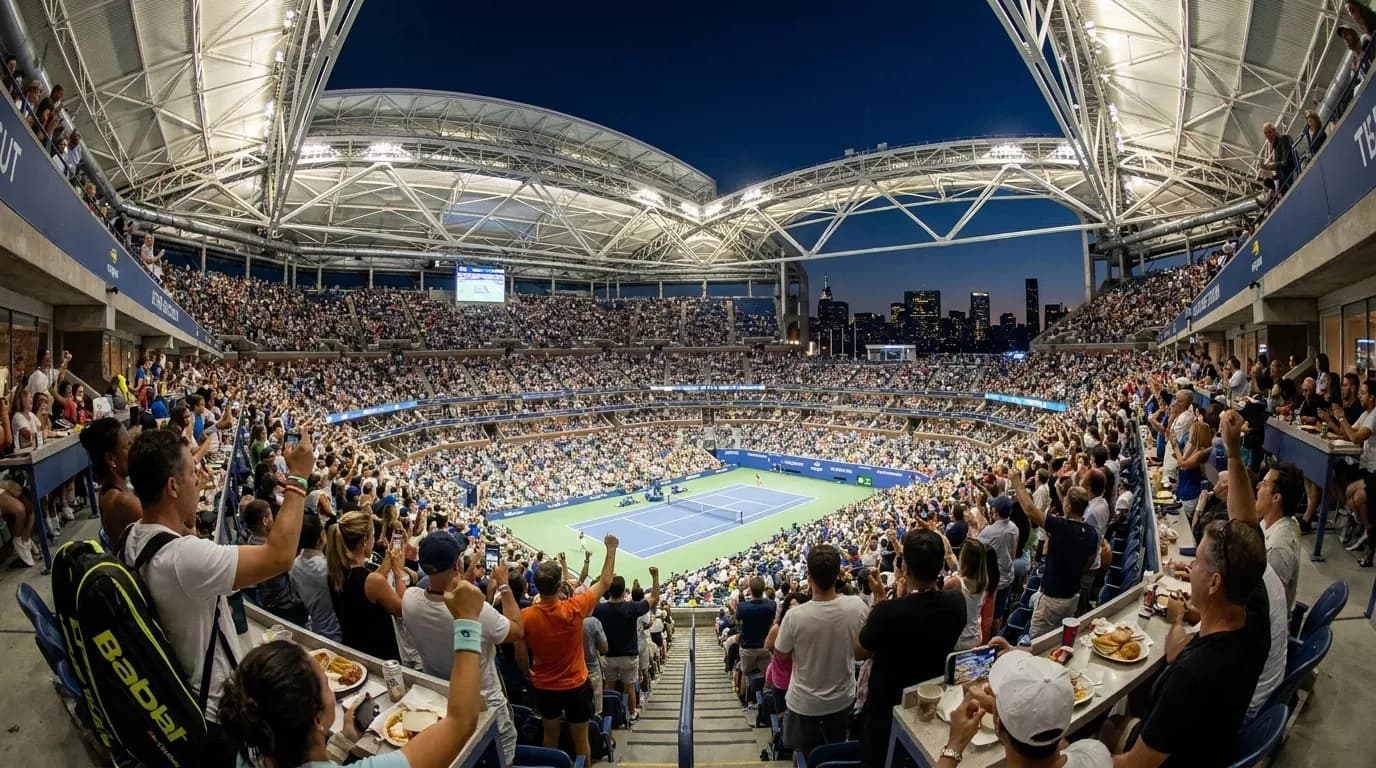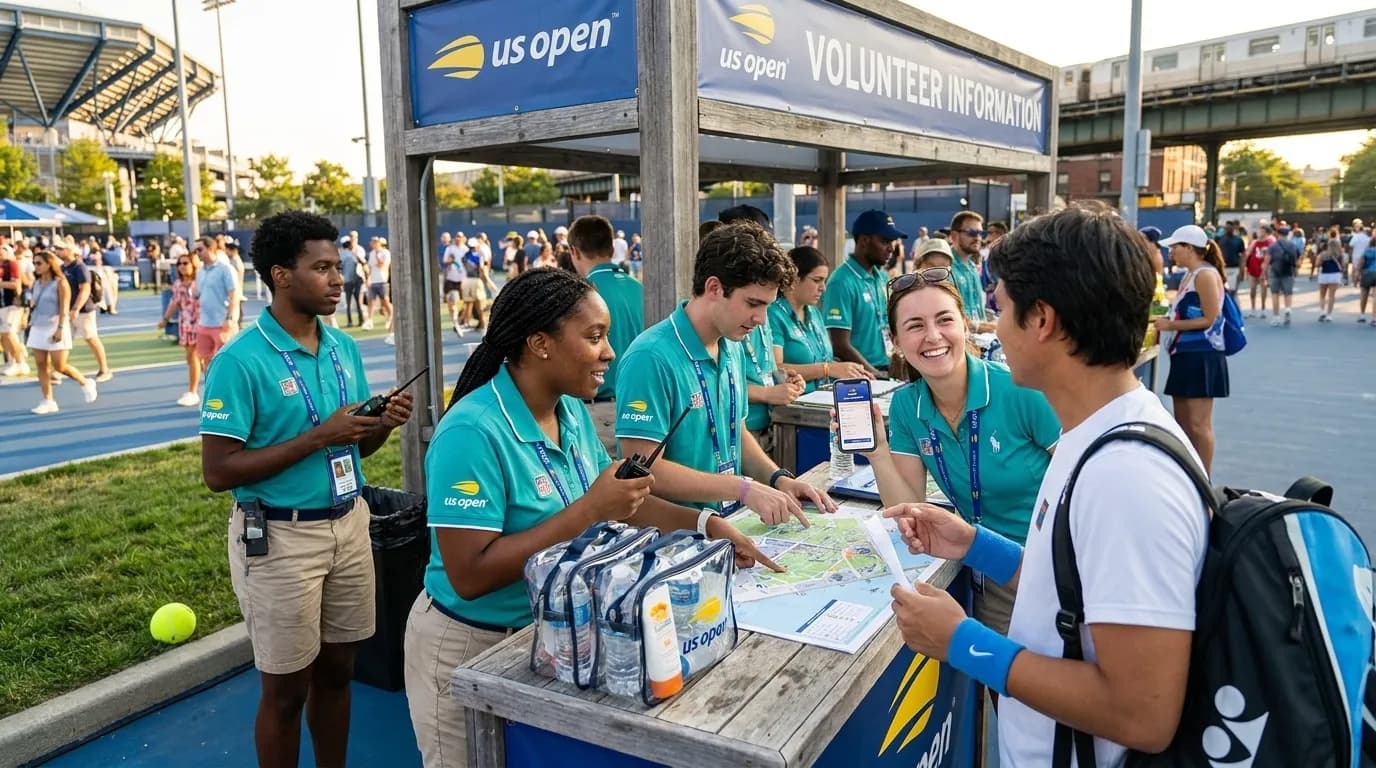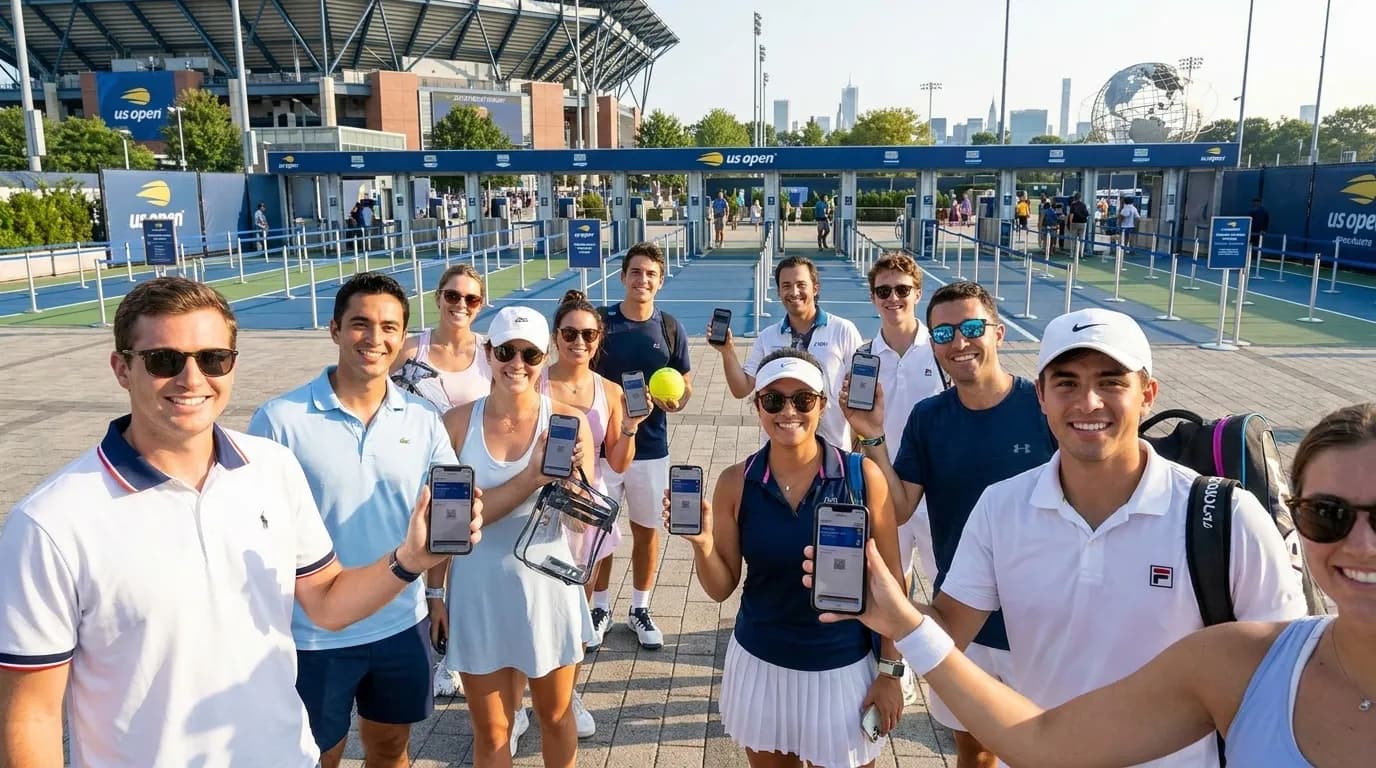
If you are visiting the 2026 US Open, treat the day less like a casual stop and more like a major-event operation. The official tournament calendar runs August 23 through September 13, with singles main-draw play scheduled to begin August 30, but your smoothest choices will depend on the specific session, gate information, weather, transportation updates, and venue rules posted close to your visit. The most useful lesson from a World Cup final crowd is simple: bottlenecks are predictable even when the exact timing is not. Decide how you will arrive, where you will pause, how you will refill or replace fluids, and where your group will reconnect before you are standing shoulder to shoulder with thousands of other people trying to make the same choices at once.
Text Karpo for a crowd-smart arrival and exit plan customized to your US Open session.

Arrive for the Crowd You Expect, Not the Seat You Bought
At large finals, experienced fans do not aim only for the opening whistle. They aim for the security line, the concourse, the bathroom queue, the food decision, and the walk to the seat. The same thinking helps in Flushing. A ticket or session plan may tell you when tennis is scheduled, but it does not automatically solve the time needed to reach the grounds, clear entry, orient yourself, and make first decisions inside.
Before you leave, check the official US Open schedule and visit information for that date rather than relying on a saved screenshot or a friend’s memory from a previous year. Gate times, match order, practice opportunities, player fields, and service availability can shift. If you are bringing someone who moves slowly, visiting with children, or trying to see a particular early match, build in more margin than feels necessary. Crowds are least forgiving when everyone is trying to be precisely on time.
A useful rule from stadium travel is to make your first goal modest: get to the venue area with options still available. That may mean planning an earlier train, allowing time for a longer walk from transit, or accepting that the first 20 minutes on site are for orientation rather than consumption. The reward is not just punctuality; it is calmer decision-making.
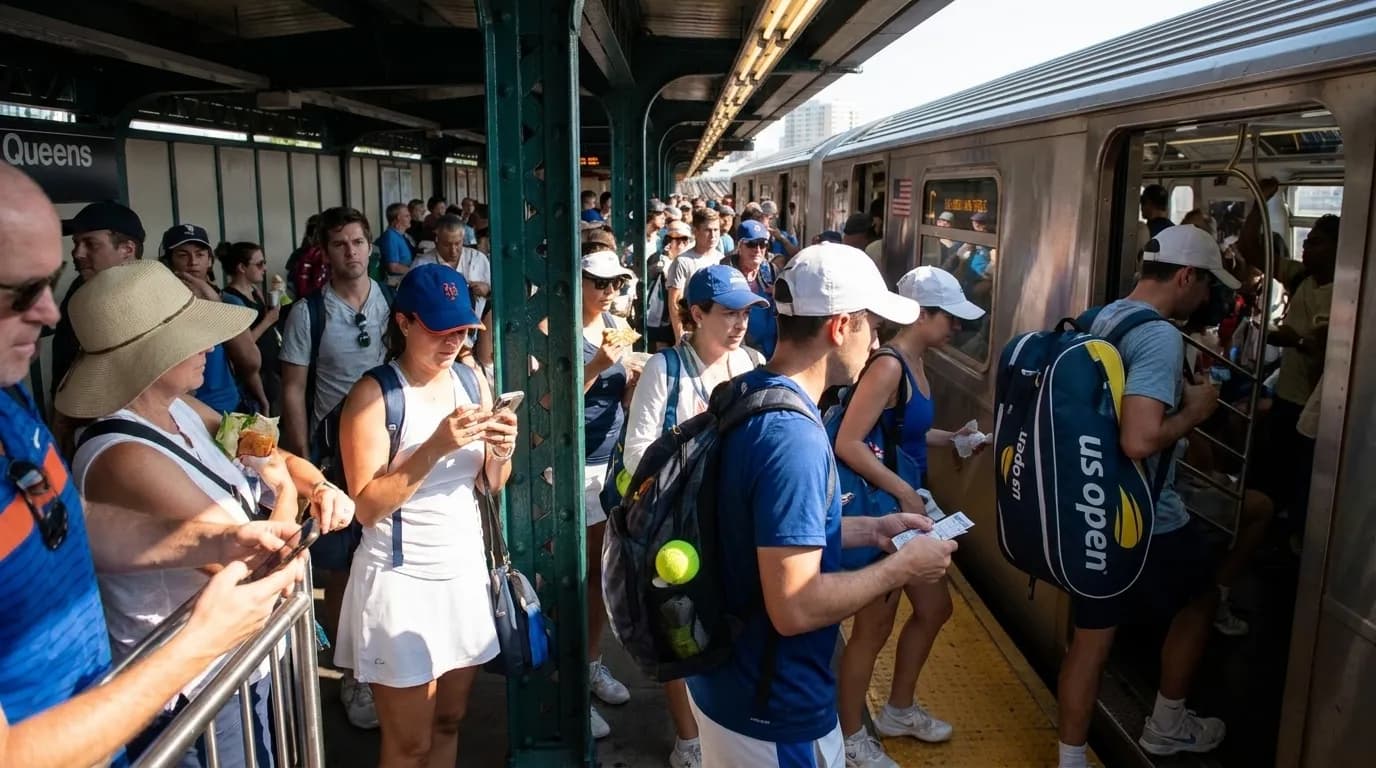
Use Transit Like a Release Valve
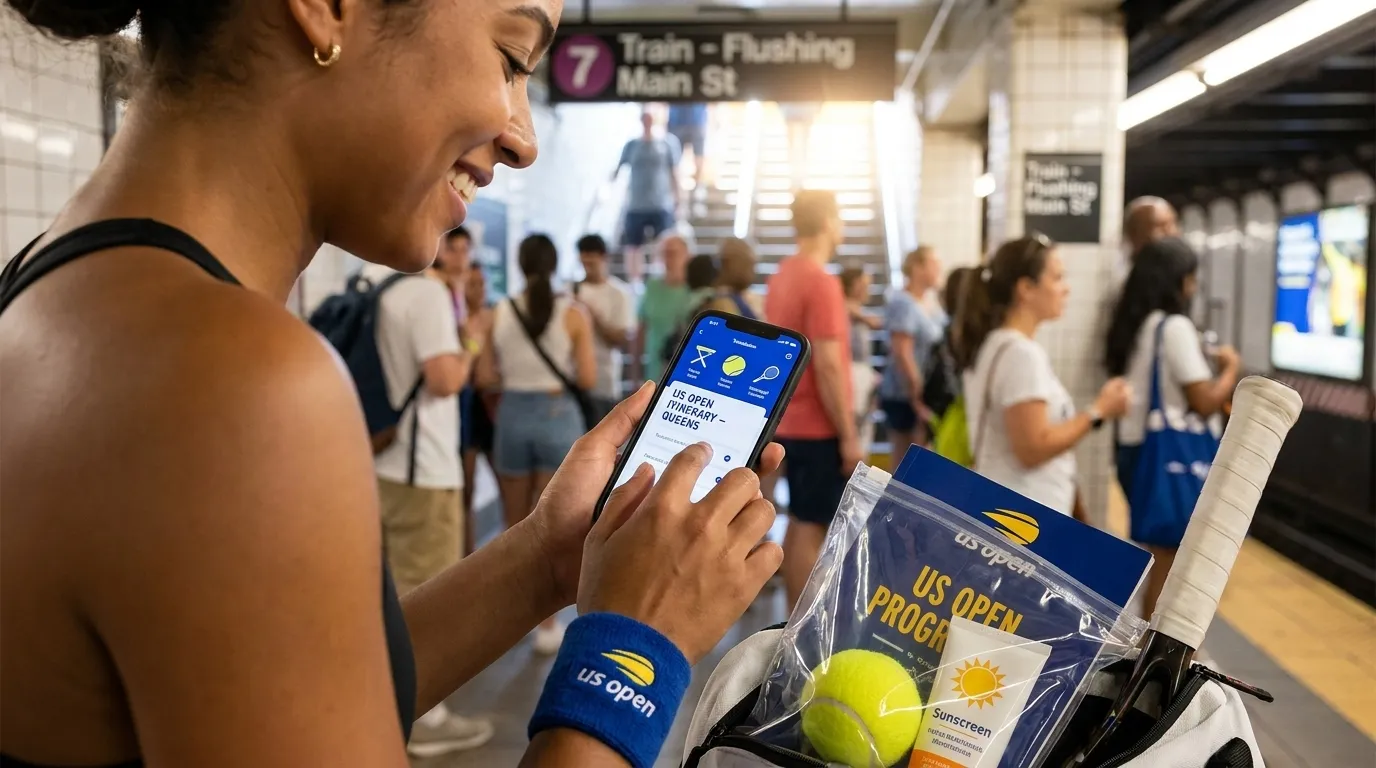
Big-event crowds move best when people avoid all choosing the same door at the same minute. For the US Open, the official transportation pages and the MTA’s US Open guidance are the places to recheck route options, service advisories, and station information close to travel. Many visitors consider public transit because it can reduce the uncertainty of traffic and parking, but transit is still a crowd system. Platforms, stairs, fare areas, and pedestrian paths can all become pinch points after a popular session or late finish.
Think in terms of fallback choices rather than a single perfect itinerary. If you plan to use the subway or Long Island Rail Road, confirm the current service pattern before leaving and again before exiting the venue, especially if weather or late matches may affect your timing. If you plan to drive or use a ride service, be realistic about post-event congestion and pickup confusion. The lesson from any final is that the nearest exit is not always the fastest way home.
- Screenshot your route, but also know how to refresh it if service changes.
- Pick a post-session decision point: leave immediately, linger briefly, or wait for the first wave to pass.
- If your group may split, agree whether everyone is using the same mode home or meeting later elsewhere.
- Do not count on being able to solve transportation details by voice call in a dense crowd; text usually gives you a calmer record.
Hydration Is a Timing Problem, Not Just a Bottle Problem
The most avoidable discomfort at summer events often begins before arrival. Queens in late August and early September can be warm, humid, sunny, rainy, or all of those in the same day, and the US Open’s outdoor movement between courts and services makes weather planning practical rather than cosmetic. Check the forecast shortly before leaving and review the official A-to-Z and prohibited-items information for what containers and items are currently allowed.
A World Cup final crowd teaches that hydration fails when everyone waits for the same break. At a tennis event, changeovers, match endings, and session transitions can all send people toward concessions and restrooms. If you know you need water, shade, or a bathroom, act before the obvious rush. Drink earlier in the day, not only after you feel depleted. If refill options are available during your visit, use quieter moments rather than waiting until a heat-heavy afternoon peak.
Also balance hydration with mobility. Overpacking drinks or gear can slow you down, and venue rules matter more than habit. The better approach is to bring only what the official rules allow, know where you might resupply once inside, and take short recovery pauses before your group becomes tired, irritable, or separated.
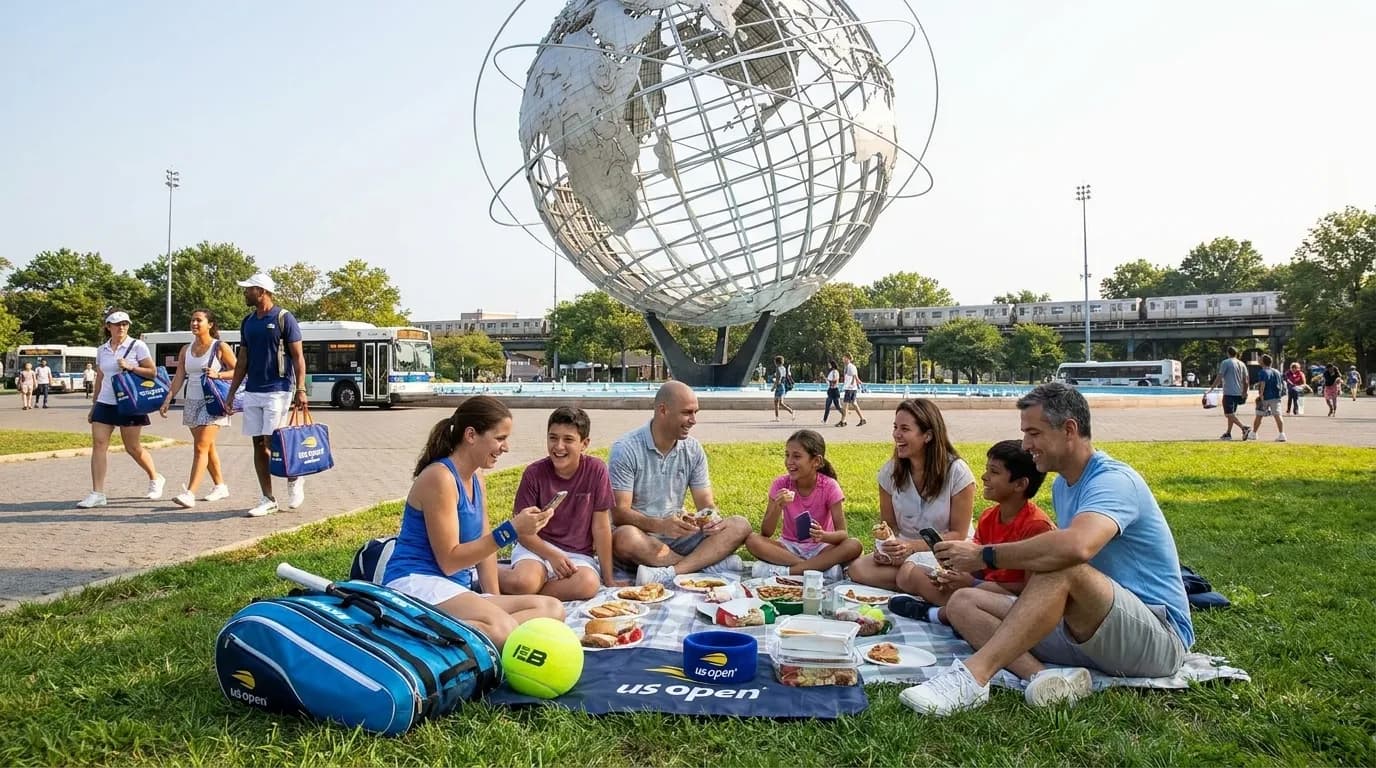
Choose Meetup Points That Survive a Phone Problem
In a packed stadium, “meet me by the entrance” is not a plan. Entrances have multiple sides, flows change, and the landmark that seemed obvious when you arrived can be invisible when the crowd thickens. The same applies at a multi-court tennis venue. A good meetup point is specific, visible, allowed, and not directly in the path of people trying to enter, exit, buy food, or use restrooms.
Before you split up, set two details: a place and a time. “Ten minutes after the match ends at the same side of the court where we entered” is better than “afterward outside.” If you are with children, older relatives, or friends who are not comfortable navigating crowds, choose fewer splits and more frequent check-ins. If your phones lose signal, batteries run low, or notifications lag, the old-fashioned agreement becomes the plan.
Avoid choosing emergency-sensitive locations such as security lanes, stair bottoms, narrow gates, or restroom entrances. Besides being stressful, those spots can obstruct staff and other guests. The best meetup point is slightly away from pressure: close enough to find, far enough not to be swept along.
Exit Strategy: Leave Fast, Leave Late, or Leave in Layers
The end of a major final is when crowd theory becomes visible. People stand, film, call, gather bags, search for companions, and head for the same corridors. Tennis has its own version: a show-court match ends, a session turns over, weather interrupts play, or a late-night finish sends tired visitors toward transit and rides at once. You cannot control that wave, but you can decide whether to ride it.
There are three sensible exit styles. The fast exit means packing before the final game or tiebreak appears likely to end and moving with purpose once it is appropriate to leave. The late exit means accepting extra time on site so the first wave clears, assuming the venue and transportation situation still make that practical. The layered exit means part of your group leaves earlier while others stay, which only works if everyone has tickets, transit plans, and meetup details handled independently.
Do not let the final point be the first moment you discuss the way home. If weather is building, someone is exhausted, or a child has reached their limit, the elegant plan may be the earlier plan. Big-event veterans know that a graceful exit often beats squeezing every possible minute from the day.
Pack for Inspection, Walking, and Weather
Crowd habits are not only about movement; they are also about friction. Every extra pocket, questionable item, or bulky object can slow entry and make the day harder. Review the official prohibited-items page before packing, because venue rules can change and enforcement details matter. If an item is not clearly allowed or not worth losing time over, leave it behind.
Pack as if you will carry everything longer than expected. Comfortable shoes, sun protection that complies with current rules, a weather layer if the forecast suggests it, and a charged phone are more useful than a bag full of maybes. If you use a mobile ticket, make sure the people who need access can reach it without depending on one phone that might lose battery. If you bring a power bank, confirm it fits current venue rules before assuming it is acceptable.
The best bag is the one that clears easily, fits the day’s rules, and does not turn every food stop or bathroom break into a repacking exercise. Think like a finalist’s fan entering a security perimeter: less drama at the gate usually means more energy for the event.
Practical Notes
- Recheck the official US Open event schedule for your date, especially if you care about main-draw timing, specific sessions, or day-to-day order of play.
- Review the US Open A-to-Z guide and prohibited-items page before packing; do not rely on last year’s bag routine.
- Use the official transportation directions and the MTA’s US Open guidance to confirm current subway, rail, walking, parking, or pickup considerations.
- Choose an arrival window that includes security, walking, bathrooms, food or water decisions, and finding your seat or court.
- Set a meetup point that is specific and away from gates, stairs, restrooms, and heavy traffic lanes.
- Discuss your exit style before the final match or session moment: fast, late, or layered.
- Check the weather close to departure and adjust clothing, sun protection, and hydration plans within current venue rules.
The larger lesson is restraint. A successful US Open visit is not built on predicting every crowd movement; it is built on leaving yourself enough room to respond. Verify the primary details close to travel, make the few decisions that matter before you are swept into the busiest flows, and let the tennis, not the logistics, take up the best part of your attention.
Tags: #USOpen2026 #Tennis #NewYork #Queens #FlushingMeadows #KarpoFinds #Karpo #USOpenCrowds #BigEventTravel #FanFlow
Sources consulted: usopen.org — Official reference · usopen.org — Official reference · usopen.org — Official reference · usopen.org — Official reference · new.mta.info — Official reference
All trademarks are the property of their respective owners.
Ask Karpo first
Ask Karpo to build a simple meetup, restroom, food, and subway strategy before your tennis day gets busy.