If wolverine ps5 brought you here, do not overread it: the useful Miami move is a public, free day built around places you can reach, verify, and leave if the crowd or weather turns. Greater Miami & Miami Beach presents the city through beaches, arts and culture, outdoor activities, and welcoming neighborhoods, while Miami-Dade Transit tells riders to plan trips, read alerts, and track buses and trains in real time. That is enough to shape a sensible outing. Start with one anchor, add a second stop only if access still looks clean, and keep a transit backup ready. In Miami, free works best when you treat it as a sequence of checks, not as a promise.
Want a cleaner Miami free-day plan built around transit, weather, and a backup stop that still works if the crowd turns rough? Text Karpo for a fast, public-access checklist before you go.

Turn current interest into a genuinely free outing
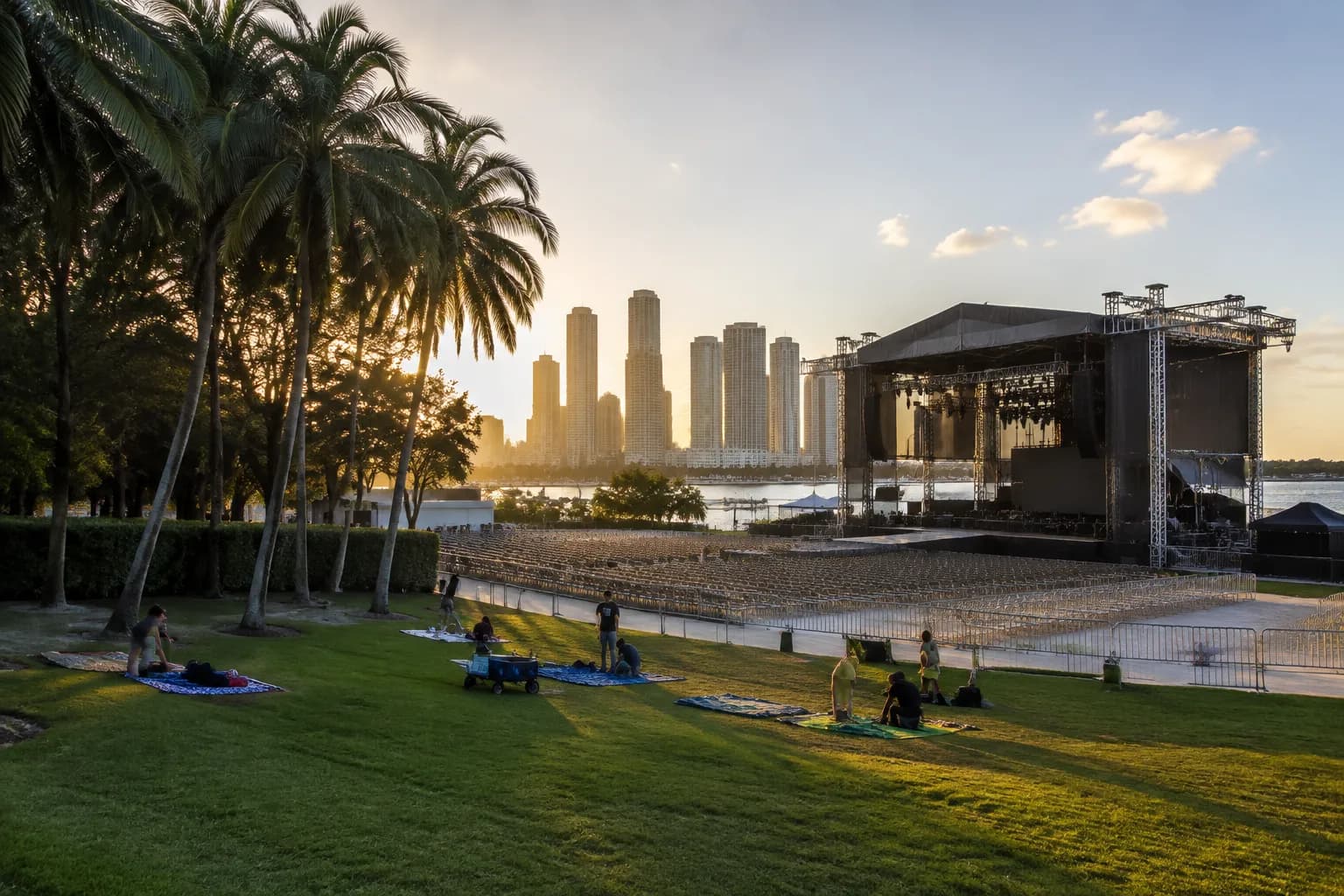
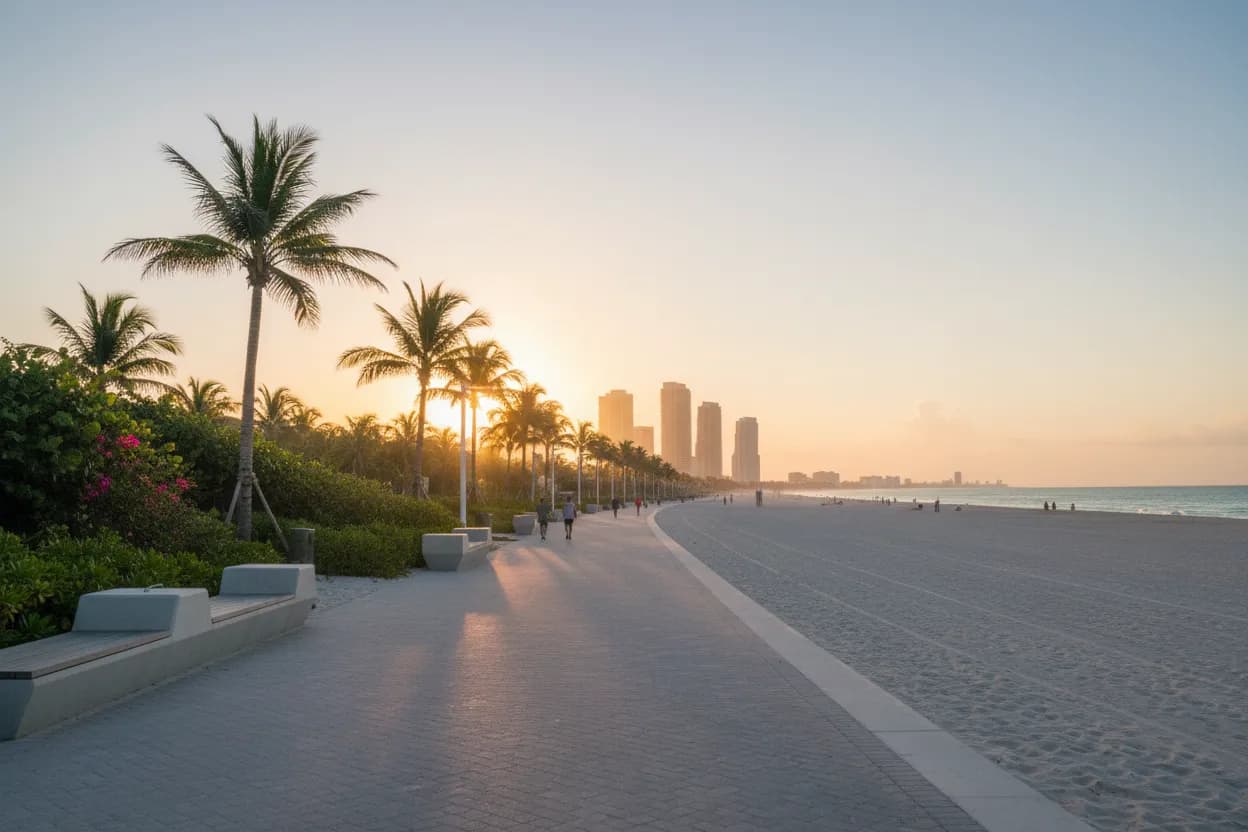
A search like wolverine ps5 can be a useful nudge, but the right local response is not to chase hype. In Miami, the safest free plan is to anchor yourself in public places the city already foregrounds: beaches, waterfront parks, cultural corridors, and open-air districts. The official Visit Miami site highlights live webcams at places such as Bayfront Park, Calle Ocho, Lincoln Road, Ocean Drive, 1st Street Beach, 21st Street Beach, Virginia Key Beach Park, and Wynwood Walls. That does not mean every stop fits every day, but it does mean you can choose from public-facing areas without relying on a ticketed promise.
Treat those names as orientation points, not as guarantees of an experience. If your goal is a no-spend day, the first question is whether the place is publicly accessible and easy to leave if it gets too hot, too crowded, or too noisy. The official city site also frames Miami around outdoor activities and arts and culture, which is useful precisely because it keeps the outing flexible. You are not trying to solve the whole city. You are trying to build one good loop that still feels worth the trip.
Start with public access rather than a promoted event
The official site currently surfaces August events, summer highlights, and featured listings, but a free outing should begin with public access, not with a program page. A promoted event can be a great choice if you already know it is open to you; it is a poor foundation if your only goal is to spend nothing and avoid uncertainty. Start instead with public spaces that do not depend on a reservation, then decide whether a nearby cultural stop makes sense. That is the difference between a practical city plan and a wish list.
Miami-Dade County’s transit page gives you the tools to keep that plan honest. Use the trip planner, rider alerts, and transit tracker before you leave, and check the GO Miami-Dade Transit mobile app if you need live updates. The county also flags accessible transit services and elevator and escalator status, which matters if your route depends on a station entrance or a transfer point. If you are planning for Saturday, Aug. 15, verify the Metromover note: service is set to begin at 2 p.m. that day while upgrades continue. That kind of detail can change the shape of the whole outing.
Build a short route around one strong anchor
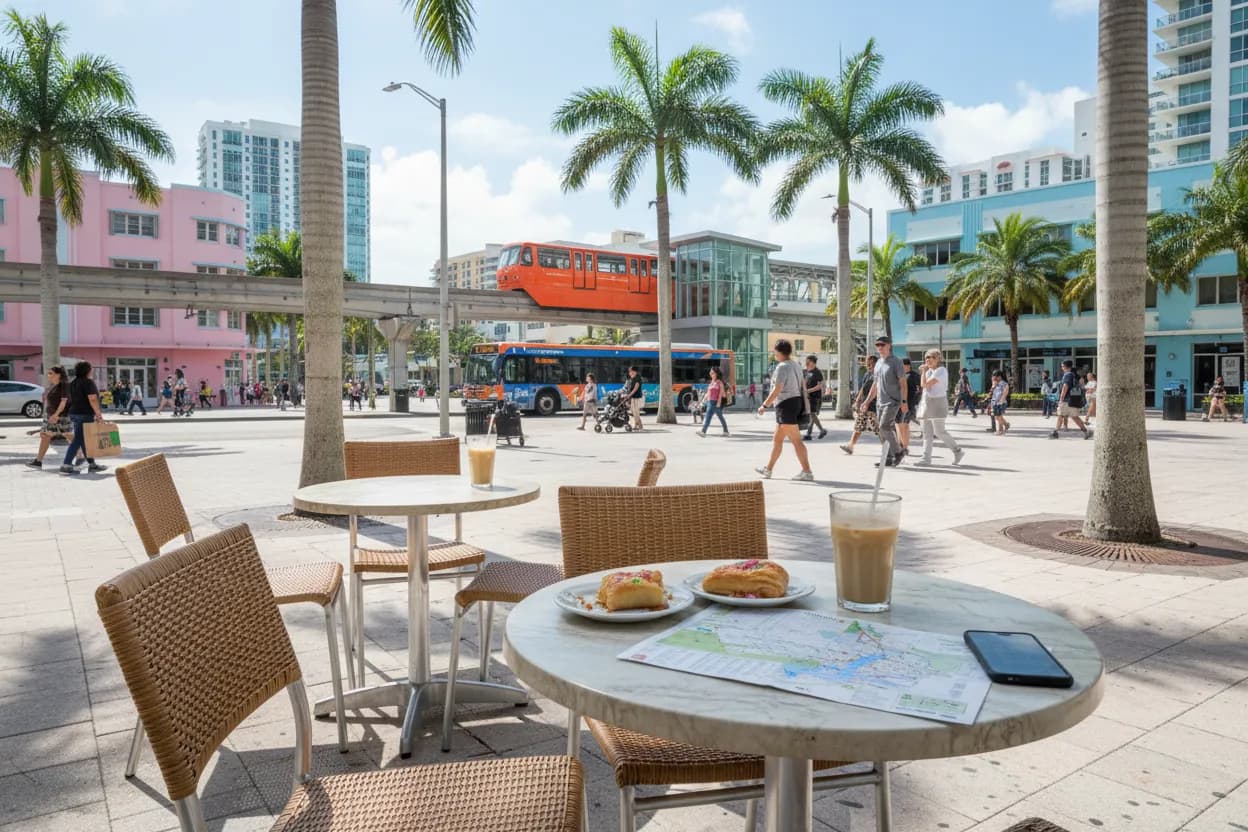
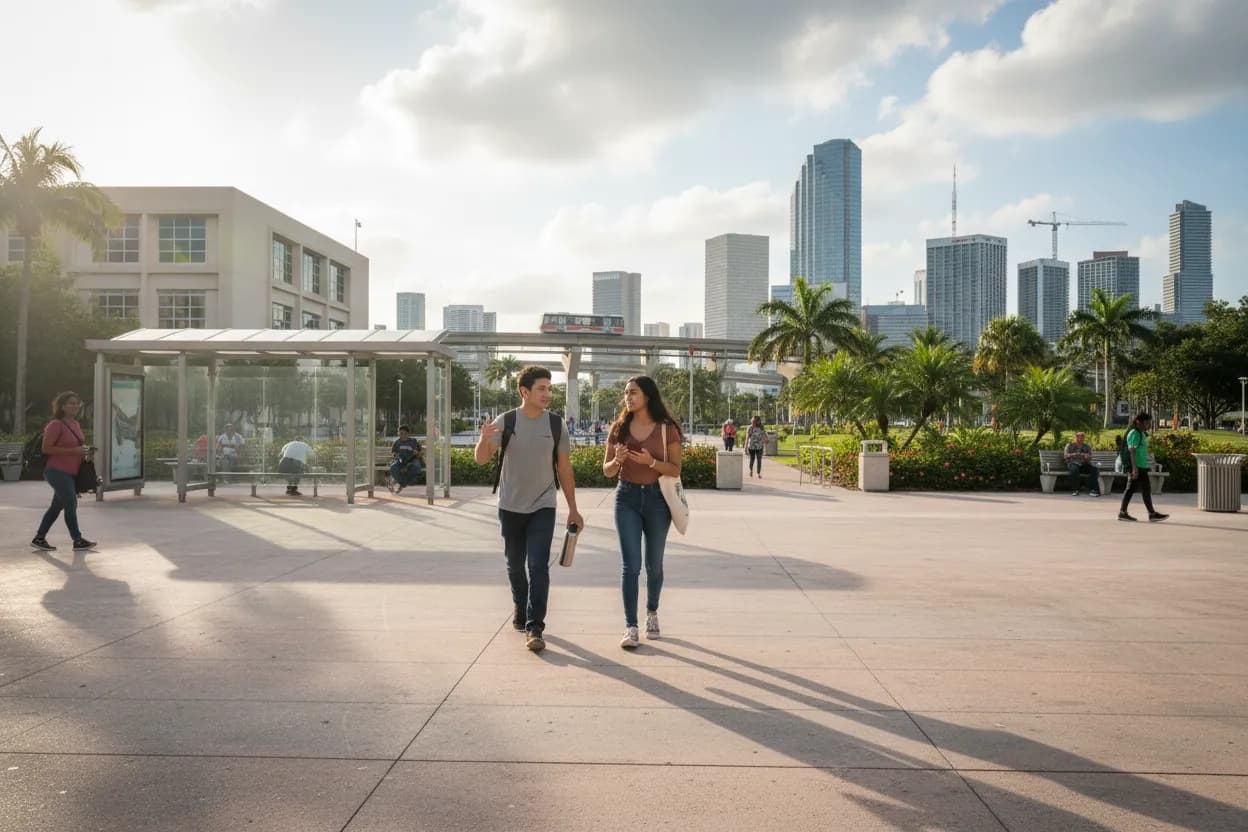
A free Miami day works better when you commit to one anchor and one backup, not five stops and a vague sense of optimism. Downtown is a good place to keep the first anchor because Bayfront Park appears on the official webcam list and because Metromover gives you a public-transit way to stay mobile without adding cost. From there, you can stay in the immediate downtown area, pause for a waterfront walk, or pivot to another public-facing district if the first stop feels too exposed or too crowded.
If you want a culture-forward version, make Calle Ocho your second-name checkpoint and keep Lincoln Road, Ocean Drive, or Wynwood Walls in reserve only if the day still feels manageable. The point is not to cover every famous Miami label. It is to give yourself a route that can be shortened without becoming pointless. A short, well-checked loop beats a grand plan that collapses before noon.
Use weather and crowd pressure as decision points
Miami’s outdoor appeal is real, but August is not the month to pretend the city is operating on your ideal schedule. If the sidewalks feel overloaded, the sun is punishing, or the sky looks unstable, shrink the plan instead of forcing it. That may mean spending more time in a transit-linked area and less time trying to string together multiple outdoor stops. It may also mean choosing a place you can exit quickly rather than one that commits you to a long walk with no shade.
Crowd pressure matters just as much as weather. Public spaces feel free only when they still feel usable. If Bayfront Park is too busy, or a beach-facing stop is too hot, shift to a different publicly visible area and keep moving. The Visit Miami webcams are helpful here because they remind you that Miami’s public landscape is broad: waterfront, downtown, beach, and cultural corridor all sit on the same map. A good free day is the one you can adjust before it becomes frustrating.
Know when free still requires registration
Some Miami listings that look casual at first glance are actually timed gatherings, guided sessions, or featured events. That matters because a free public space is different from a free program with rules. Before you go, verify whether the stop you want is simply open to the public or whether it asks for registration, a ticket, or a check-in. If a page makes the access step feel unclear, assume it needs another look rather than a last-minute gamble.
This is especially important when an official page promotes August events or wellness sessions. Those are useful ideas, but they are not the same as an always-open street, park, or beach. Keep your standard high: if the outing depends on a calendar slot, treat it as a separate choice. The cleanest no-spend plan is the one built around public places first and optional programs second.
Recheck access on the day
Do one final check on the morning of the outing. Read the rider alerts, confirm the route in the trip planner, and look at transit service updates before you leave. If your plan depends on Metromover, Metrorail, or a station transfer, verify that the system is running normally and that any elevator or escalator you need is still available. Miami-Dade Transit is explicit about real-time tracking and accessibility status for a reason: small service changes can alter a walk-heavy free day.
Use the same discipline with the destination itself. If the webcam view or the current event page suggests the area is busier than you want, shorten the route or swap in your backup. If the day is still clean, keep moving and do not overbuild it. The best version of a free Miami outing is simple: one anchor, one transit check, one backup stop, and no assumptions that have not been verified.
Tags: #AskKarpo #BeforeYouGo #Miami #FreeThingsToDo #MiamiBeaches #BayfrontPark #CalleOcho #LincolnRoad #WynwoodWalls #Metromover #MiamiDadeTransit #OutdoorActivities #ArtsAndCulture #WolverinePS5
Sources consulted: miamiandbeaches.com · miamidade.gov · miamidade.gov
All trademarks are the property of their respective owners.
Ask Karpo first
Ask Karpo first if you want the shortest no-spend Miami version: one public anchor, one transit check, one backup stop, and no guesswork on access. That is usually better than chasing a flashy listing that may not hold up by arrival.