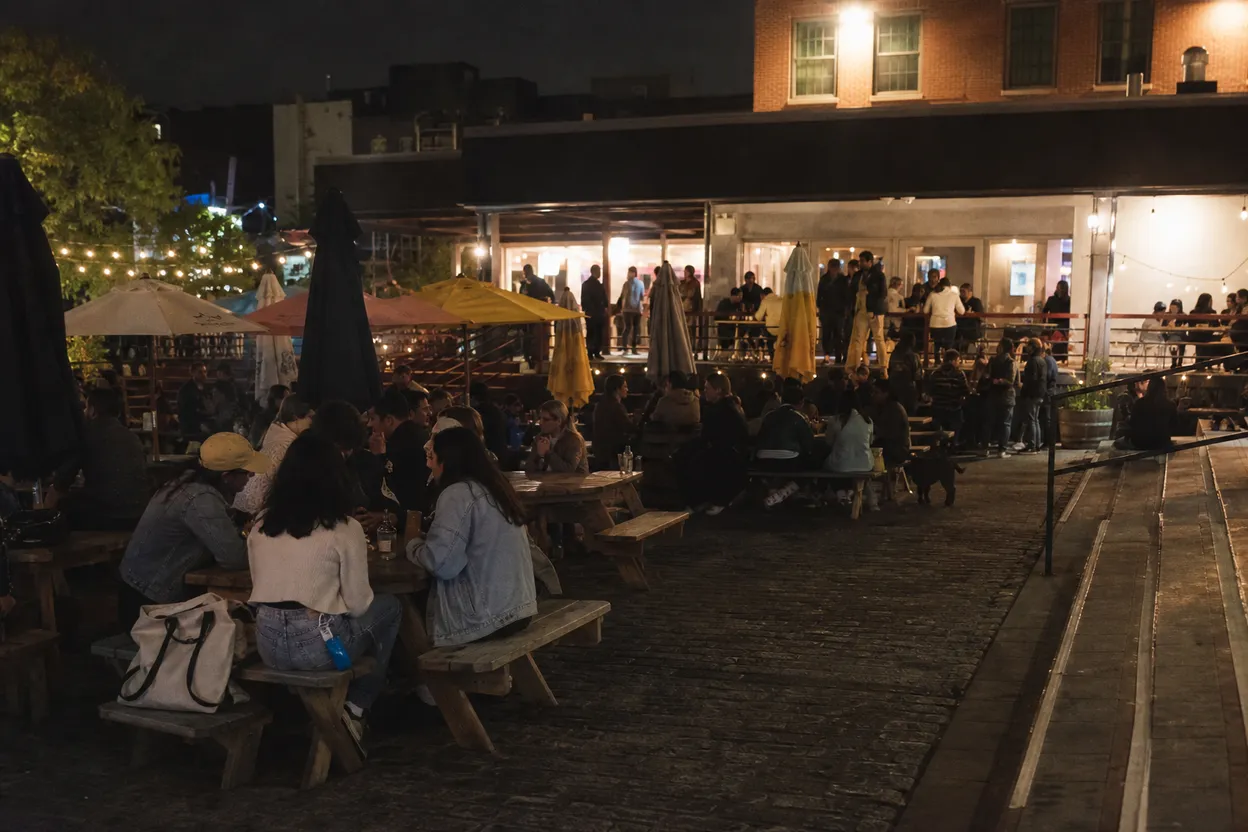
A weekend WNBA doubleheader sounds simple until the group chat splits three ways: Liberty regulars, Fever-curious friends, and people who just want a loud room with food that does not require delicate ordering. Pig Beach BBQ Brooklyn, in Gowanus, fits the imagined solution because barbecue halls are built for big tables, shared trays, and screen scanning. The July 16, 2026 catch is verification. Current reporting clearly points to Pig Beach as a major sports-watch name in NYC, but the Brooklyn/Gowanus operating details, WNBA screen plan, and reservation setup must be confirmed before anyone travels. Treat this as a decision tool, not a blind endorsement.
Want the cleanest version for your group chat? Text Karpo with the game, headcount, mobility needs, and backup neighborhood, then send one confirmed plan instead of twelve maybes.
Confirm The Venue Before The Group Commits
Start with the uncomfortable fact: the Brooklyn-specific Pig Beach details are the first thing to verify on July 16, 2026. Do not rely on old photos, map snippets, or memories of prior Gowanus sports nights. Call or message the venue directly and ask whether the Brooklyn location is operating that evening, whether WNBA games can be shown with sound, and whether your group can reserve or hold a table with sightlines to two screens.
If the answer is vague, downgrade the plan. A watch party lives or dies on the room, not the brand name. Current NYC sports-bar reporting describes Pig Beach as a big-screen sports destination, but it specifically references Queens-level hardware, including many TVs and a large jumbotron. That helps confirm the concept, not the Brooklyn execution. For a split-loyalty WNBA group, the practical move is to make verification the first filter before discussing food.
Match The Doubleheader To The Room
A storm vs sky search spike may pull casual fans into the conversation, but the actual schedule still has to be checked against the WNBA’s live listings on game day. Ask which games will be prioritized, whether a channel package covers both, and whether staff can keep one screen on the second game if a local team, baseball, soccer, or combat-sports card competes for attention. A double-screen plan fails when one feed disappears after tipoff.
For four to six people, the best table is not always the biggest one. You want a rectangle or end-positioned communal table where nobody has to twist for every possession. Put the most invested fan facing the primary screen, casuals along the sides, and the person most likely to track the second game at the angle with the widest view. If the host cannot describe screen placement, arrive early enough to choose rather than inherit leftovers.
Ordering Should Reduce Friction, Not Create It
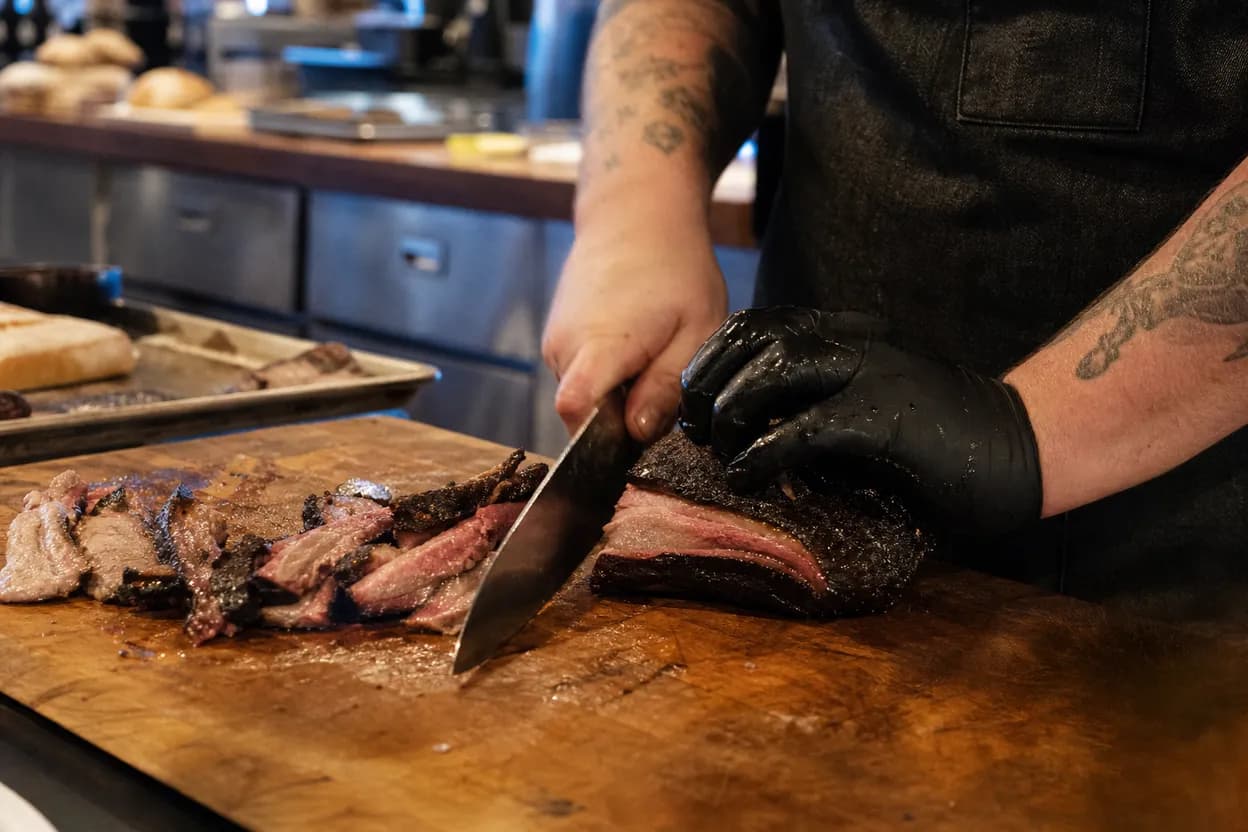
BBQ is useful for mixed WNBA loyalties because the meal can move at game speed. Shared trays, sides, sandwiches, and drinks are easier than a course-by-course dinner when two games overlap. Still, do not invent menu certainty. Before pitching Pig Beach as the answer for everyone, confirm current menu, vegetarian options, allergy procedures, and whether large-format ordering is available during peak sports hours. A hungry group becomes less generous about screen compromises.
The cleanest ordering rhythm is one first-half table order, one halftime reset, and no complicated individual negotiations during the fourth quarter. Decide whether the group is splitting evenly or paying individually before arrival, because counter-service, tabs, QR ordering, and server sections all change the social math. If someone has dietary restrictions, give them first say on the venue. A big hall only solves the one-TV-at-home problem if the food plan does not become the second argument.
Use Weather As A Tiebreaker
The dynamic slice for this plan is a thunderstorm-risk evening, which makes indoor volume more valuable than patio hope. Check the National Weather Service forecast and NYC emergency alerts before leaving, especially if your group is coming from multiple boroughs. If lightning, heavy rain, or transit flooding is in play, stop treating outdoor spillover as usable capacity. The plan should assume everyone needs dry seating, indoor audio, and a reliable exit after the second game.
Storm risk also changes pacing. Build a fifteen-minute arrival buffer for umbrellas, slower trains, rideshare surges, and friends who will not sprint through Gowanus rain. If the venue is packed or the Brooklyn location cannot confirm screens, pivot before people are in motion. A good backup is not “somewhere nearby”; it is a named indoor bar or restaurant with confirmed TVs, WNBA access, and a table policy that can absorb your exact headcount.
Transit And Access Need A Day-Of Check
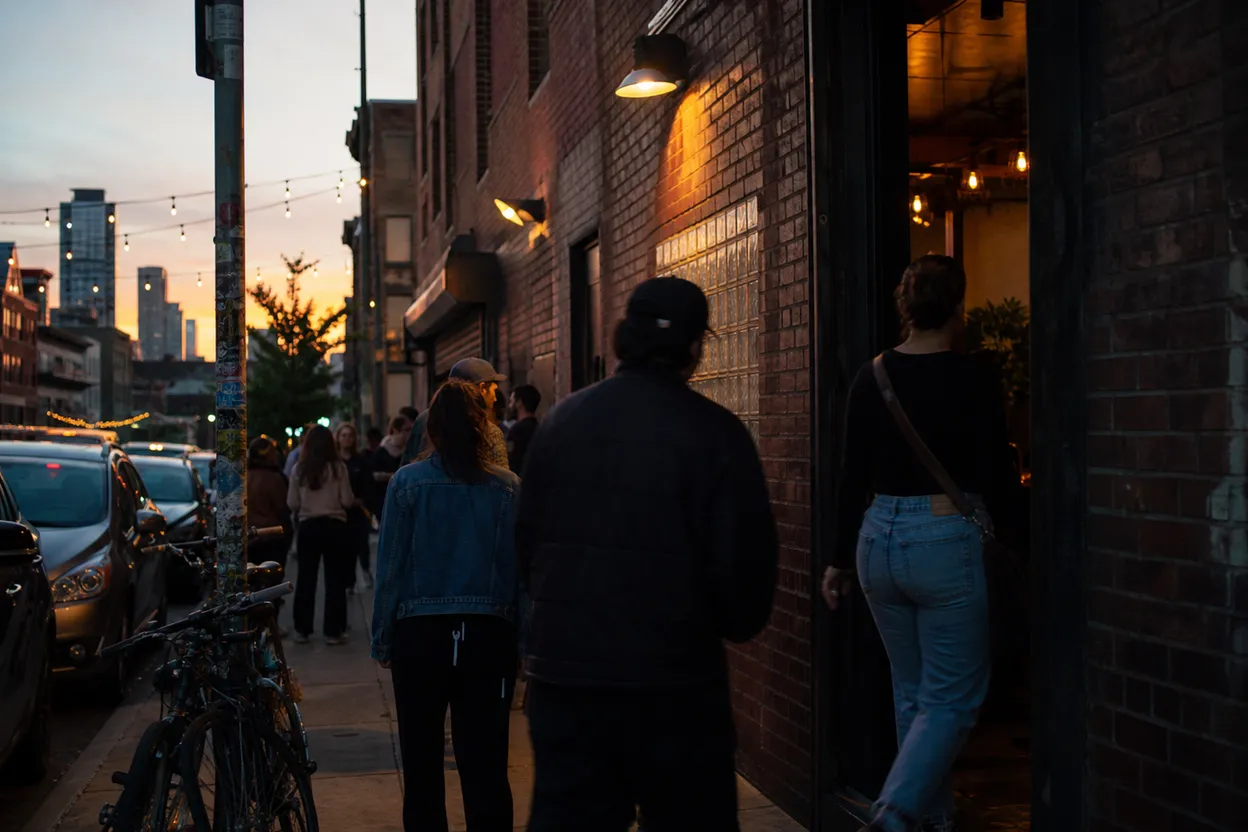
Gowanus is transit-reachable, but accessibility cannot be guessed from a neighborhood name. The nearby Union Street R station has not historically been a simple step-free assumption, so wheelchair users, stroller users, and anyone avoiding stairs should check MTA’s live station accessibility and elevator status before choosing it. Atlantic Avenue-Barclays Center may be a more flexible transfer point, but the last-mile plan still matters in heavy rain and after late tipoffs.
For a group arriving from different teams and boroughs, assign one person to transit reality. That person checks subway service changes, elevator outages, bus options, and whether rideshare pickup after the game will be chaotic. If anyone has mobility needs, call the venue about entrance, restroom access, seating height, crowd density, and whether staff can place the table without squeezing through bar traffic. Accessibility is part of the reservation, not a footnote.
Know The Failure Modes Before Tipoff
The most likely failure is not that the game is bad. It is that the venue is open but not configured for your specific use: one desirable screen, no sound, a private event, a different sport taking priority, a table too far from both feeds, or a kitchen rush that makes halftime ordering impossible. Ask precise questions because “we show sports” is not the same as “we can support a WNBA doubleheader for six.”
The second failure is group drift. Liberty fans may want every possession, Fever fans may ask for another channel, and casual friends may treat the night as dinner with background noise. Set the social contract early: one primary game, one secondary screen, no remote-control lobbying after the first quarter, and a backup location only if the original screen promise breaks. That keeps the room energetic but prevents the night from becoming negotiation-heavy.
What To Verify Before Sending The Invite
Before sending the final invite, confirm five things in writing or by fresh phone call: the Brooklyn/Gowanus location is operating that evening, the WNBA games are available on the venue’s TV package, two screens can be viewed from one table area, sound expectations are understood, and your headcount can be seated without splitting. If any answer is uncertain, tell the group the plan is provisional and name the backup immediately.
Then check the WNBA schedule, team injury or travel news, weather alerts, MTA service status, and the venue’s latest hours within a few hours of arrival. Current reporting on July 16 notes Liberty travel disruption tied to severe weather around a Dallas road game, which is a reminder that sports nights change quickly. The winning plan is not the loudest pitch; it is the one that survives confirmation, rain, screens, food needs, and exits.
Tags: #AskKarpo #BeforeYouGo #KarpoNYC #NYCSEO #NYCNews #WNBA #WNBANyc #PigBeach #Gowanus #Brooklyn #WatchParty #SportsBar #LibertyFans #GroupDinner
All trademarks are the property of their respective owners.
Ask Karpo first
Tell Karpo your date, group size, budget, and starting neighborhood. We’ll check current access, timing, transit, and the cleanest plan for Pig Beach BBQ Brooklyn, Gowanus before you head out.


