 Salad Near Me in Chinatown: Dimes' Grain Bowls and Greens
Coffee & Dessert
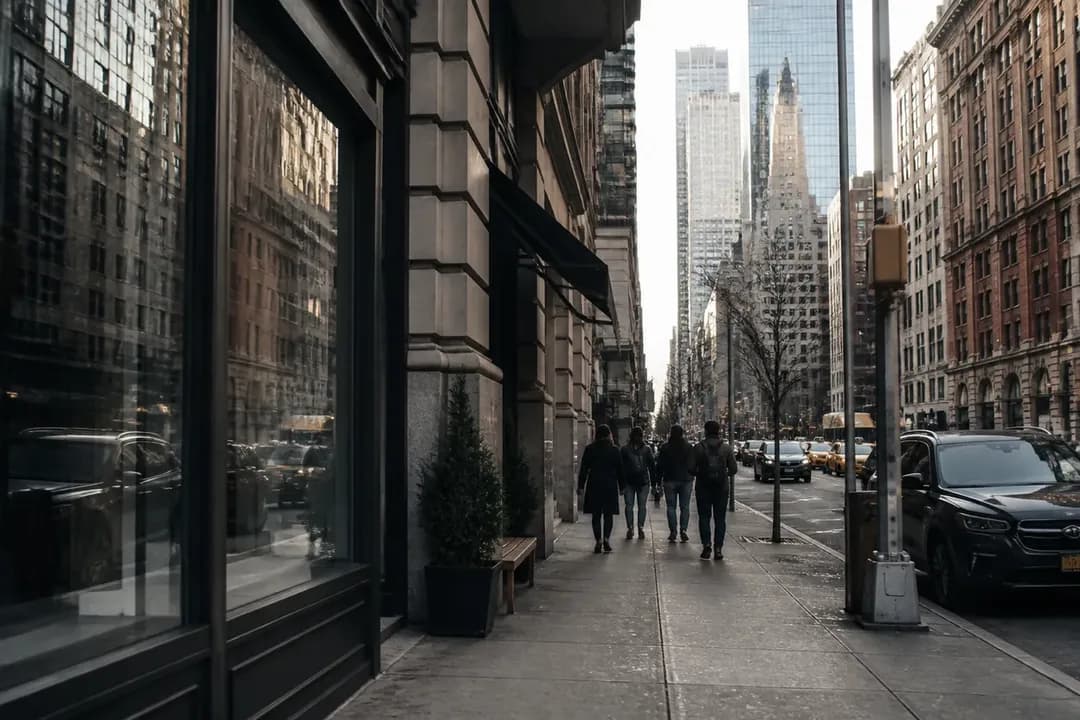
wizards beyond waverly place: A NYC Coffee and Dessert Route
A compact NYC food-plan framework built from official tourism listings, with changing details treated as checks instead of claims.
A phrase can travel faster than a New York plan can hold together, so treat wizards beyond waverly place as a useful nudge rather than a promise. The goal here is not to chase a rumor, camp outside a storefront, or turn a meal into a scavenger hunt. It is to build a compact food-focused route that respects what the official information actually supports. New York City Tourism describes NYC’s food scene as stretching across every borough, with local fare and global flavors tucked throughout the city. Its restaurant directory also shows filters for borough, neighborhood, accessibility, dietary needs, and cuisine. That is enough to build a flexible plan, but not enough to claim current hours, menus, prices, reservations, dessert availability, coffee service, transit timing, or entertainment affiliations. Pick a public, flexible path; verify every changing detail directly before leaving; and keep one nearby backup ready.
Want a quick reality check before you head out? Text Karpo to verify neighborhood sequence, open-hour risks, accessibility filters, weather exposure, and backup dessert options for this exact NYC plan.
Use the topic as a reason for a focused break
The phrase wizards beyond waverly place belongs in this plan as a conversation starter, not a location claim. Nothing in the official extracts confirms a New York appearance, brand partnership, pop-up, screening, cast visit, broadcast access, or dessert tie-in. That distinction matters. NYC rewards curiosity, but it also punishes plans built from vague social posts. If the topic has people texting, searching, or reminiscing, use that momentum to choose a neighborhood and meet for food, without treating the phrase as proof of anything happening at a venue.
Start by choosing the kind of outing the group can actually handle. New York City Tourism’s restaurant listings include neighborhoods such as Soho, Times Square/Theatre District, Herald Square, the Seaport, Midtown East, Flatiron District, Forest Hills, Koreatown, and Midtown West. Those are useful planning anchors, not guarantees about a specific menu or current service. If the group wants a central Midtown base, Herald Square and Times Square/Theatre District appear in the official listings. If the mood is more downtown, Soho and the Seaport appear as options. The careful move is to choose the area first, then confirm the exact venue details through current official channels.
Choose one signature stop rather than a crawl
A food crawl sounds better on a phone than it often feels in the city. Lines, weather, table turnover, group size, and access needs can turn several stops into one rushed meal. Make the first decision simple: choose one main stop, then add a second nearby place only if the first choice still works in real time. The official tourism directory can be filtered by borough, neighborhood, accessibility, dietary needs, and cuisine, so those filters should come before any route becomes fixed.
For a compact path, pick a neighborhood sequence instead of a long checklist. Soho can anchor a downtown-first plan because The Dutch is listed there, serving New American fare with an emphasis on local, seasonal produce and comfort food. Herald Square can work as a central meeting area because Rowland’s Bar & Grill is listed on the lower level at Macy’s Herald Square, serving American gastropub cuisine. Koreatown appears in the listings with Ayza, described as offering 90 fine wines and champagnes from around the world. These are official listing details, not promises about your group’s ideal dessert, coffee, seating, or timing.
Avoid promising a specific pastry, table, drink, price, or reservation outcome unless you have checked the venue directly. The official extract gives examples of restaurants across neighborhoods, but it does not confirm current hours, menus, reservation rules, walk-in rules, wait times, special events, or inventory. That is not a weakness in the plan; it is the reason the plan should stay narrow and easy to adjust.
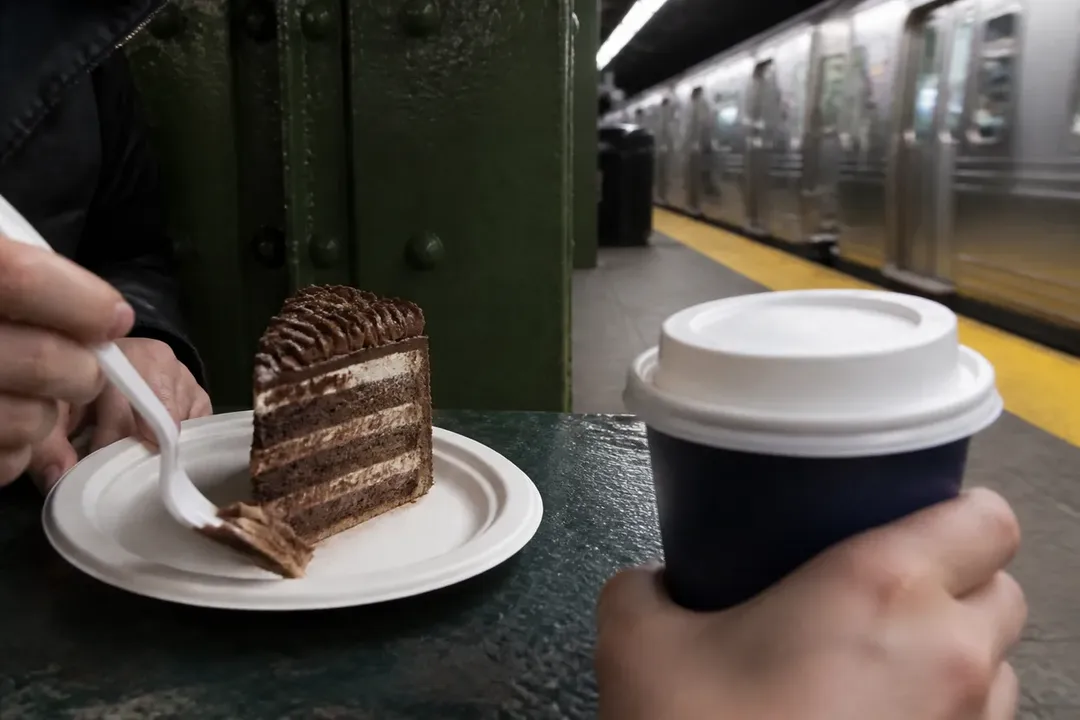
Match seating to the conversation or task
The best NYC food stop depends on what the group is actually doing. A quick catch-up has different needs than a longer conversation, a family outing, a laptop break, or a visit involving luggage or accessibility requirements. New York City Tourism’s directory includes accessibility and dietary needs filters, which are two practical checks to use before anyone travels across town.
Make fit the deciding factor after neighborhood. A venue might sound appealing, but the official extract may only confirm broad listing information. For example, The Terrace and Outdoor Gardens is listed in Times Square/Theatre District and described as a casual, all-day eatery inspired by French brasseries and American chophouses. Rowland’s Bar & Grill is described as having a comfortable, modern atmosphere on the lower level at Macy’s Herald Square. La Pecora Bianca Midtown is described as offering a relaxed, all-day dining experience with approachable Italian food in a stylish and comfortable setting. Those descriptions can help sort the shortlist, but they still do not prove today’s seating availability, access conditions, or whether the venue fits your exact visit.
If the plan is built around a trending entertainment phrase, keep the tone normal once you arrive. Staff are not part of the trend unless the venue says so through its own official channels. Order within the venue’s rules, sit where permitted, and move on if the space is not suited to your group.
Keep the route short and weather-aware
A strong route in New York is usually shorter than the fantasy version. Choose one borough zone, one main stop, and one backup in the same general area. New York City Tourism presents food options across every borough, but this plan works best when you resist turning a short break into a citywide itinerary. The city has too many listed choices to spend the whole outing moving between them.
For Midtown, a loose planning cluster can use neighborhoods that appear in the official listings, including Herald Square, Koreatown, Midtown East, Midtown West, and Times Square/Theatre District. For downtown, Soho and the Seaport appear in the listed examples. This does not establish walking distances, subway timing, traffic conditions, or service status. The provided MTA extract says access was denied and supplies no usable transit schedule or service details, so transit should be checked from an official source at the time of departure.
Weather should change the plan, even though the extracts do not provide a forecast. Rain favors fewer crossings and a shorter backup plan. Heat favors less walking and less waiting outside. Cold makes a second stop less attractive unless it is nearby. Build the plan around the least flexible person in the group, because a food outing works only if the route still makes sense for everyone present.
Save a second dessert for long waits
The backup is not a bonus; it is the pressure valve. Decide in advance what makes you switch: a line that looks too long, unclear entry, no suitable seating, a sold-out item, weather exposure, or a mismatch with accessibility or dietary needs. Since the official extracts do not provide current wait times, menus, inventory, prices, or reservation policies, any plan that assumes smooth availability is adding facts the sources do not support.
Use the city’s density carefully. If the first choice is in Soho, keep the second choice in Soho. If you choose Koreatown, stay in Koreatown. If you choose Herald Square or Times Square/Theatre District, avoid drifting so far that the backup becomes a separate trip. The actionable detail supported by the tourism extract is the directory structure itself: search by neighborhood, then apply accessibility, dietary needs, and cuisine filters before committing.
A second stop should have a different job. If the first stop is meant for a longer meal, the second can be a shorter takeaway-style option only if confirmed directly. If the first stop is crowded but still important to the group, the second should be calmer. If the plan started because wizards beyond waverly place was in everyone’s messages, let the backup be where the conversation continues without needing an unsupported event or affiliation to make the outing worthwhile.
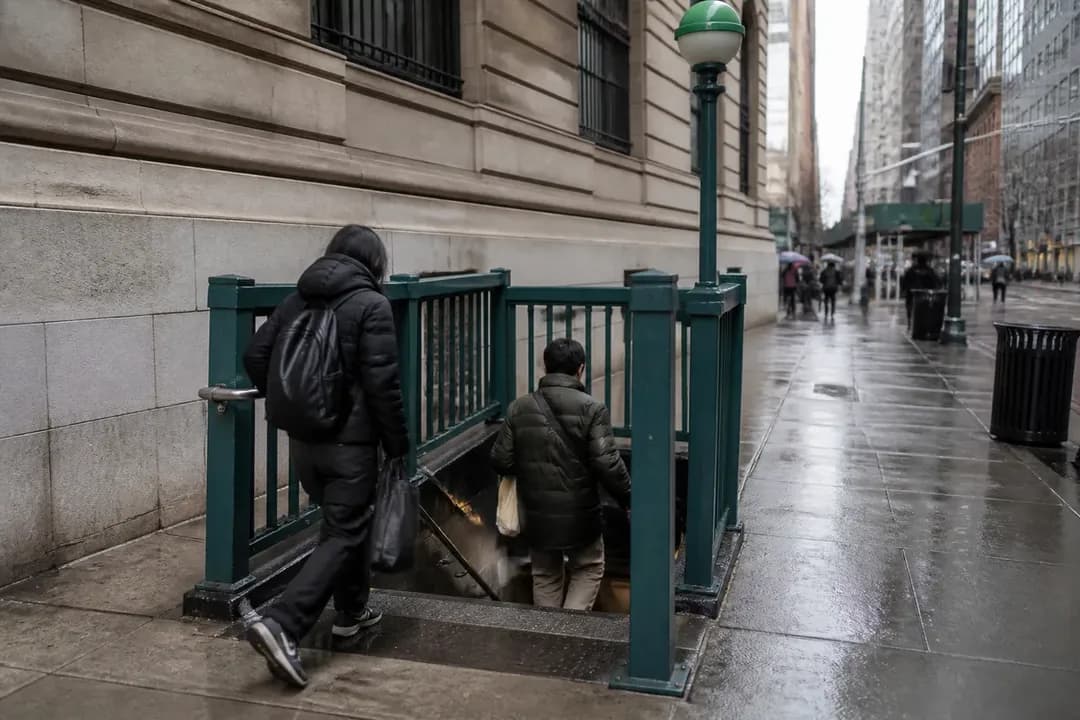
Verify hours before leaving
The last check is the most important one: verify hours before leaving. The official extracts show a broad tourism directory and selected restaurant listings, but they do not lock in today’s hours, holiday changes, private events, sold-out items, reservation rules, accessibility status, dietary accommodations, prices, or transit service. Treat every one of those as live information.
Run the checks in order. First, confirm the venue is open for the time you plan to arrive. Second, confirm whether walk-ins, reservations, or other entry rules apply. Third, check accessibility and dietary needs against the people actually coming. Fourth, confirm the transit route from your starting point and your return plan through an official transit source. Fifth, save a nearby backup in the same neighborhood before anyone is already tired, wet, hungry, or late.
This is how a trend becomes a usable New York outing. The hook gets the plan started; verification keeps it from becoming a bad sidewalk meeting. NYC has enough listed food options, neighborhood variety, and public energy to carry the plan without inventing an event that is not confirmed by the official extracts.
Tags: #AskKarpo #BeforeYouGo #NYC #NYCFood #CoffeeDessert #NYCDessert #SohoNYC #KoreatownNYC #HeraldSquare #TheatreDistrict #NYCPlanning #CafeRoute #DessertRoute #NewYorkCity
Sources consulted: nyctourism.com · nypl.org · new.mta.info
All trademarks are the property of their respective owners.
Ask Karpo first
Ask Karpo first when the plan depends on details that can change the same day. Karpo can help check hours, access notes, neighborhood fit, transit risk, weather exposure, and backup choices before wizards beyond waverly place turns from a fun prompt into an overbuilt NYC errand.
Ask Karpo for more information.
Keep reading
- Salad Near Me in Chinatown: Dimes' Grain Bowls and Greens
 Best Breakfast Near Me at Russ & Daughters Cafe: Lox Board
 Best Breakfast Near Me in Williamsburg: Sunday in Brooklyn's Hazelnut Pancakes