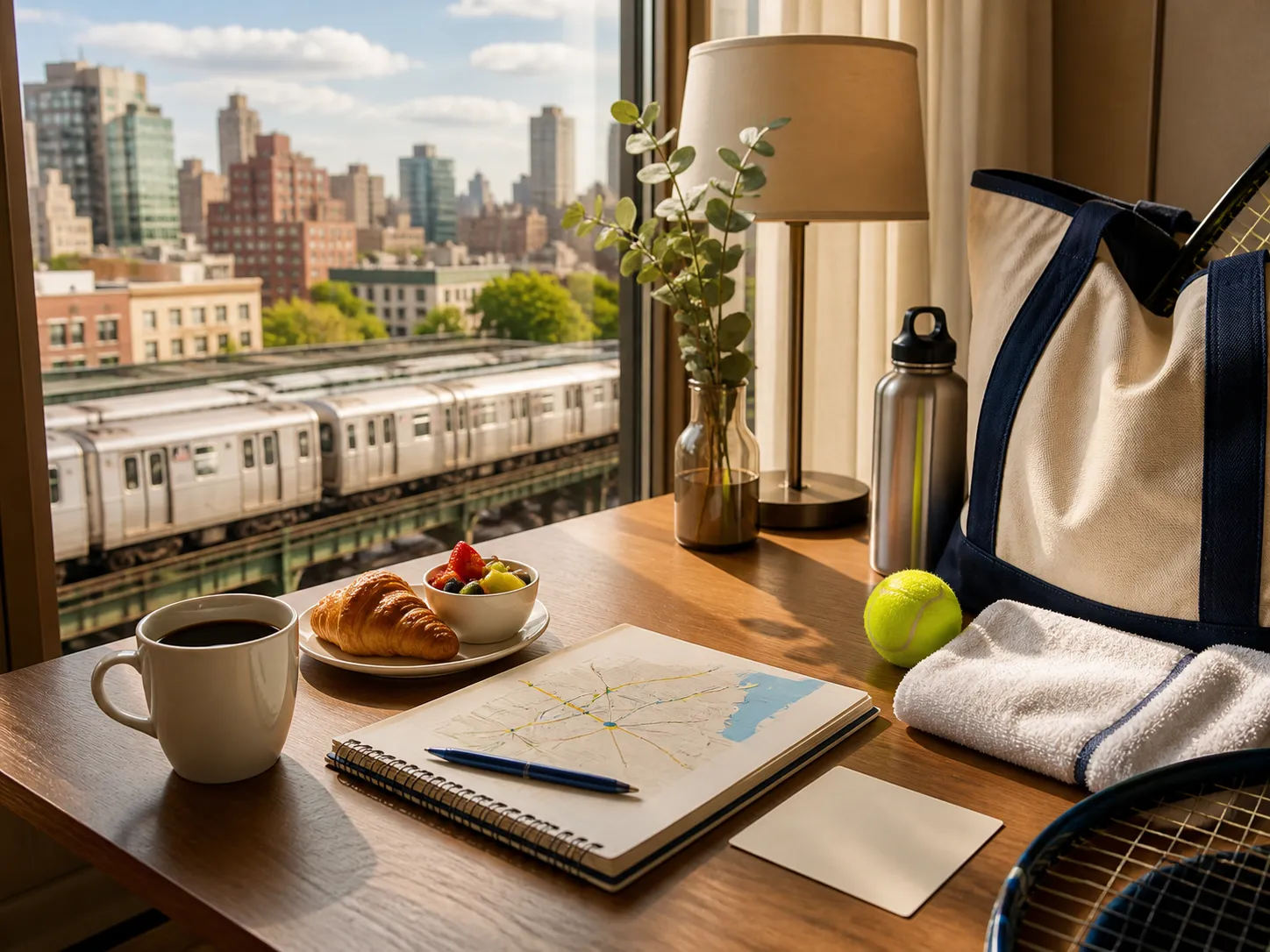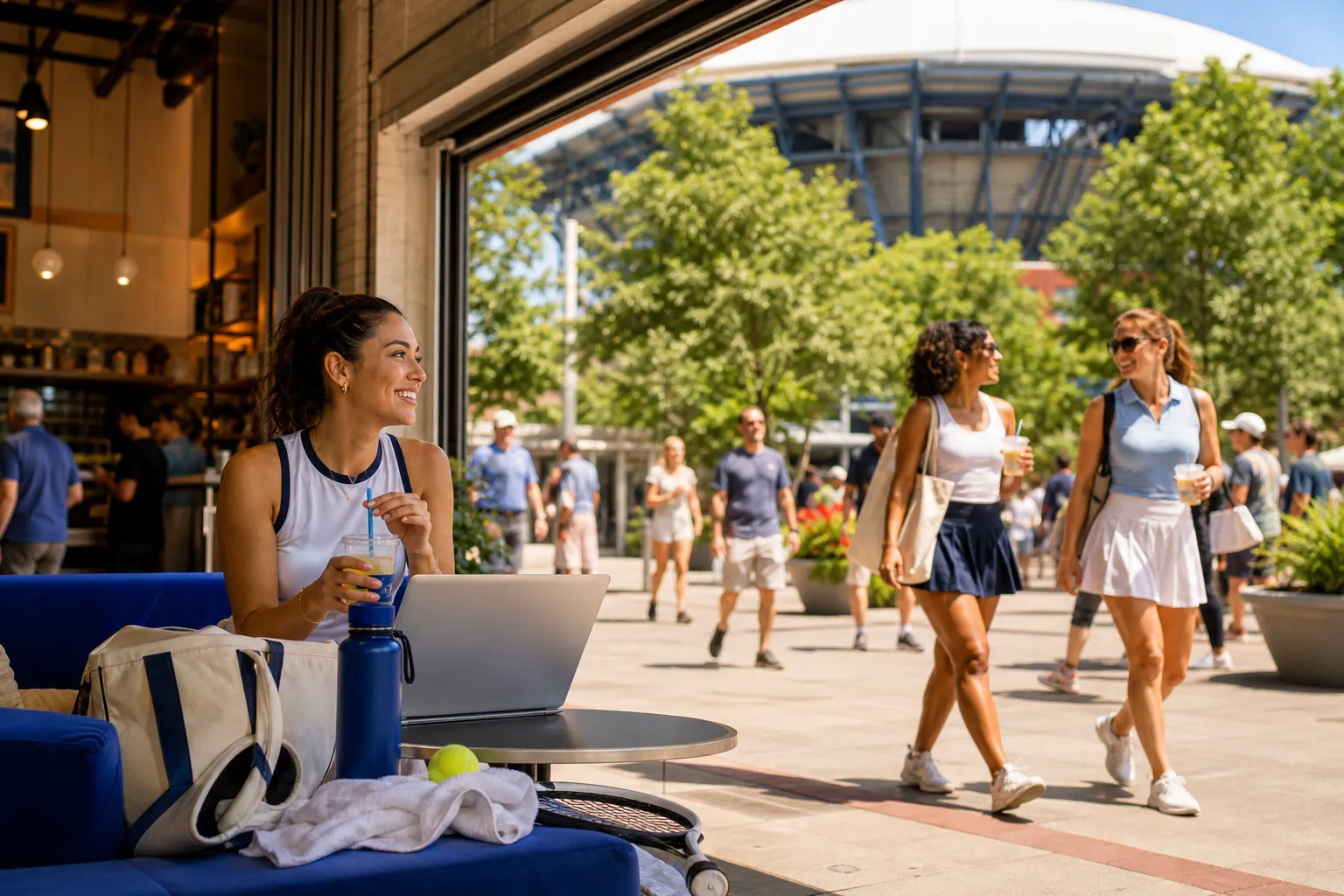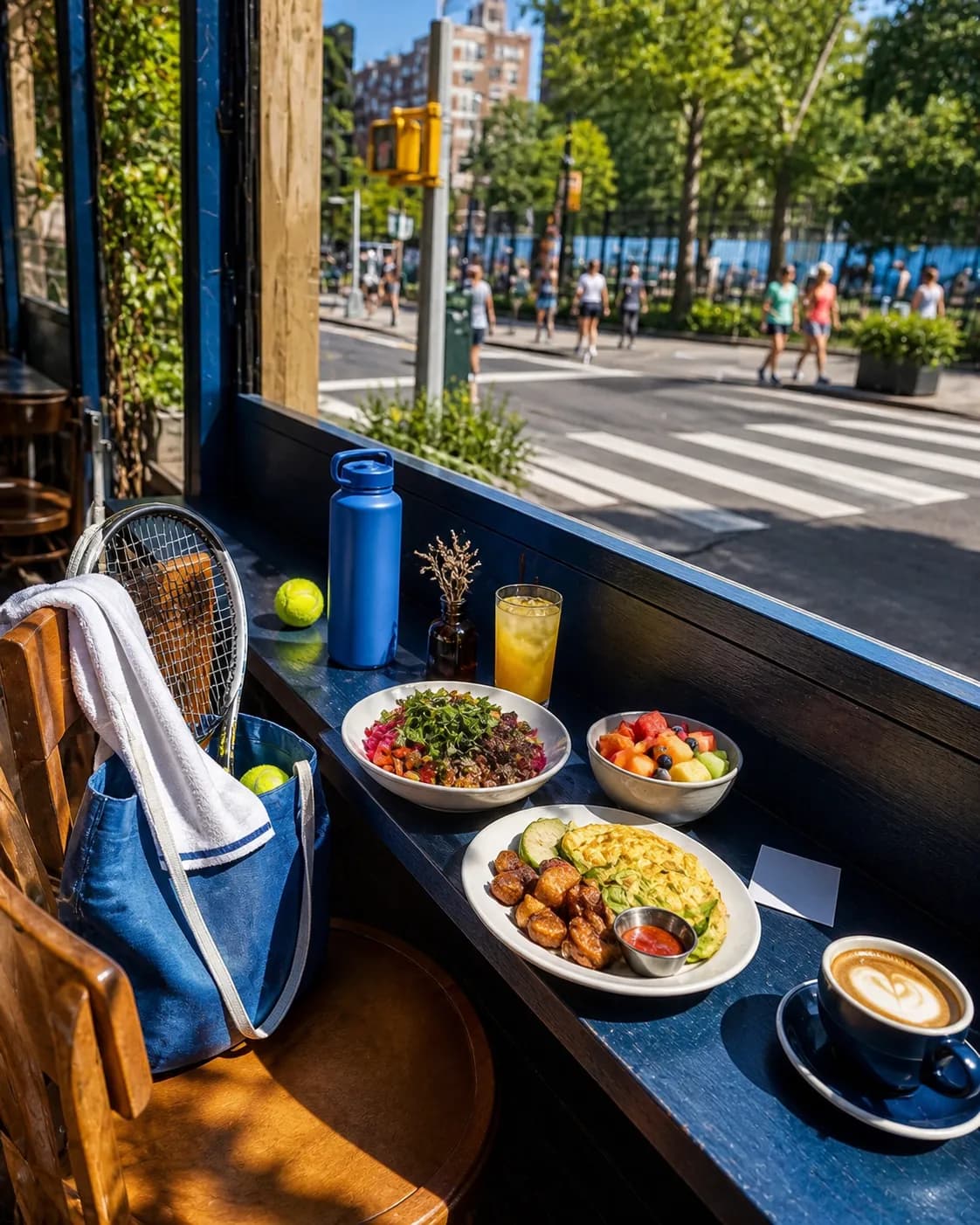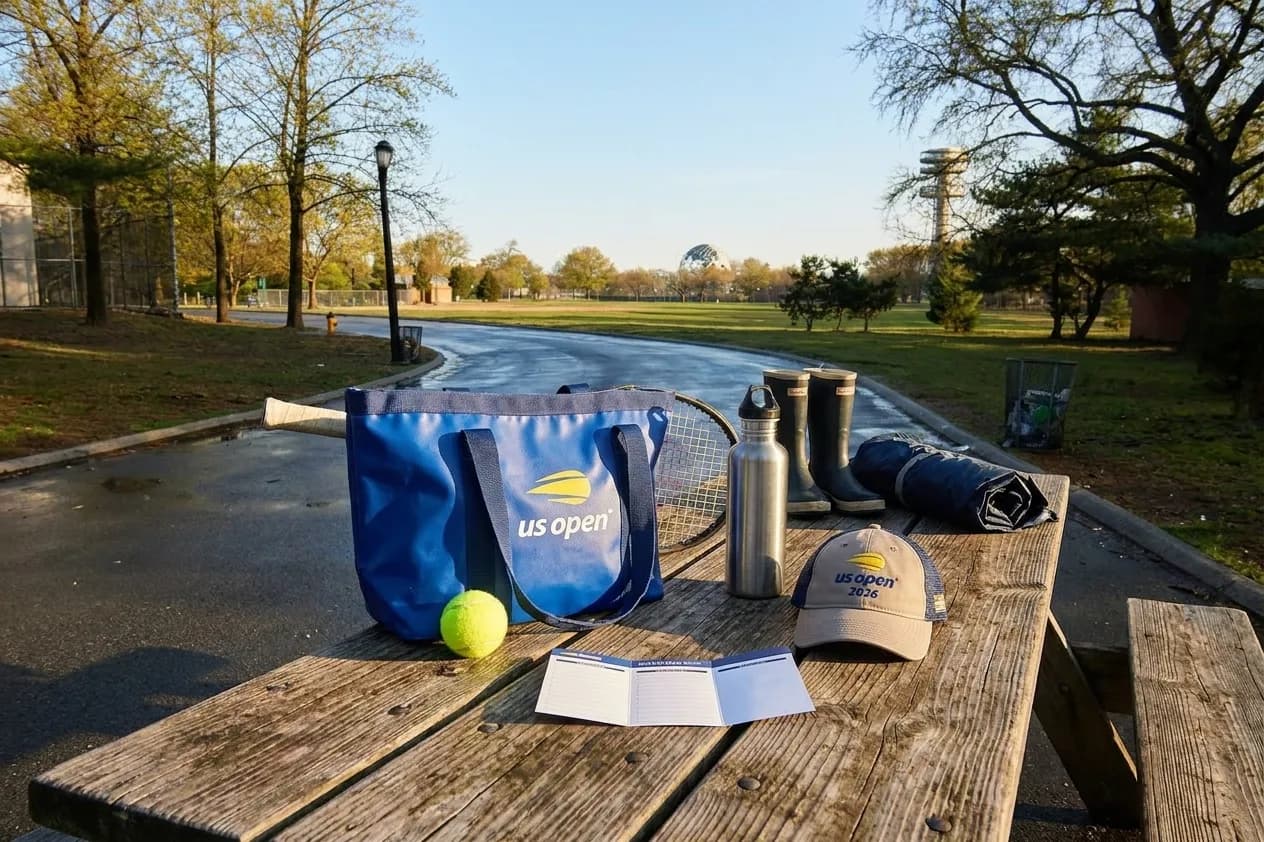
When severe weather sweeps through the Midwest—tornadoes touching down in Wisconsin, watches lighting up radar screens—it's a vivid reminder that summer storms don't respect state lines or event schedules. The US Open runs late August into early September, a stretch when Queens can see everything from blazing sun to sudden downpours and the occasional severe-thunderstorm warning. The 2026 tournament will once again fill the Billie Jean King National Tennis Center in Flushing Meadows Corona Park, and while Arthur Ashe Stadium's retractable roof handles rain delays with ease, the walk from the 7 train, the grounds between courts, and your plans for food or museum stops around Corona and Flushing all benefit from the same weather-aware thinking that keeps Midwesterners safe during tornado season: check forecasts early, pack smart, and know your indoor options before the first rumble.
Text Karpo with your US Open session time and Queens starting point, and we’ll turn this weather-aware packing, timing, and indoor backup choices for US Open days into a practical local plan.
Why Severe-Weather Thinking Matters for US Open Days
Tornado preparedness hinges on three habits: monitoring conditions, having a go-bag ready, and knowing the nearest shelter. US Open planning in Queens asks for the same framework. The National Weather Service New York office issues severe-thunderstorm and flash-flood warnings for the five boroughs, and summer cells can build fast over Long Island Sound, sweeping west across Flushing Meadows in minutes. Arthur Ashe and Louis Armstrong stadiums both feature roofs, so play continues under cover, but the outer courts, walkways, food plazas, and your route along Roosevelt Avenue or through Corona remain exposed. A weather-aware mindset means checking the NWS forecast the morning of your session, packing a compact rain layer even on a sunny forecast, and mapping one or two indoor retreats—museum lobbies, transit mezzanines, or covered food halls—between your hotel and the grounds.
Packing the Go-Bag: Gear That Travels Light and Dries Fast
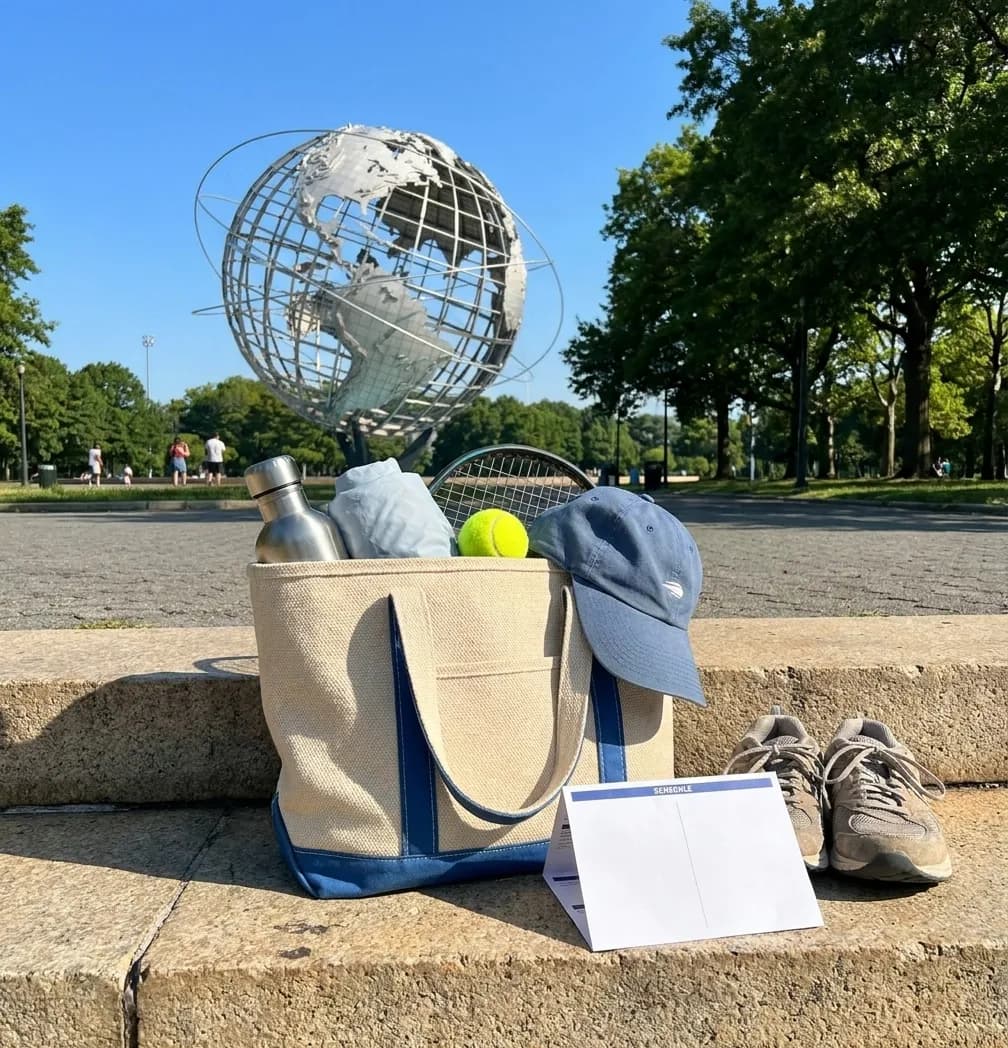
The US Open prohibited-items list bans large backpacks, hard coolers, and umbrellas longer than a certain compact size, so your weather kit needs to fit a small daypack or tote. A packable rain jacket—the kind that stuffs into its own pocket—covers you from the 7 train platform at Mets–Willets Point through the security queue and across the grounds. A baseball cap or lightweight bucket hat shields sun and rain without the bulk of a golf umbrella. Sunscreen, a refillable water bottle, and a portable phone charger round out the essentials; sudden storms often mean crowded concourses, longer waits, and heavier phone use as you check radar or text your group. If you're planning a pre-match stop in Flushing or Jackson Heights, stash a second layer—a long-sleeve tee or hoodie—because air-conditioned restaurants and museums can feel arctic after a humid walk, and evening sessions cool down fast once the sun sets over the Unisphere.
Timing Your Arrival: Early Windows and Weather Windows
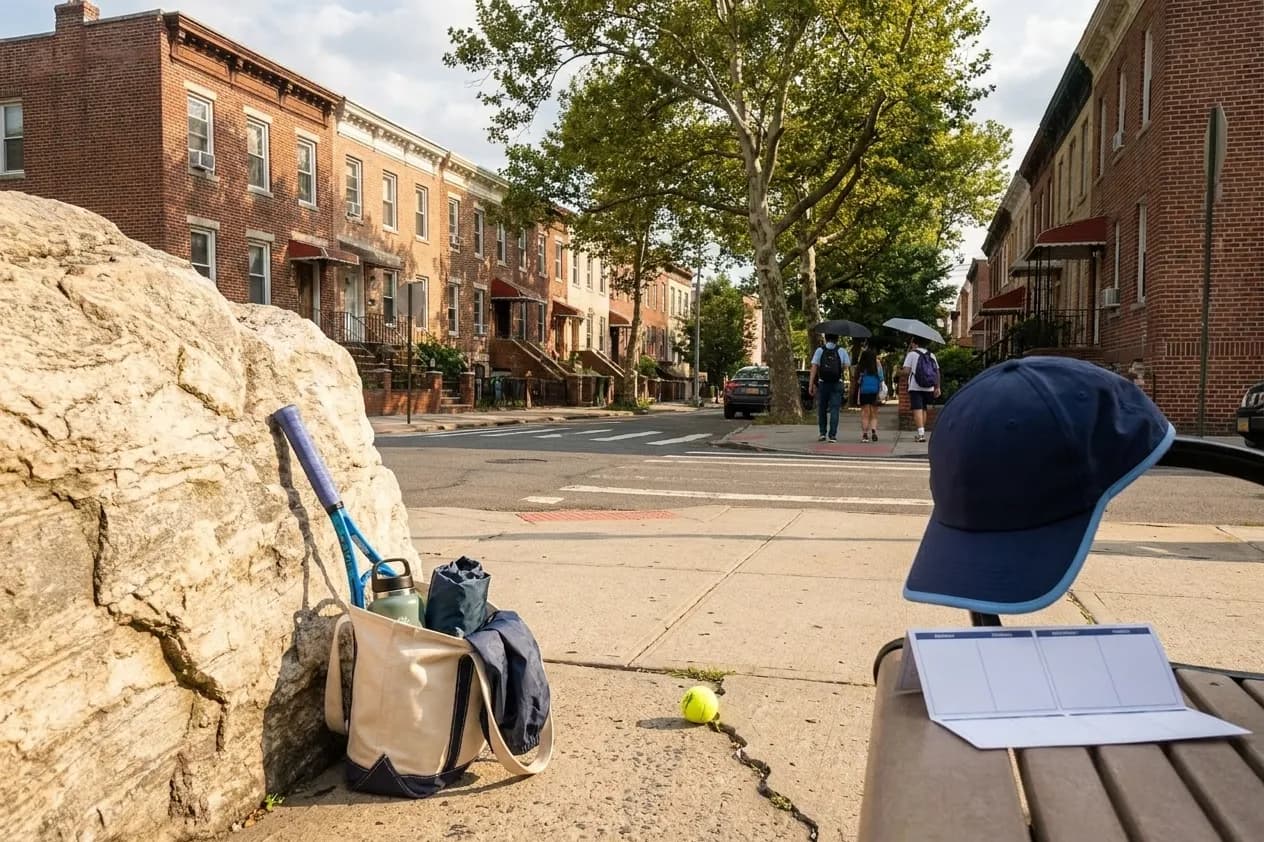
Severe weather in the Midwest often peaks mid-afternoon when heat and humidity collide. Queens follows a similar pattern: summer thunderstorms tend to fire up between two and six p.m., exactly when day-session crowds are thickest and outer-court matches are in full swing. If the morning forecast shows a chance of storms, consider arriving for the eleven a.m. gates-open rather than strolling in at two; you'll catch early-round matches on the outer courts under clear skies and have the option to retreat indoors or under a roof if cells build later. Evening sessions, which start at seven, often dodge the worst of the afternoon heat and convective activity, though you'll want to monitor any watches or warnings issued during the day. The 7 train runs frequently from Manhattan and western Queens, so you can adjust your departure by thirty or sixty minutes based on live radar without losing much flexibility—just confirm service alerts on the MTA website before you leave your hotel or apartment.
Indoor Backup Choices on the Grounds and Nearby
Arthur Ashe and Louis Armstrong stadiums offer climate-controlled seating and concourses, and the main food court and merchandise pavilion provide covered space when rain sweeps the outer courts. If you're holding a grounds pass rather than a stadium ticket, those public concourses become your primary shelter during a twenty-minute cell. Beyond the tournament gates, Flushing Meadows Corona Park itself is home to the Queens Museum and the New York Hall of Science, both a short walk from the tennis center and both offering air conditioning, restrooms, and engaging exhibits that turn a weather delay into a cultural interlude. In downtown Flushing, the New World Mall food court and the Flushing branch of the Queens Public Library provide free, public indoor space with seating and Wi-Fi. Corona Plaza, though open-air, sits near covered storefronts and taquerias along Roosevelt Avenue. Knowing two or three of these spots before you arrive means you're never caught standing under a tree or huddled against a fence when lightning flashes.
Monitoring Conditions: NWS Alerts and Radar Apps
Tornado warnings in Wisconsin come with sirens and push alerts; severe-thunderstorm warnings in Queens arrive the same way if you've enabled Wireless Emergency Alerts on your phone. The National Weather Service New York office issues county-by-county warnings, and Queens falls under their jurisdiction. Before you leave for Flushing Meadows, bookmark weather.gov/okx and check the hourly forecast and any hazardous-weather outlook. Radar apps—whether the NWS's own tool, a commercial service, or the weather layer in your mapping app—let you watch cells approach in real time and decide whether to grab lunch inside the grounds or dash back to the 7 train. The US Open's official app and social-media channels also post rain-delay and roof-closure updates, so follow those accounts for tournament-specific information. Combining NWS alerts with venue updates gives you the clearest picture of when to seek cover and when to head back out.
Planning Around the Forecast: Flexible Itineraries and Backup Reservations
If the three-day outlook shows a higher chance of storms on your planned US Open day, consider whether you can swap sessions—perhaps moving a day-session ticket to an evening slot or shifting your visit by twenty-four hours if your schedule allows. Many hotels in Long Island City, Flushing, and Astoria offer flexible booking closer to the event, and restaurant reservations in Jackson Heights or downtown Flushing are easier to adjust than Broadway tickets. Build a loose itinerary: a primary plan for clear skies, a rain plan that emphasizes covered courts and indoor food, and a severe-weather plan that includes museum stops or a return to your hotel if warnings are widespread. This tiered approach mirrors the way tornado-aware communities keep basement shelters ready and highway travelers know which rest stops have sturdy structures—it's not about expecting disaster, but about having a calm, practical answer when conditions shift.
Practical Notes for Weather-Aware US Open Planning
- Check the National Weather Service New York forecast and any hazardous-weather outlook the morning of your session.
- Pack a compact rain jacket, hat, sunscreen, refillable water bottle, and portable charger in a small daypack that meets US Open bag-size rules.
- Arrive early if afternoon storms are forecast, giving you time on outer courts before cells build.
- Identify two or three indoor backups—stadium concourses, Queens Museum, New York Hall of Science, or Flushing food courts—before you leave.
- Enable Wireless Emergency Alerts on your phone and follow the US Open's official app or social channels for rain-delay updates.
- Consider flexible hotel and restaurant bookings if the multi-day forecast shows higher storm chances, allowing you to swap sessions or shift your visit.
- Confirm 7 train service and any MTA alerts on the day of travel, since heavy rain can occasionally cause subway delays.
- Avoid standing under isolated trees or near metal fences if lightning is visible; move to a substantial building or enclosed transit station.
Connecting Midwest Lessons to Queens Realities
Tornado preparedness in Wisconsin, Iowa, or Illinois isn't about panic—it's about respect for the atmosphere and a habit of checking conditions before you commit to a long drive or an outdoor event. The same respect applies in Queens during US Open season. Severe thunderstorms here rarely produce tornadoes, but they deliver intense lightning, gusty winds, and downpours that can soak you in seconds and turn walkways slippery. By borrowing the Midwest's weather-aware mindset—forecast checks, go-bag essentials, known shelters, flexible timing—you transform a potential rain delay from a frustrating scramble into a manageable pause, maybe even a chance to explore the Queens Museum's Panorama of the City of New York or sample soup dumplings in Flushing while the storm rolls through. The 2026 US Open will bring world-class tennis to Flushing Meadows regardless of the weather, and with a little planning, you'll be ready to enjoy every moment, rain or shine.
US Open, Billie Jean King National Tennis Center, Arthur Ashe Stadium, Louis Armstrong Stadium, and related names are trademarks of the United States Tennis Association. All transit, museum, park, and weather-service names remain the property of their respective operators. This article references these marks for informational purposes only and implies no affiliation or endorsement.
Ask Karpo First
Tags: #USOpen2026 #Queens #FlushingMeadows #KarpoFinds #Karpo #wisconsintornado #NewYorkLocal #TennisTravel #NYCLocalLife #TennisTravel
Sources consulted: usopen.org — Official event schedule · usopen.org — Official visitor A-Z guide · usopen.org — Official transportation directions · usopen.org — Official prohibited-items guide · National Weather Service New York · NYC Parks — Flushing Meadows Corona Park
All trademarks are the property of their respective owners.
Ask Karpo first
Want to know what is actually open, how to time the trip, and where to pause around Queens? Ask Karpo for the latest public US Open context, a respectful visitor plan, and a live route around Flushing Meadows before you head out.