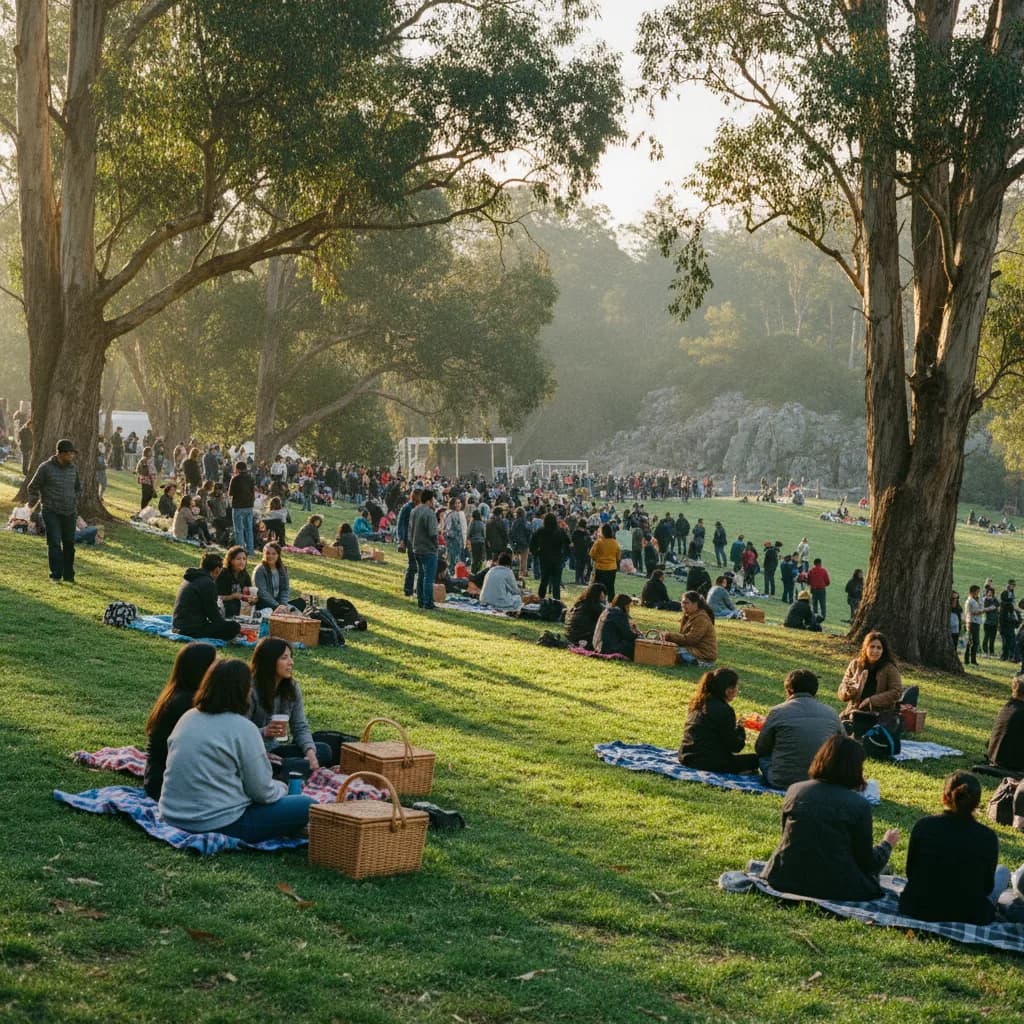
 Stern Grove Festival: Free Sunday Concert Events in Sunset District's Eucalyptus Bowl
Free Things to Do
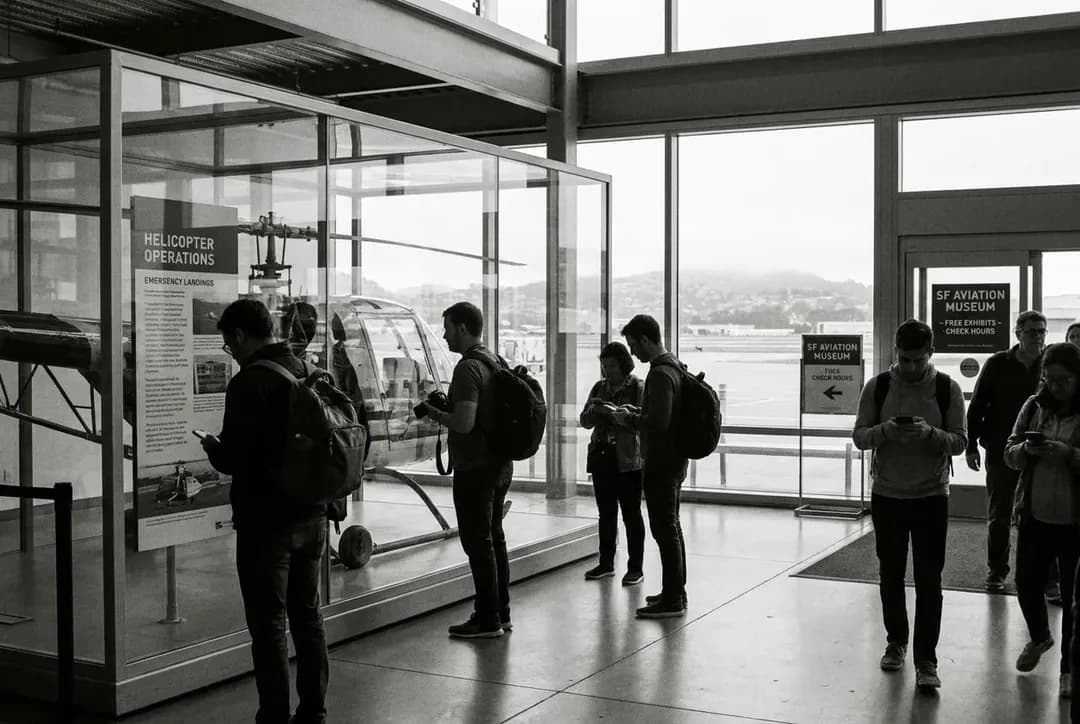
Wisconsin Helicopter Landing at Cabela's Viral Story: SF Aviation Museum Free Exhibits
San Francisco's free aviation museum at SFO contextualizes viral helicopter incidents through emergency-landing exhibits accessible during layovers. Verify post-security access requirements and current operating hours before planning your visit.
When the wisconsin helicopter landing at cabela's story circulated across aviation forums and social media, it sparked renewed interest in emergency-landing protocols and rotorcraft operations among enthusiasts. For aviation hobbyists passing through San Francisco during a weekday layover, the free aviation museum at San Francisco International Airport offers an unexpected opportunity to deepen technical understanding of the procedures and decision-making frameworks that govern such incidents. Rather than treating viral stories as mere spectacle, the museum's exhibits on helicopter mechanics, emergency protocols, and aviation safety systems provide the technical context that transforms curiosity into comprehension. This makes SFO's museum particularly valuable for travelers with intermediate aviation knowledge seeking to fill transit windows with substantive learning rather than passive waiting.
Text Karpo whether you're flying through SFO or visiting from the city, your available time window, and if you want helicopter or fixed-wing exhibits. We'll send the free aviation museum's current hours, three must-see emergency-landing displays, and one backup virtual tour if you can't visit in person.
Layover Access Logistics and Post-Security Considerations
The primary verification step for any aviation hobbyist planning a museum visit involves confirming whether the exhibits sit in pre-security public areas or post-security terminals. Many airport museums occupy gate-side locations accessible only to ticketed passengers with boarding passes, which creates a decision point: travelers on four-hour layovers may find the museum reachable, while those on brief connections or without onward flights face access barriers. Contact airport information desks or check the museum's official communications channels to determine current placement, as terminal renovations and security protocols shift exhibit locations over time.
Transportation from other Bay Area locations to SFO involves weighing BART rail service against driving and parking costs. According to SFMTA transit resources, Muni connects to BART stations throughout San Francisco, creating multi-modal routes that avoid airport parking fees but add transfer time to the journey. Solo travelers on tight schedules must calculate whether the museum's technical depth justifies the round-trip transit investment, particularly if operating hours prove limited or exhibits rotate without advance notice.
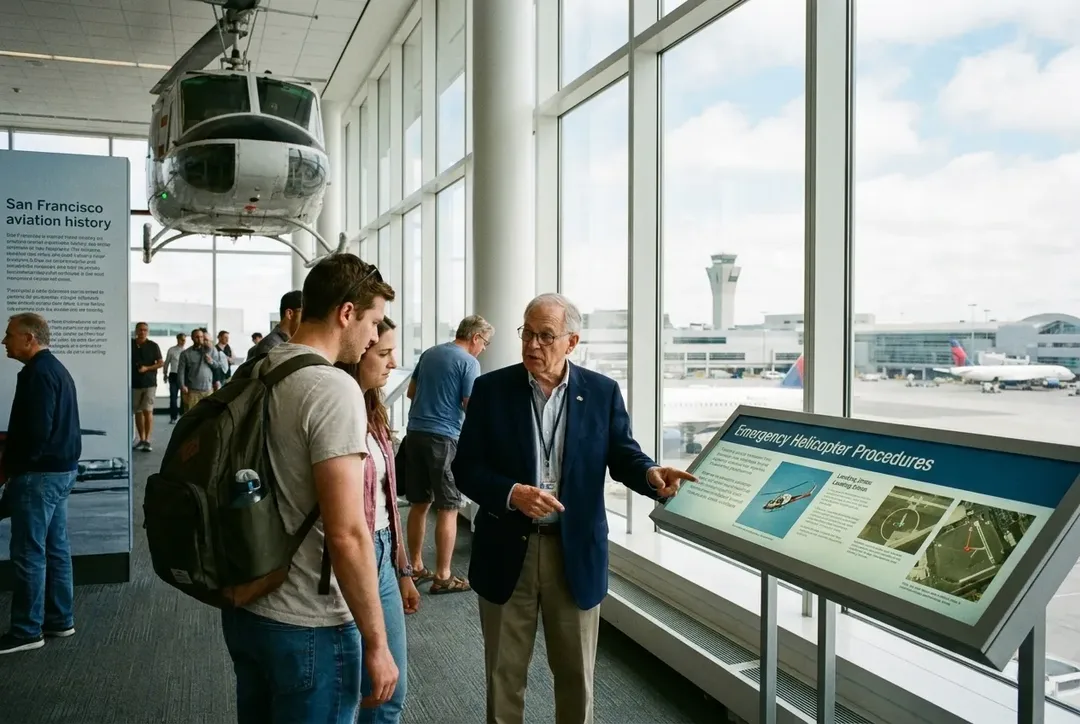
What Helicopter Operations Exhibits Actually Teach
Aviation museums typically contextualize rotorcraft through mechanical cutaways, control-system diagrams, and accident-investigation case studies rather than sensationalized incident recreations. For someone following viral helicopter stories, the value lies in understanding autorotation physics, power-failure descent profiles, and the pilot decision trees that govern emergency site selection. Exhibits often display collective and cyclic control mechanisms alongside explanatory panels detailing how rotor blade pitch changes translate to vertical and horizontal movement—technical foundations that clarify why certain landing zones become viable under duress while others present unacceptable risk.
The museum experience works best for visitors who arrive with specific questions derived from viral stories: Why do helicopters choose parking lots over fields? What instrument readings trigger emergency-landing checklists? How do weight-and-balance calculations constrain landing-site options? Museums cannot predict which viral incidents will trend, so exhibits address general principles rather than specific events. This means hobbyists must actively connect display content to the stories that sparked their interest, a cognitive task suited to solo exploration during unhurried layover windows when focus remains high.
Verifying Hours and Avoiding Wasted Trips
Airport museums face unique operational constraints tied to terminal traffic patterns, security staffing, and lease agreements with airport authorities. Unlike standalone museums with predictable schedules, airport exhibits may close during overnight hours, restrict access during peak travel periods, or suspend operations for terminal maintenance without prominent public announcements. The absence of specific hours in official city event listings suggests visitors must contact SFO directly or consult airport-specific information channels rather than relying on general San Francisco tourism resources.
Weekday layovers offer both advantages and risks: lower tourist crowds improve exhibit access and viewing comfort, but reduced staffing may limit interactive displays or docent availability. Travelers should build contingency plans that account for unexpected closures—identifying nearby airport amenities like observation decks or aviation-themed retail spaces that provide backup options if the museum proves inaccessible. This planning discipline separates successful layover museum visits from frustrating terminal wandering.
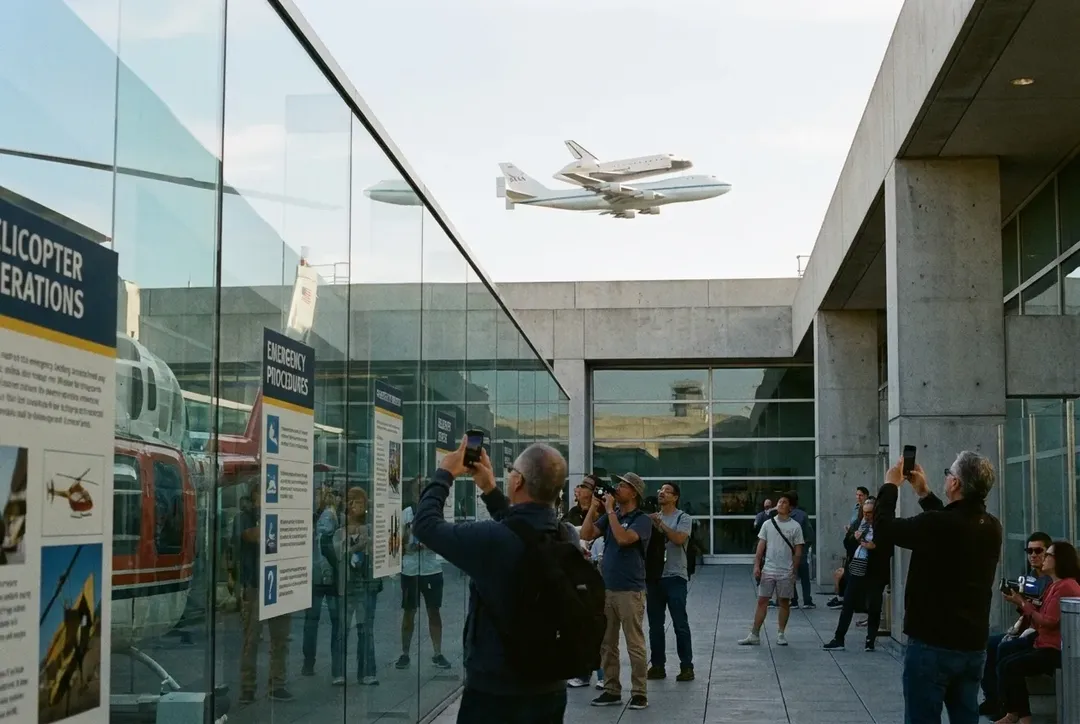
Who Benefits Most from This Layover Strategy
The ideal visitor profile combines intermediate aviation knowledge with solo travel flexibility and genuine fascination rather than casual curiosity. Someone who understands basic aerodynamics but lacks deep rotorcraft expertise will extract maximum value from technical exhibits, while absolute beginners may feel overwhelmed and advanced professionals might find content too elementary. The solo aspect matters because group dynamics—coordinating bathroom breaks, accommodating varying interest levels, managing children—undermine the focused study that aviation exhibits reward.
Emotional engagement separates productive museum visits from box-checking tourism. A hobbyist genuinely fascinated by the engineering problem-solving visible in viral helicopter incidents will naturally spend time cross-referencing exhibit labels with mental models of the Cabela's story, while someone visiting out of obligation or vague interest will drift toward gift shops. Weekday layovers suit this profile because business travelers and aviation professionals populate terminals during these windows, creating an ambient culture of purposeful movement rather than leisure tourism's more scattered energy.
Connecting Museum Learning to Broader Aviation Literacy
Free museum access removes financial barriers but creates a different obligation: visitors must supply their own intellectual framework for connecting exhibits to external knowledge. Unlike paid museums with curated narratives and guided tours, free airport exhibits often present information in modular displays that assume self-directed learning. For aviation hobbyists tracking viral stories, this means arriving with a mental list of technical questions and actively seeking exhibit elements that address those queries—treating the museum as a reference library rather than a theatrical experience.
The museum's value extends beyond any single viral incident to building pattern-recognition skills applicable to future aviation stories. Understanding why helicopter pilots select certain emergency landing sites, how regulatory frameworks govern off-airport landings, and what post-incident investigation protocols reveal about decision quality creates a reusable analytical lens. This transforms the museum visit from isolated entertainment into infrastructure for ongoing aviation literacy—a worthwhile investment for hobbyists who anticipate following aircraft incidents as a sustained interest rather than passing curiosity.
Tags: #freemuseums #SFO #aviationexhibits #helicopteroperations #layoveractivities #SanFranciscoInternationalAirport #emergencylandingprocedures #aviationhobbyists #weekdayactivities #solotravel #technicalexhibits #rotorcraftmechanics
Sources consulted: Source 1: sf.gov · Source 2: sfmta.com · Source 3: sfpl.org · Source 4: sf.gov
All trademarks are the property of their respective owners.
Ask Karpo first
Ask Karpo to turn this San Francisco idea into a current plan for your date, budget, companion, transit preference, and energy level. Karpo can narrow the route and flag what to verify before you go.
Ask Karpo for more information.
Keep reading
- Stern Grove Festival: Free Sunday Concert Events in Sunset District's Eucalyptus Bowl
 Unveiling Free Events at the Museum of the African Diaspora SoMa
 Free Local Events Happening This Week: Yerba Buena Gardens Festival Outdoor Music