 Events Near Me in SF: Chase Center's Free Half Is Thrive City
Sports Social
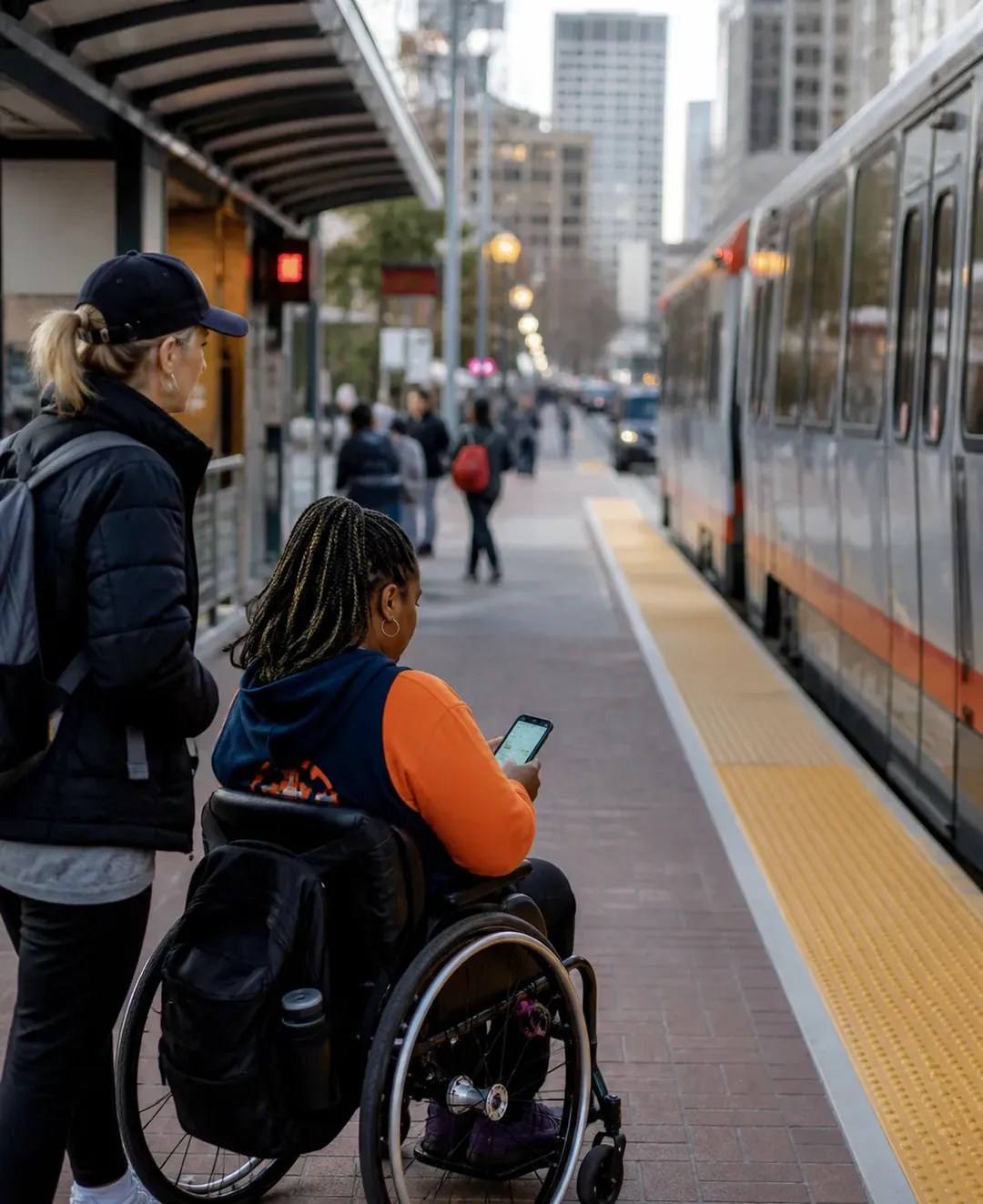
Wings vs Mystics WNBA Score: SF Accessible Transit Transfer Drill Route
Use the Wings vs Mystics score as a low-pressure timing cue while practicing accessible Muni, BART, and Caltrain transfers in downtown San Francisco. The goal is not game-day speed, but repeatable confidence when elevator checks, platform choices, and backup exits matter.
Searching wings vs mystics can give WNBA fans a simple, memorable anchor for a San Francisco mobility practice run: check the score, make one transfer decision, then repeat the sequence without rushing. This beginner-friendly drill is built for solo mobility device users and companions who want to rehearse downtown transfers before a higher-stakes travel day, using off-peak weekday mornings when crowds may be easier to navigate. It stays grounded in public transit choices named by SFMTA, which says Muni connects people around San Francisco and to Bay Area connections like BART and Caltrain, while also pointing riders to Travel & Transit Updates and Muni Metro Elevator Status before moving through the system.
Which transit transfer point causes you the most navigation anxiety, and do you need wheelchair, walker, or visual impairment accommodations? Describe your typical travel time constraints, and we'll design a practice drill with a backup surface route for elevator closures.
Set The Drill Goal Before Entering Fare Gates
Start by defining the route as a skills drill, not a commute. Pick three downtown decision points: Embarcadero, Montgomery, and Powell. At each one, practice the same sequence: pause before committing to a platform, identify the nearest elevator path from posted station information, check current transit updates, and decide whether to continue, reverse, or exit to street level. The sports hook keeps the timing human. Instead of staring at a clock, use a wings vs mystics score check as the cue to stop, breathe, and make the next navigation choice.
For companions, the drill should clarify assistance protocols before pressure appears. Agree on who reads signs, who watches door gaps, who handles bags, and who speaks to staff if an elevator or platform path looks unclear. Solo travelers can use the same structure with a phone checklist. The winning outcome is a route that feels familiar enough to repeat, with written contingencies for missed trains, closed paths, or a change from Muni to BART or Caltrain connections.
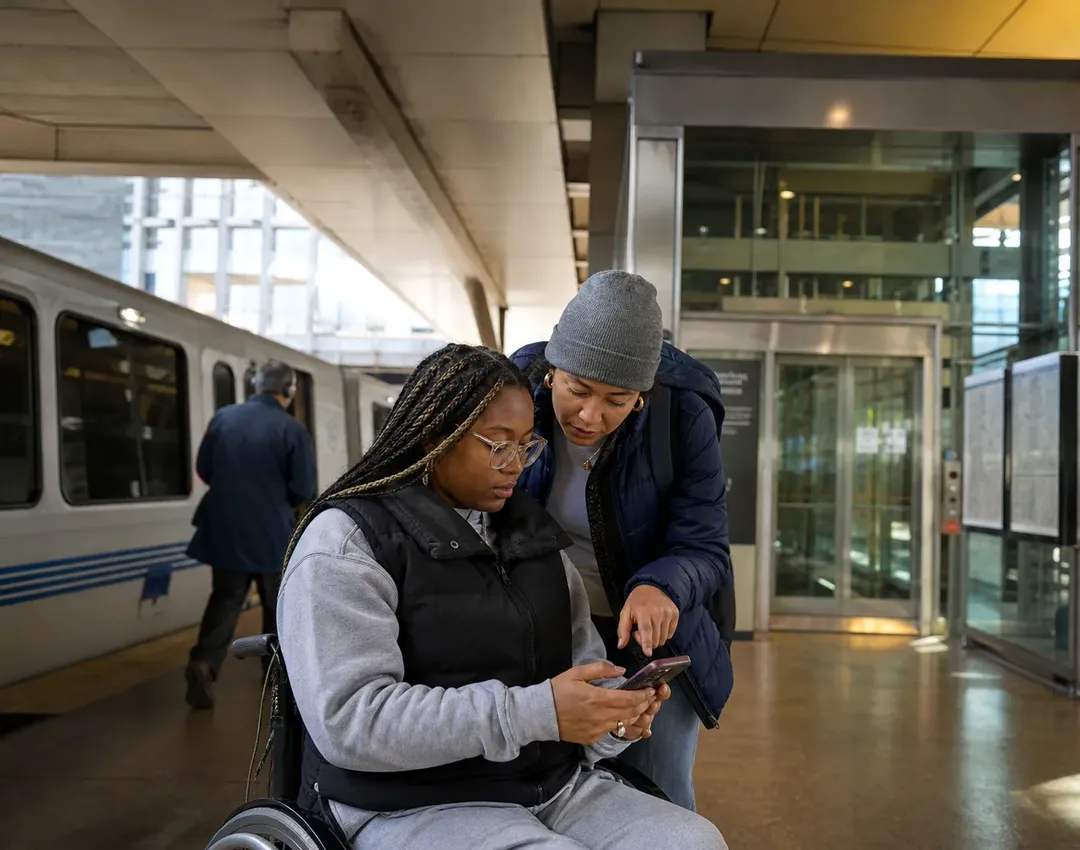
Use SFMTA Updates As The First Checkpoint
Before leaving, open SFMTA’s Travel & Transit Updates and look specifically for transit, accessibility, temporary stop relocation, and Muni Metro Elevator Status items. SFMTA states that elevator status information is current at page load, so refresh it at the beginning of the drill and again before each station transfer. If a stop relocation item matters to your path, note that the page says stop status is updated every 30 minutes on the hour, which makes it reasonable to build refresh moments into the practice rather than assuming the first check remains valid.
The decision rule is simple: if the elevator path you planned is not clearly available, switch from route practice to contingency practice. That may mean exiting earlier, choosing a surface path, or postponing the transfer sequence until the route can be verified. This is where repetition builds confidence. The first run teaches the map; the second run teaches the backup; the third run teaches whether the backup is realistic when carrying a bag, managing fatigue, or coordinating with a companion.
Downtown Transfer Sequence For Score Waypoints
Use Embarcadero as the first score waypoint because it forces an early decision: continue inside the rail network, exit to street level, or reposition for another connection. Do not assume a specific elevator, restroom, or cellular signal strength without checking station signage and current status in the moment. Instead, make the skill visible: identify the posted accessible route, choose a platform wait zone where you can stop without blocking movement, then check the game score only after you are settled and oriented.
At Montgomery, repeat the same sequence, but add a communication drill. If traveling with a companion, have them describe the next transfer aloud without touching your mobility device unless asked. If traveling solo, record a short note on which signs were easiest to follow and which point created hesitation. At Powell, add the highest-friction decision: whether to continue practicing downtown, exit for a rest break, or connect toward another mode. The wings vs mystics score becomes a steady metronome, not a distraction.
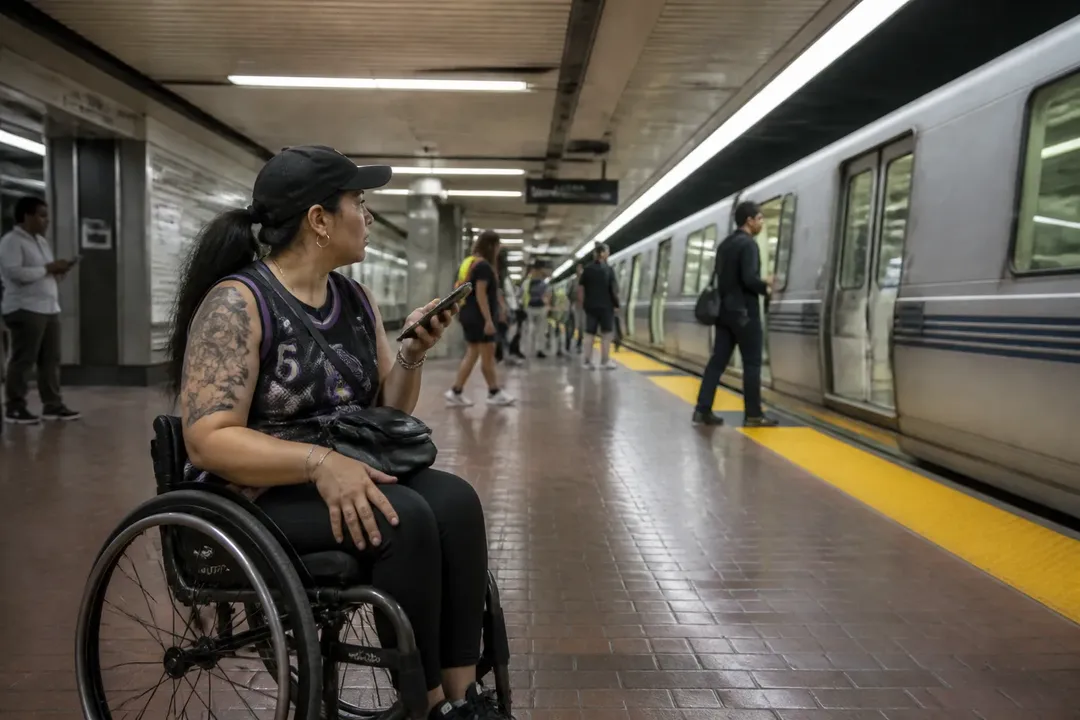
Rest, Restroom, And Recovery Planning
Restroom planning should be treated as a verified stop, not a promise. The brief calls for accessible restroom stops around Embarcadero, Montgomery, and Powell, but the drill should only count a restroom after confirming posted access, entry rules, and current availability on site. For a public indoor backup in the broader downtown practice area, San Francisco Public Library lists the Main Library at 100 Larkin Street, San Francisco, CA 94102, with public hours that vary by day, including Thursday 9 to 8 and Friday 12 to 6 in the supplied city listing.
Build recovery time into the route before fatigue makes decisions worse. A useful drill pattern is transfer, pause, score check, restroom or seating check, then next transfer. If any segment takes more effort than expected, shorten the route and repeat only the weakest part. Confidence grows faster from clean repetitions than from forcing a full itinerary when the accessible path, elevator status, or personal energy level is uncertain.
Who This San Francisco Drill Fits Best
This plan fits WNBA fans, caregivers, and friends who want a social reason to rehearse accessible travel without needing an event in San Francisco. It does not depend on the Wings, the Mystics, or any named player being in the city. The teams are search hooks and timing cues; the actual value is a repeatable San Francisco transit practice route that uses Muni, checks for BART and Caltrain connection decisions, and respects accessibility updates before every transfer.
Run it on an off-peak weekday morning when your goal is learning, not arriving somewhere at the last possible minute. Keep the first attempt short, document what changed, and repeat the route until the transfer sequence feels predictable. By the end, the score check should feel secondary: the real result is knowing where you pause, what you verify, how you recover, and when you choose a backup route instead of pushing through uncertainty.
Tags: #SanFrancisco #SportsSocial #AccessibleTransit #WNBA #Muni #BART #Caltrain
Sources consulted: Source 1: sfmta.com · Source 2: sfpl.org · Source 3: sfmta.com · Source 4: weather.gov
All trademarks are the property of their respective owners.
Ask Karpo first
Ask Karpo to turn this San Francisco idea into a current plan for your date, budget, companion, transit preference, and energy level. Karpo can narrow the route and flag what to verify before you go.
Ask Karpo for more information.
Keep reading
- Events Near Me in SF: Chase Center's Free Half Is Thrive City
 Places To Eat Near Me in SF: SPARK Social Changes Trucks Daily
 Seafood Near Me in San Francisco: Sotto Mare Favours Pairs