New York's wine bars get the attention, and they deserve some of it. But if the goal is tasting — trying several things side by side, learning what you like, asking someone who knows — the bars are the expensive way to do it. The city's serious wine education happens in retail shops, where tastings are frequently free, the person pouring imported the bottle themselves, and nobody is trying to sell you a second glass. This is a guide to both, in the order you should actually use them.
Shop tastings are scheduled loosely, announced late and easy to miss — a Saturday afternoon pour can be over by the time you have crossed town. Tell Karpo which neighbourhood you are in and when you are free, and it will tell you where something is actually being poured near you.
Chambers Street Wines: The Education
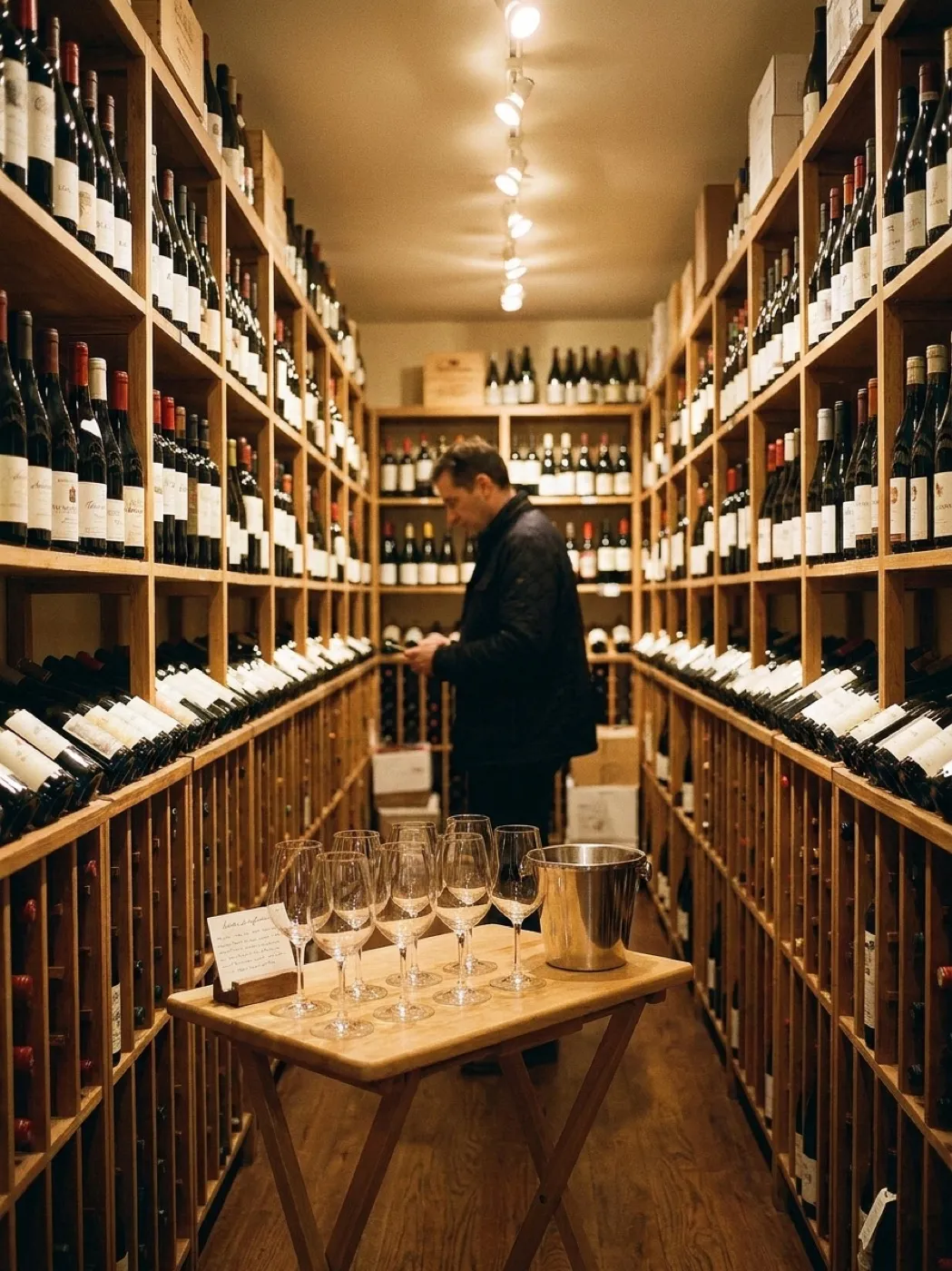
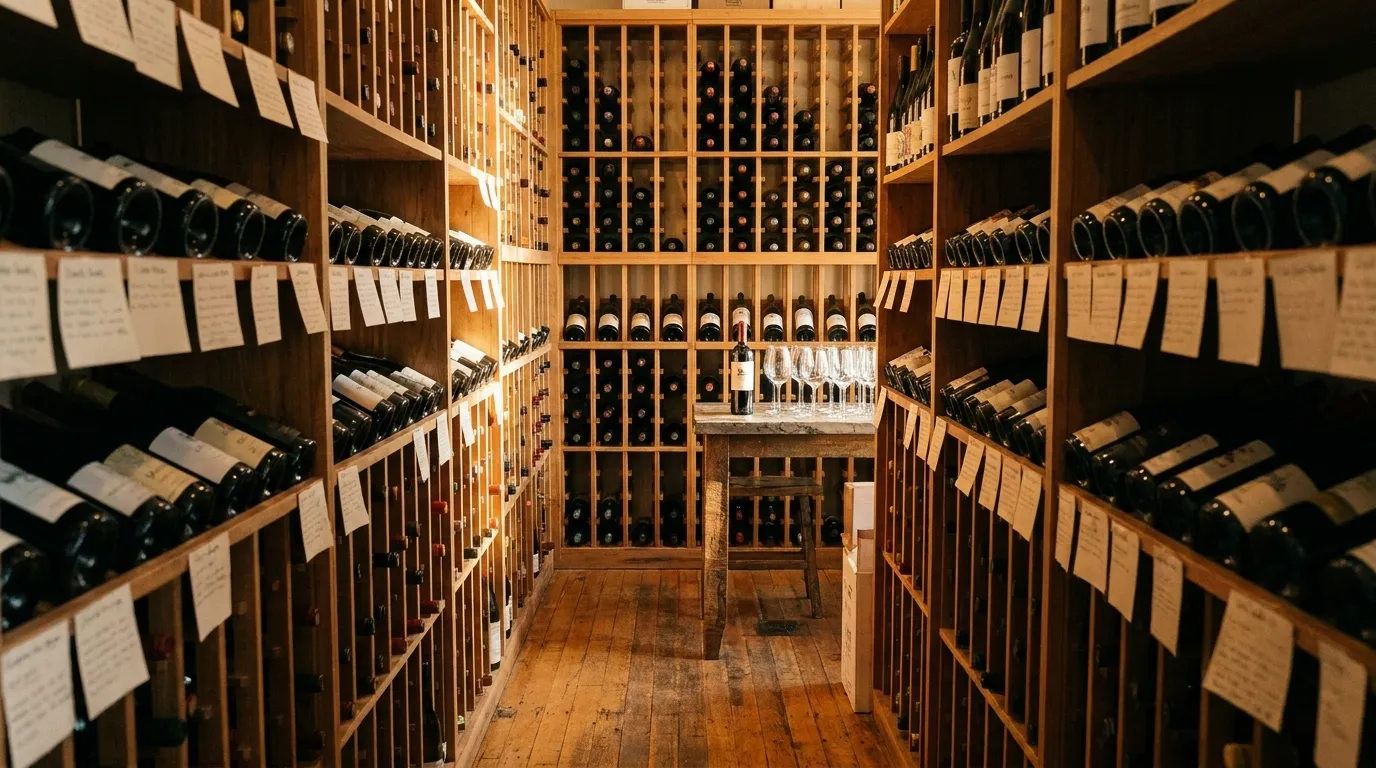
148 Chambers Street in Tribeca, between West Broadway and Greenwich, open Monday to Saturday 10am to 9pm and Sunday noon to 7pm. Chambers Street has been the serious reference for low-intervention, natural and artisanal wine in New York for two decades, with a list built almost entirely from small producers, and it runs free in-store tastings daily at varying times. That last detail is the important one: you can walk into one of the best wine shops in the country on an ordinary weekday afternoon and taste something you would pay $18 a glass for elsewhere, at no cost, with someone behind the counter who can explain exactly what you are drinking. Ask questions. The staff here are unusually willing to talk, and the shop's reputation was built on that as much as on the selection.
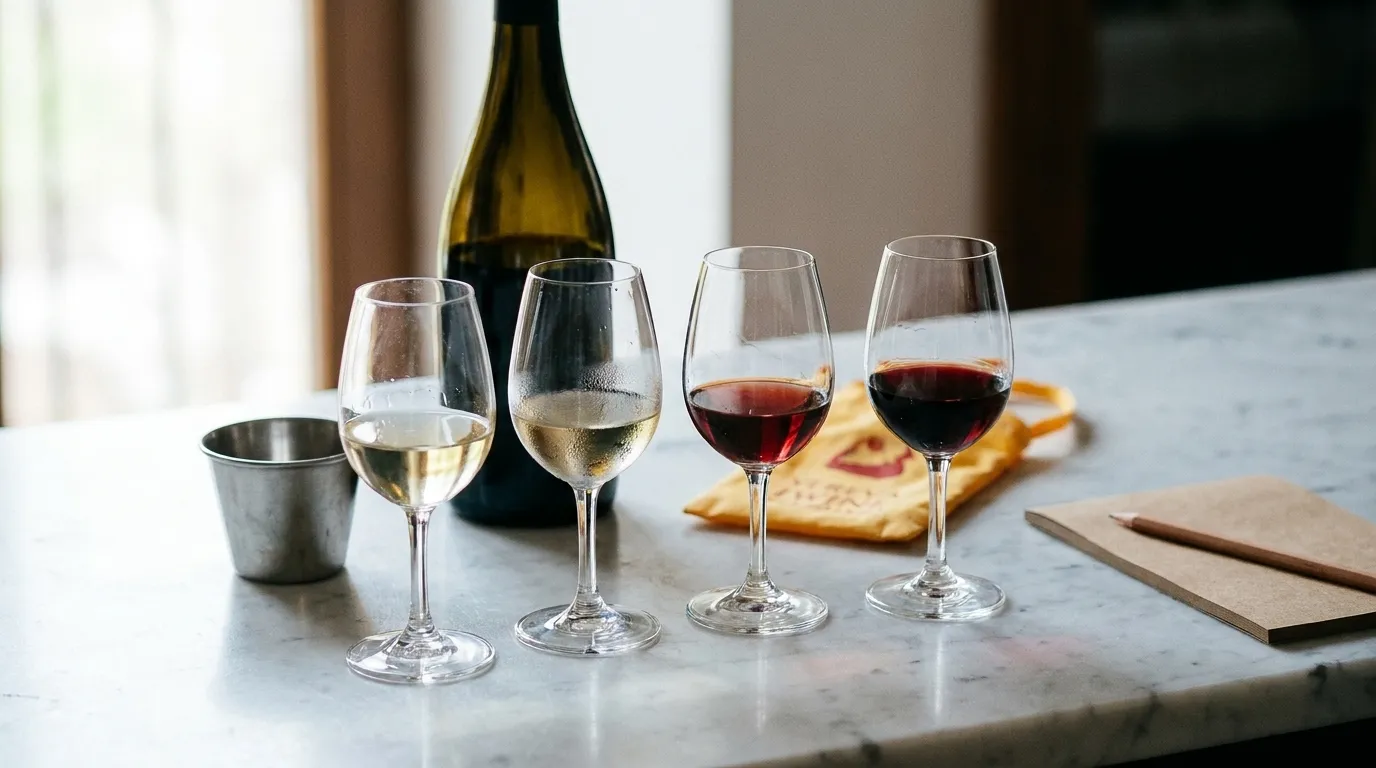
Discovery Wines: Friday Evenings in the East Village
A glass-enclosed corner shop in the East Village, trading since 2004, focused on small-production, organic, biodynamic and natural bottles with a collection of around six hundred that leans heavily French and Italian. Tastings run every Friday from 6pm to 8pm, which makes it the most reliable standing appointment in the city for this — no booking, no ticket, just turn up. The shop is open Sundays and Mondays 1pm to 8pm and Tuesday through Saturday 1pm to 9pm. The Friday format works particularly well as a first stop: taste for an hour, buy the one you liked, and take it to dinner rather than paying restaurant markup on a bottle you have not tried.
When the Bar Is the Right Answer
Shops are for tasting; bars are for drinking, and there are evenings where that is the point. New York's wine bar scene is deep — the natural wine rooms of the East Village and north Brooklyn, the older European-style rooms in the West Village, the newer by-the-glass programmes attached to serious kitchens. The thing worth knowing is the pricing structure: a glass at a good New York wine bar generally runs $15 to $22, a flight where offered lands between $25 and $40, and the same bottle you drank costs a third of that at a shop three blocks away. None of which is a scandal — you are paying for the room, the glassware and someone to open it. Just be clear about which of those you are buying on a given evening.
The Brooklyn Half of the Map
Manhattan has the older institutions, but the density of interesting small shops is now arguably higher across the river. The pattern in Greenpoint, Williamsburg, Bed-Stuy and Crown Heights is the same: a small storefront with a tightly edited selection, an owner who chose every bottle, weekend pours that are announced on a shop's own feed a day or two ahead, and prices meaningfully lower than the equivalent Manhattan address. Several double as bars with a corkage arrangement — you buy a bottle at retail price, pay a small fee, and drink it at a table in the same room, which is the single best value in New York wine and almost never advertised as such. Ask whether a shop does it; a surprising number do.
A Note on Natural Wine
Most of the shops worth visiting in New York now lean natural, low-intervention or organic, and the category has a reputation for being either a religion or a con depending on who you ask. The practical version: it describes farming and cellar practice rather than a flavour, the range within it is enormous, and a good shop will happily point you at conventional bottles if that is what you like. If you have tried one cloudy, funky wine and decided the whole category is not for you, say exactly that at the counter — it is the most useful sentence you can offer, and it will get you something completely different.
How to Get the Most Out of a Shop Tasting
Go in the last two hours before closing on a weekday if you want the staff's attention; Saturday afternoons are when everyone else has the same idea. Taste before you ask for a recommendation rather than after, because a specific reaction to something in the glass gets you far better advice than a general request for something nice. Say your price range out loud and say it low — every good shop in this city has genuinely interesting bottles under $25, and the staff would rather sell you one you come back for than one you regret. Buy something, even if it is inexpensive, at a shop that has poured for you free; that is the arrangement, and it is what keeps the tastings running. And write down what you liked — grape, producer, region — because the entire value of tasting several things in one sitting evaporates if you cannot remember which one it was by the following week.
Tags: #NYC #WineTasting #NaturalWine #ChambersStreetWines #DiscoveryWines #Tribeca #EastVillage #BottleShop #WineBar #Manhattan #Brooklyn #FreeTastings #WineNYC #NightsOut
Sources consulted: chambersstwines.com · discoverywines.com · imbibemagazine.com · timeout.com
Please drink responsibly. Must be of legal drinking age.
All trademarks are the property of their respective owners.
Ask Karpo first
Shop tastings in New York are informal, unadvertised and easy to miss entirely. Before you plan an evening around one, ask Karpo in iMessage which shops near you are pouring today, what time they stop, and which nearby room is worth continuing to afterwards.