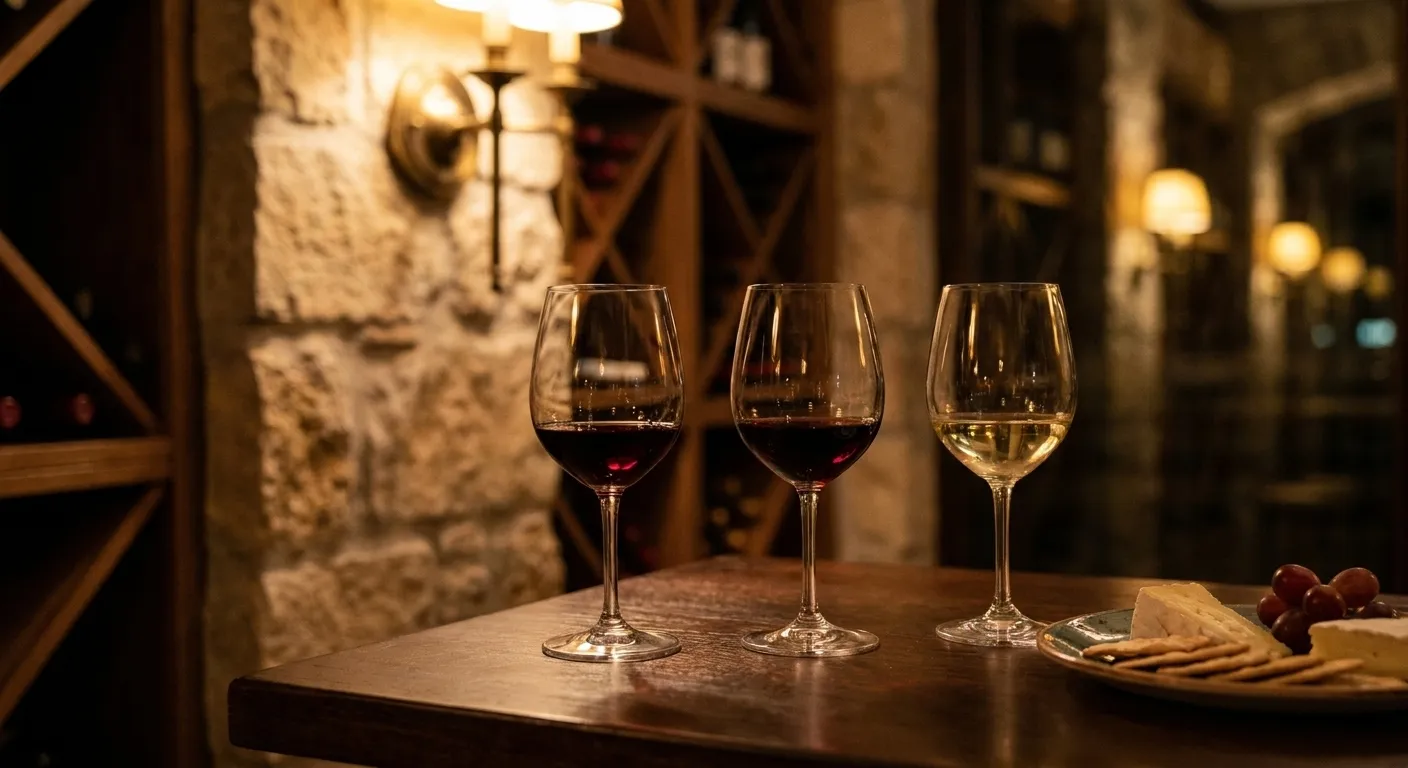
Dinner is a bad first date and everybody knows it. You are locked into two hours facing each other, the bill is unpredictable, and if it is not going well there is no graceful exit until the plates are cleared. A wine tasting solves all three problems: it has a built-in structure, a fixed end point, something external to talk about, and it costs a fraction of dinner. Miami has a surprising number of them, spread across neighbourhoods that each produce a slightly different evening, and almost none of them are marketed as date nights.
Tasting nights here are usually announced a week out and rarely anywhere obvious. Tell Karpo in iMessage which night you are free and it will find one worth booking.
The Three Formats Worth Knowing
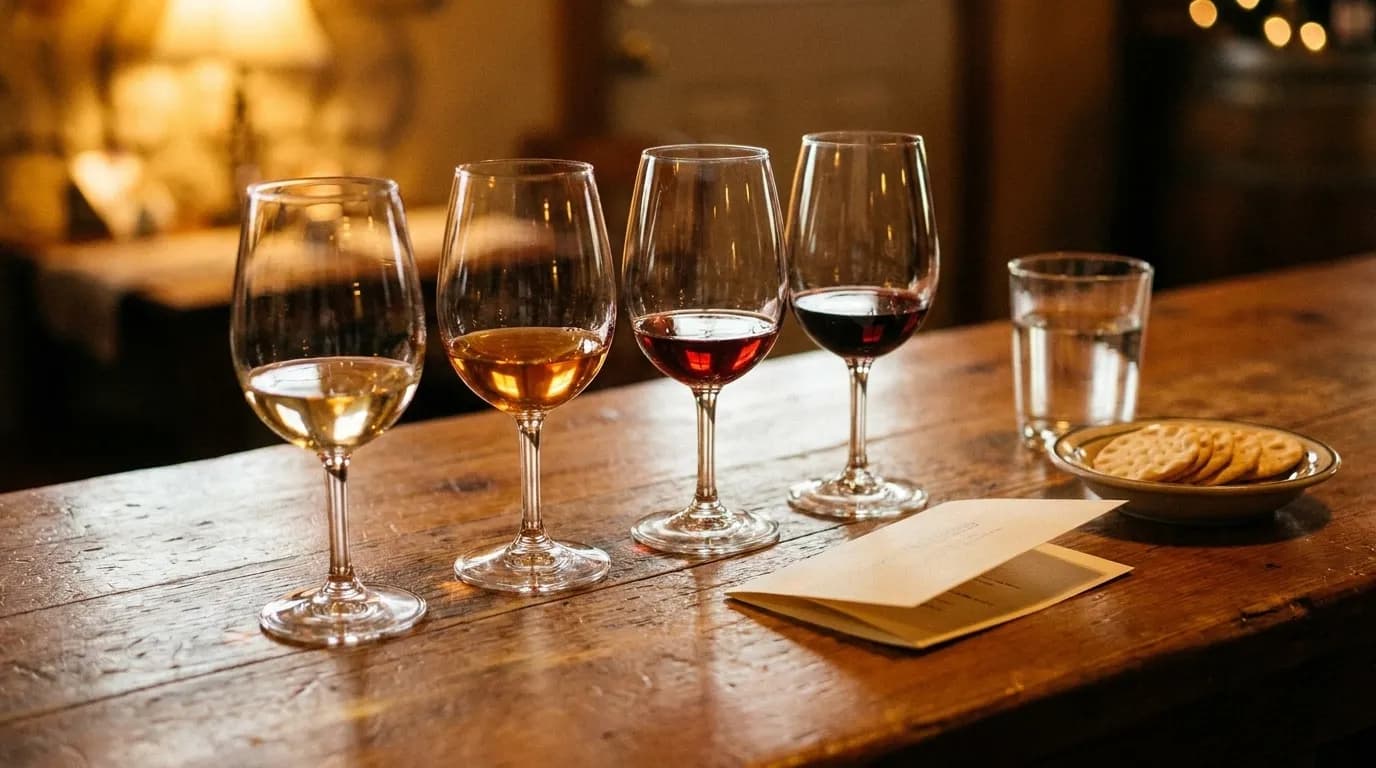
First, the guided tasting: a scheduled session, normally four to six pours around a theme, with somebody talking you through them for an hour or so. These are the best value in the city and the easiest date, because the conversation has a scaffold. Second, the walk-in flight: a set of three or four small pours ordered off the menu at a wine bar any night of the week, with no schedule and no host. More flexible, slightly less structured, and available on short notice. Third, the shop tasting: a wine retailer opening bottles for customers, sometimes free, sometimes for a small fee, usually on a weekend afternoon. That third one is the cheapest and the most casual, and it works extremely well as a daytime first meeting that can turn into dinner if it is going well and end cleanly if it is not.
Where Each Neighbourhood Sends the Evening
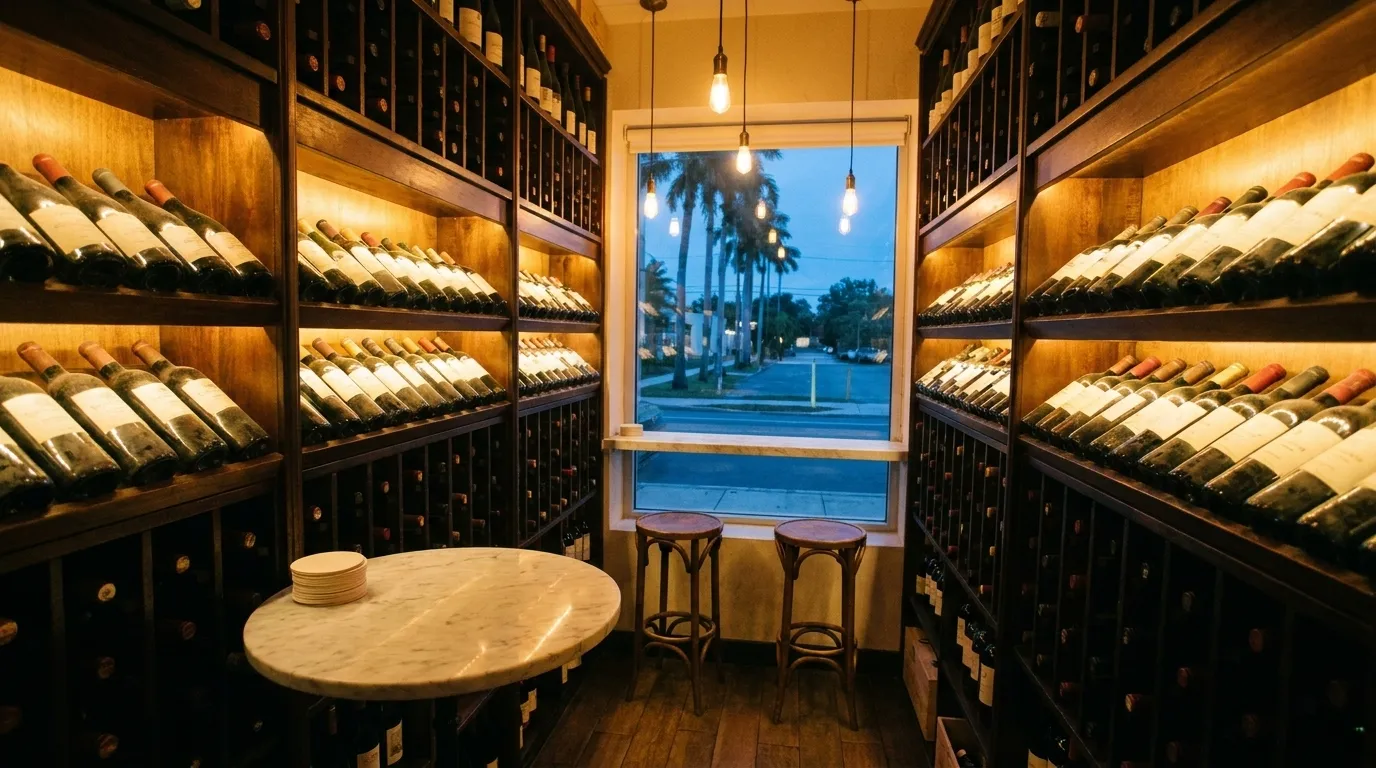
Coral Gables is the most traditional and the most reliable: serious Spanish and Italian lists, proper glassware, quiet rooms where you can actually hear each other, and the highest density of restaurants nearby if the evening extends. Little River and the stretch of Biscayne north of the Design District is where the natural and low-intervention scene sits — younger rooms, more experimental pours, more likely to have a record player than a sommelier. Wynwood is loud and fun and the worst place in the county to try to have a conversation. South Beach and Sunset Harbour have several genuinely good wine bars that get overlooked because of the neighbourhood's reputation. And Coconut Grove has a small, quiet cluster that suits a second or third date better than a first.
What It Costs and How to Keep It There
A guided tasting in Miami typically runs between thirty and sixty dollars a head depending on what is being poured, which for an hour and a half of structured evening is considerably better value than dinner. Walk-in flights land between twenty and thirty-five. Shop tastings are frequently free or under twenty. The cost trap is what happens afterwards: ordering a full bottle at the end of a tasting because the evening is going well doubles the bill instantly. If that is a risk, plan for it — decide in advance whether the tasting is the whole date or the first half of one, and pick a neighbourhood where the second half is a walk rather than a drive.
Practical Things That Make It Go Well
Book, even for a walk-in flight, because the good rooms here are small and Thursday through Saturday they fill. Go early — seven rather than nine — since the rooms are quieter, the person pouring has time to talk to you, and an early start leaves the option of dinner open. Eat something first; tasting pours add up faster than they look and Florida heat compounds it. Ask for water at the start rather than waiting to need it. And if either of you does not drink, check the list before booking: a growing number of these places pour non-alcoholic options seriously, and the ones that do not will make for an awkward hour.
What Miami Pours Particularly Well
The city's wine culture has a shape worth knowing before you sit down. Spanish and Portuguese lists are deeper here than in most American cities, a consequence of the Iberian and Latin American communities that have shaped Coral Gables and Brickell for decades, and a tasting built around Rioja, Ribera or the Douro will usually be the best-sourced one on offer. Argentine and Chilean wine is taken seriously rather than treated as a supermarket category. Sparkling does unusually well because the climate demands it — a flight of Cava, Champagne and Prosecco side by side is a genuinely instructive hour and one of the more pleasant ways to spend a humid evening. What Miami is thinner on is the cooler-climate northern European material and the deep Burgundy lists you would find in New York or San Francisco. If that is what you want, ask before booking rather than being disappointed on arrival.
Turning It Into a Real Conversation
The reason this works as a date is that it hands you a shared task. The useful move is to skip the vocabulary entirely — nobody is impressed by tasting notes and most of them are invented — and instead compare which of the four you would actually order again, and why. That question is genuinely revealing and impossible to answer pretentiously. Guess the price of each before it is announced. Pick a favourite before you hear the other person's. Disagreeing about wine is more interesting than agreeing about it, and by the end of an hour you will have learned considerably more about each other than you would have across a table of small plates.
Tags: #Miami #WineTastingNearMe #DateNight #MiamiWine #CoralGables #Wynwood #LittleRiver #MiamiBeach #WineBar #DateIdeas #SouthFlorida #MiamiNightlife #Sommelier
Sources consulted: miamiandbeaches.com · myfloridalicense.com · miami.eater.com · miaminewtimes.com
Please drink responsibly. Must be of legal drinking age.
All trademarks are the property of their respective owners.
Ask Karpo first
Tasting schedules in Miami are posted late and fill fast. Ask Karpo in iMessage which night you are free and what part of town suits, and it will find one with space.