Ruffian is a small wine bar on East 7th Street that has been open since 2016 and has held a Michelin Bib Gourmand every year since 2020. It is not a general wine bar that happens to stock some interesting bottles. It is a specialist in a part of the wine world that most New York lists barely acknowledge, and if you order here the way you would order anywhere else, you will get less out of it than you should.
A list this specialised is either the best wine bar in the neighbourhood or a wall of unfamiliar labels, and which one depends entirely on how you open the conversation.
The list is pointed east, deliberately
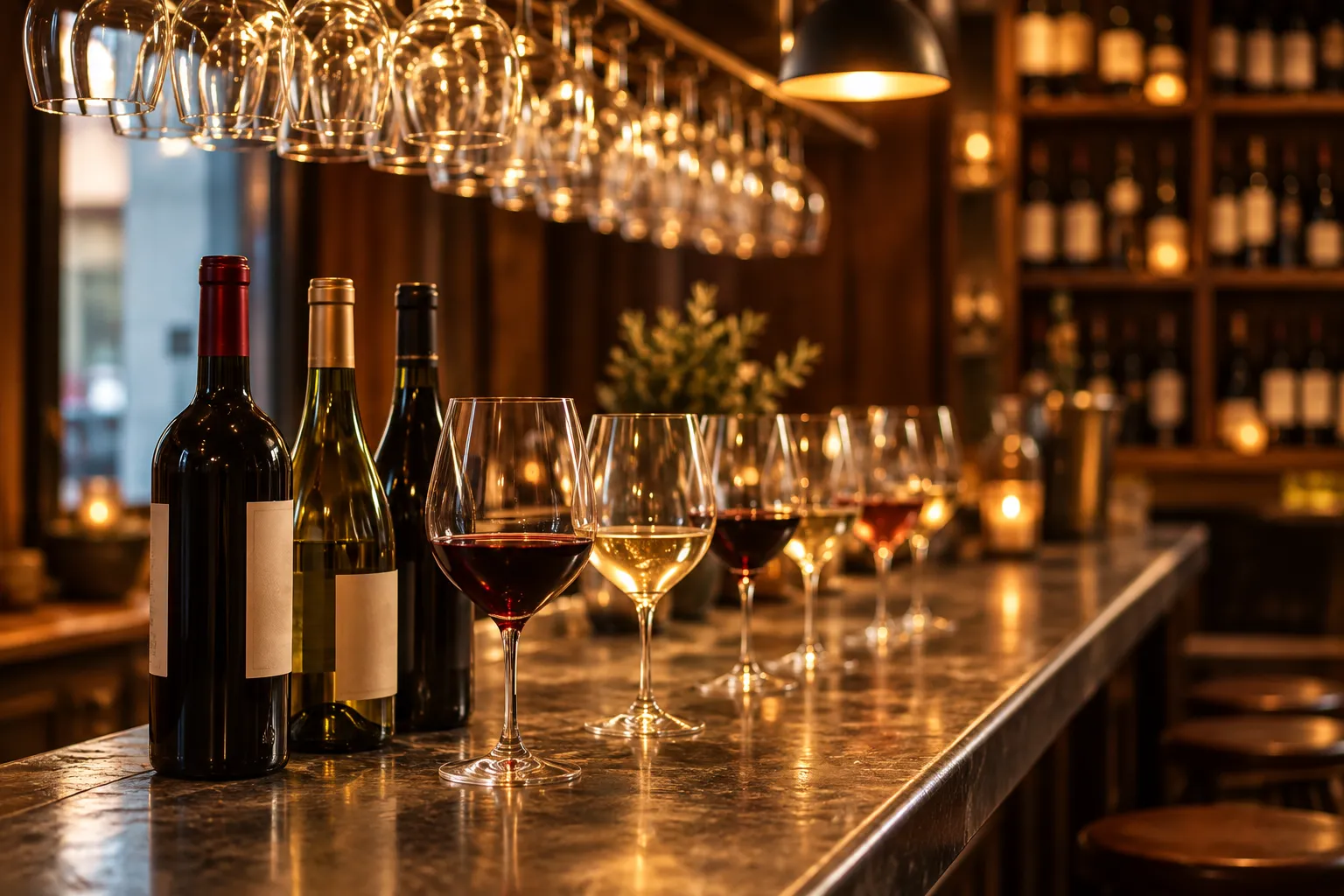
The cellar runs to more than 250 selections, weighted heavily toward Eastern Europe and the eastern Mediterranean: Georgia, Slovenia, Austria, Greece and their neighbours. More than thirty of those are orange wines — white grapes fermented on their skins, which is an ancient method in Georgia and a relatively recent fashion everywhere else.
This is the whole proposition. A list built around Burgundy and Barolo is a list you can navigate on reputation. A list built around Georgian qvevri wines and Slovenian ribolla is one where almost nobody walks in already knowing what they want, including people who know a great deal about wine.
The staff are used to this and are not precious about it. The productive move is to describe what you actually like — something sharp, something with grip, something that tastes like the inside of an apple — rather than reaching for a grape name you half recognise. The list is arranged for that conversation.
What orange wine is, without the lecture
Skin contact means the juice of white grapes is left sitting on its skins during fermentation, the way red wine is made. The result picks up colour, tannin and a savoury, sometimes slightly oxidative character that people either take to immediately or need a plate of food to make sense of.
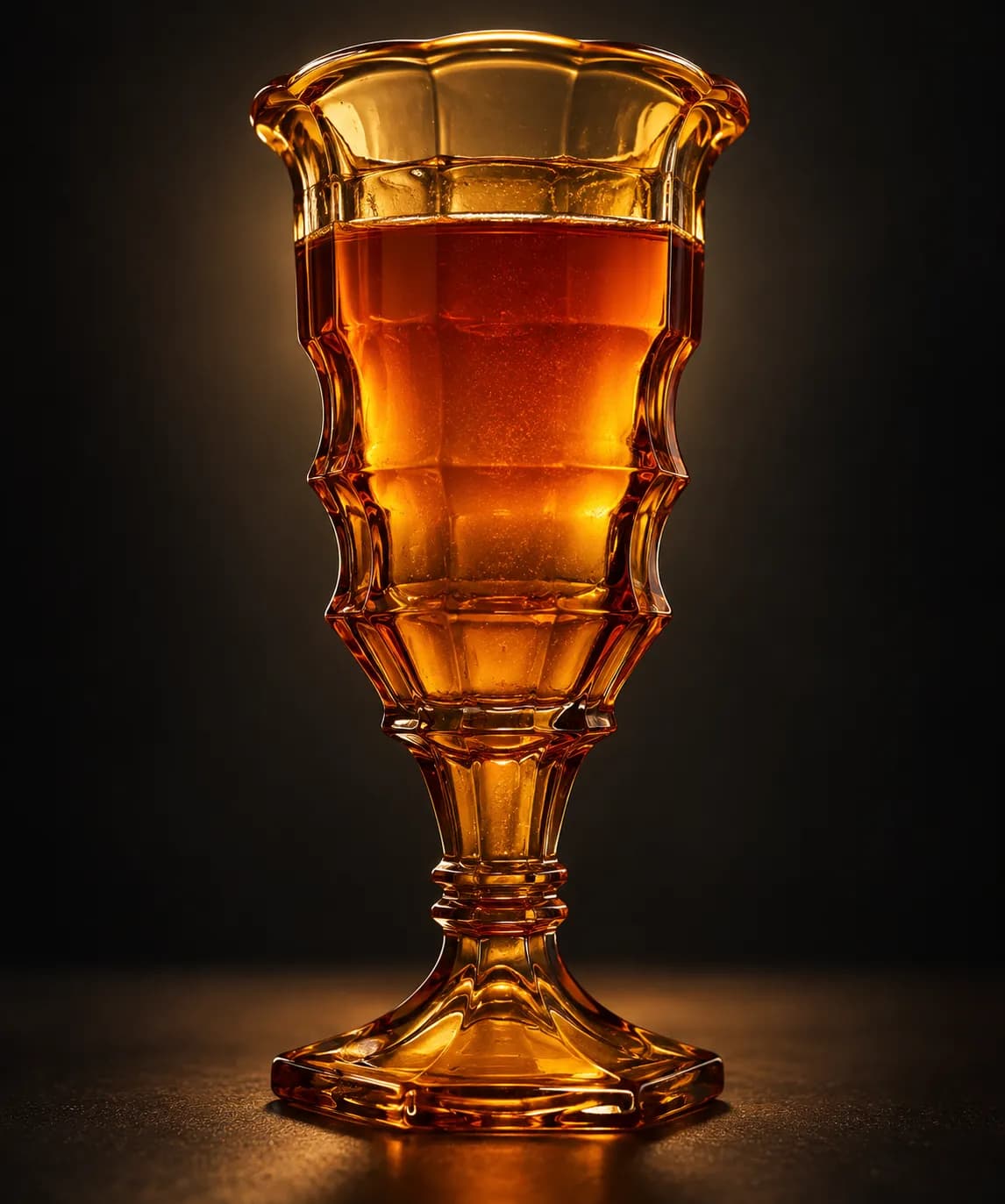
The range within that category is enormous, which is the part that surprises people. A light, floral skin-contact wine from Austria and a dense, tannic Georgian amber are barely the same drink. If you tried orange wine once and did not like it, that says less than you think it does, and this is the list on which to test the proposition properly.
If you would rather not commit to a bottle, the by-the-glass pours are where to run the experiment. Two contrasting glasses will tell you more about your own palate than a bottle of one thing will.
The kitchen is vegetable-first and the menu moves
The food is vegetable-focused and the menu changes quarterly, rotating its regional focus rather than sitting still. That means the dishes are built to sit alongside the current shape of the wine list rather than being a generic bar menu bolted onto it, and ordering food and wine together produces a better result than treating them as separate decisions.
It also means anything you read about the menu more than a few months old is describing a version that no longer exists. Go with what is written up when you arrive rather than arriving with a dish in mind.
The room, and where to sit
The space is split in two: one side organised around a communal high-top, the other a small and considerably more intimate dining room. These produce genuinely different evenings. The high-top is for a drink and a conversation with whoever ends up next to you; the back room is for sitting down properly and ordering several things.
If you have a preference, say so when you book, because the two sides are not interchangeable and you will be seated wherever there is room otherwise.
What the Bib Gourmand is telling you
Michelin's Bib Gourmand is not a star and is not trying to be. It marks good cooking at a fair price, and a bar holding one continuously since 2020 is being told, every year, that the kitchen is doing real work and not charging fine-dining money for it.
That is a more useful signal here than a star would be, because it sets expectations correctly. This is not a tasting-menu evening. It is a place where you can order three or four vegetable dishes and a bottle and leave having spent what a main course costs a few blocks west.
It also explains the room's density. A bar with a serious list, a serious kitchen and East Village prices is going to be full, and the recognition has only made that more true each year.
Going alone
The communal high-top makes this one of the better solo wine bars in the neighbourhood. A single seat at a shared table is not an awkward proposition here the way it is at a room full of two-tops, and the early hours in particular are quiet enough that the person pouring has time to talk.
That is also the cheapest way to work through an unfamiliar list. Two glasses and one vegetable dish, on a Tuesday at five, teaches you more about what you like than a booked table on a Saturday ever will.
Practical notes
Ruffian is at 125 East 7th Street in the East Village. It opens at four in the afternoon Monday to Friday and at three at the weekend, and runs until half eleven most nights, with the kitchen closing around half past ten. Sunday finishes earlier.
Reservations are worth making. It is a small room in a busy neighbourhood and it fills; walk-ins are possible but you are gambling, particularly after seven. The early hours, between four and six, are the reliably calm ones and the best time to actually talk to whoever is pouring.
There is a separate retail wine shop under the same name, which is a different address and a different proposition. If you are searching online and land on the shop, that is not the bar.
Tags: #ruffian #ruffiannyc #eastvillage #nyc #newyork #winebar #orangewine #naturalwine #skincontact #bibgourmand #eastvillagenyc #winelist #nycbars #manhattan
Please drink responsibly. Must be of legal drinking age.
All trademarks are the property of their respective owners.
Ask Karpo first
Ruffian's list is built around Georgian, Slovenian and Austrian bottles that almost nobody can order from memory. Ask Karpo how to describe what you like so the staff can point you at the right one, and whether you need to book.