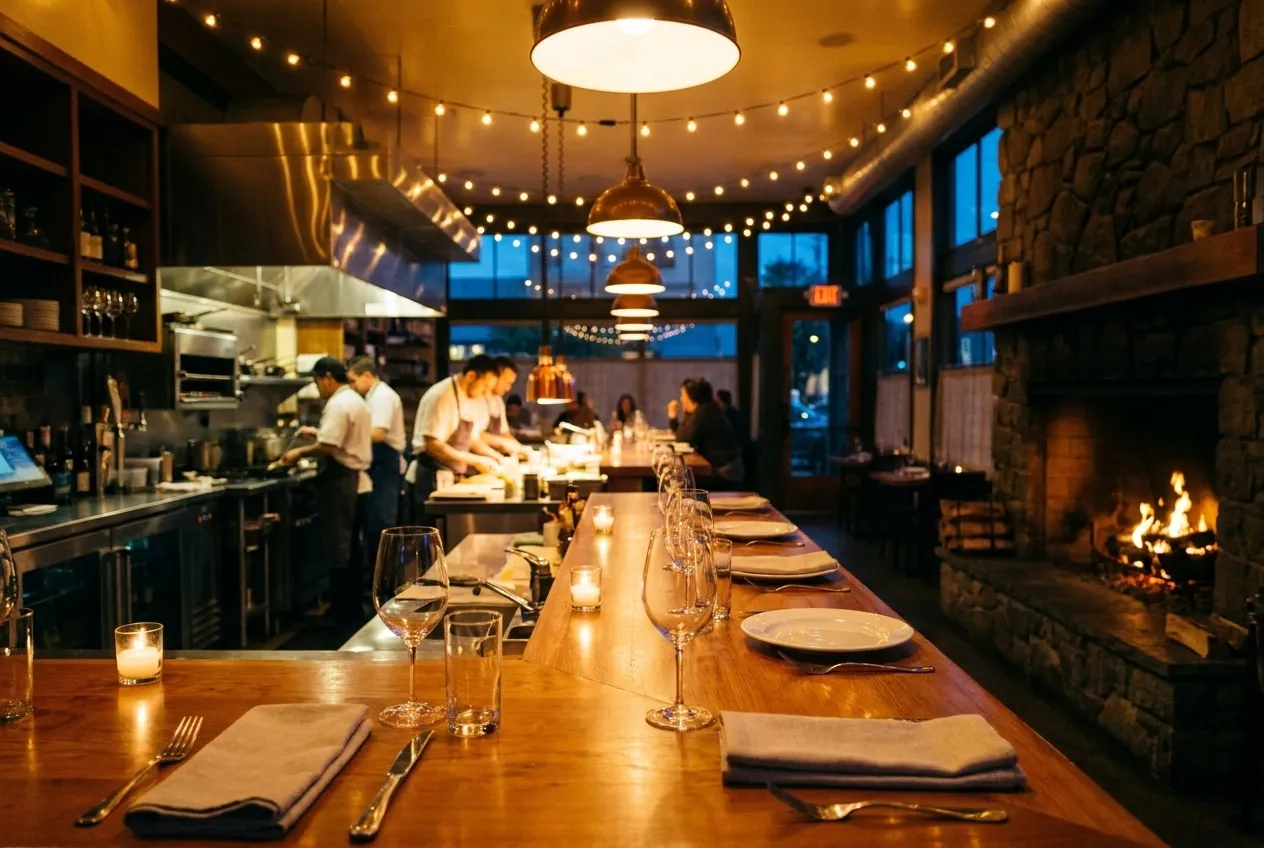
Northern California makes world-class cheese about an hour from the city and world-class wine about the same distance in the other direction, which is why San Francisco has an unusually deep bench of people who will teach you how the two go together. A pairing class here is not a novelty; it is a two-hour class taught by someone who does this professionally, and it is the single most efficient way to stop guessing at a cheese counter for the rest of your life.
Karpo can find pairing classes and counter tastings near you with seats left this month.
What a class actually consists of
The standard format runs ninety minutes to two hours, seats between eight and twenty-five people, and works through five or six cheeses against four to six wines. Someone talks about milk type, ageing and texture, you taste in a deliberate order, and you try the combinations that work alongside at least one that deliberately does not.
The deliberate failure is the most valuable part. Tasting a big tannic red against a fresh goat cheese, and understanding why it is unpleasant, teaches more than six successful pairings do. A class that only shows you things that work is a tasting with commentary rather than a class.
Prices, sizes and booking lead time
Expect somewhere between forty-five and ninety dollars a head depending on the wines and the venue, with the higher end reflecting either better bottles or a seated dinner format. Class sizes at the good ones are capped low enough that you can ask questions, which is the entire reason to attend in person.
Popular classes book out one to three weeks ahead, and seasonal ones — around the holidays especially — go faster than that. If you are buying it as a gift, buy it in the month before you need it, not the week.
Where they happen
Cheese shops and specialist counters run the most consistent programmes, and the Ferry Building and the shops around the Mission and Hayes Valley are where the density is. Wine bars run their own versions, usually more wine-led with cheese in support. Cooking schools and community education programmes run longer, more structured courses for people who want the full picture.
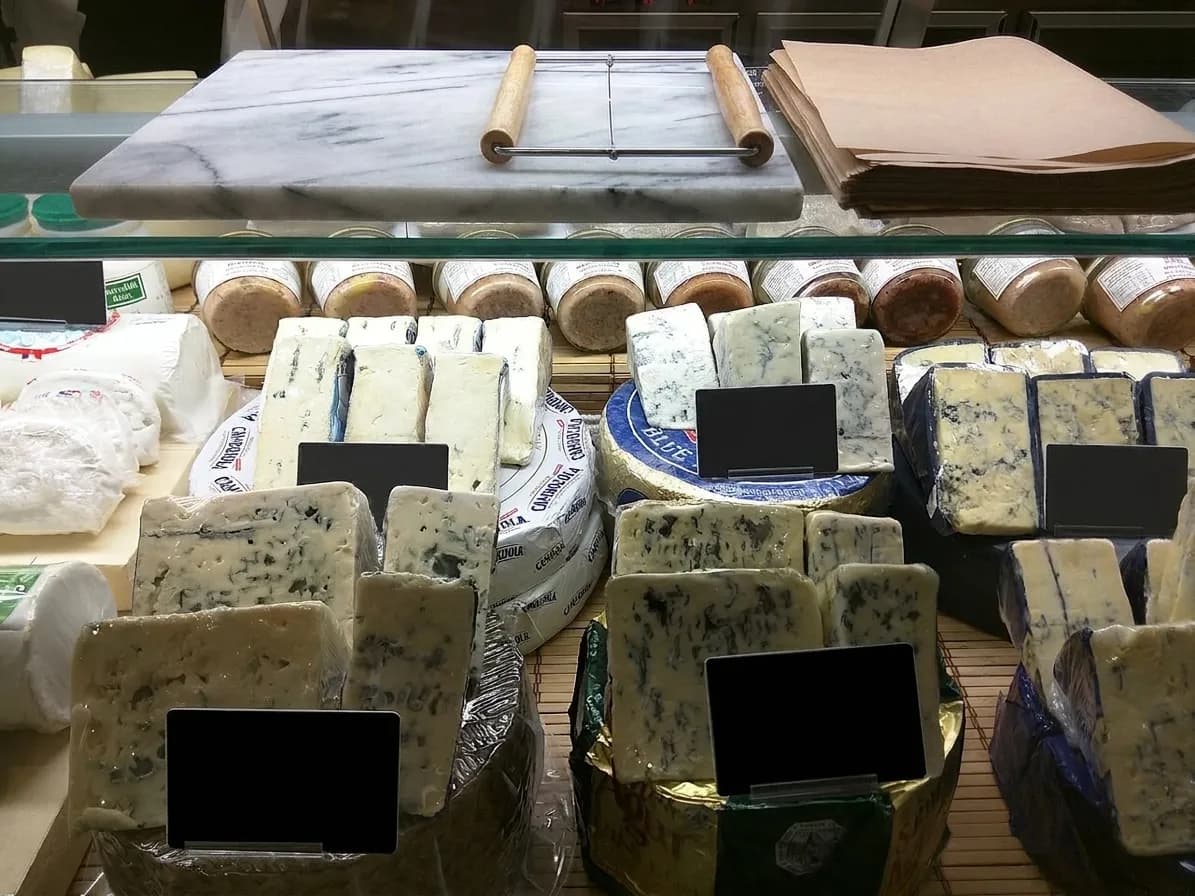
There is also a version worth knowing about that costs nothing: standing at a good cheese counter and asking for a taste. Any serious counter in this city will cut a sliver of two or three things and talk you through them, which is a real education delivered five minutes at a time.
Northern California's proximity to the producers is what makes the counters here unusually good. A significant amount of what you will taste is made within a two-hour drive, arrives young and is sold in better condition than the same style shipped across a continent. Asking specifically for something local is not a novelty request; it frequently produces the best thing in the case that week.
The rules that actually hold
A few principles do most of the work. Acidity in the wine cuts through fat in the cheese, which is why crisp whites and sparkling wines are far more versatile partners than big reds. Sweetness pairs with salt, which is the entire basis of blue cheese with a sweet wine. And intensity should be matched, so a delicate cheese with a delicate wine and a pungent one with something that can stand up to it.
The most useful and least intuitive rule is that white wine is the safer default for a cheese board. Most people reach for red, most red is too tannic for most cheese, and a bottle of high-acid white or something sparkling makes a mixed board work far more reliably. Regional matching — cheese and wine from the same place — is the other shortcut that works surprisingly often.
Building a board without a class
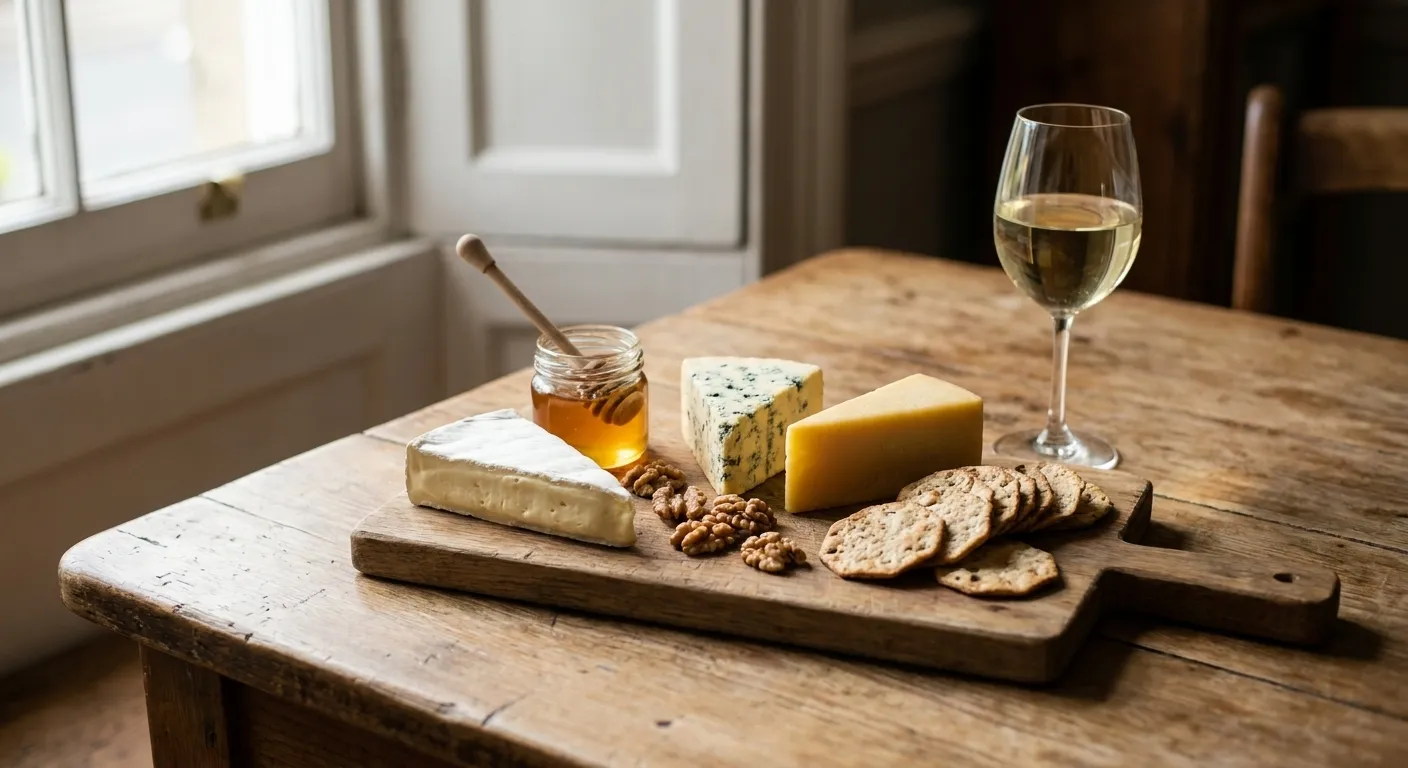
Three to five cheeses is the right number, chosen for contrast rather than volume: something fresh and soft, something semi-firm and nutty, something aged and crystalline, and a blue if the group likes it. Roughly two ounces per person per cheese for a starter-sized board.
Take everything out of the refrigerator forty-five minutes to an hour before serving, because cold cheese tastes of very little and this is the single most common mistake. Bread, a plain cracker, a bit of honey and something acidic like cornichons complete it, and a sparkling wine handles the whole board if you only want to open one bottle.
Using a counter properly
Say what you are doing rather than what you want. A board for six after dinner, one blue, nothing too pungent, around forty dollars — a good counter turns that into five excellent choices in ninety seconds. Trying to name cheeses you half-remember produces worse results and takes longer.
Ask for tastes and ask what is in good condition right now, because cheese is seasonal and a wheel has a window. The answer to what is best today is genuinely different in March and September, and the person behind the counter has been waiting all day for somebody to ask.
Turning one class into a habit
The pattern that sticks is one class to get the framework, then a monthly small board bought from the same counter as you work through what they carry. The staff start remembering you, which in a cheese shop means being handed slivers of things that just came in, and that is where the actual learning happens.
It also scales well as a way to have people over. A board, two bottles and no cooking is the lowest-effort hosting available in this city, and after a class you can explain what everybody is eating, which makes it look like considerably more effort than it was.
Tags: #SFWine #CheesePairing #WineTasting #SanFrancisco #FerryBuilding #CookingClass #CreativeWorkshops #WineAndCheese #BayArea #DrinkResponsibly #DateNight #CheeseBoard #FoodieSF #WineLovers
Please drink responsibly. Must be of legal drinking age.
All trademarks are the property of their respective owners.
Ask Karpo first
Want a class near you with seats left this month? Ask Karpo and get it booked.