Why True Crime Remains a New York Obsession
True crime has woven itself into the fabric of New York City culture, from podcast listeners on the subway to walking tours that trace infamous cases through downtown streets. The genre's enduring appeal in 2026 reflects more than morbid curiosity—it taps into the city's layered history, its public archives, and a collective desire to understand how urban life intersects with justice, memory, and safety. New Yorkers engage with true crime not only as entertainment but as a lens for examining the systems that shape their neighborhoods, from policing practices to the preservation of historical records.
Hooked on true crime? Ask Karpo for NYC's best true-crime tours, talks, and spots to dig into.
This fascination is grounded in access. The NYPD publishes citywide crime statistics through its public portal, offering residents transparent data on incidents, arrests, and trends across all five boroughs. These numbers provide context that moves beyond sensational headlines, helping New Yorkers distinguish between perception and reality when it comes to neighborhood safety. Meanwhile, institutions like the NYC Department of Records and Information Services maintain Municipal Archives collections that document centuries of city history, including court records, police reports, and coroner files that researchers and enthusiasts use to piece together stories from the past.
Educational Institutions and Public Safety Research
John Jay College of Criminal Justice stands as a cornerstone of New York's engagement with crime, justice, and public safety. Located in Midtown Manhattan, the college offers undergraduate and graduate programs in forensic science, criminology, law enforcement, and related fields, training thousands of students who go on to work in city agencies, legal offices, and advocacy organizations. The institution also conducts public safety research that informs policy debates, from bail reform to community policing models, making it a hub where academic inquiry meets real-world application.
Public lectures, symposia, and community forums hosted by John Jay and similar institutions give New Yorkers opportunities to engage with criminal justice topics beyond the podcast format. These events often feature scholars, former investigators, and legal experts who discuss case studies, systemic issues, and ethical considerations in crime reporting. For residents interested in understanding the mechanics of justice rather than just the drama of individual cases, these programs offer a grounded, evidence-based alternative to purely entertainment-driven true crime content.
Historic Sites and the Memory of Urban Crime
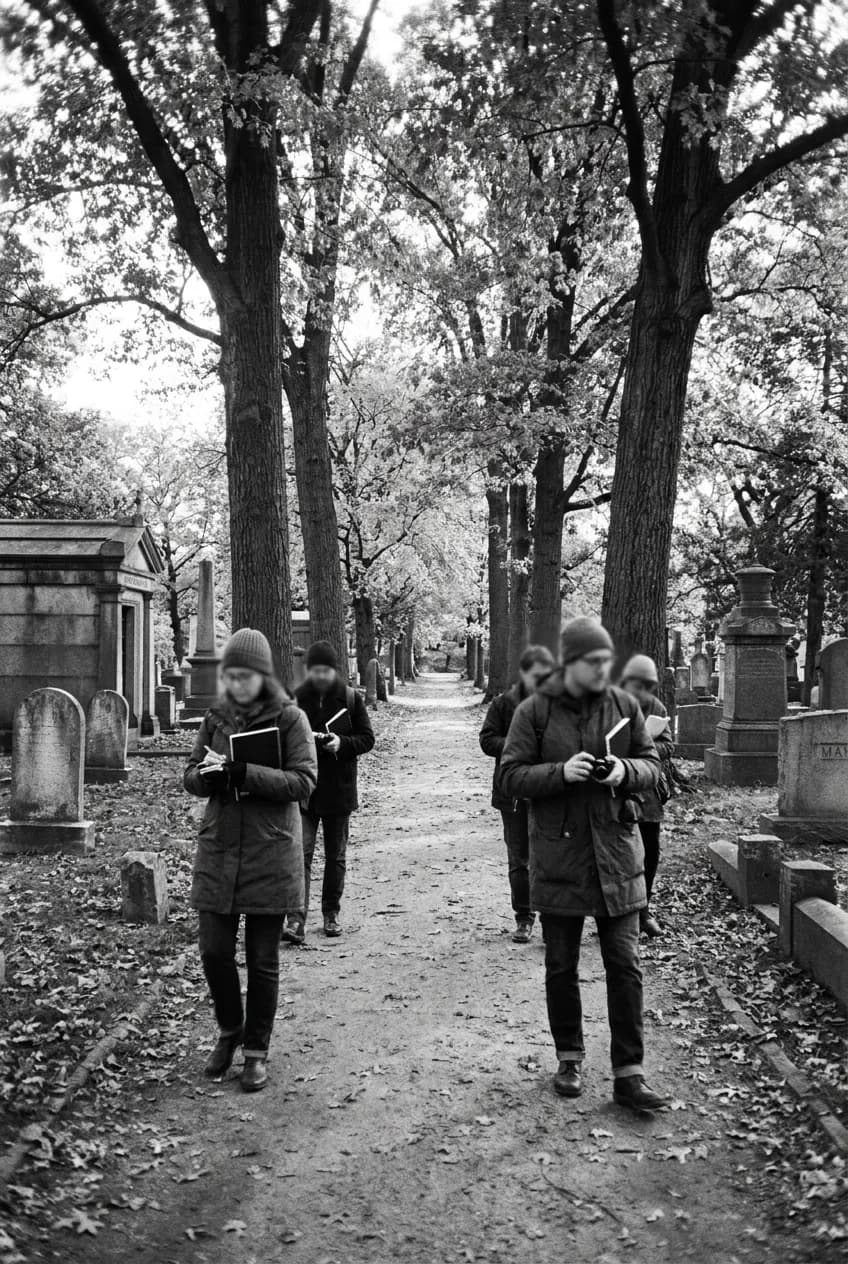
Green-Wood Cemetery in Brooklyn runs public programs that connect New York history, mortality, and urban memory, including walking tours and talks that explore the lives—and sometimes deaths—of notable figures buried on its grounds. These events approach historical crime and tragedy with care, framing them within broader social and cultural narratives rather than as spectacle. Visitors learn about 19th-century epidemics, labor struggles, and the evolution of the city's legal and medical systems, all while walking through one of the nation's most significant historic landscapes.
Other historic institutions across the city similarly balance preservation with storytelling. The Municipal Archives, accessible to the public by appointment, hold records that document everything from tenement fires to organized crime investigations, offering researchers primary sources that reveal how New Yorkers lived, worked, and sometimes broke the law. These archives serve journalists, filmmakers, historians, and curious residents who want to understand the city's past without relying on secondhand accounts or dramatized retellings. Engaging with original documents fosters a more nuanced appreciation of how crime and justice have shaped urban life over generations.
Navigating Ethics in True Crime Consumption
Responsible true crime coverage should avoid glorifying harm, trespassing, or turning victims' private lives into entertainment. As the genre has grown, so have concerns about exploitation, particularly when cases involve families still grieving or communities still healing. Ethical consumption means choosing content that centers victims' humanity, respects legal boundaries, and acknowledges the systemic factors—poverty, discrimination, inadequate mental health services—that often underlie criminal acts. New Yorkers who engage with true crime have a role in shaping demand for thoughtful, justice-oriented storytelling rather than sensationalism.
This ethical framework extends to in-person experiences. Walking tours that visit crime scenes or former investigation sites should prioritize historical context and community impact over shock value. Participants should never trespass on private property, disturb memorials, or treat tragedy as a photo opportunity. Tour operators and content creators who fail to maintain these standards risk deepening harm and disrespecting the real people whose lives intersected with violence. Choosing responsibly produced tours and media helps ensure that true crime culture contributes to public understanding rather than voyeurism.
Public Data and Transparency in Safety Narratives
The NYPD's public crime statistics portal allows residents to track incidents by precinct, category, and time period, offering a data-driven counterpoint to anecdotal fears or media hype. By reviewing these numbers, New Yorkers can see whether their neighborhood has experienced an uptick in specific crimes or whether broader citywide trends are at play. This transparency supports informed conversations about policing, resource allocation, and community safety, moving the discussion beyond reactive headlines and toward evidence-based policy.
Access to public data also empowers journalists, advocates, and researchers to hold institutions accountable. When crime reporting is grounded in verified statistics rather than speculation, it becomes a tool for civic engagement rather than fear-mongering. For true crime enthusiasts, consulting official data before diving into a case adds rigor and context, helping distinguish between isolated incidents and systemic issues. This practice aligns with the best traditions of investigative journalism and public interest research, both of which have deep roots in New York City.
Balancing Curiosity with Community Respect
True crime culture in New York thrives when it balances curiosity with respect for the communities and individuals affected by violence. This means supporting content creators who collaborate with victims' families, highlight restorative justice efforts, and avoid exploiting tragedy for clicks. It also means recognizing that behind every case are real people—survivors, witnesses, investigators, and families—whose experiences deserve dignity and care. Engaging with true crime responsibly requires ongoing reflection about why we consume these stories and what impact our consumption has on others.
As the genre continues to evolve, New Yorkers have the opportunity to shape its direction by demanding higher standards and supporting institutions that prioritize education, ethics, and historical accuracy. Whether attending a lecture at John Jay College, exploring the Municipal Archives, or joining a thoughtfully designed walking tour, residents can engage with crime and justice narratives in ways that deepen understanding rather than simply satisfy curiosity. This approach honors the city's complex history while contributing to a more informed, compassionate public discourse.
Practical notes
- Access NYPD citywide crime statistics at nyc.gov/site/nypd/stats/crime-statistics to review incident data by precinct and category before visiting unfamiliar neighborhoods.
- Schedule an appointment with the NYC Municipal Archives to research historical records; confirm current access policies and hours before planning your visit.
- Check the John Jay College public events calendar for lectures, symposia, and community forums on criminal justice topics open to the public.
- Review Green-Wood Cemetery's calendar at green-wood.com/calendar for walking tours and talks that explore New York history, mortality, and urban memory.
- Choose true crime tours and content that prioritize ethical storytelling, respect victims' families, and avoid trespassing or sensationalizing tragedy.
Tags: #TrueCrimeCulture #NYCHistory #PublicRecords #CitySafety #JohnJayCollege #MunicipalArchives #GreenWoodCemetery #CriminalJustice #EthicalStorytelling #NYPDStats #UrbanMemory #HistoricNYC #CommunityRespect #PublicSafety #NYCCulture
Sources consulted: NYPD citywide crime statistics · NYC Municipal Archives · John Jay College · Green-Wood events
All trademarks are the property of their respective owners.
Ask Karpo first
Curious about the latest public programs at John Jay College or upcoming walking tours at Green-Wood Cemetery? Ask Karpo for current schedules, access details for the Municipal Archives, and recommendations for responsibly produced true crime content that centers historical accuracy and community respect. Karpo can also help you navigate the NYPD's crime statistics portal to understand safety trends in specific neighborhoods before you explore.