 Mediterranean Food Near Me in Fort Greene: Miss Ada's Garden and Hummus
Neighborhood Guides
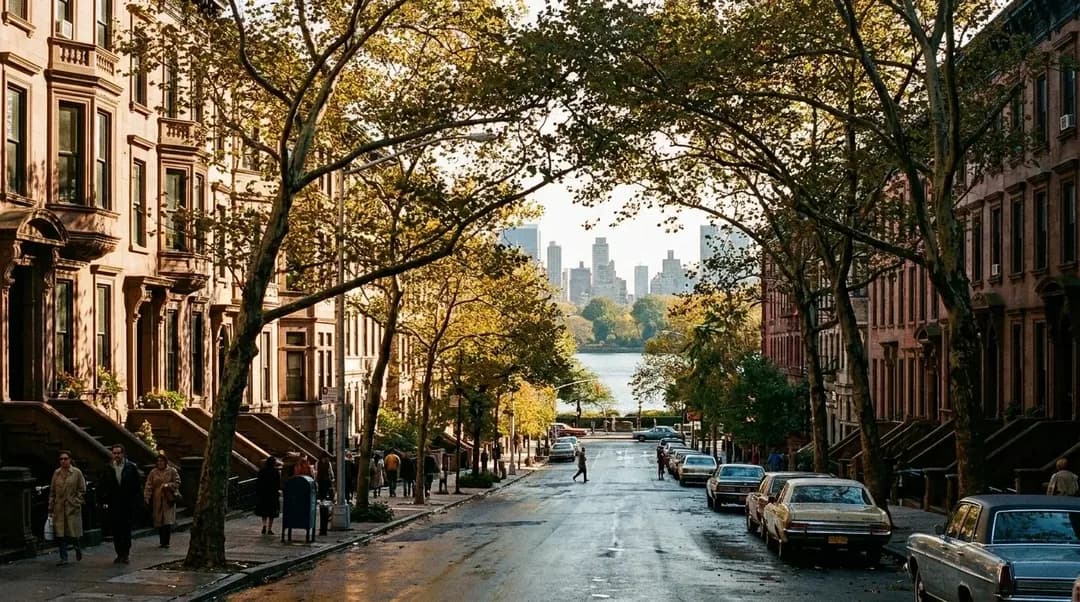
Why the Upper West Side Still Wins for Low-Effort Self-Dates
Between two parks and a grid of reliable cafés, bookstores, and quiet bars, the neighborhood makes solo outings feel less like a performance and more like maintenance you actually want to do.
New York City has more single adults than any other major U.S. metro—over 3 million New Yorkers have never been married—and the dating landscape here is widely described as brutal. Long work hours, sky-high cost of living, and hyper-transient social networks make commitment feel impossible. But the Upper West Side offers a different kind of solution: the self-date that doesn't require a partner, a plan, or even a destination. Bounded by Central Park on the east and the Hudson River on the west, stretching from West 59th Street to West 110th Street, the neighborhood delivers what locals actually need—low-friction solo time that feels restorative rather than performative. The infrastructure is already there: two major parks, a grid of cafés that don't rush you, bookstores with chairs, and bars where sitting alone doesn't draw attention.
Text Karpo at (332) 334-2527 for recommendations that match your actual routine, not a tourism checklist.
The Two-Park Advantage Solves the Route Problem
Most self-dates fail at the planning stage. You want to go somewhere but don't want to commit to a specific activity or timeline. The Upper West Side eliminates that friction by offering two distinct parks on opposite sides of the neighborhood. Central Park sits on the east, Riverside Park on the west, and the residential blocks between them are walkable without feeling like a trek. You can start at one park, walk west through the neighborhood's tree-lined streets, and end at the other without retracing your steps or making a single decision beyond which direction to walk. The neighborhood scores 9.5 out of 10 for transit and 9 out of 10 for practical living on DwellCheck's composite index, which means you can get here easily and move through it without checking a map every block.
Central Park's western edge along Central Park West offers the Reservoir loop, the Ramble's winding paths, and Belvedere Castle—all accessible without entering the tourist-heavy southern sections near Columbus Circle. Riverside Park runs along the Hudson from West 59th Street to West 155th Street, with dedicated bike paths, dog runs, and waterfront benches that face New Jersey rather than other people. The stretch between West 72nd and West 96th Streets is particularly useful for solo walks because it's wide enough to avoid feeling crowded but populated enough to feel safe at dusk. If you're checking weather before heading out, plan for Riverside Park on windy days—the Hudson breeze is real—and Central Park when you want tree cover.
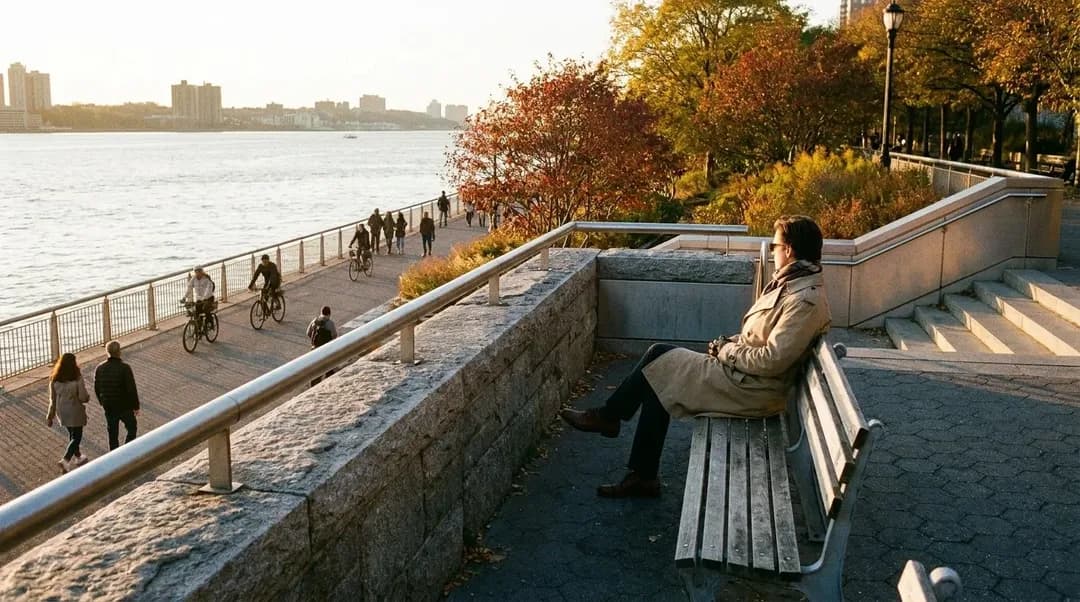
Cafés and Bookstores That Don't Rush Solo Customers
The neighborhood's café culture accommodates people who sit alone with a book or laptop without making it feel like a statement. This isn't about trendy coffee shops with Instagram-worthy interiors; it's about places where staff won't hover after you finish your drink and other customers aren't performing for an audience. The Upper West Side's residential density supports cafés that rely on regulars rather than foot traffic, which changes the entire dynamic. You're not taking up a table someone else needs—you're part of the baseline customer base that keeps the place open on a Tuesday afternoon.
Bookstores in the neighborhood function the same way. They have chairs, they expect people to browse without buying, and they're quiet enough for actual reading rather than just photo opportunities. The Upper West Side is known for cultural destinations like the Natural History Museum and Lincoln Center, but the less-publicized infrastructure—the bookstores with seating, the cafés with outlets, the bars where solo customers blend in—is what makes self-dates work here. You don't need a reservation, a plan, or a reason. You just show up, claim a spot, and stay as long as you want. The neighborhood's layout supports this: Broadway and Amsterdam Avenue run parallel through the entire area, lined with storefronts that change every few blocks but maintain a consistent density of third places.
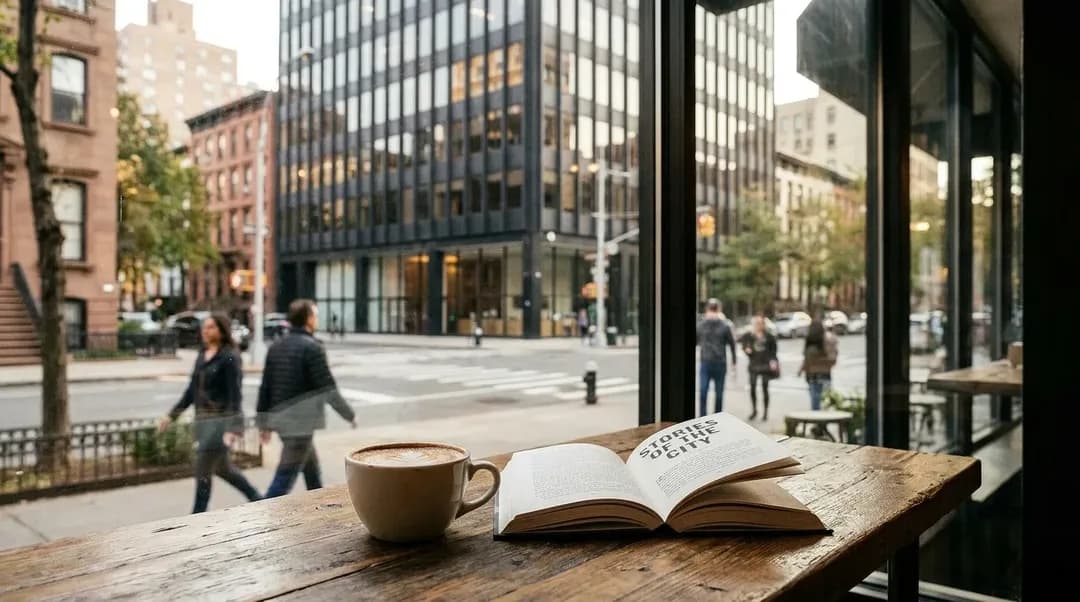
Bars and Restaurants Where Eating Alone Feels Normal
Solo dining in New York often feels like you're either being pitied or taking up a table meant for two. The Upper West Side's bar and restaurant scene skips both problems. The neighborhood has enough counter seating, corner tables, and casual spots where eating alone registers as normal rather than noteworthy. This isn't about finding a single perfect restaurant—it's about having enough options that you can choose based on what you actually want to eat rather than which place will make you feel least awkward. The Upper West Side's restaurant density supports this: you can walk two blocks in any direction and find something that works.
The neighborhood's bar scene also accommodates solo customers without the performative loneliness of sitting alone in a loud, crowded space. Relaxed bistros and a lively bar scene defy expectations in this uptown neighborhood, according to Compass's neighborhood guide. The key is finding spots where the bar itself functions as seating rather than just a waiting area for tables. Look for places with bartenders who acknowledge regulars without forcing conversation, TVs that provide ambient focus without dominating the room, and a crowd that includes other people sitting alone. The Upper West Side delivers this more consistently than downtown neighborhoods where bars cater to groups and solo customers feel like they're crashing someone else's night. Timing matters: arrive between 5 and 7 p.m. to claim a spot before the dinner rush, or after 9 p.m. when tables have turned and the pace slows.
The Low-Traffic Advantage Makes Walking the Default
Manhattan Community Board 7 on the Upper West Side narrowly passed a resolution in April 2026 asking the Department of Transportation to pilot a small low-traffic neighborhood configuration—a traffic-calming strategy designed to keep cars off quiet residential streets. The proposal reflects what locals already know: the neighborhood's side streets are walkable in a way that makes solo exploration feel safe and pleasant rather than stressful. You're not dodging delivery trucks or timing crosswalks—you're just walking. The Upper West Side is one of the safest neighborhoods in Manhattan, according to residents discussing the area on Reddit, and that safety extends to solo activities at all hours.
The neighborhood's grid layout between Central Park West and Riverside Drive makes navigation intuitive even if you're not paying attention. Streets run east-west, avenues run north-south, and you can't get lost for more than a block before hitting a landmark. This removes the cognitive load that makes solo outings feel like work. You don't need to plan a route, check directions, or worry about ending up somewhere unfamiliar. Just pick a direction and walk. The residential blocks between Broadway and West End Avenue are particularly useful for this—they're quiet enough to think but active enough to feel populated. If you're walking after dark, stick to Broadway or Amsterdam Avenue where storefronts stay lit and foot traffic remains steady.
Practical Notes
- Check weather before choosing between Central Park (better tree cover) and Riverside Park (more exposed to wind off the Hudson).
- Arrive at cafés and bars between 2–4 p.m. or after 9 p.m. to avoid peak crowds and claim better seating.
- The 1, 2, 3 subway lines run the length of the neighborhood along Broadway; use them to jump between blocks without surface walking.
- Residential side streets between Broadway and West End Avenue are quietest for walking; Broadway and Amsterdam Avenue have the most storefronts.
- Riverside Park's stretch between West 72nd and West 96th Streets offers the best waterfront access without heavy tourist traffic.
- Bookstores and cafés near Lincoln Center (around West 65th Street) and the Natural History Museum (around West 81st Street) get crowded on weekends; explore blocks north of West 86th Street for quieter options.
- The neighborhood's bar scene works best for solo customers at counter seating rather than tables; arrive early to claim those spots.
The Upper West Side works for self-dates because it removes the friction that makes solo outings feel like a project. You don't need a plan, a reservation, or a reason to be there. The infrastructure—two parks, walkable blocks, cafés that don't rush you, bars where sitting alone is normal—already exists. The neighborhood's residential density means it's built for people who live here rather than people passing through, which changes the entire dynamic. You're not performing a solo outing for an audience; you're just using the neighborhood the way it's designed to be used. That's the advantage.
Tags: #upperwestside #uws #nycneighborhoods #solodates #selfdates #nyclocals #manhattanliving #centralparknyc #riversidepark #nycwalks #nycbars #nycrestaurants #manhattanlife #newyorklife
Sources consulted: Upper West Siders Beg DOT For A 'Low-Traffic Neighborhood' · NYC Dating Statistics 2026: Why Dating Here Is So Hard · Upper West Side - Wikipedia · NYC/UWS newbie with a question for those familiar with the area · Upper West Side Neighborhood Guide | Explore the Area · Living in the Upper West Side (2026): What It's Actually Like
All trademarks are the property of their respective owners.
Ask Karpo for more information.
Keep reading
- Mediterranean Food Near Me in Fort Greene: Miss Ada's Garden and Hummus
 Places To Eat Near Me in Chelsea: The Market Fills a Nabisco Factory
 Seafood Near Me in the East Village: The Mermaid Inn's Dollar Oysters