 Mediterranean Food Near Me in Fort Greene: Miss Ada's Garden and Hummus
Neighborhood Guides

Why the Chinatown-to-Nolita Walk Still Works for Dates When One Person Hates Overplanning
Two adjacent Lower Manhattan neighborhoods offer enough structure to feel intentional and enough flexibility to let the evening unfold without a rigid itinerary or reservation anxiety.
Dating someone who refuses to commit to a restaurant three days out or map every hour of an evening used to mean defaulting to the same tired bar. But the Chinatown-to-Nolita corridor solves that tension by offering a route with built-in variety and low commitment thresholds. These two neighborhoods sit directly adjacent—Chinatown runs roughly from Canal Street north to Broome, while Nolita occupies the blocks from Broome up to Houston Street, bounded by the Bowery on the east and Lafayette on the west. The walk between them takes under ten minutes, yet the shift in atmosphere is pronounced enough to feel like a deliberate transition rather than aimless wandering. You get the density and visual interest of a planned outing without needing reservations, timed tickets, or a shared Google Doc.
Text Karpo at (332) 214-7205 to discover walks, food spots, and timing strategies that work when your date's idea of planning is showing up on time.
The Geography Creates Natural Decision Points Without Forcing Them
Chinatown's grid below Canal is tight and chaotic in a way that keeps conversation moving—produce vendors spill onto sidewalks, the smell of roast duck drifts from storefronts, and the visual density means you're never staring at each other in awkward silence. The neighborhood's boundaries are loose but recognizable: Canal Street forms the southern edge where it meets the financial district, the Bowery runs along the east, and Tribeca and Soho press in from the west. This layout means you can start anywhere along Canal and move north without needing to consult a map every three blocks. The walk itself becomes the activity, and if someone spots a bakery or a tea shop, you can duck in without derailing a rigid schedule.
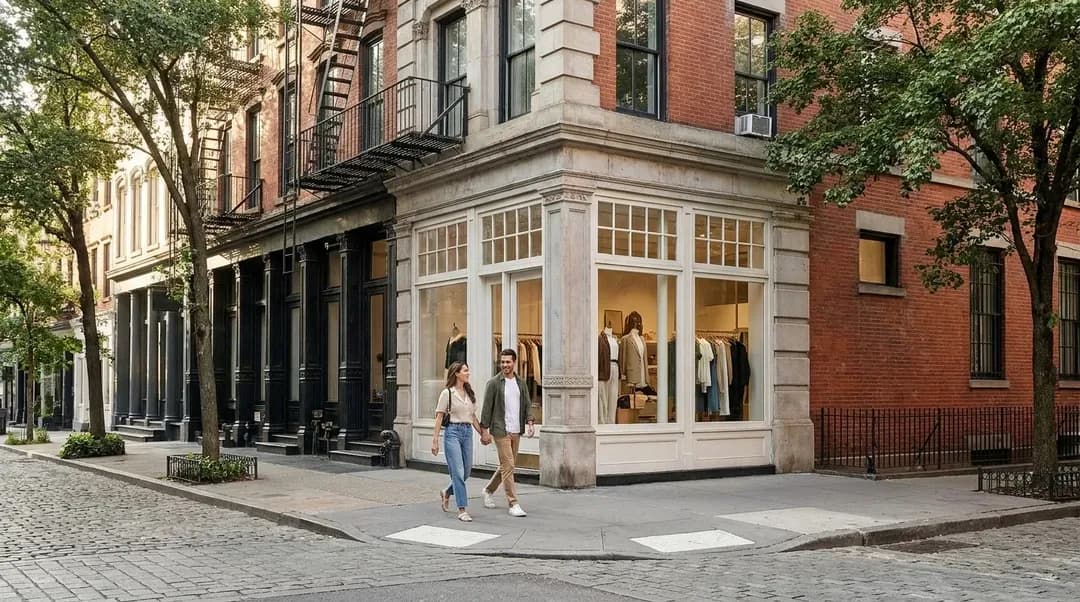
Nolita begins where Chinatown's energy starts to thin out around Broome Street. The blocks between Broome and Houston are narrower, quieter, and lined with small storefronts rather than wholesale suppliers. According to the neighborhood's historical development, Nolita emerged as a distinct area in the 1990s, carved out of what was once considered the northern edge of Little Italy. The name itself—North of Little Italy—reflects that boundary. This transition zone means you're not making a dramatic leap from one scene to another; you're following a gradient that feels organic. If the first person wants to keep walking, the route accommodates that. If the second person wants to stop and browse, there are enough small shops and cafes to make that work without it feeling like a detour.
Chinatown Offers Low-Stakes Starting Points That Don't Require Advance Research
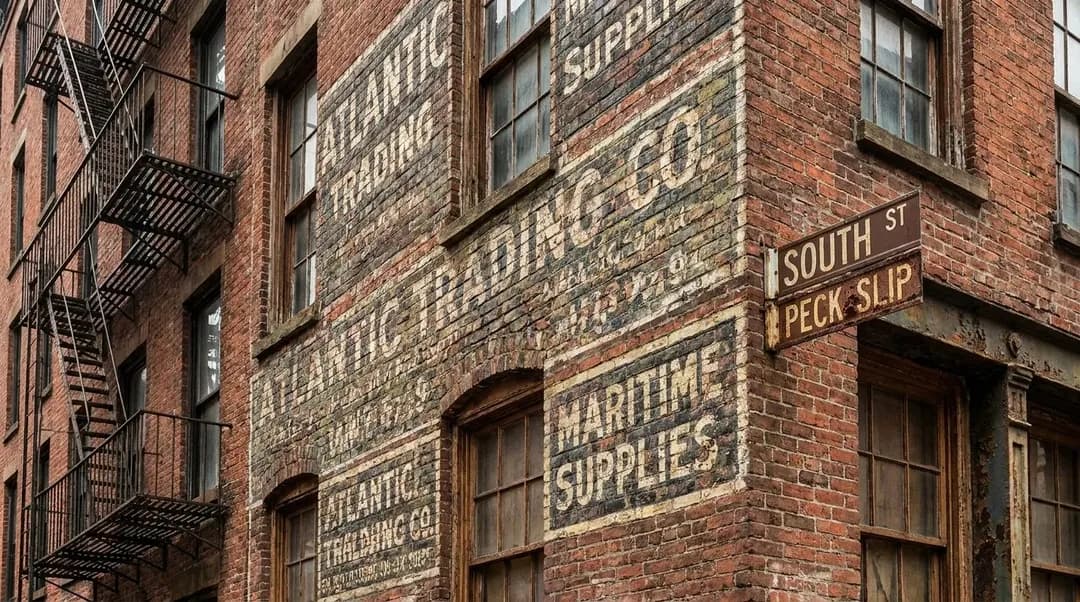
Starting in Chinatown removes the pressure of picking the perfect opening venue. The neighborhood's food options are abundant, inexpensive, and forgiving if you choose poorly—a mediocre dumpling spot is still cheap and fast enough that you can move on without much lost time or money. The blocks around Mott, Mulberry, and Bayard Streets are dense with bakeries, noodle counters, and tea shops that don't require reservations or even much decision-making. You can grab something small, eat it while walking, and let the evening build from there. This approach works especially well when one person is hungry at 6 PM and the other isn't sure yet; you're not locked into a two-hour dinner reservation that one of you will resent.
The neighborhood's ongoing challenges with rising costs and business turnover, as documented in recent community discussions, mean that some longtime establishments have closed, but the density of options remains high enough that you're not scrambling to find something open. The visual environment also does some of the conversational work—fake designer bags on sidewalk tables, elderly residents inspecting produce with practiced efficiency, and the layered signage in multiple languages all provide natural talking points. If you're on a date with someone who gets anxious about long silences, Chinatown's sensory overload is a useful buffer. You can comment on what you're seeing without forcing deep personal revelations in the first thirty minutes.
The Walk North Gives You a Built-In Transition If the Energy Shifts
The ten-minute walk from Chinatown's core up into Nolita serves as a natural reset button. If the conversation in Chinatown felt stilted or if one person is ready for a different pace, the shift in neighborhood tone provides an excuse to recalibrate without announcing it. Nolita's blocks are quieter, the sidewalks wider, and the storefronts skew toward boutiques and small cafes rather than wholesale suppliers and produce stands. This change in texture means you can slow down, make eye contact more easily, and have a different kind of conversation than you could in Chinatown's crowded streets. The transition doesn't require a subway ride or a long walk—you're simply moving north through contiguous blocks.
Nolita's layout also offers more flexibility for the second half of a date. The neighborhood sits between SoHo to the west and the Lower East Side to the east, so if the evening is going well and you want to extend it, you have options in multiple directions without needing to consult transit apps or hail a car. If it's not going well, the same geography makes it easy to part ways at the Spring Street or Bowery subway stations without the awkwardness of a long shared ride. The route's structure provides just enough framework to feel intentional while leaving room for improvisation, which is exactly what works when one person's idea of planning is checking the weather forecast and the other's is a color-coded spreadsheet.
Nolita's Scale Supports Browsing Without the Pressure of Commitment
Nolita's small size—bounded by Houston to the north, the Bowery to the east, Broome to the south, and Lafayette to the west—means you can cover the entire neighborhood in twenty minutes if you're moving with purpose, or stretch it to an hour if you're stopping frequently. This compressed geography is useful on dates because it removes the anxiety of "are we walking too far" or "should we turn back now." You can see the boundaries from most points within the neighborhood, which makes navigation intuitive even for someone who didn't grow up here. The blocks are short enough that suggesting "let's walk one more block" doesn't feel like a major commitment, and if you pass something interesting, you can always loop back without losing much time.
Recent observations about the neighborhood's retail landscape note that Nolita's shopping corridors have become more uniform, with a new generation of small chains and direct-to-consumer brands replacing some of the older independent shops. This shift means the neighborhood is less idiosyncratic than it was a decade ago, but it also means the storefronts are more predictable and less intimidating for someone who isn't a regular. You're less likely to walk into a boutique with a judgmental owner or a cafe with an inscrutable menu. The trade-off is that Nolita can feel a bit polished and less rough around the edges than Chinatown, but that contrast is part of what makes the pairing work—you get grit and texture in the first neighborhood, then a more composed environment in the second.
Practical Notes
- Start near the Canal Street station (N, Q, R, W, J, Z, 6 lines) for easy access; the Bowery station (J, Z) works if you're coming from Brooklyn.
- Check MTA's trip planner before heading out, especially on weekends when subway lines often run on modified schedules or face service changes.
- Chinatown's sidewalks get crowded between 5 PM and 8 PM on weekends; if your date is easily overwhelmed by crowds, aim for a 4 PM start or go on a weeknight.
- Nolita's cafes and small shops typically close by 7 PM or 8 PM; if you want browsing options, don't start too late in the evening.
- The walk between neighborhoods is flat and fully paved, but Chinatown's sidewalks are often obstructed by vendor displays and uneven in spots—wear practical shoes.
- Citi Bike stations are available in both neighborhoods if you want the option to extend the route east toward the Lower East Side or west toward SoHo.
- Weather matters more than you'd think on this route since much of the appeal is walking; check forecasts and have a backup indoor option if it's raining hard.
The Chinatown-to-Nolita walk works because it provides just enough structure to feel like a plan without requiring the kind of advance coordination that makes spontaneous people feel trapped. You get visual variety, built-in conversation starters, and natural exit points if the date isn't working. The route also scales easily—if things are going well, you can extend into adjacent neighborhoods or find a spot to sit and keep talking. If they're not, you can wrap up gracefully without a long awkward subway ride. For locals who've exhausted the obvious date spots and tourists who want to see how New Yorkers actually move through the city, this pairing remains useful precisely because it doesn't try too hard.
Tags: #chinatown #nolita #lowermanhattan #nycneighborhoods #dateideas #walkablenyc #neighborhoodguides #littleitaly #bowery #localdates #nycwalks #manhattanneighborhoods
Sources consulted: Nolita - Wikipedia · Little Italy/NoLIta — CityNeighborhoods.NYC · Little Italy, Manhattan - Wikipedia · Nolita Then and Now: A Historical Transformation | Foods of NY Tours · Chinatown in Manhattan Fights Against Rapid Gentrification · Unique and Fun Date Ideas NYC - Traveling Cheesehead
All trademarks are the property of their respective owners.
Ask Karpo for more information.
Keep reading
- Mediterranean Food Near Me in Fort Greene: Miss Ada's Garden and Hummus
 Places To Eat Near Me in Chelsea: The Market Fills a Nabisco Factory
 Seafood Near Me in the East Village: The Mermaid Inn's Dollar Oysters