 Fast Food Near Me in the East Village: Crif Dogs Deep-Fries Its Franks
Free Things to Do
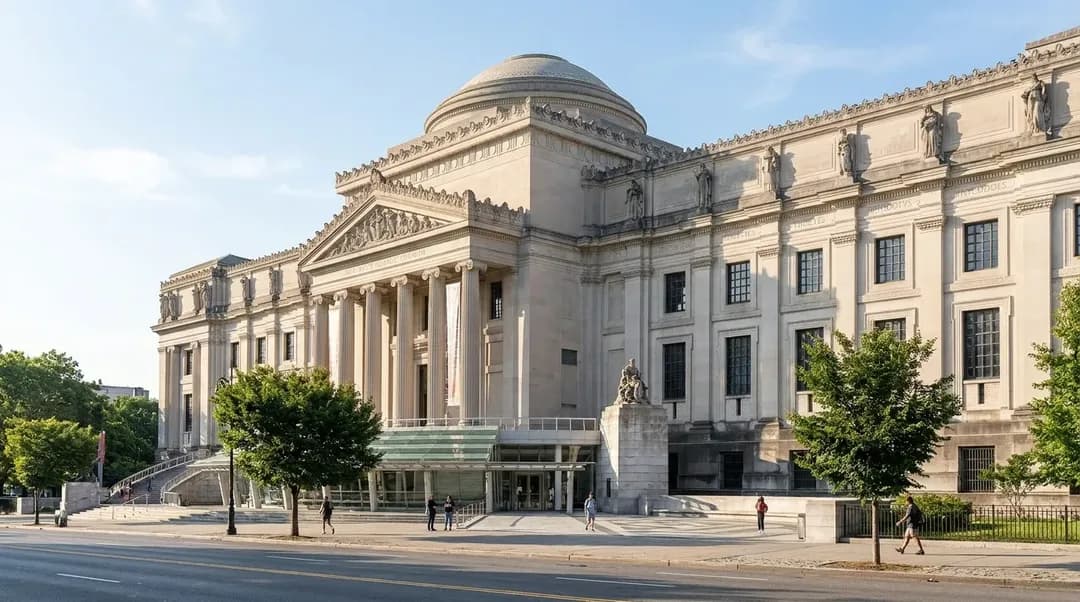
Why the Best Solo Museum Days Start in One Borough and End in Another
Cross-borough museum routes let you move at your own pace, skip the crowds between stops, and discover how different neighborhoods frame the same afternoon in completely different ways.
Most people plan a museum day by picking one institution, maybe two if they're ambitious, and calling it done. But the locals who actually enjoy solo museum visits know that the magic happens in the space between—when you finish at one collection, step onto the train, and let a different borough reset your attention span. A cross-borough route turns gallery fatigue into neighborhood discovery, gives you natural break points when your eyes glaze over, and builds in the kind of unplanned detours that make a day feel like yours rather than a checklist. The city's transit grid makes this easier than it sounds, and the rhythm of moving between boroughs creates a structure that solo visitors can adjust in real time without disappointing anyone else.
Text Karpo at (332) KARPO-NY to get live routing help, real-time museum updates, and backup plans when your energy shifts mid-day.
Why Borough Crossings Work Better Than Single-Neighborhood Loops
When you stay in one neighborhood, every museum starts to blur together—same light, same sidewalk energy, same food options when you need a break. Cross-borough routes force a mental reset because the train ride itself becomes a transition. You're not just moving between buildings; you're shifting contexts. Manhattan's density feels different from Brooklyn's residential scale, and that difference gives your brain permission to engage with the next collection on its own terms rather than as an extension of what you just saw. Solo visitors benefit most from this because you're not negotiating with anyone else's pace or preferences—you can decide on the platform whether to continue or pivot entirely.
The practical advantage is that borough crossings naturally space out your stops. If you're starting at the Brooklyn Museum and considering the Met afterward, that's a forty-minute ride that doubles as a rest period. You're not forcing yourself to power through because the next gallery is only three blocks away. The commute becomes part of the experience, not dead time. And if you realize halfway through the ride that you'd rather walk the High Line than see another painting, you can just get off early. That flexibility is why seasoned solo museum-goers plan routes that cross water or major park boundaries—it builds in decision points without requiring advance commitment.
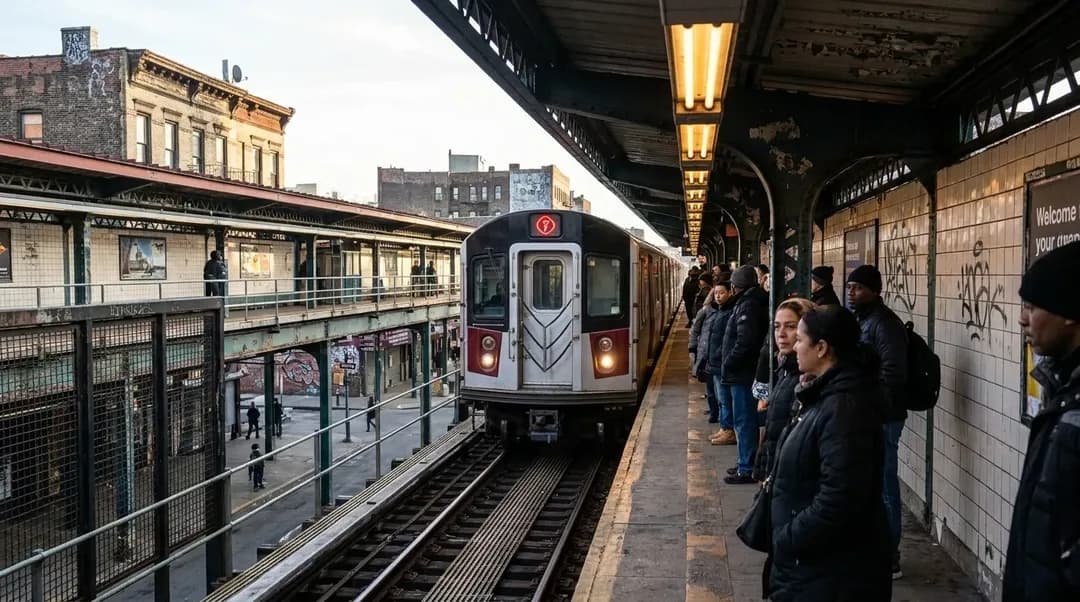
Brooklyn to Manhattan: The Morning-Light Advantage
Starting in Brooklyn and moving toward Manhattan works particularly well because Brooklyn institutions tend to be less crowded in the morning, and you're moving with the light as the day progresses. The Brooklyn Museum opens at eleven on most days, and if you arrive right at opening, you'll have the Egyptian galleries nearly to yourself for the first hour. The building's scale is manageable—you can see what you want without feeling obligated to cover every floor. When you're ready to leave, the 2 or 3 train from Eastern Parkway puts you at the Met in under an hour, and by then it's early afternoon, which is actually a good time to arrive because the tour groups are breaking for lunch.
The transit connection itself is straightforward, but check the weekend schedule before you go—the 2 and 3 sometimes run on different intervals, and knowing which train comes first saves you ten minutes on the platform. If you're planning to stop for food between museums, consider getting off at 14th Street and walking to Union Square instead of transferring directly to the uptown train. That gives you a real break, a chance to sit in the park if the weather cooperates, and a dozen quick lunch options that aren't museum cafeteria fare. The walk from Union Square to the Met is long, but the train from there is direct, and you'll arrive at the second museum with fresh legs rather than the glazed-over feeling that comes from going straight from one gallery to another.
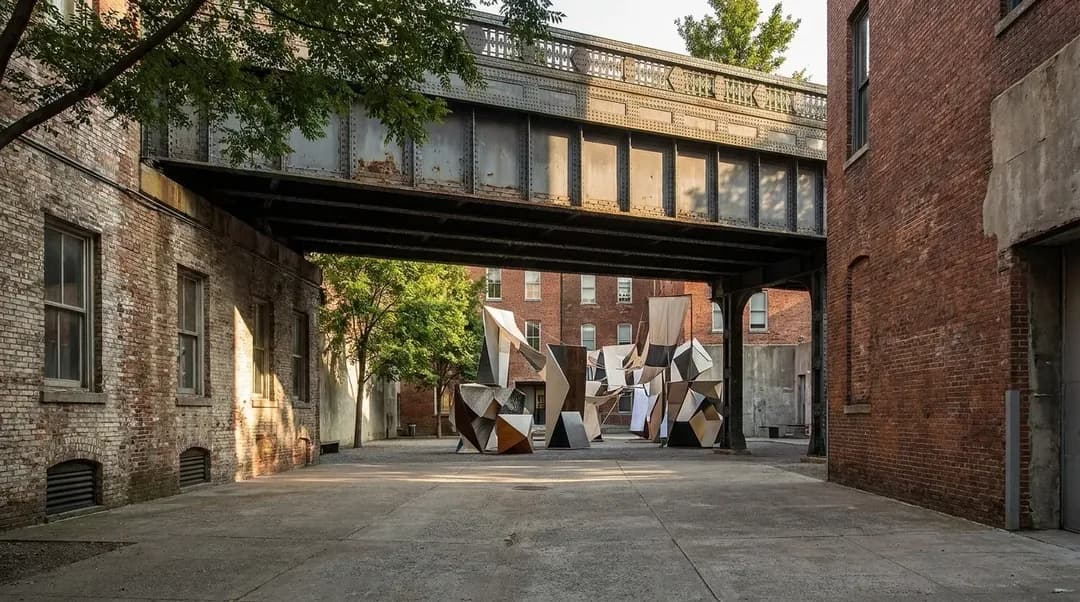
Manhattan to Queens: The Afternoon Energy Shift
The reverse route—starting in Manhattan and ending in Queens—works when you want a quieter finish to the day. MoMA opens at ten-thirty, and if you go straight to the fifth floor, you can see the permanent collection before the midday crowds arrive. The building's layout can be disorienting, so decide in advance whether you're there for a specific exhibition or just wandering. Solo visitors often find that an hour and a half is enough before the stimulation becomes overwhelming. When you're ready to leave, the 7 train from Times Square to Queens is a forty-minute ride that feels like leaving the city entirely, even though you're still within the subway system.
MoMA PS1 in Long Island City is the natural second stop because it's a completely different kind of space—raw, experimental, and far less precious than its Manhattan counterpart. The building is smaller, the crowds are thinner, and the neighborhood around it has enough cafes and green space that you can decompress after without feeling like you're still in museum mode. PS1 closes at six, so if you're arriving in the late afternoon, check the hours before you commit to the trip. The 7 train back to Manhattan runs frequently, but if you're tired, consider taking the ferry from Long Island City to Midtown instead—it's slower but offers a completely different perspective on the skyline, and the outdoor seating is a relief after hours of indoor air.
When to Abandon the Plan and What to Do Instead
The best cross-borough museum days are the ones where you give yourself permission to bail halfway through. If you finish the first museum and realize you'd rather walk than see another gallery, that's not a failed day—it's a successful pivot. The Brooklyn Bridge is a reliable fallback if you're in Brooklyn and don't want to commit to Manhattan museums. The walk takes about thirty minutes, and the pedestrian path is wide enough that you're not fighting for space even on weekends. Once you're in Manhattan, you can decide whether to continue to a museum or just explore the surrounding neighborhood.
Weather is the other major variable that solo visitors can accommodate more easily than groups. If it's raining when you finish the first museum, consider whether the commute to the second borough is worth it or whether you'd rather find a bookstore or cafe nearby and call it a day. The Strand in Lower Manhattan is a common pivot point for people who started at the Brooklyn Museum and decided they'd rather browse books than see more art. Solo museum days work because you're not locked into anyone else's expectations—if the day stops feeling good, you can change it without negotiating or disappointing anyone. That flexibility is the entire point of planning a cross-borough route in the first place.
Practical Notes
- Check weekend subway schedules the night before—the 2, 3, and 7 trains often run on modified intervals that can add fifteen minutes to your commute.
- Arrive at the first museum within thirty minutes of opening to avoid crowds and give yourself maximum flexibility for the rest of the day.
- Bring a reusable water bottle and refill at museum fountains rather than buying drinks between stops—it saves money and reduces the need to find restrooms mid-commute.
- Download offline subway maps before you leave in case cell service is spotty underground, especially on the 7 train between Manhattan and Queens.
- Plan your route so the second museum closes later than the first—this prevents the stress of racing against closing time after a long commute.
- If you're starting in Brooklyn, consider the Brooklyn Museum's suggested donation policy rather than assuming you need to pay full admission.
- Keep a short list of backup activities near each museum in case you finish early or decide to skip the second stop—parks, bookstores, and cafes work better than trying to find another museum on the fly.
Cross-borough museum days work because they're built for adjustment rather than completion. You're not trying to see everything or prove you can handle a marathon gallery session—you're using the city's transit grid to create a rhythm that matches your actual energy and attention span. The best days are the ones where you finish the second museum and realize you still have time to walk around the neighborhood, or where you skip the second museum entirely and spend the afternoon in a park instead. Solo museum visits reward that kind of flexibility, and the borough crossings make it easier to build in natural exit points without feeling like you're quitting early.
Tags: #nycmuseums #solomuseumday #brooklynmuseum #momanyc #momaps1 #themet #crossboroughnyc #nycsubway #solotravelnyc #museumhopping #brooklyntoqueens #nycculture #freethingtodonyc #localnyc
All trademarks are the property of their respective owners.
Ask Karpo for more information.
Keep reading
- Fast Food Near Me in the East Village: Crif Dogs Deep-Fries Its Franks
 Things To Do Near Me in NYC: Riding the Roosevelt Island Tram
 Things To Do Near Me in Washington Heights: The Cloisters' Medieval Galleries