There's a specific kind of weekend stress that hits when you're trying to coordinate a family outing in Manhattan: the playground is shoulder-to-shoulder by 10 a.m., the museum needs advance tickets, parking doesn't exist, and your toddler's meltdown schedule doesn't care about any of it. Brooklyn offers more room but often the same crowds and planning overhead. This is where Staten Island becomes useful—not as a tourist destination, but as the borough that still moves at a manageable pace. With sprawling parks, waterfront access, single-family homes with actual yards, and neighborhoods that feel more like coastal towns than dense city blocks, Staten Island offers what many young families need most: the ability to show up without a reservation and still have a good day.
Text Karpo at (917) 909-1376 to map out a Staten Island day trip that actually works with your family's rhythm and backup plans.

The Space Advantage: Parks and Waterfront That Don't Require Strategy
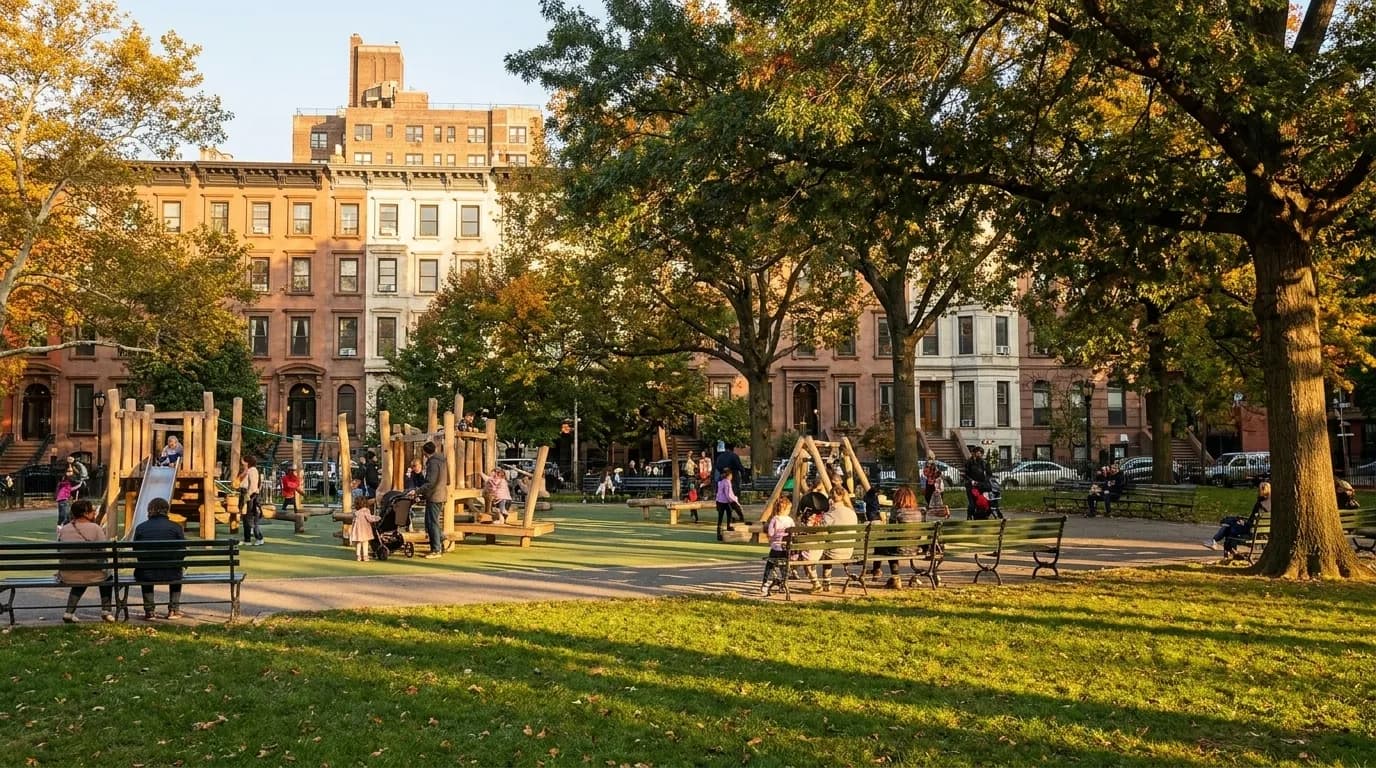
Staten Island's park system is built at a different scale than what most New Yorkers are used to navigating. The borough contains more than 170 parks, many of them large enough that finding an open picnic table or a quiet trail doesn't require arriving at dawn. This isn't about chasing Instagram-worthy views—it's about practical logistics when you're managing kids who need to run, climb, and occasionally lose it without an audience. The waterfront areas along the North Shore and South Shore offer long stretches where families can walk, bike, or simply sit without competing for space. According to local real estate guides, this abundance of green space is one of the primary reasons families continue to choose Staten Island, particularly those relocating from denser boroughs where outdoor access requires advance planning and crowd tolerance.
The difference becomes obvious on weekends. While Prospect Park and Central Park hit capacity by mid-morning, Staten Island's larger parks—many with playgrounds, sports fields, and wooded trails—remain navigable throughout the day. This matters when you're working around nap schedules, snack timing, and the unpredictable needs of young children. The ability to pivot, leave, and return without losing your spot or fighting for parking creates a flexibility that's hard to find elsewhere in the city. For families who've spent years negotiating crowded playgrounds and overbooked activity slots, the breathing room alone justifies the trip across the harbor.

Neighborhood Rhythms: Where Small-Town Pace Meets City Access
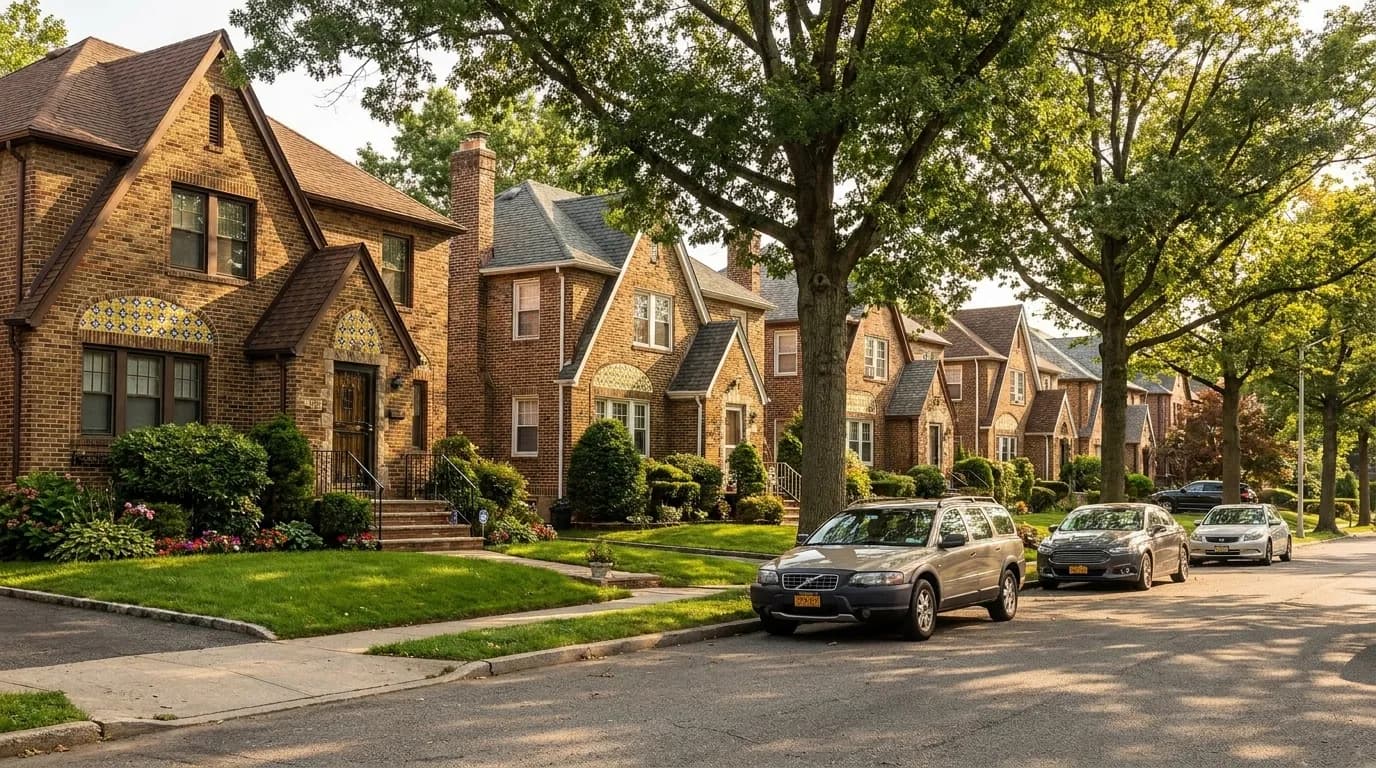
Staten Island's residential neighborhoods operate on a rhythm that feels foreign to anyone used to Manhattan's constant churn. Tree-lined streets, single-family homes with front yards, and corner bakeries that have served the same families for decades create an environment where kids can play outside without constant supervision and parents can actually talk to neighbors. According to community discussions, many Staten Islanders describe their borough as feeling 'unlike anywhere else in New York City,' with a suburban character that still maintains city connectivity. Neighborhoods like St. George offer cultural institutions and ferry access, while Mid-Island areas provide balanced, practical living with schools, parks, and a mix of housing styles that accommodate growing families.
This isn't about escaping the city—it's about accessing a different operational mode when Manhattan's intensity becomes counterproductive. The Staten Island Ferry provides a direct, free connection to Lower Manhattan, making it possible to maintain city jobs and cultural access while living in a place where parking exists, yards are common, and the weekend grocery run doesn't require military-level planning. For young families who value both urban opportunity and daily manageability, Staten Island functions as a practical middle ground. The trade-off is the commute and the distance from certain cultural hubs, but for many families with young children, the ability to move through daily life without constant friction outweighs those costs.
The Practical Logistics: Parking, Driving, and Getting Around
One of Staten Island's most underrated advantages for families is simple: you can drive there, park when you arrive, and use your car to move between activities without spending half your day searching for spots or feeding meters. For families hauling strollers, diaper bags, snacks, backup clothes, and the other infrastructure required for a day out with young children, this changes the entire equation. The borough's layout assumes car access, with parking available at most parks, beaches, and family-friendly destinations. This doesn't mean public transit is absent—local buses connect neighborhoods and the ferry provides Manhattan access—but the ability to control your own schedule and carry your own gear makes logistics significantly easier.
The driving reality also means you need to plan around traffic, particularly on the Verrazzano-Narrows Bridge and during rush hours. Weekend mornings tend to move smoothly, but returning to Brooklyn or Manhattan on Sunday afternoons can add significant time. Check real-time traffic before committing to a route, and consider timing your return before the evening rush begins. For families coming from Manhattan, the Staten Island Ferry remains the most reliable option—it's free, runs frequently, and kids generally enjoy the ride itself. Once on the island, rideshare services are available, though having a car unlocks more flexibility. The key is matching your transportation choice to your specific itinerary and backup plans, particularly if you're managing nap schedules or time-sensitive activities.
When to Choose Staten Island Over Other Boroughs
Staten Island makes the most sense when your primary goal is outdoor time, physical space, and a pace that accommodates the unpredictable needs of young children. If your plan involves multiple museum visits, specific cultural events, or activities that require advance tickets, Manhattan or Brooklyn will likely serve you better. But if your weekend looks like 'we need to get outside, let the kids burn energy, and not fight crowds,' Staten Island delivers. The borough's waterfront areas, large parks, and neighborhood playgrounds offer the kind of unstructured outdoor access that's increasingly hard to find in denser parts of the city. According to family-focused guides, Staten Island's appeal lies in its ability to provide city access without constant intensity—a combination that works particularly well for families with children under ten.
The decision also depends on your tolerance for commute time and your need for spontaneity. If you're comfortable planning a full day and treating the trip as a deliberate outing rather than a quick neighborhood walk, Staten Island's advantages compound. Bring backup snacks, plan for weather changes, and build in buffer time for the ferry or bridge traffic. If you prefer staying close to home with the option to bail quickly, your local borough will likely serve you better. The sweet spot is families who want a genuine change of pace, who value outdoor space over cultural programming, and who are willing to trade proximity for breathing room. Staten Island isn't a substitute for your neighborhood park—it's the place you go when your neighborhood park isn't enough.
Practical Notes
- Ferry from Manhattan is free and runs every 30 minutes on weekends; check real-time schedules before committing to a specific departure time.
- Driving from Brooklyn means crossing the Verrazzano-Narrows Bridge; expect tolls and check traffic conditions, particularly Sunday afternoons.
- Most parks have parking lots, but popular waterfront areas can fill by late morning on warm weekends—arrive before 11 a.m. for best access.
- Bring your own food and snacks; while family-run bakeries and pizzerias exist, dining options are less dense than in other boroughs.
- Weather matters more here since most activities are outdoor-focused; have an indoor backup plan or be prepared to cut the day short.
- Rideshare services are available but less frequent than in Manhattan; if you're relying on apps, build in extra wait time.
- Public restrooms are available in major parks but not as common as in Manhattan; plan bathroom stops accordingly with young children.
Staten Island won't replace your daily neighborhood routines, but it solves a specific problem: what to do when your usual spots are overbooked, your kids need serious outdoor time, and you're tired of negotiating crowds. The borough's value lies in its operational ease—parking exists, space is available, and the pace allows for the kind of unstructured family time that's hard to find elsewhere in the city. It's not about chasing a perfect day; it's about having a reliable option when Manhattan feels like too much work. For young families navigating the constant trade-offs of city parenting, that reliability matters more than most guidebooks acknowledge.
Tags: #statenislandfamilies #nycparenting #boroughlife #familyoutdoors #nycwithkids #statenislandparks #nycfamilytrips #boroughhopping #nycoutdoors #familyweekends #nycneighborhoods #parentingnyc #cityparenting #statenislandlife
Sources consulted: Why So Many Staten Islanders Still Say the Borough Feels Different From ... · Best Staten Island Neighborhoods for Families in 2026 | Joseph Ranola · Staten Island blends big-city access with surprising green space ... · Staten Island, NY - Niche · Staten Island Neighborhoods: a Guide for Relocating Families · Staten Island Family Guide - New York City — New York City, NY
All trademarks are the property of their respective owners.