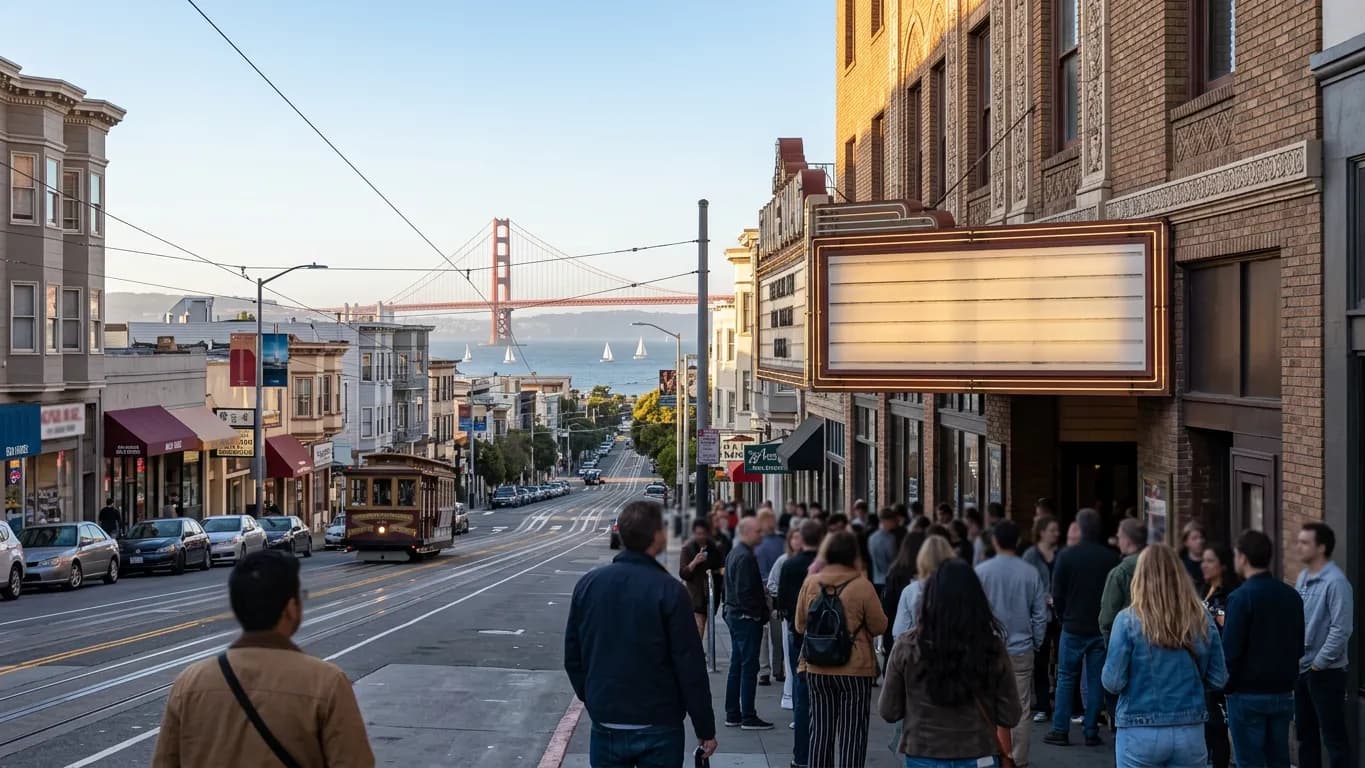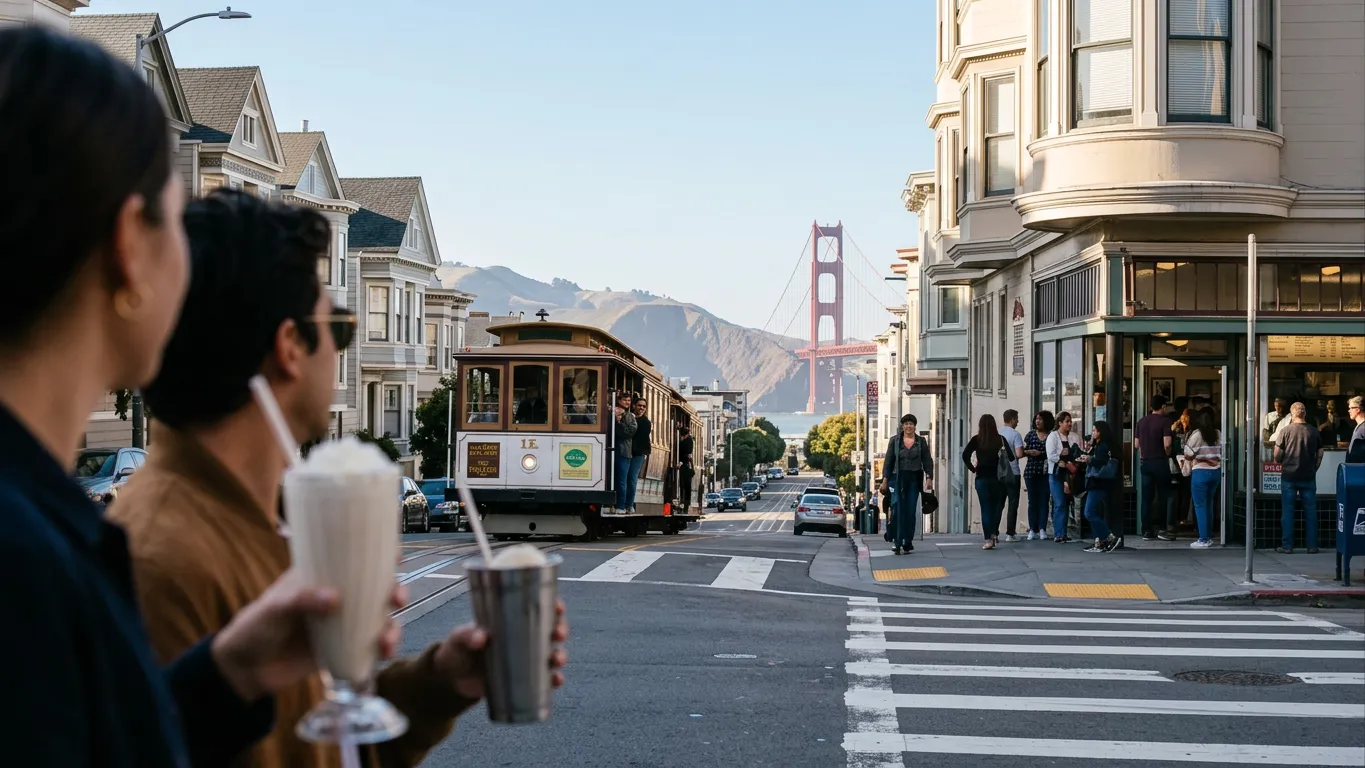
San Francisco has a lot of signature foods, but Burmese cooking is one of the city’s quiet superpowers: deeply loved, neighborhood-rooted, and better represented here than almost anywhere else in the country. If you are starting from scratch, start with tea leaf salad. It is crunchy, savory, a little electric, and the best shorthand for why this cuisine fits San Francisco so well. From the Richmond to the Mission, the city’s Burmese dining room map tells its own story.
Karpo turns this into a Burmese-food crawl built around the right first order, the right neighborhood, and the right table rhythm. Open it when you want the cleanest route from tea leaf salad to your next bowl.

The City That Adopted Burmese
San Francisco did not just import Burmese food; it helped turn it into a city habit. The strongest clusters sit in neighborhoods where local regulars, not just destination diners, keep the rooms full: the Inner Richmond, Clement Street, and the Mission. That matters because Burmese food here is not framed as a novelty. It is a weeknight language. You see it in the way tables build a meal around salad, noodles, and curry instead of chasing a single star dish, and in how naturally the cuisine fits the city’s appetite for texture and contrast.
Tea leaf salad is the place to start because it explains the logic. Fermented tea leaves bring a deep, slightly bitter base, then the bowl gets brightened with sesame, peanuts, tomatoes, crispy bits, beans, and enough crunch to wake everything up. It is not a dainty starter, and it is not a side. In San Francisco, the salad is often the first thing a seasoned table orders because it resets the palate and tells you whether the kitchen understands balance. That is the city’s Burmese-food thesis in one bowl.
Tea Leaf Salad First
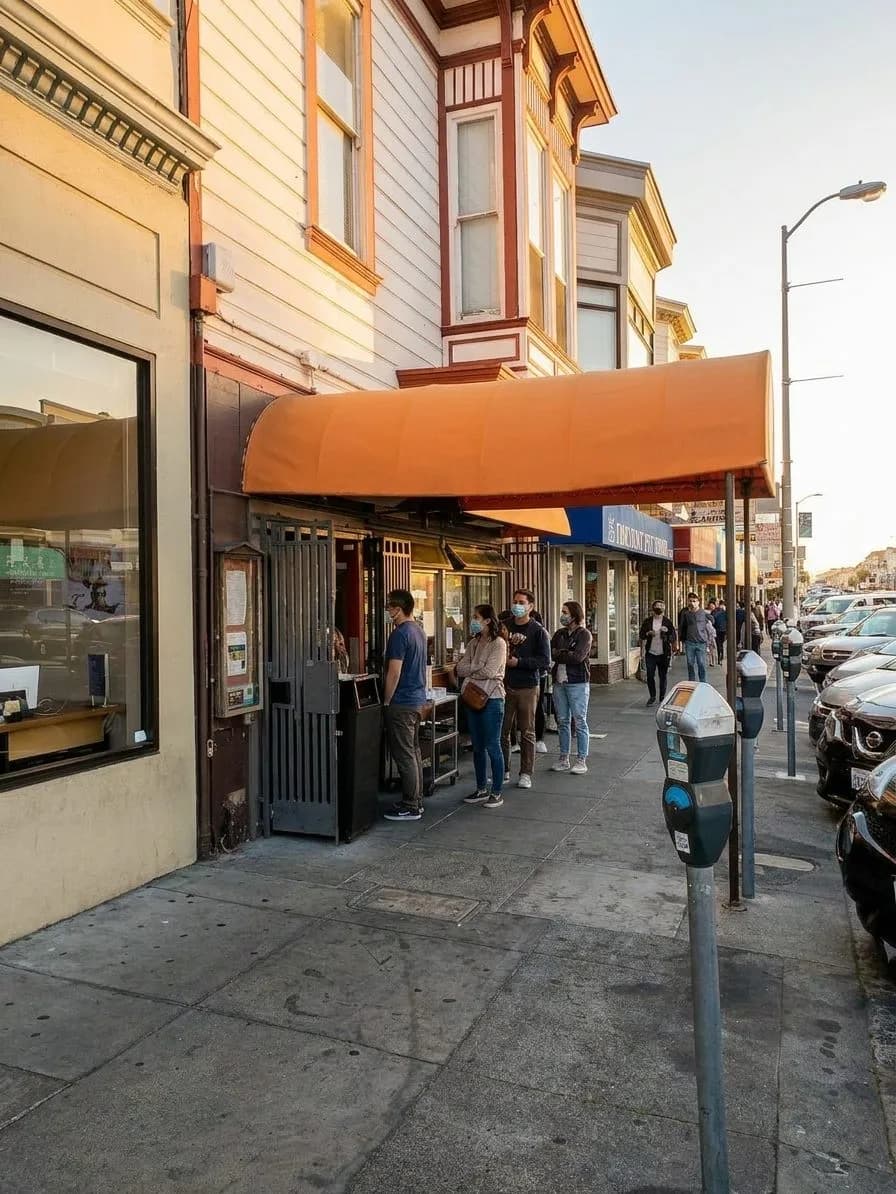
Burma Superstar is still the city’s most famous Burmese dining room for a reason: it made tea leaf salad part of the public vocabulary. The Inner Richmond setting helps, too. Clement Street has the kind of steady neighborhood energy that makes a wait feel earned instead of annoying. The key local move is simple. Get there with your full group, decide what you want before you are seated, and treat the line as part of the meal. The room turns tables efficiently, and hesitation is what slows you down.
When the salad lands, do not overthink it. Mix it fully, then keep sharing before it disappears into the first round of conversation. That is the dish’s real job. It should wake up the table, not sit politely off to the side. If you are building a first order here, pair the salad with one warm, saucy dish and one noodle or rice plate so the flavors do not blur. Burma Superstar rewards people who understand that Burmese food is built on contrast, not one-note richness.
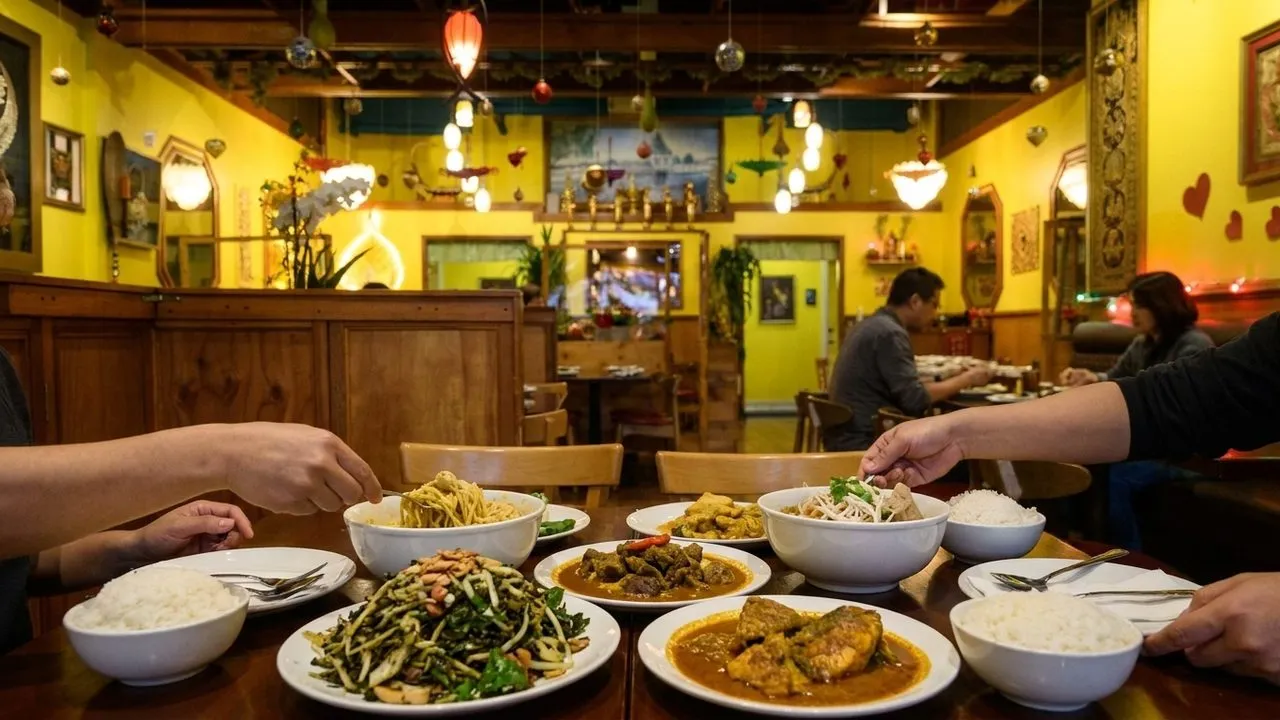
Why Burma Superstar Still Matters
Burma Love brings a different mood to the same culinary story. In the Mission, it feels more polished, more open, and easier to use for introducing Burmese food to someone who has never had it before. The neighborhood context matters: the Mission already knows how to host a dinner out, so Burma Love can lean into a fuller evening instead of a quick, high-turnover ritual. If Burma Superstar is the pilgrimage, Burma Love is the version that lets you settle in and explain why this cuisine deserves repeat visits, not just one curiosity stop.
The best way to order here is to think in textures and temperatures. Keep tea leaf salad on the table, then add something warm and deeply spiced, plus a noodle or rice dish that soaks up sauce well. Do not load up on too many heavy plates at once. Burmese food shines when the table has movement: crunchy, silky, herbal, rich. Burma Love is a good place to notice how San Francisco diners have learned to eat this cuisine with confidence, not just with a checklist.
Mandalay And The Everyday Habit
Mandalay gives the city’s Burmese story its everyday shape. It is the kind of place that reminds you this cuisine is not just a destination pastime; it is a practical, repeatable local habit. In the Richmond-Clement orbit, the restaurant feels rooted in the neighborhood rather than dressed up for visitors, which is exactly why regulars keep coming back. The room is less about spectacle and more about dependable plates: soups, curries, noodles, and the kind of straightforward service that lets the food speak first.
If Burma Superstar is where you learn the canon and Burma Love is where you bring friends, Mandalay is where you become the regular. It is especially good when you want a quieter meal and the chance to compare styles without the pressure of a famous line. Weekday lunch is the sweet spot if you want the kitchen and dining room to feel less compressed, and it is the best setting for understanding how Burmese food works as a daily comfort rather than a special occasion. That distinction is very San Francisco.
How To Eat Like A Local
A good Burmese meal in San Francisco is not about choosing one perfect dish; it is about sequencing. Start with tea leaf salad, then move into a curry or noodle dish, then use rice and shared plates to smooth the edges. That is why the city’s best Burmese rooms feel so social. They reward conversation, passing plates, and the small act of tasting everything while it is still hot. If you only have one meal, make it a shared one. Burmese food here was made for the table, not the solo scroll-and-go lunch.
The final local rule is timing. Go early if you want Burma Superstar without the longest wait, choose Burma Love when you want a smoother first-timer dinner, and use Mandalay for a more relaxed lunch or low-key night. All three work best when you stop treating tea leaf salad like an afterthought. It is the anchor. Once you understand that, the rest of San Francisco’s Burmese map starts to make sense: this is a city that likes food with texture, memory, and enough personality to hold a room.
Practical notes
For first-timers, the easiest move is to compare one tea leaf salad across two or three stops and notice how the crunch, bitterness, and seasoning shift by kitchen. In the Inner Richmond, Burma Superstar is most comfortable when you arrive with a full party and a clear order, because the line and the table turns are part of the system. In the Mission, Burma Love is the smoothest pick for a more relaxed dinner. At Mandalay, a weekday lunch tends to feel the most local and least rushed. Share plates, ask for extra rice, and do not save the salad for last.
Tags: #sanfrancisco #sfrestaurants #burmesecuisine #tealeafsalad #innerrichmond #missiondistrict #clementstreet #burmasuperstar #burmalove #mandalay #bayareaeats #foodguide #eatlocal
All trademarks are the property of their respective owners.
Ask Karpo first
Ask Karpo for the latest public opening news, the best time to dodge the Burma Superstar line, or a live neighborhood route that pairs Clement Street with the Mission. It can also build you a Burmese-food plan around what is open now, how long you are likely to wait, and whether you should start with tea leaf salad or save room for a second curry stop.