 The Ear Inn on Spring Street: Historic Bar Since 1817
Bars & Nights Out
Why Ridgewood Is Better Than Bushwick for a Slower Night With Actual Seating
When you want a bar stool you can claim for more than ten minutes and a conversation that doesn't require shouting, cross the border into Queens.
Bushwick still pulls crowds on Friday and Saturday nights, but the energy that made it magnetic a decade ago now works against anyone looking for a slower rhythm. The industrial party spaces and standing-room venues that define the Brooklyn side create a specific kind of night—one built around movement, volume, and density. Ridgewood, just across the border in Queens, follows a different logic. The bars here prioritize seating, the music stays DJ-driven without tipping into club chaos, and the residential blocks surrounding each venue mean the scene never swells past the capacity of the room. If you want to settle in rather than circulate, Ridgewood delivers that option more reliably than its Brooklyn neighbor.
Text Karpo at (332) KARPO-NY to get routing help for Ridgewood bars with confirmed seating and current door policies before you leave.
The Border Shift: Where Brooklyn Energy Ends and Queens Logic Begins
The Bushwick-Ridgewood border runs along a handful of streets—Wyckoff Avenue, Myrtle Avenue, and the industrial stretch near the M train—but the shift in atmosphere happens faster than the map suggests. On the Brooklyn side, venues lean into the industrial aesthetic with high ceilings, concrete floors, and layouts designed for standing crowds. The Ridgewood side favors smaller footprints, lower ceilings, and interiors that include booths, banquettes, and bar seating as default features rather than afterthoughts. According to a 2025 nightlife guide covering the border area, the mix of Brooklyn and Queens crowds creates a distinct dynamic, but the venues themselves reflect Queens priorities: intimate, community-focused spaces where music drives the night without requiring you to stand the entire time.
One Reddit user who moved to the border over the summer noted a preference for the Ridgewood side of Myrtle Avenue, citing a quieter energy at night and a stronger neighborhood feel. That quieter energy translates directly to how bars operate. Ridgewood venues close earlier on average, draw fewer bridge-and-tunnel crowds, and maintain a regulars-first mentality that discourages the kind of turnover Bushwick thrives on. If you're planning a night that extends past 1 a.m., Bushwick still offers more options. But if you want to claim a seat by 9 p.m. and hold it through last call, Ridgewood's layout and crowd size make that scenario far more likely.
Seating as Default, Not Bonus: How Ridgewood Bars Are Built
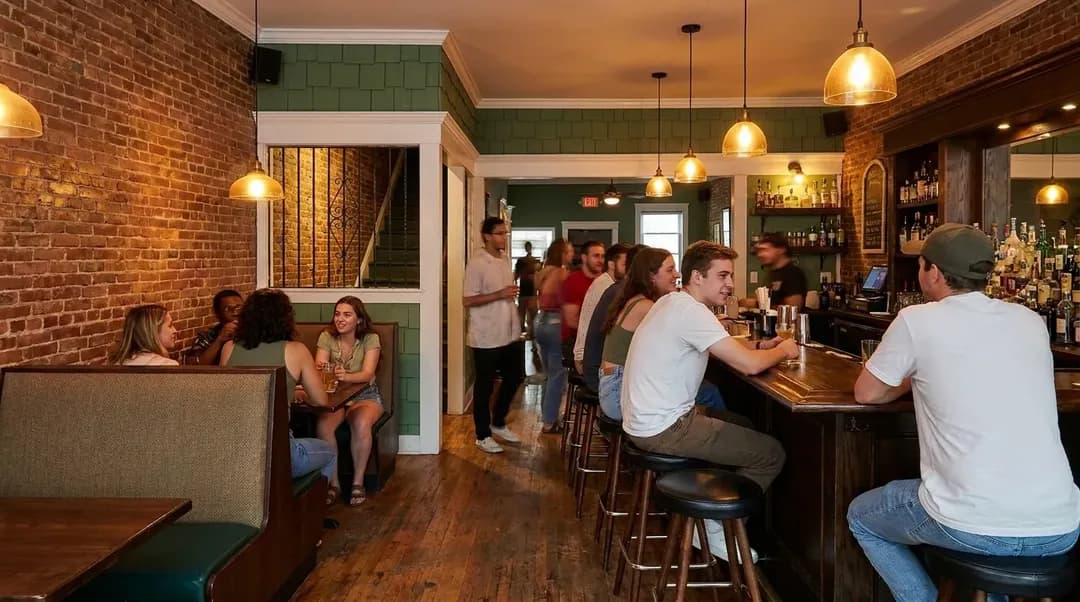
Bushwick's most popular venues prioritize capacity and circulation. The industrial spaces that anchor the nightlife scene—former warehouses, auto shops, and manufacturing floors—offer square footage but rarely offer enough seating to match the crowd size on a busy night. Ridgewood bars occupy smaller commercial storefronts and ground-floor residential buildings, which limits overall capacity but forces a different design approach. A 2025 Ridgewood nightlife guide describes the scene as low-key, creative, and community-driven, with bars built around conversation, music, and atmosphere rather than flashy club features. That description translates to interiors where seating is planned from the start, not added as an afterthought once the standing room fills.
The distinction matters most between 10 p.m. and midnight, when Bushwick venues hit peak density and seating becomes a competitive sport. In Ridgewood, the same time window remains manageable. Bars fill, but the residential surroundings and lower foot traffic mean you're not competing with waves of arrivals every fifteen minutes. If you're meeting a group and need a table, arriving by 9 p.m. in Ridgewood usually solves the problem. In Bushwick, the same goal often requires a reservation, a host who knows you, or willingness to wait until someone leaves. The structural difference—smaller rooms, fewer people, more seats per square foot—makes Ridgewood the more reliable choice when sitting down is non-negotiable.
DJ-Driven Music Without the Club Pressure
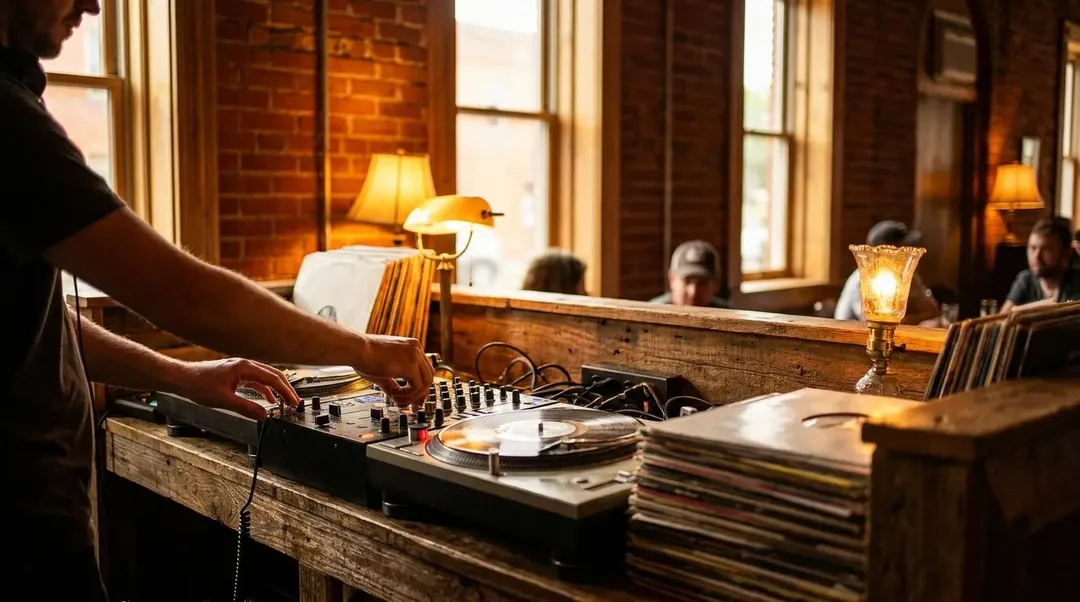
Both neighborhoods prioritize DJ culture, but the execution diverges in ways that affect how you experience the night. Bushwick venues often program DJs within larger party contexts—events with cover charges, timed sets, and crowds that arrive specifically for the music. Ridgewood bars integrate DJs into the regular nightly rhythm, treating the music as ambient infrastructure rather than the main event. According to the border nightlife guide, house, techno, hip-hop, and experimental sounds dominate the scene, but the venues themselves remain intimate and music-first rather than performance-driven. That distinction means you can have a conversation without shouting, move to the music without being pushed into a dance floor, and leave when you're ready rather than when the set ends.
The music-first approach also affects crowd behavior. In Bushwick, DJ nights attract audiences who come prepared to dance, drink quickly, and stay late. In Ridgewood, the same musical programming draws people who want the soundtrack without the full club commitment. If you're looking for a night where the music enhances the environment rather than dictating it, Ridgewood's lower-key execution makes that balance easier to find. The DJ booth still anchors the room, but the seating arrangement and crowd size allow you to engage with the music on your terms rather than surrendering to the collective momentum.
Residential Surroundings Keep the Scene Contained
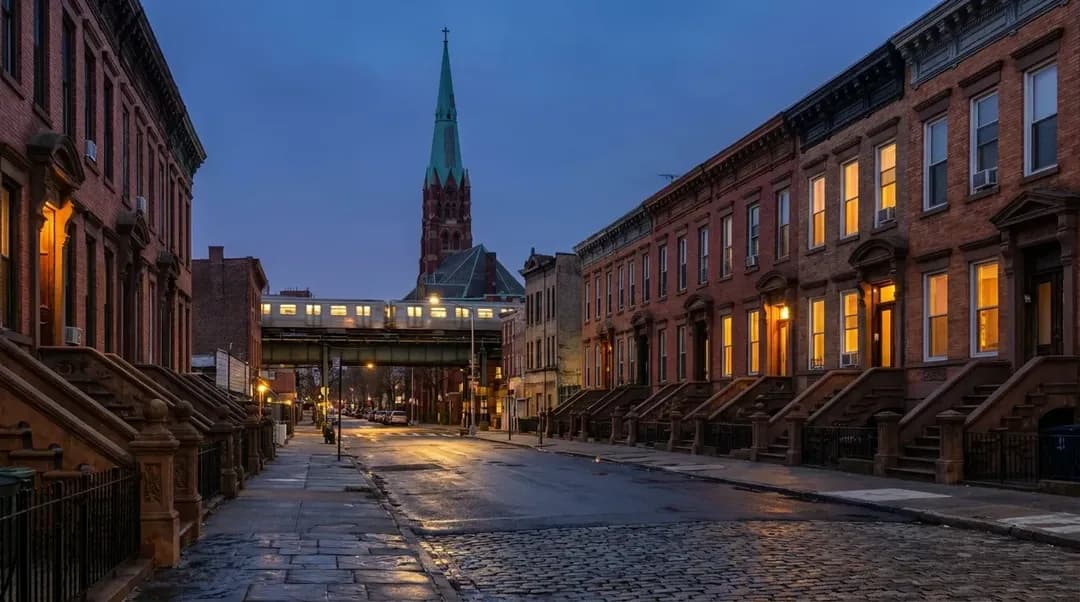
Bushwick's nightlife density creates a feedback loop: more venues attract more people, which attracts more venues, which eventually turns entire blocks into continuous nightlife corridors. Ridgewood's residential character prevents that loop from forming. The neighborhood includes ten nationally recognized historic districts and several more city-designated ones, preserving a mix of rowhouses, low-rise apartment buildings, and family-owned commercial strips. A StreetEasy agent quoted in a neighborhood guide describes Ridgewood as offering a more residential vibe compared to Bushwick's industrial style, and that residential presence limits how late and how loud the nightlife can run. Bars close earlier, crowds thin out faster, and the walk between venues takes you through quiet blocks rather than continuous activity.
That containment works in your favor if you're planning a slower night. In Bushwick, the energy between venues can be as intense as the energy inside them—sidewalks stay crowded, street noise stays high, and the overall atmosphere pushes you to keep moving. In Ridgewood, the gaps between bars offer actual downtime. You can walk a few blocks, reset your energy, and arrive at the next spot without feeling like you're already behind. The residential surroundings also mean fewer tourists and fewer people treating the neighborhood as a destination. One Reddit user who moved deeper into Ridgewood off Fresh Pond Road emphasized the local-feeling, quiet character of the area, noting that the neighborhood avoids the quick-renovation, high-rent apartment churn visible elsewhere. That stability translates to a nightlife scene that serves residents first and visitors second, which keeps the pace manageable even on weekends.
Practical Notes
- Take the M train to Fresh Pond Road or Seneca Avenue for central Ridgewood access; the L to Halsey Street works for the Brooklyn-Queens border.
- Arrive by 9 p.m. if you need guaranteed seating on Friday or Saturday; Ridgewood bars fill but rarely turn into standing-room-only situations.
- Check weather before committing to a Ridgewood night—fewer indoor backup options exist compared to Bushwick's denser venue cluster.
- Plan your route with 10-15 minute walking gaps between bars; Ridgewood's residential blocks mean longer distances between nightlife spots.
- Bring cash for smaller bars that may not accept cards; Ridgewood retains more cash-only or card-minimum policies than Bushwick.
- If you're meeting a group, confirm the specific bar location—Ridgewood addresses can confuse mapping apps near the Brooklyn-Queens border.
- Consider ending your night in Ridgewood rather than starting there; the earlier closing times and quieter energy work better as a wind-down.
Bushwick still delivers the high-energy, high-density night it's known for, but Ridgewood offers a different calculation: fewer people, more seating, and a residential buffer that keeps the scene from tipping into chaos. If you're tired of fighting for bar space or shouting over music that's louder than it needs to be, crossing the border into Queens solves both problems without sacrificing the DJ-driven music or creative crowd that makes the area worth visiting. The slower pace isn't a compromise—it's the entire point.
Tags: #ridgewood #bushwick #queensnightlife #brooklynbars #nycbars #ridgewoodqueens #mtrain #nycnightlife #brooklynqueens #localbar #djnight #slowernight #neighborhoodbars #nyclocals
Sources consulted: Bushwick-Ridgewood Border Nightlife Guide 2025 · Transplants of the neighborhood, why Ridgewood? : r/ridgewood · how is bushwick/ridgewood these days? : r/AskNYC - Reddit · Ridgewood, Queens: Affordable & Neighborly | StreetEasy · Ridgewood Nightlife Guide 2025 | Bars & Lounges in Queens · [Ridgewood, NYC [Neighborhood Guide] | The Corcoran Group](https://www.corcoran.com/neighborhoods/guide/new-york-city/ridgewood)
All trademarks are the property of their respective owners.
Ask Karpo for more information.
Keep reading
- The Ear Inn on Spring Street: Historic Bar Since 1817
 Smalls Jazz Club: Greenwich Village Late-Night Sets
 Compagnie des Vins Surnaturels: SoHo's Best Wine Bar