 Mediterranean Food Near Me in Fort Greene: Miss Ada's Garden and Hummus
Neighborhood Guides
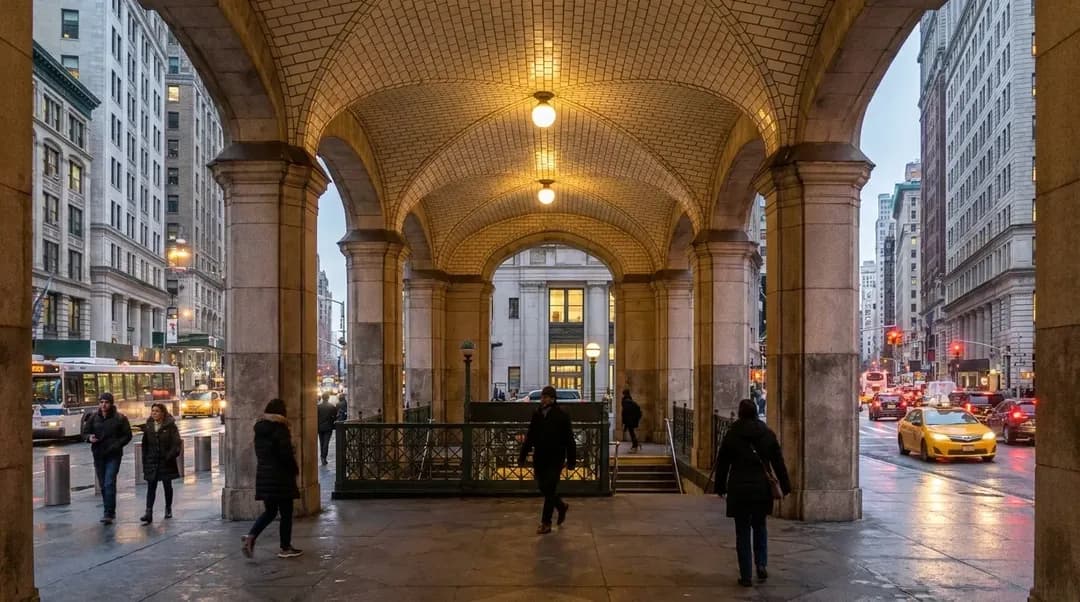
Why Near the Train Still Doesn't Mean Easy in Manhattan Date Planning
Proximity to a subway entrance tells you almost nothing about whether your date will actually run smoothly—here's how to decode Manhattan's transit geography before you commit to a plan.
You've picked a restaurant three blocks from the 1 train. Your date lives off the L. The venue looks perfect on a map, and both of you are technically near subway lines. On paper, this should be simple. In practice, Manhattan's transit geography rarely works the way non-locals imagine it does. A single transfer can add twenty minutes. A station entrance on the wrong side of the street means backtracking two avenues. Express trains skip your stop after 9 p.m. The neighborhood around the station might be a wind tunnel, a construction zone, or a fifteen-minute walk from anything worth doing. Proximity to a subway line is necessary but never sufficient for smooth date logistics, and understanding why requires looking past the map.
Text Karpo to reality-check your date route before you commit to a reservation.
The Transfer Problem Most People Underestimate
Manhattan's subway map compresses distance and hides the friction of changing trains. A route that shows one transfer often means descending one staircase, walking through a tunnel, climbing another set of stairs, waiting on a different platform, and hoping the second train arrives within five minutes. During evening hours, many trains run every twelve to fifteen minutes instead of every four. If your date involves a transfer at 14th Street-Union Square or Times Square-42nd Street, add at least ten minutes to your mental estimate—more if either of you is unfamiliar with the station layout. According to general NYC transit guidance, even experienced riders consistently underestimate door-to-door time when transfers are involved.
The emotional cost of a bad transfer is worse than the time cost. Waiting on a dim platform while your date checks their phone creates low-level anxiety that colors the first fifteen minutes of your evening. If you're planning a first date or an anniversary outing, choosing a route that minimizes transfers—or at least avoids the most chaotic stations—gives you a better foundation. Check which trains run local versus express during your planned time window. A train that's express during rush hour may run local at night, adding stops you didn't account for. These details matter more than being near a station in theory.
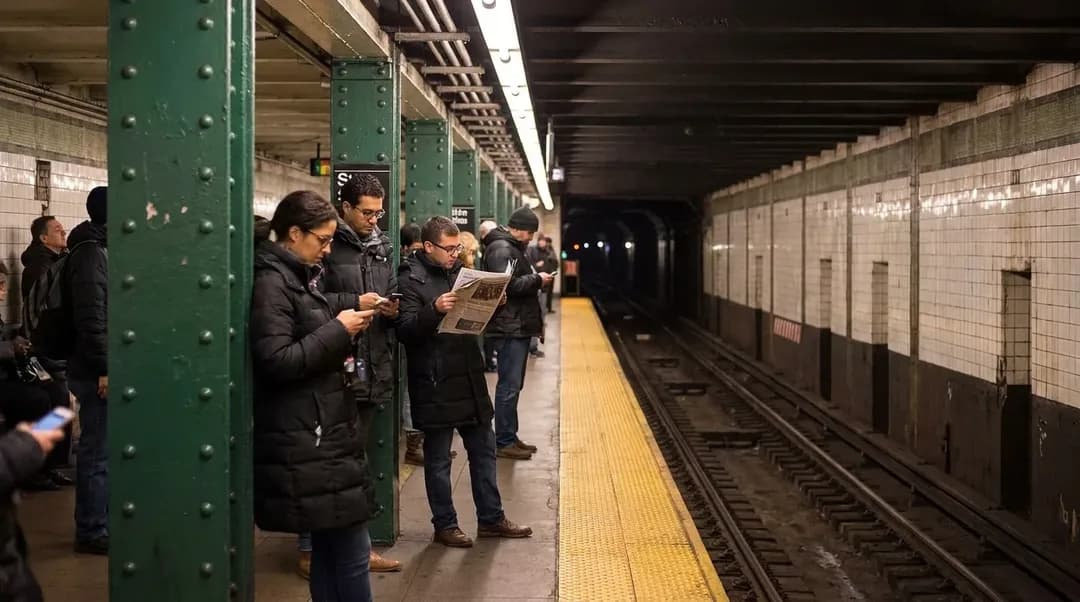
Station Exits and the Walk You Didn't Plan For
Not all subway exits are created equal, and the one nearest your destination may be closed, under construction, or deposit you on the wrong side of a six-lane avenue. In neighborhoods like the Upper West Side or Midtown, a single station can have four or five exits spread across two blocks. Emerging from the wrong one can mean walking an extra avenue or doubling back through crosswalks. If your date is in heels or it's raining, that unplanned detour becomes the first thing you both remember about the evening. Practical NYC planning guides emphasize checking exit maps before committing to a venue, especially in areas where street grids are interrupted by parks or diagonal roads.
Even when you exit correctly, the walk from the station to your destination often takes longer than a map suggests. A three-block walk in the West Village involves narrow sidewalks, angled streets, and frequent stops for traffic lights. A three-block walk along a wide Midtown avenue might be faster but less pleasant, especially in winter wind or summer heat. If your date plan includes a cocktail bar, a dessert stop, and a walk to a second location, test the route on foot beforehand or at least use street view to confirm that the path is direct and well-lit. The quality of the walk matters as much as its length, and being near the train doesn't guarantee either.
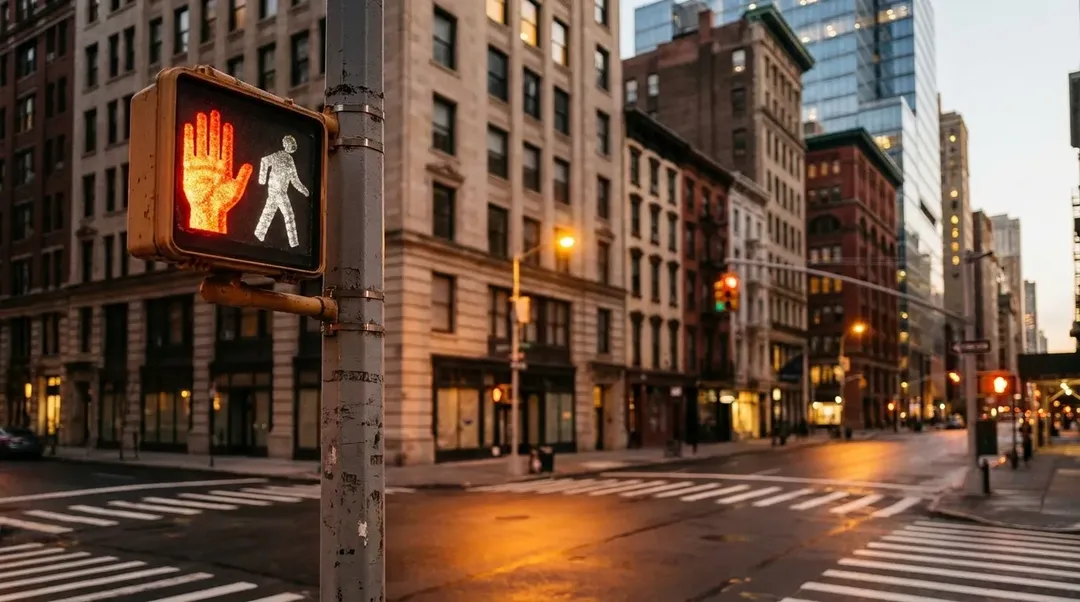
Neighborhood Density and the Illusion of Convenience
A restaurant near a subway stop in Chelsea operates in a completely different context than one near a stop on the Upper East Side, even if both are technically two blocks from the train. In Chelsea, those two blocks might include three other bars, a wine shop, and a park where you can regroup if plans shift. On the Upper East Side, those two blocks might be residential buildings with nowhere to duck in if you're early or need to kill fifteen minutes. Neighborhood density determines how flexible your evening can be, and transit proximity alone doesn't tell you whether the area around the station supports spontaneous adjustments. According to neighborhood guides, understanding what surrounds a venue is as important as knowing how to reach it.
This becomes especially relevant when planning dates that involve multiple stops or open-ended timing. If you're meeting for drinks with the option to grab dinner later, choose a neighborhood where both are within a five-minute walk and where you won't feel pressured to commit immediately. Areas like the East Village, parts of Brooklyn near the L train, and the West Village offer this kind of density. But even within Manhattan, many subway-adjacent blocks are isolated—near the train in name only, surrounded by office buildings that empty out after six or by residential stretches with limited evening options. Check what's actually open in the area during your planned time, not just what exists on a map.
Weather, Timing, and the Variables That Break Clean Plans
A date plan that works on a mild evening in May can collapse in February or during a summer thunderstorm. If your route involves a ten-minute walk between the subway and your reservation, that walk becomes miserable in sideways rain or when sidewalks are icy. Neighborhoods with covered or underground connections—like parts of Midtown or the areas around Grand Central—offer more weather insurance, but most of Manhattan requires you to be outside for at least part of your journey. Practical date-planning guides recommend building in a backup option or choosing venues with awnings, nearby lobbies, or easy access to alternate transportation if conditions shift.
Timing variables are just as disruptive. A venue that's easy to reach at 7 p.m. may be surrounded by bridge-and-tunnel crowds by 9 p.m., making it harder to get a second drink or move to another spot. A subway line that runs frequently during the day may have fifteen-minute gaps after 10 p.m., turning your trip home into a waiting game. If your date plan includes a show, a timed reservation, or a specific activity, confirm both the start time and the end time, then work backward to figure out when you actually need to leave. Being near the train only helps if the train you need is running when you need it, and weekend service changes or late-night schedules often disrupt assumptions built on weekday experience.
Practical Notes
- Check subway service advisories the morning of your date—weekend and evening schedules often differ from weekday patterns.
- Use street view to confirm the walk from the subway exit to your venue is direct, well-lit, and free of construction detours.
- If your plan involves a transfer, add at least ten minutes to your estimated travel time, more for complex stations.
- Choose neighborhoods where multiple venues are clustered within a five-minute walk, giving you flexibility if timing or mood shifts.
- Confirm that your date's subway line connects efficiently to yours—some cross-borough routes require two transfers and forty minutes.
- Build in a weather backup, especially if your route involves more than a short walk between the train and your destination.
- Test express versus local train timing during your planned evening hours—express trains often switch to local service after 9 p.m.
Proximity to the subway is a starting point, not a solution. Manhattan's transit network is dense but uneven, and the difference between a smooth date and a frustrating one often comes down to details that don't show up on a map—exit locations, transfer complexity, neighborhood walkability, and the timing variables that shift throughout the evening. Locals learn these patterns through trial and error, but you don't have to. Check service advisories, confirm the walk, and choose neighborhoods where the area around the station supports your plan as much as the train itself does. The best date routes aren't just near the train—they're near the right train, at the right time, with the right backup options already in place.
Tags: #nycsubway #manhattandating #transitplanning #nyclocals #datenightnyc #subwaylogistics #manhattanneighborhoods #nyctransit #dateplanning #citylogistics #nycreality #subwaytransfers
Sources consulted: NYC Date Ideas by Budget and Intent | Made Plans · How to Plan a Date in NYC: A Step-by-Step Checklist · 15 Reasons Your NYC Trip Won't Go As Planned | Travel Hiatus · Manhattan Guide: Best Neighborhoods, Transit Tips, Parks, Dining ... · NYC Neighborhoods with the Best Access to Public Transit
All trademarks are the property of their respective owners.
Ask Karpo for more information.
Keep reading
- Mediterranean Food Near Me in Fort Greene: Miss Ada's Garden and Hummus
 Places To Eat Near Me in Chelsea: The Market Fills a Nabisco Factory
 Seafood Near Me in the East Village: The Mermaid Inn's Dollar Oysters