 Places To Eat Near Me in Williamsburg: Smorgasburg's Open-Air Vendors
Weekend Plans
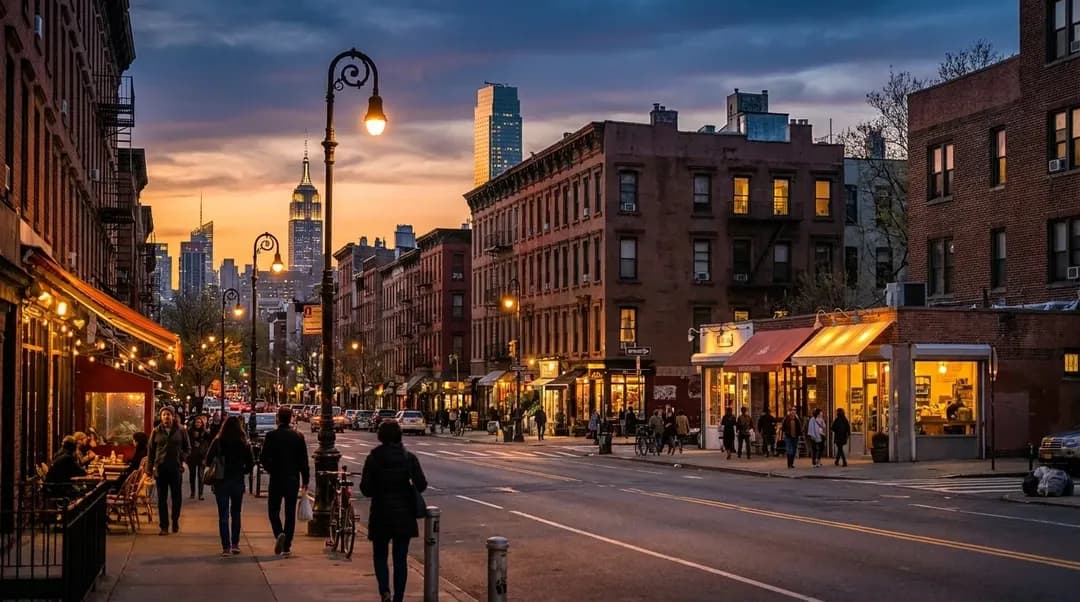
Why Locals Are Trading Big Saturday Plans for Smaller Borough Nights
Manhattan still holds the spotlight, but a growing number of New Yorkers are skipping the crowded weekend ritual in favor of quieter, closer-to-home evenings across Brooklyn, Queens, and the Bronx.
Saturday night in New York City used to follow a predictable script: get dressed, battle for a rideshare or subway seat into Manhattan, wait in line, pay cover, repeat. That rhythm is shifting. More locals are opting out of the big-ticket Manhattan weekend in favor of smaller plans closer to home—comedy shows in their own borough, neighborhood bars that don't require a reservation three weeks out, or simply walking to dinner instead of budgeting an hour each way for transit. The change isn't about Manhattan losing its appeal; the borough remains packed with hotels, theaters, and restaurants that make spontaneous plans possible. What's different is the growing awareness that a good Saturday night doesn't require crossing a bridge or fighting tourist crowds to feel worthwhile.
Text Karpo at (332) 334-8738 to get weekend ideas that match your borough, your budget, and your actual energy level.
The Practical Case for Staying Local
The decision to stay closer to home on weekends often starts with logistics rather than ideology. Transit into Manhattan on a Saturday evening can mean standing-room-only trains, delayed service, or surge pricing that doubles the cost of a rideshare. Once you arrive, many neighborhoods that used to feel like local haunts now cater primarily to visitors. As one recent analysis noted, longtime New Yorkers have watched cherished after-dark spots transform into tourist magnets, fundamentally changing their character. The energy shifts when a bar or venue becomes a must-see attraction rather than a neighborhood gathering place. That doesn't make Manhattan unworthy of a visit, but it does make the effort feel less automatic.
Staying in your own borough eliminates much of that friction. A comedy show in Times Square might still require advance planning, but venues like Comedy Village run Friday and Saturday shows at 7 PM and 9 PM with tickets available online, and the format works equally well for couples or groups without needing weeks of lead time. The same principle applies to dining: a restaurant two subway stops away is easier to pivot toward if your first choice is full, and you're not locked into a single neighborhood for the entire evening. When the default plan doesn't hinge on a long commute, spontaneity becomes possible again.
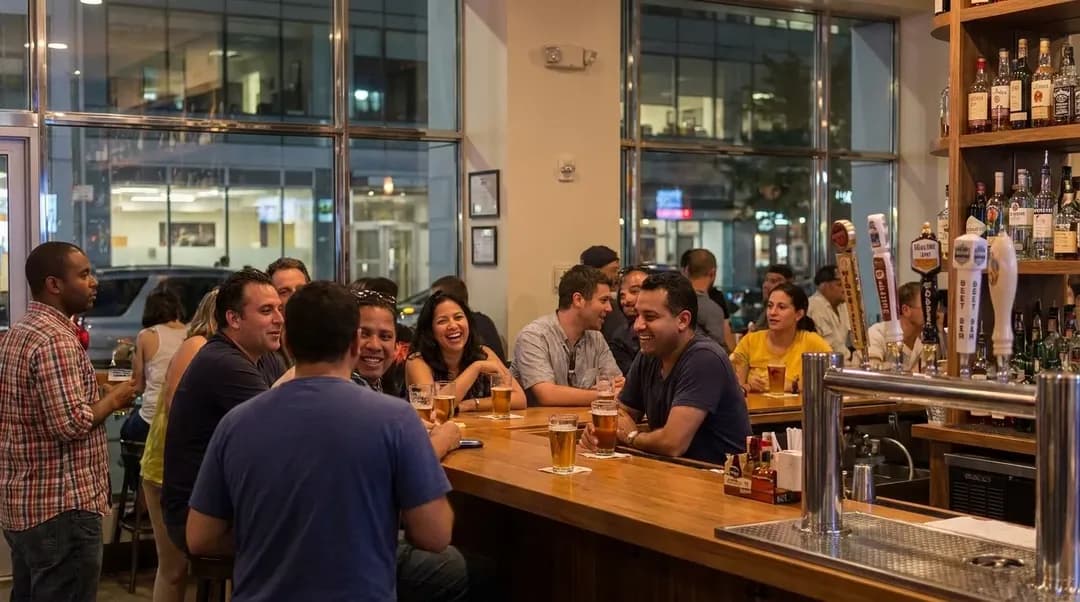
How Outer Boroughs Are Becoming the First Choice
The outer boroughs aren't just fallback options anymore; they're increasingly the first choice. Brooklyn, Queens, and the Bronx have developed their own weekend ecosystems that don't require Manhattan as a reference point. The city is advancing neighborhood plans along transit-rich corridors like White Plains Road in the Bronx and Coney Island and McDonald avenues in Brooklyn, areas historically constrained by outdated zoning rules. These corridors are seeing new investment and attention, which translates into more reasons to spend an evening locally. The Bronx, in particular, has attracted interest as the direction of the next big bet shifts away from Manhattan's established centers.
This isn't about one borough replacing another; it's about distribution. Manhattan still has the density and infrastructure that make last-minute plans viable, but the assumption that every worthwhile Saturday night must happen there is fading. Events like Summer Streets, which brought Manhattan avenues to life for pedestrians and cyclists on five Saturdays in July and August, demonstrate how public space can be reclaimed for neighborhood use. Similar energy is building in other boroughs, where locals are finding that a good night out doesn't require the same level of coordination or expense that Manhattan often demands.
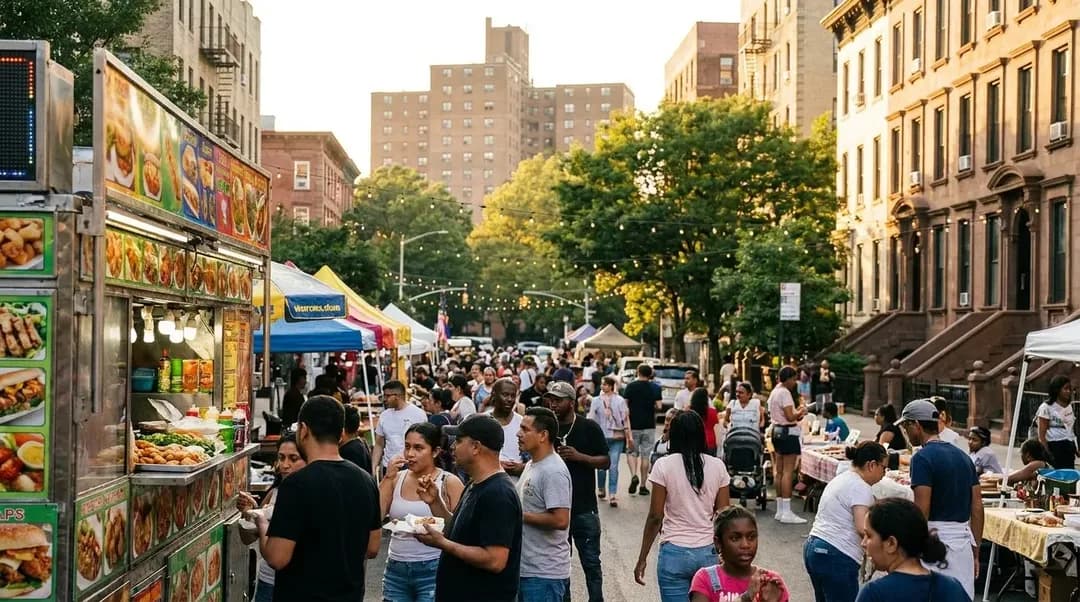
What This Shift Means for Weekend Planning
The move toward smaller borough nights changes how people think about their weekends. Instead of building a Saturday around one destination, locals are treating their own neighborhoods as viable entertainment districts. That might mean catching a 7 PM show within walking distance, then deciding on dinner based on how the evening unfolds rather than locking in a reservation weeks ahead. It also means accepting that not every weekend needs to be a production. A quieter Friday or Saturday closer to home can feel more restorative than a high-effort night that requires two hours of travel and a significant budget.
This approach also accommodates the reality that many New Yorkers are looking for something different from the standard brunch-and-bar circuit. The trend toward experience-based plans—comedy, live music, outdoor events—fits better with borough-scale options that don't require the same level of advance commitment. When a venue is fifteen minutes away instead of forty-five, it's easier to try something new without feeling like the entire evening hinges on that one choice. The flexibility matters more than the specific activity, and that flexibility is easier to maintain when you're not crossing multiple transit zones to get there.
Adjusting Expectations Without Losing Quality
Choosing a smaller borough night doesn't mean lowering standards; it means recalibrating what makes an evening successful. A neighborhood bar with a solid beer list and no wait can be more enjoyable than a hyped Manhattan spot where you spend half the night standing in a crowded entryway. A local comedy show or live performance can offer the same entertainment value as a bigger venue without the logistical overhead. The quality of the experience often comes down to how much energy you have left after getting there, and shorter travel times preserve that energy.
The other advantage is cost. Manhattan's weekend pricing reflects its status as a destination, and that premium adds up quickly when you factor in transit, drinks, and cover charges. Staying local doesn't eliminate expenses, but it does make them more predictable and easier to manage. You're less likely to overspend when you're not already committed to a long trip and a specific venue. That financial breathing room makes it easier to go out more often, which for many people is preferable to one expensive night every few weeks. The shift isn't about doing less; it's about doing more sustainably.
Practical Notes
- Check transit schedules before committing to a borough plan; weekend service changes can add unexpected delays even on short trips.
- Look for venues that offer multiple showtimes or flexible seating so you're not locked into a single time slot.
- Build in a backup option within the same neighborhood—if your first choice is full or closed, having a second spot in mind keeps the evening on track.
- Consider walking distance from your starting point; staying within a fifteen-minute radius makes it easier to adjust plans without losing momentum.
- Monitor weather if your plan involves outdoor events or street festivals; summer heat or sudden rain can shift the evening indoors quickly.
- Book tickets online when possible to avoid lines, but don't over-schedule—leave room for spontaneous decisions once you're out.
- Check venue policies on group size and seating; some smaller spots work better for couples, while others accommodate larger groups without issue.
The trend toward smaller borough nights isn't a rejection of Manhattan; it's a recognition that a good Saturday doesn't require maximum effort to feel worthwhile. As more locals discover that their own neighborhoods offer enough variety to sustain a weekend social life, the default assumption that every plan must involve a long commute is fading. The result is a more distributed nightlife ecosystem where quality and convenience matter more than location prestige. Whether that means a comedy show in your own borough or a quiet dinner two stops away, the shift reflects a practical recalibration of what makes a weekend plan successful.
Tags: #nycnightlife #brooklynnights #queensweekend #bronxscene #boroughlife #nyclocals #weekendplans #nyccomedy #neighborhoodvibes #outerboroughs #nycweekends #localnyc
Sources consulted: Casino Nights in NYC: Is Manhattan's Glamour Moving to the Bronx · The "Do Something Different" Weekend Trend: Why NYC Is Moving Beyond ... · Summer Streets to Return to All Five Boroughs With Updated Hours - NYC.gov · Mamdani Administration Advances First Neighborhood Plans for White ... · New York Neighborhoods Locals Abandoned After Tourists Took Over The ...
All trademarks are the property of their respective owners.
Ask Karpo for more information.
Keep reading
- Places To Eat Near Me in Williamsburg: Smorgasburg's Open-Air Vendors
 Dinner Near Me in the West Village: Buvette's Tiny French Plates
 Best Restaurants Near Me in Midtown: Le Bernardin Holds Three Stars