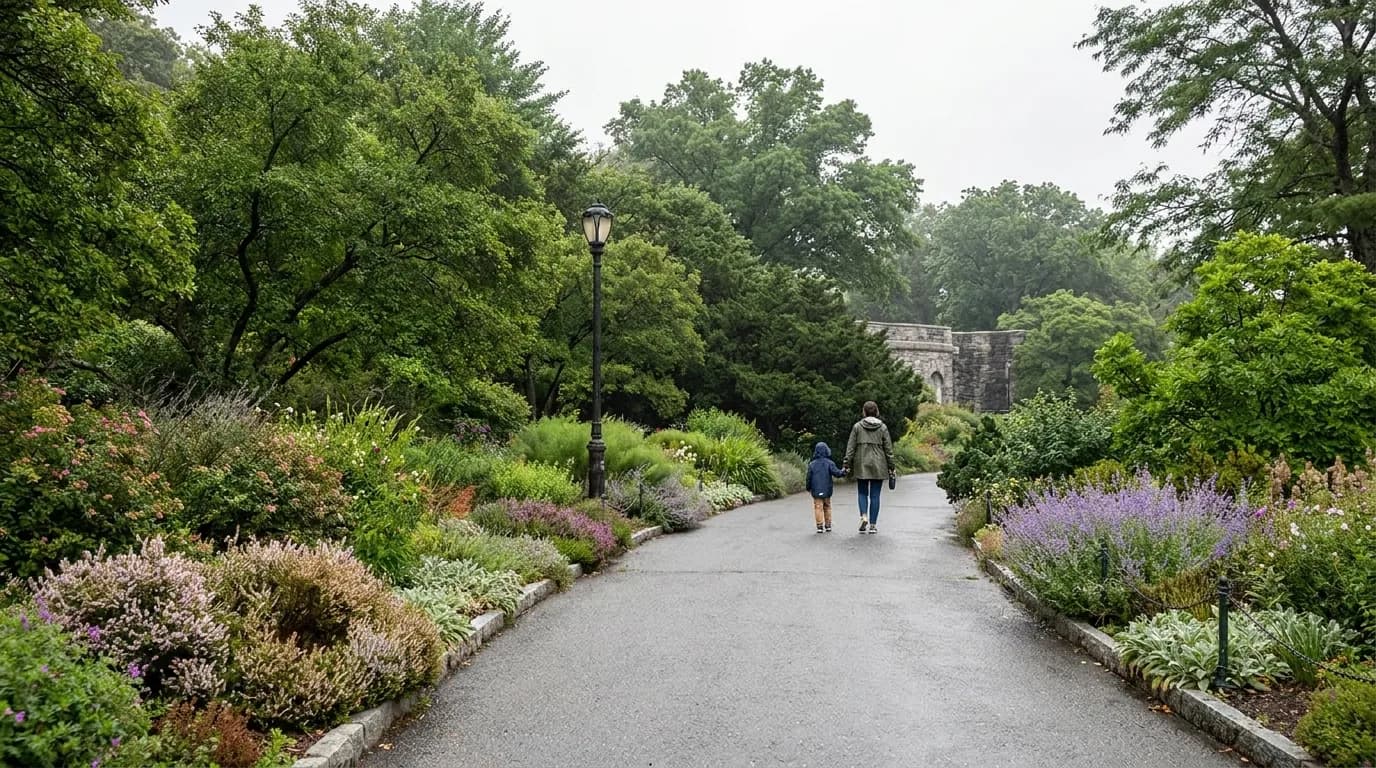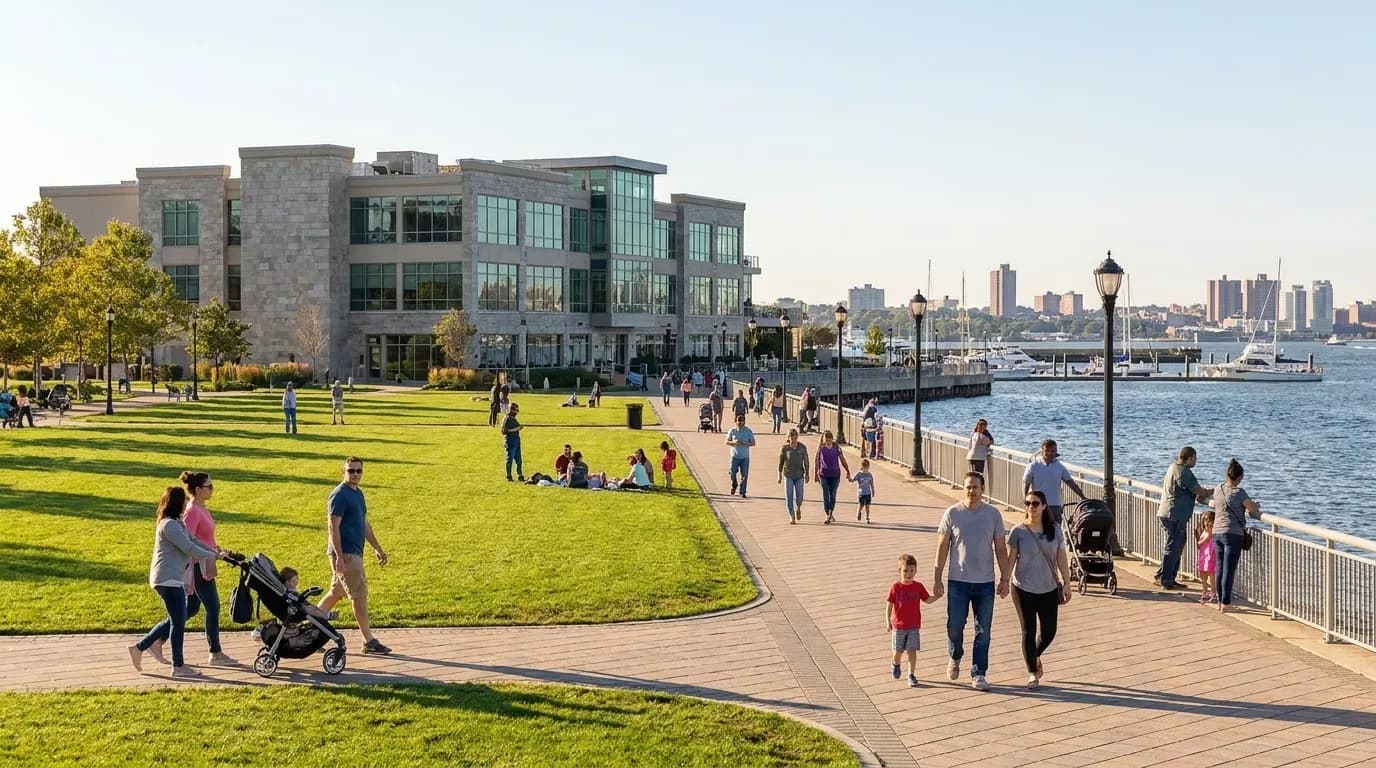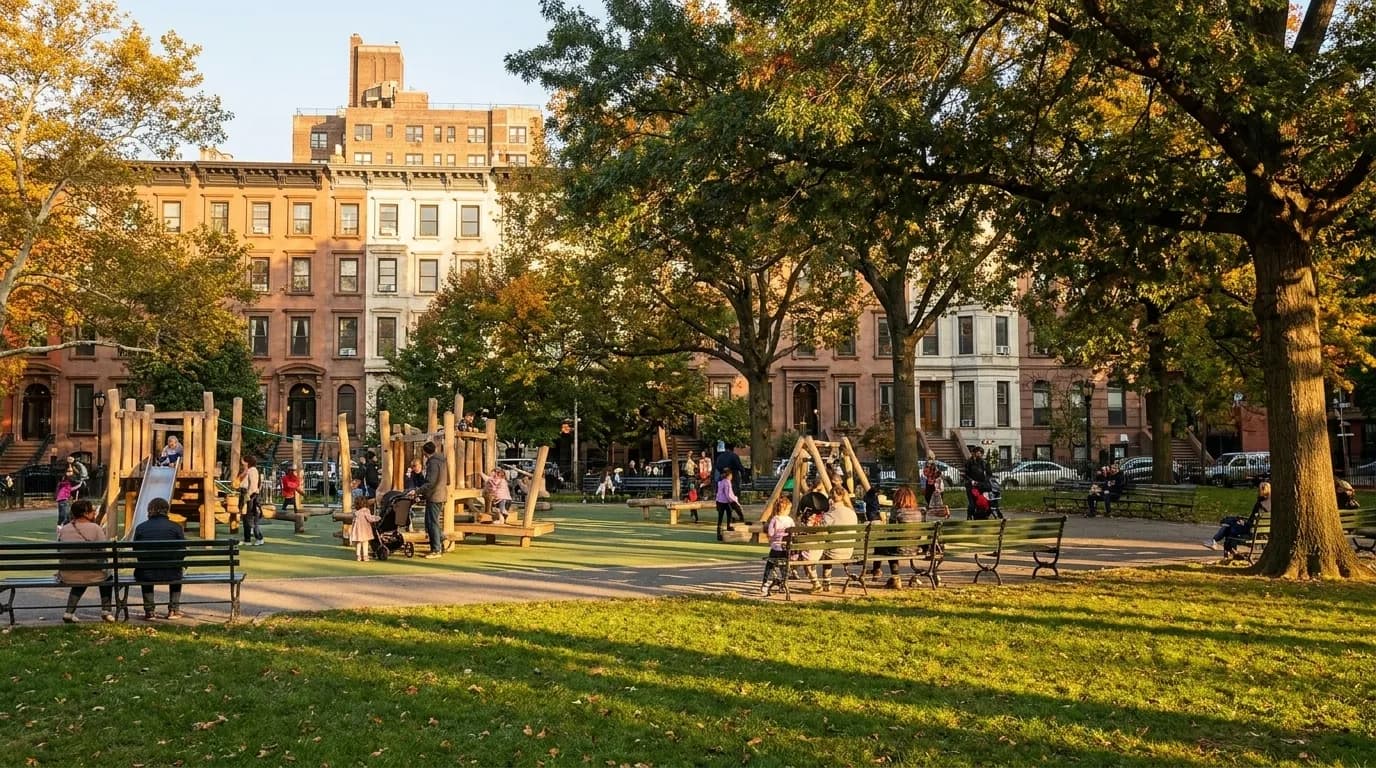
The 5 p.m. dinner slot is no longer reserved for retirees. Reservation data from 2025 show that younger adults and families across the United States are booking dinner earlier, with over half of twenty-to-forty-year-olds interested in finishing meals before sunset. In New York City, where outdoor dining expanded dramatically and streets became public plazas, this shift has practical implications for parents navigating toddler meltdowns, sibling squabbles, and the narrow window between school pickup and bedtime. Families who choose restaurants near parks—rather than inside enclosed shopping districts—report smoother evenings, thanks to pre-meal play space, post-dinner decompression zones, and the ability to leave quickly when a child reaches their limit. The difference isn't about cuisine or price; it's about spatial flexibility and timing that aligns with how young children actually behave between five and seven in the evening.
Text Karpo at (332) KARPO-NY to get a personalized list of park-adjacent family spots in your neighborhood, filtered by outdoor seating, early opening times, and proximity to playgrounds.

The Five-O'Clock Window and Why It Matters for Young Families
The "3:45 Dinner" movement—serving children significantly earlier than traditional mealtimes—reflects a practical reality: young children are hungry, tired, and least patient between five and six-thirty. Restaurants nationwide report surging demand for 5 and 5:30 p.m. slots, driven by convenience and the desire to finish meals before energy crashes. For NYC families, this timing creates a decision point. Do you head to a food court inside a shopping center, where fluorescent lights, echoing voices, and the inability to leave mid-meal can amplify stress? Or do you choose a spot near a park, where children can burn energy on a playground before sitting down, and parents can step outside if someone needs a break?
Research on family dinners emphasizes flexibility over rigid rules. Barriers to consistent family meals include time pressures, work schedules, and distractions in the home environment. Eating out earlier near green space addresses several of these obstacles at once. Parents avoid the rush-hour commute home, skip the pressure to cook after a long day, and gain access to outdoor seating that extends the footprint of local restaurants without expensive indoor renovations. The Open Restaurants program in New York turned streets into public plazas, making outdoor dining a year-round option in many neighborhoods. When a restaurant sits one block from a park, families can arrive at 4:45, let children play for twenty minutes, eat by 5:15, and still have daylight for a post-dinner walk or a second visit to the swings.
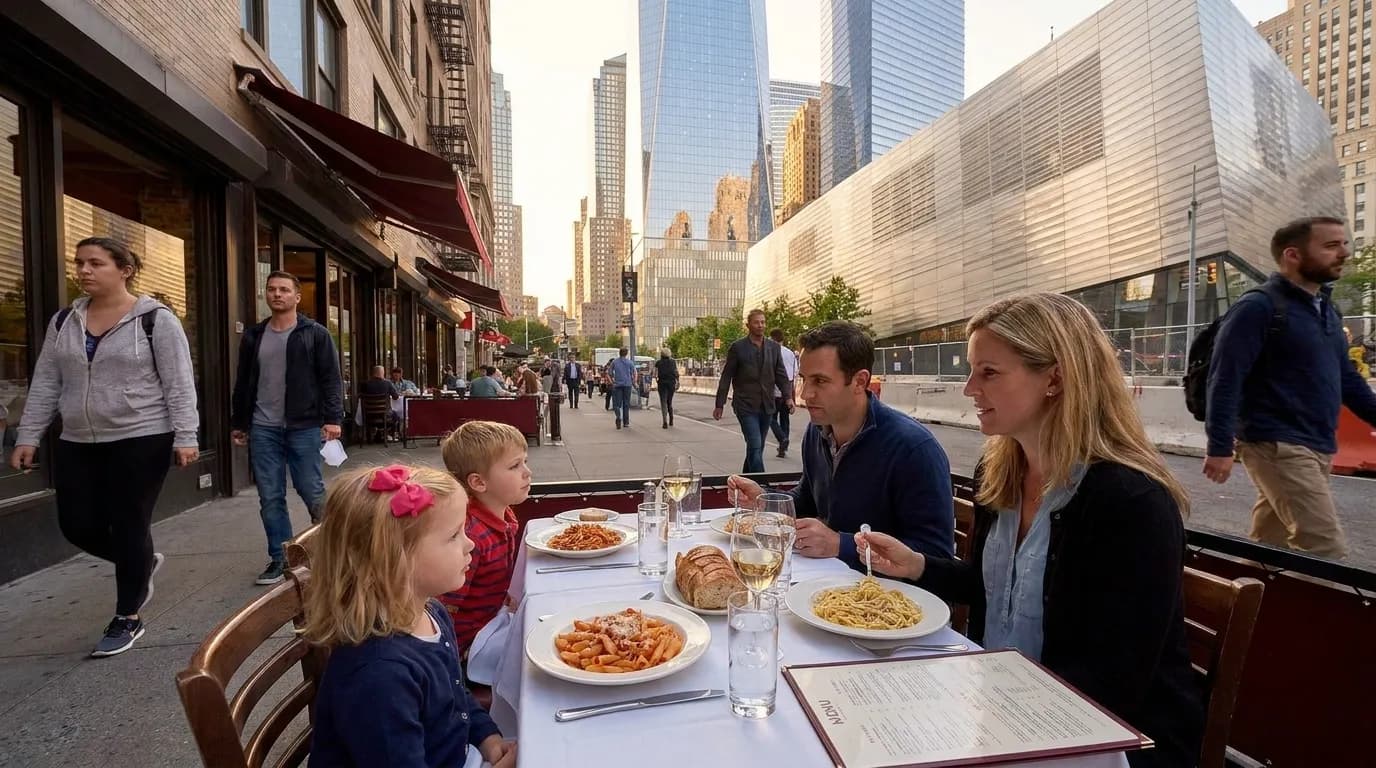
Why Parks Provide Better Exit Strategies Than Enclosed Retail Spaces
Shopping districts—especially those with indoor food courts or restaurants buried inside malls—create logistical traps for families with young children. If a toddler refuses to sit, a sibling fight erupts, or someone needs a diaper change, parents must navigate crowded aisles, escalators, and parking garages to leave. The sensory environment in these spaces—bright signage, background music, competing food smells—can overwhelm children who are already tired. Once you're seated, leaving mid-meal feels disruptive, and the walk back to your car or subway entrance can take ten minutes or more.
Park-adjacent dining flips this equation. If a child melts down, you step outside to a bench, a patch of grass, or a playground twenty feet away. Outdoor seating blurs the line between restaurant and public space, so moving around doesn't feel like abandoning your table. Many NYC parks offer play equipment, open lawns, and paths where a restless child can run in circles while a parent finishes their meal or waits for the check. This flexibility reduces the pressure to keep everyone seated and quiet, which is often the breaking point in family dinners with young kids. The ability to leave quickly—and to return if things calm down—makes the entire experience less stressful for parents and more forgiving for children who are still learning to sit through a meal.
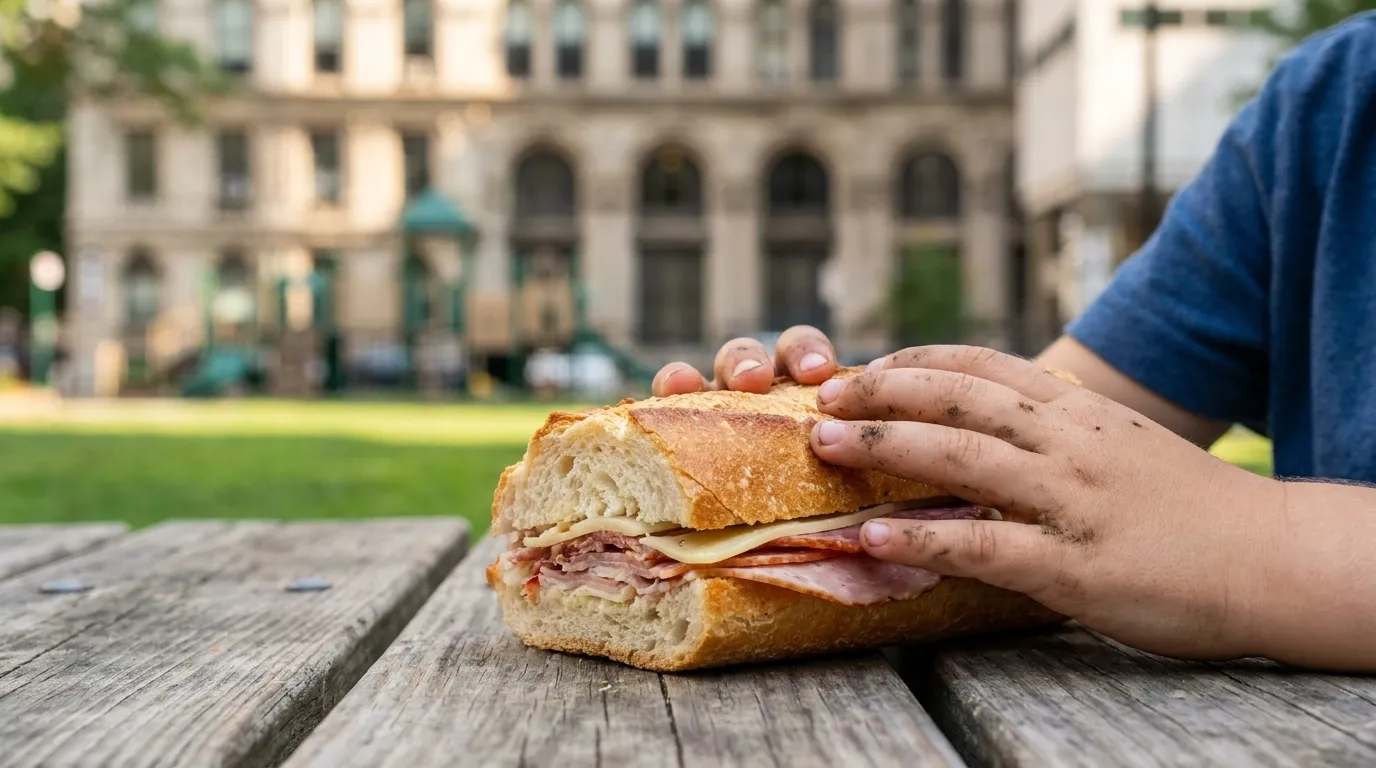
How Outdoor Dining and Green Space Support Healthier Family Routines
The power of family dinners extends beyond nutrition. Studies link regular family meals to improved literacy, mental health, and teen resilience. But the realities of daily life—especially with young children—make these dinners more challenging than many parents expect. Involving children in food planning and preparation helps, but so does choosing environments that support rather than sabotage the goal of eating together. Outdoor dining near parks offers natural light, fresh air, and the psychological benefit of being in a green space, all of which can improve mood and reduce the friction that comes with tired, hungry children.
Streets and parks that support small businesses and outdoor seating also improve public health and neighborhood life. When families can walk to a restaurant, eat outside, and then visit a nearby playground, they're more likely to make dinner out a regular habit rather than a special occasion. This routine builds predictability, which research suggests is more important than perfection when it comes to family meals. The earlier timing—between five and six—also aligns with children's natural hunger cues and avoids the late-evening crankiness that can derail even the best-planned dinners. For parents, finishing the meal before sunset means more daylight for the walk home and an easier transition to bedtime routines.
Practical Considerations: Transit, Weather, and Backup Plans
Choosing a park-adjacent restaurant for early dinner requires some advance planning. Check the restaurant's opening hours; not all spots start dinner service before 5 p.m., especially on weekdays. If you're relying on outdoor seating, have a weather backup—either indoor tables at the same restaurant or a nearby alternative. Spring and fall offer the most reliable conditions, but summer evenings can bring sudden thunderstorms, and winter requires bundling children in layers that make sitting still even harder. Many parks have covered pavilions or nearby cafés that can serve as Plan B if the weather turns.
Transit timing matters. If you're coming from work or school pickup, map your route to avoid peak subway crowding between 5 and 6 p.m. Buses and ferries can be slower but less chaotic with strollers and tired children. Bike-share and walking are ideal if you live within a mile of your target park, but factor in the time children need to transition from one activity to another. Arriving fifteen minutes early gives everyone a chance to decompress before sitting down. If the restaurant is busy, ask if you can wait in the park rather than a cramped vestibule. Most hosts will text or call when your table is ready, and children will be calmer after a few minutes of play than after standing in a crowded waiting area.
Practical Notes
- Confirm restaurant opening hours before 5 p.m.; many kitchens don't start dinner service until 5:30 on weekdays.
- Check real-time weather and have an indoor backup spot within two blocks if you're counting on outdoor seating.
- Arrive fifteen minutes early so children can play in the park before sitting down; this reduces restlessness during the meal.
- Choose parks with visible playgrounds or open lawns within sight of the restaurant's outdoor tables for easier supervision.
- Bring a small bag with wipes, a change of clothes, and a quiet toy in case you need to step outside mid-meal.
- Avoid parks adjacent to major shopping streets during evening rush; foot traffic and noise can negate the calm you're seeking.
- Plan your subway or bus route to minimize transfers; strollers and tired children make complicated transit connections harder after 5 p.m.
The shift toward earlier family dinners near parks reflects a broader understanding that successful meals with young children depend as much on environment and timing as on food. Shopping districts offer convenience, but they lack the spatial flexibility and sensory relief that parks provide. When you eat early near green space, you're not just feeding your family—you're building a routine that accommodates the reality of how children move, rest, and recover between school and bedtime. That routine, repeated consistently, becomes the foundation for the connection and conversation that family dinners are supposed to create.
Tags: #nycfamilydining #earlydinnernyc #parkadjacenteating #familymealplanning #outdoordiningnyc #nycparks #toddlerfriendlynyc #fiveoclockdinner #nycfamilylife #greendiningnyc #familyroutines #nycwithkids
Sources consulted: The '3:45 Dinner' Trend: Why Brands Should Pay Attention to Earlier ... · Early Evening Dining Trend: The Reasons Young Americans Are Choosing ... · Early-bird dinners aren't just for seniors — here's why everyone's ... · Transforming Outdoor Dining - Every Day Matters · How New York's Streets and Parks Became the City's Living Rooms: Plazas ... · Making time for family meals: Parental influences, home eating ...
All trademarks are the property of their respective owners.