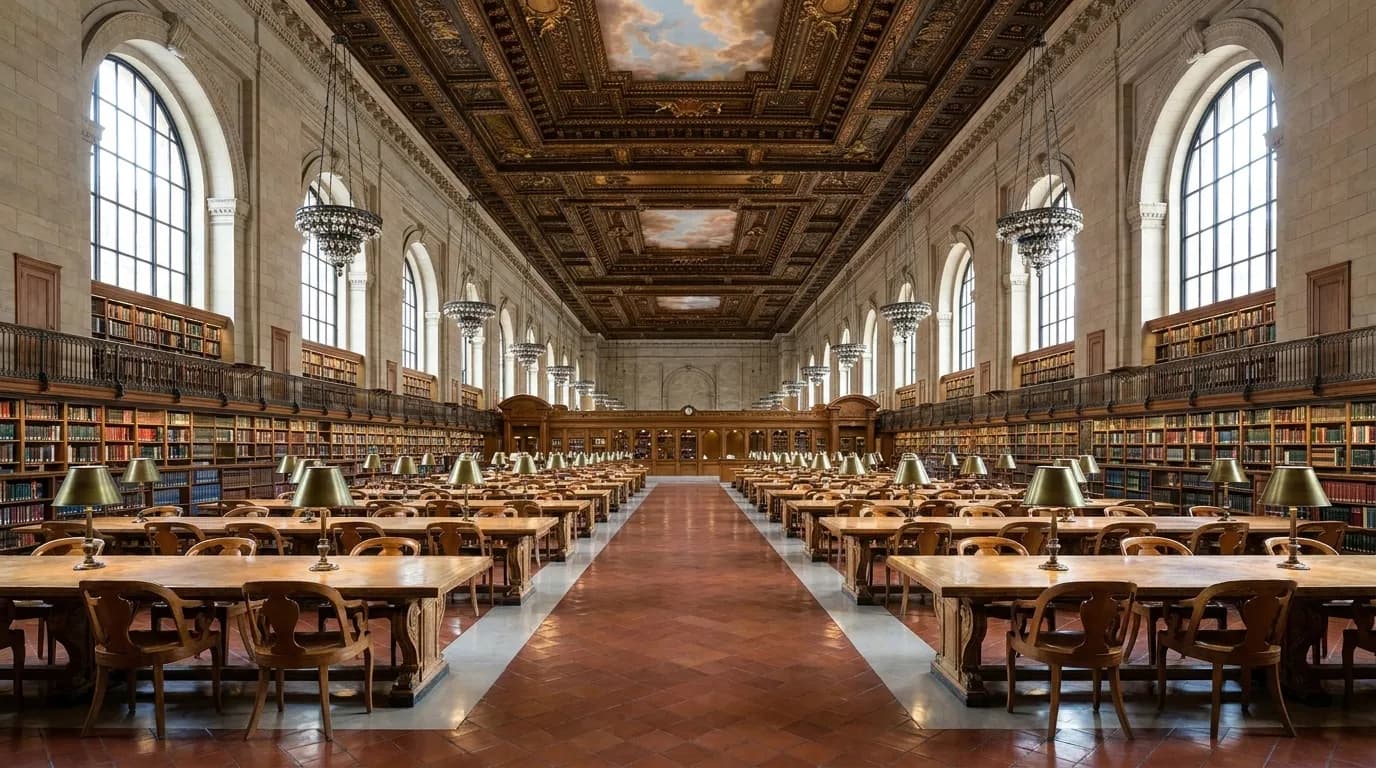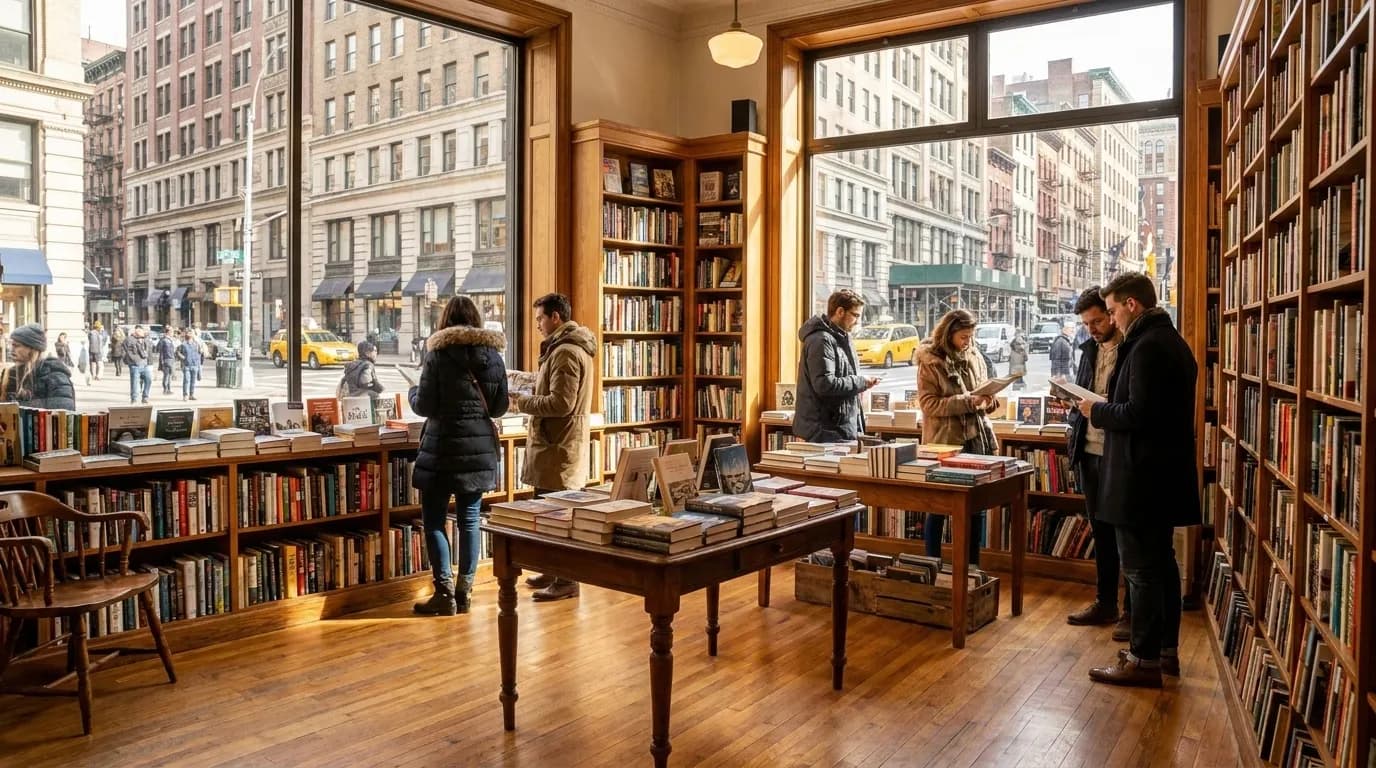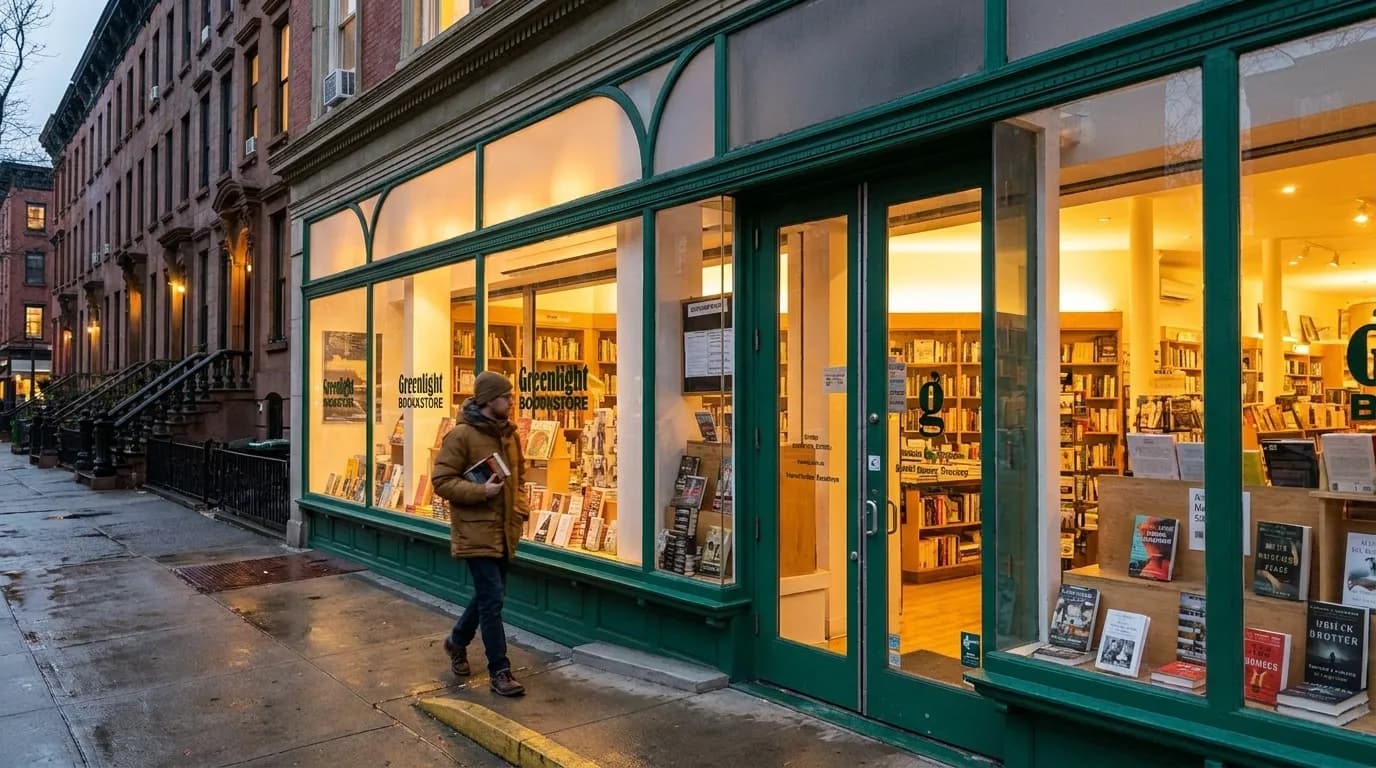
The gallery hop has been a reliable Thursday-through-Saturday ritual for years—hit three Chelsea spaces between six and eight, grab drinks somewhere loud, call it culture. But lately, more locals are building their evenings around independent bookstores instead, often ones that now serve wine or have cafés attached, then moving to a nearby restaurant where the mood stays conversational. It's not about rejecting visual art; it's about preferring a rhythm that doesn't require performing enthusiasm in a white cube every twenty minutes. Bookstores let you linger or leave without social calculation, and the transition to dinner feels organic rather than like a hard pivot from one performance to another. The format works especially well when you're meeting someone you actually want to talk to, or when you'd rather your Friday night feel like a choice than an obligation.
Text Karpo at (332) KARPO-NY to find bookstore-and-dinner routes that match your neighborhood and the kind of evening you're trying to build.

The New Bookstore Model Makes the Route Possible
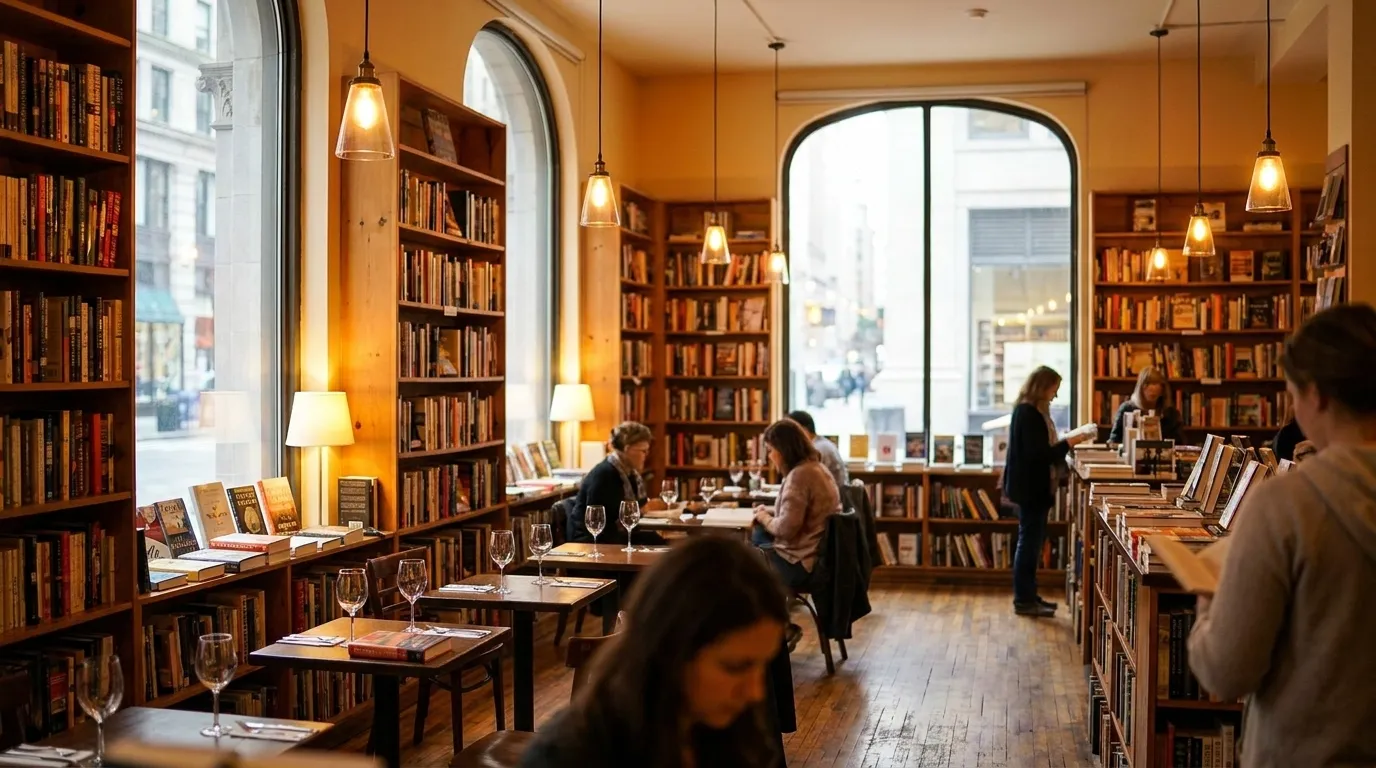
A significant shift in independent bookstore business models has made this evening format viable. Many stores now serve beer, wine, and coffee alongside their inventory, creating a natural first stop that doesn't require immediately committing to a full meal. This hybrid approach—sometimes called the bookstore hyphenate—has emerged as a survival strategy but also changes how people use the space. You can browse for twenty minutes, buy nothing, and still feel welcome to sit with a glass of wine near the poetry section. The transaction pressure that defines most retail disappears, replaced by an environment where spending an hour is normal and encouraged.
The atmosphere in these spaces tends toward bistro rather than traditional bookshop, with seating arranged to accommodate both solo readers and small groups. Some stores display art books as décor, blurring the line between gallery and shop without requiring the same interpretive labor. The lighting is warmer, the music quieter, and the staff generally unbothered by whether you're there to buy or just occupy space. This makes them ideal for the start of an evening when you're not yet ready for the commitment of a reservation but want to be out of your apartment. The format also works if plans are loose—you can text someone to meet at a bookstore, and whether they arrive in fifteen minutes or forty-five, you're occupied.
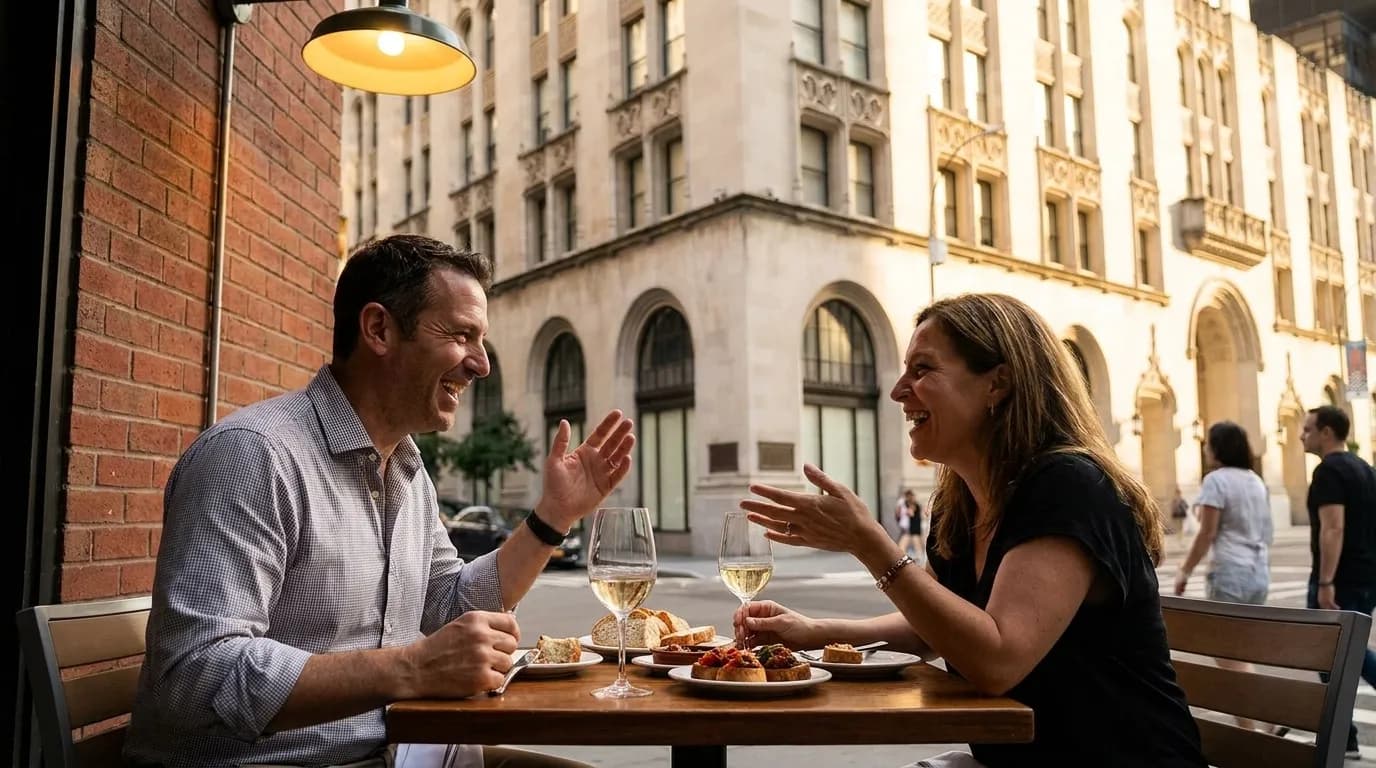
Why Gallery Fatigue Is Real Right Now
Gallery hopping requires a specific kind of social energy that feels harder to summon lately. You walk into a white room, assess the work quickly, perform some version of interest or critique, then move to the next space and repeat. The format assumes you're either deeply knowledgeable or comfortable faking it, and the unspoken rules—don't touch, don't linger too long in front of one piece, don't ask too many basic questions—create a low-level anxiety that accumulates over three or four stops. Organized gallery walks, like those hosted by groups that guide participants through contemporary art spaces, are designed to lower that barrier and make the circuit more social. But even with structure, the pace can feel relentless, especially if you're trying to have an actual conversation between stops.
The other issue is that gallery openings and evening hours often overlap with the exact time you'd want to eat, creating a logistical tension. Do you commit to the full circuit and eat late, or bail halfway through and lose the group? Bookstores solve this by existing outside that schedule. Most stay open until eight or nine, and because there's no opening or event anchoring the visit, you control the timing entirely. You can spend thirty minutes or ninety, then walk two blocks to a restaurant that takes your reservation seriously. The transition feels smoother because you're not shifting from one kind of performance to another—you're just continuing a conversation that started in the store.
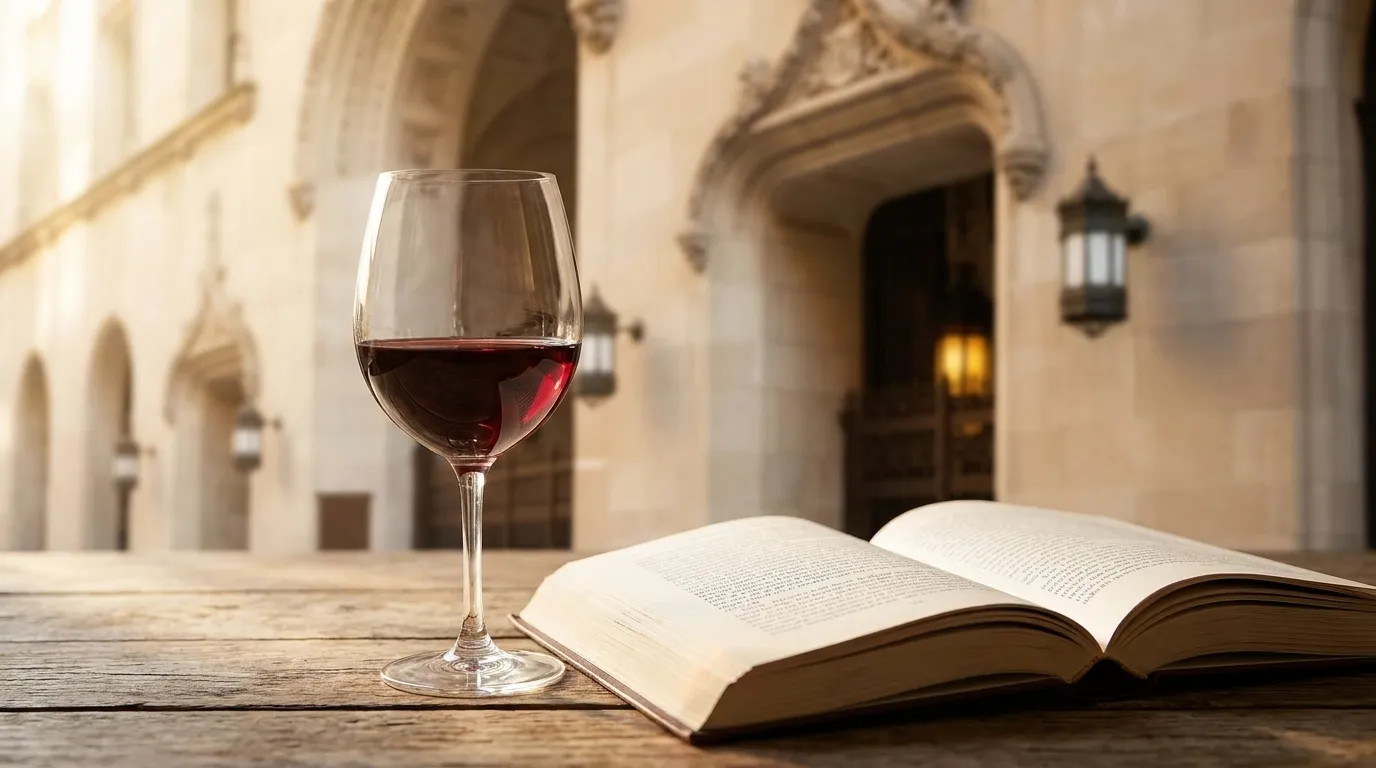
How to Build a Route That Actually Works
The best bookshop-then-dinner routes keep the two locations within a five-to-ten-minute walk, close enough that you're not losing momentum but far enough that the dinner spot feels like a distinct destination. Start by identifying which bookstores in your target neighborhood serve drinks or have seating that encourages staying. Time Out and Tasting Table have both published lists of bookstore cafés across the city, useful for confirming which spots have evolved beyond pure retail. Once you've picked the store, look for restaurants nearby that take reservations and have a noise level that supports conversation—this is not the night for a place where you'll be shouting over a playlist.
Resy published a guide in August 2025 specifically pairing independent bookstores with nearby restaurants and bars suitable for solo dining with a book, which doubles as a useful resource for couples or small groups planning this kind of evening. The key is to make the reservation for at least an hour after you plan to arrive at the bookstore, giving yourself buffer time without the pressure of watching the clock. If the bookstore has wine, start there; if not, plan to arrive at the restaurant's bar a few minutes early. This approach also works well for first dates or early-stage friendships, where the bookstore provides a built-in conversation topic and an easy exit if things aren't clicking, while the dinner reservation offers structure if they are.
When This Format Works Better Than Alternatives
This route works best on weeknights, particularly Tuesday through Thursday, when both bookstores and restaurants are less crowded and the pace feels more intentional. Weekend evenings can turn bookstores into social scenes themselves, which isn't necessarily bad but changes the energy from quiet and exploratory to something closer to a bar with books as décor. If you're planning this for a Friday or Saturday, consider starting earlier—around five or five-thirty—so you're seated for dinner by seven and avoid the peak rush at both locations.
The format also suits specific kinds of social situations better than others. It's ideal for catching up with someone you haven't seen in a while, where you need a low-pressure environment to rebuild conversational rhythm before committing to a full meal. It works well for small groups of three or four who can split up in the bookstore and regroup at dinner with things to talk about. It's less effective for large groups or for evenings where the goal is high energy and spontaneity—if you want to end up somewhere loud and late, start somewhere loud and late. But if you're trying to have the kind of night where you remember the conversation the next day, the bookstore-then-dinner route consistently delivers. The rhythm is slower, the transitions are gentler, and you're never stuck performing interest in something that doesn't hold your attention.
Practical Notes
- Check bookstore hours before building your route—many independent shops close by eight or nine on weeknights, so plan to arrive by six-thirty at the latest.
- Make dinner reservations for at least an hour after your planned bookstore arrival time to avoid feeling rushed.
- Weeknight evenings (Tuesday–Thursday) offer quieter bookstore browsing and easier restaurant availability than weekends.
- Look for restaurants within a five-to-ten-minute walk of your chosen bookstore to maintain momentum without losing the conversational thread.
- If the bookstore serves wine or coffee, start your evening there rather than arriving at the restaurant bar early.
- This format works especially well for first dates, early friendships, or catching up with someone after a long gap—the bookstore provides natural conversation material.
- Avoid planning this route on nights when either location is hosting a reading or special event unless you're attending that event specifically.
The bookshop-then-dinner route isn't a rejection of galleries or visual art—it's just a different way to structure an evening when you want the night to feel like yours rather than someone else's itinerary. The format rewards curiosity without demanding expertise, and it creates space for the kind of conversation that's hard to have when you're standing in a white room pretending to understand a wall text. As more bookstores add wine programs and cafés, and as more locals realize they'd rather spend their evenings talking than performing, this route will likely become as common as the gallery circuit ever was. The city has always offered multiple ways to be social; this one just happens to come with better lighting and somewhere to sit.
Tags: #bookstorenyc #independentbookstores #nycnightlife #dinnerinnyc #hiddenbookshops #nyclocals #bookstoreculture #slowevening #nycrestaurants #bookandwine #galleryhop #culturenyc #quietnyc #nycdate
Sources consulted: Bookstores' latest release? Beer, wine, dinner, coffee and a unique ... · Bookstores' latest release? Beer, wine, dinner, coffee and a ... - KESQ · The Resy Guide to Dining Solo (With a Good Book) — Resy | Right This Way · The 12 Best NYC Restaurants, Coffee Shops, And Bars For Book Lovers · 12 Best bookstore cafés in NYC - Time Out · Art Gallery Hops - Early Burdz
All trademarks are the property of their respective owners.