The Counter Stools Fill When the Stadium Empties
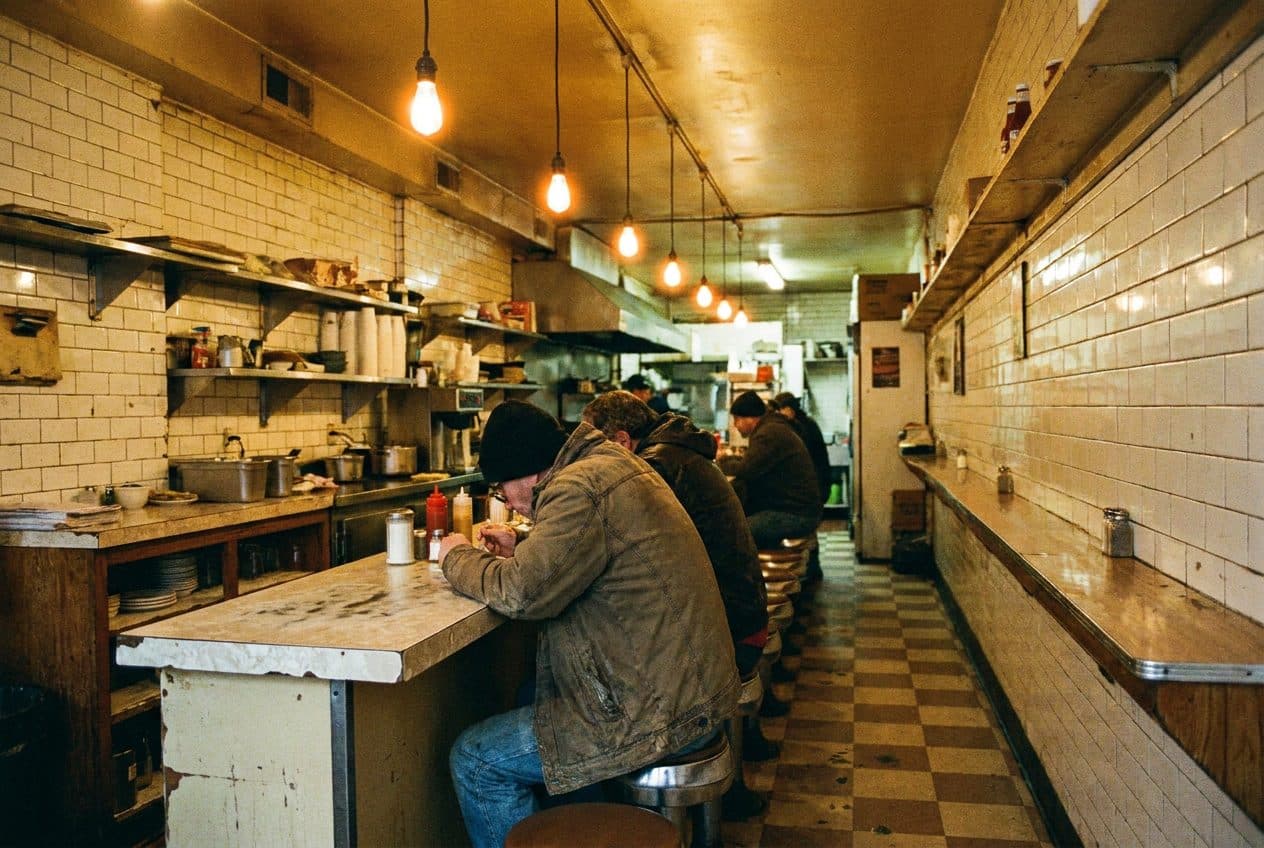
You walk into Little Italy around eleven on a playoff night and the air smells like garlic hitting hot oil, mixed with October cold clinging to wool coats. The neighborhood's old-guard red-sauce spots—the ones with Formica counters and fluorescent buzz—absorb the post-game crowd in waves. Yankees fans still wearing caps. Guardians supporters checking phones for flight changes. Everyone hungry, everyone too wired to sleep, everyone suddenly okay sitting elbow-to-elbow with the opposition now that the scoreboard's final.
The rhythm here isn't about celebration or drowning sorrows. It's about coming down slowly, letting your pulse settle while someone slides a bowl of rigatoni across scratched laminate. The pasta's always ready because these kitchens never really close their eyes during October baseball.
The Unspoken Truce Over Marinara
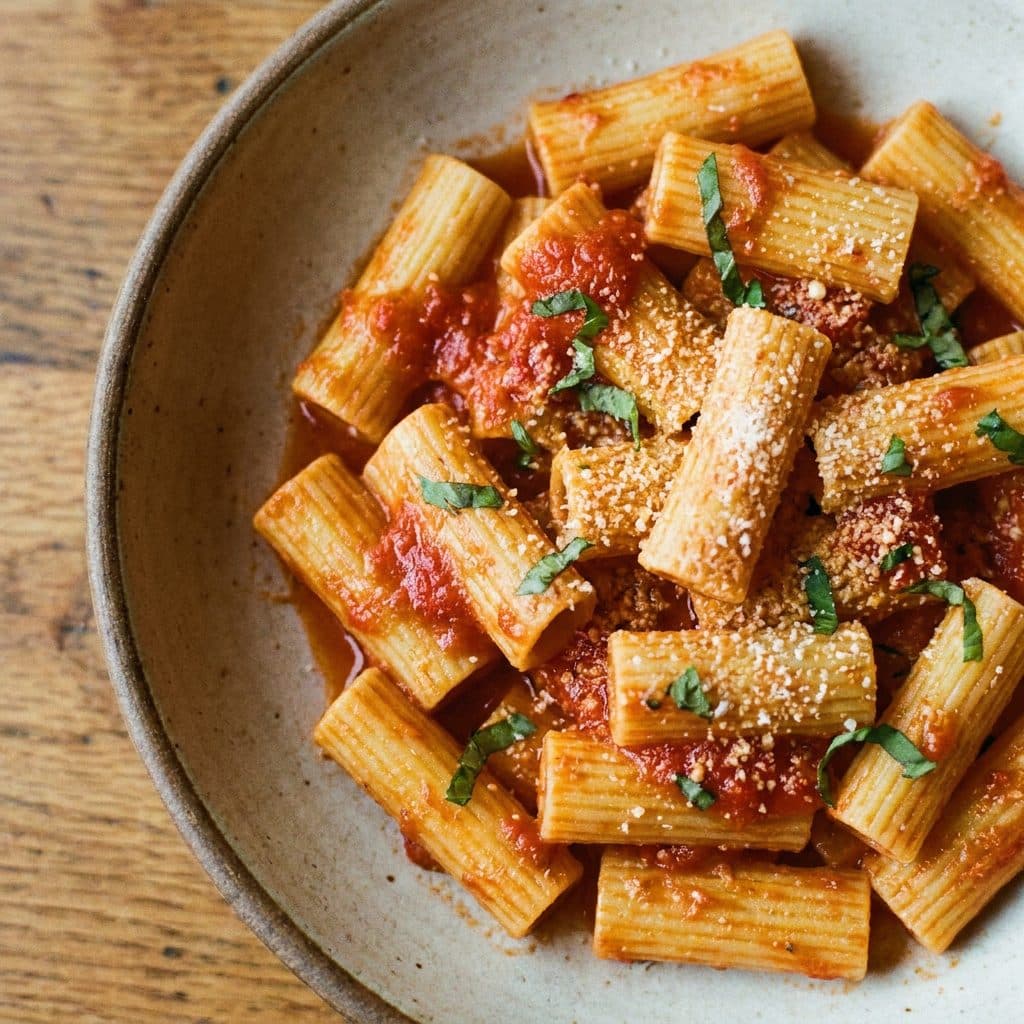
Something shifts when you're no longer separated by bleacher sections. At the counter, a guy in a block-C hoodie sits two stools from someone whose pinstripes are visible under an open jacket. They don't talk about the game directly—not yet, maybe not ever—but there's this quiet acknowledgment in how they both order the same thing without looking at menus. Penne vodka. Sausage and peppers. Whatever's been simmering since the seventh inning stretch.
The servers here have seen this play out for decades. They move between stools refilling water glasses and grated cheese bowls, never asking who won, never taking sides. Their neutrality is professional and absolute. You get the sense they could recite the box score from memory but choose not to, the same way a good bartender knows when silence serves better than small talk. The only commentary comes from the kitchen—metal spoons against pot edges, the hiss of pasta hitting boiling water, cabinet doors closing with that specific hollow thunk of commercial hinges that need oil.
Why the Counters Instead of Tables
The tables fill first with families, with couples who planned this as a date night regardless of extra innings. But the counters are where the solo pilgrims end up, the ones who rode the subway straight from the Bronx or took a car service from their Midtown hotel because sitting alone in a room felt impossible. Counter seating does something to the social contract—you're alone but not isolated, free to stare at your phone or the kitchen pass-through or the vintage Campari poster without anyone asking if you're okay.
There's a particular quality to the light at these counters after midnight. The overhead fluorescents cast everything in cool white, but the kitchen throws warm yellow through the service window. You end up lit from two directions, which makes everyone look both tired and oddly cinematic. Your reflection in the back-bar mirror shows a person who just watched three hours of high-stakes baseball and now needs carbohydrates more than conversation.
The proximity breeds a different kind of intimacy than booth seating. You hear fragments—someone's uncle who had tickets behind home plate, a flight that boards at six, a text from a friend still at a bar uptown. These aren't conversations you're invited into, but they're not private either. They're the ambient sound of a city processing its anxieties one bowl at a time.
What You Actually Order
Nobody's here for the menu's ambitious corners. You want the things that have been on the menu since the place opened—whenever that was, and nobody's quite sure, and the framed photos on the wall show different decades of the same corner, the same awning, slightly different cars. Rigatoni with Sunday gravy. Baked ziti that arrives bubbling at the edges. Chicken parm that overflows its plate in the way that signals someone in the kitchen isn't measuring portions, just feeling them.
The pasta comes out hot enough that you have to wait, blowing on forkfuls, buying time before the first bite. This waiting period is when the strangest conversations happen—someone asks if you need the red pepper flakes, you slide the shaker over, suddenly you're talking about how the relief pitcher looked shaky in the eighth. The food becomes the excuse for everything else.
You'll notice the regulars order without speaking, just a nod to the server, and five minutes later a bowl appears. They're not here because of baseball. They're here because they're always here, and tonight the place just happens to be full of people in team colors. Their presence is grounding, a reminder that this neighborhood's rhythms don't actually pause for playoffs, they just absorb them.
The Kitchen's Particular Soundtrack
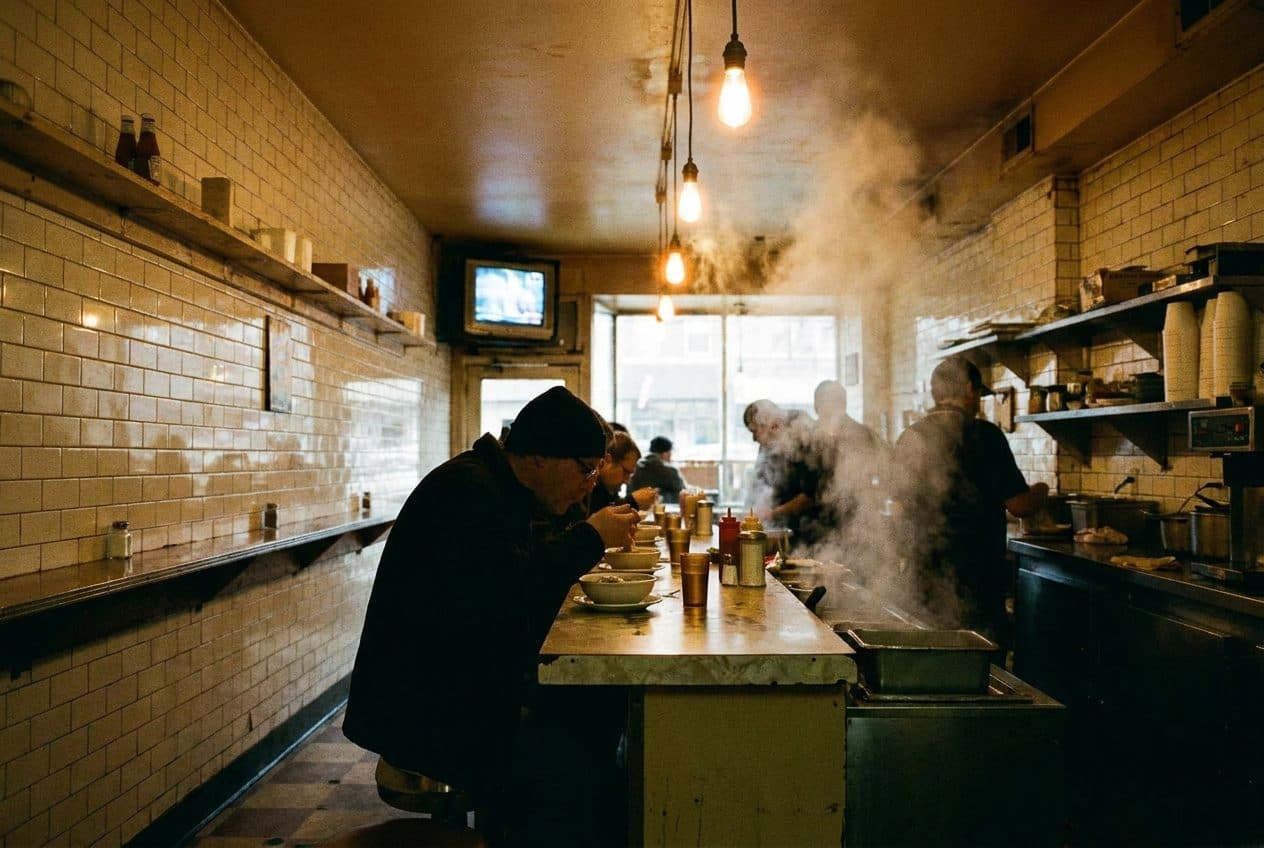
Stand near the service window long enough and you learn the acoustic signature of red-sauce cooking at volume. There's the aggressive sizzle of garlic in olive oil, which always smells like it's thirty seconds from burning but never quite gets there. The wooden spoon scraping the bottom of a pot where sauce has started to stick. The specific metallic ring of tongs pulling pasta from boiling water, followed by the softer sound of it hitting the sauté pan.
During the rush—which on game nights means eleven to one—the kitchen operates in this state of controlled chaos that looks frantic but is actually deeply choreographed. Two guys working a line meant for four, moving around each other without speaking, one plating while the other's already starting the next order. You can track the rhythm by watching plates appear in the window: three at once, then a pause, then four more, then two. The timing corresponds to when tables and counters filled twenty minutes earlier.
The smell is what stays with you though. It's not subtle or refined. It's oregano and basil in quantities that would horrify a modern recipe developer, tomato sauce that's been cooking long enough to lose its acidity and turn sweet, cheese hitting hot pasta and releasing this dairy-sharp note that cuts through everything else. Your coat will smell like this place tomorrow, and you won't entirely mind.
When the Crowd Finally Thins
Around one-thirty, something shifts. The post-game rush has moved through, and the dining room enters this strange quiet period before the truly late-night people arrive—the service industry workers, the insomniacs, the ones for whom two a.m. is dinner time. The servers wipe down sections that won't stay clean for long. Someone changes the music from whatever was playing to something older, jazzier, lower.
This is when you notice who stayed. A few counters stools still occupied by people nursing espresso, scrolling through game highlights or texting people in other time zones. The guy in the Guardians gear left his cap on the counter while he went to the bathroom—a small act of trust that wouldn't have happened three hours ago. The family at the corner table is down to just checking their phones, the kids asleep against parents' shoulders, but nobody's rushing to leave.
You settle your check—which runs lower than you expected, always does at these places—and the server doesn't ask if everything was okay. Of course it was okay. You're still here, aren't you?
Practical Notes
Most of Little Italy's traditional red-sauce spots keep kitchen hours that stretch well past midnight, especially during playoff season. You'll find the densest concentration of these counters along Mulberry Street and the blocks immediately surrounding it. Getting here is straightforward—the neighborhood sits within walking distance of several subway lines, and late-night service runs frequently enough that you won't be stranded.
Expect to pay casual-dining prices, the kind where you can eat well without thinking too hard about it. Cash is often preferred, though cards work too. Reservations aren't really part of the culture at counter spots—you show up, you wait if you need to, you eat. The wait is rarely long after midnight.
If you're coming straight from a game, give yourself twenty minutes on the train. The neighborhood's quiet enough at night that you'll hear your footsteps on the pavement, but never so quiet that you feel alone. Look for the places with lights still bright in the windows and steam on the glass.
Tags: #LittleItaly #LateNightEats #NYCAfterDark #RedSauceDiaries #PostGameRitual #OctoberBaseball #CounterCulture #PullUpAChair #NewYorkPasta #YankeesGuardians #PlayoffSeason #MidnightCarbs #BronxToManhattan #ItalianAmerican #CityThatNeverSleeps
Sources consulted: eater.com · timeout.com · infatuation.com
All trademarks are the property of their respective owners.


