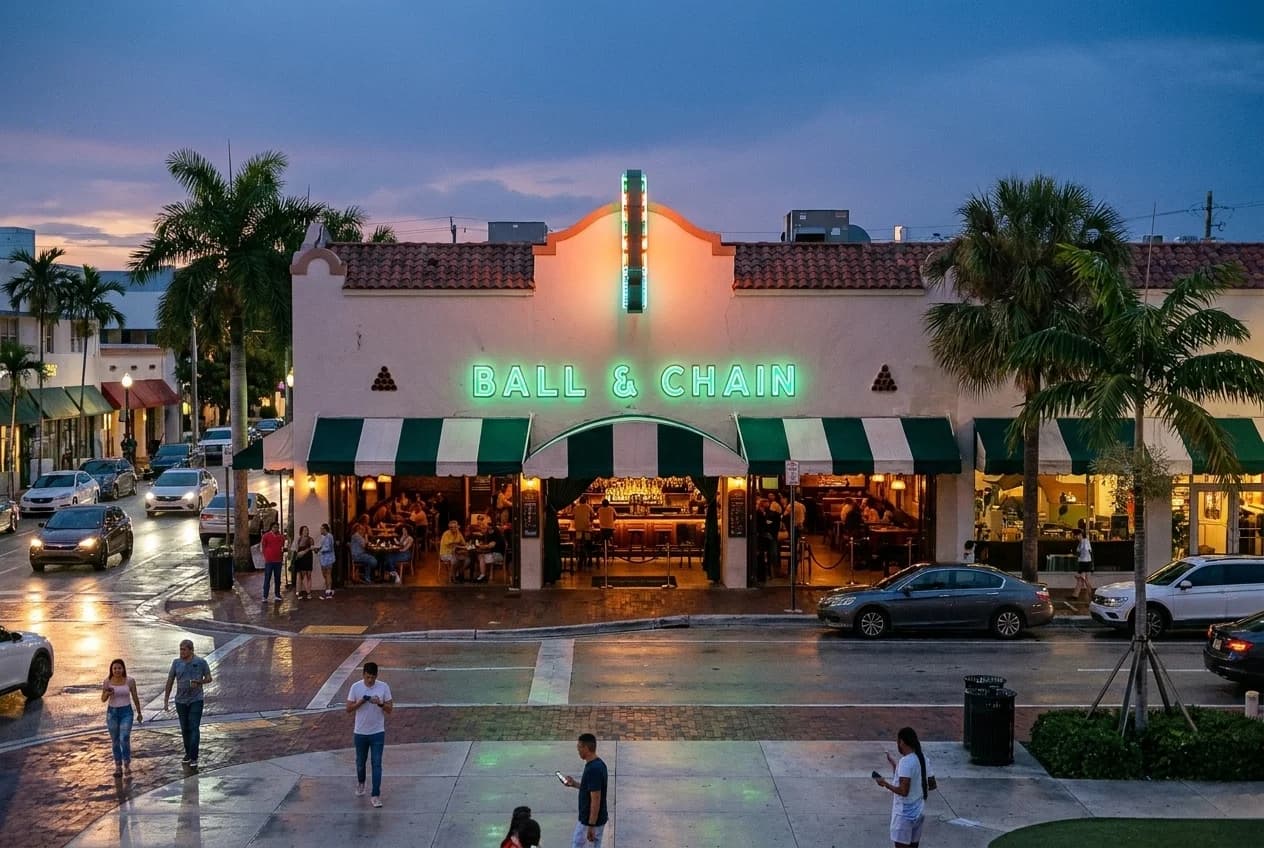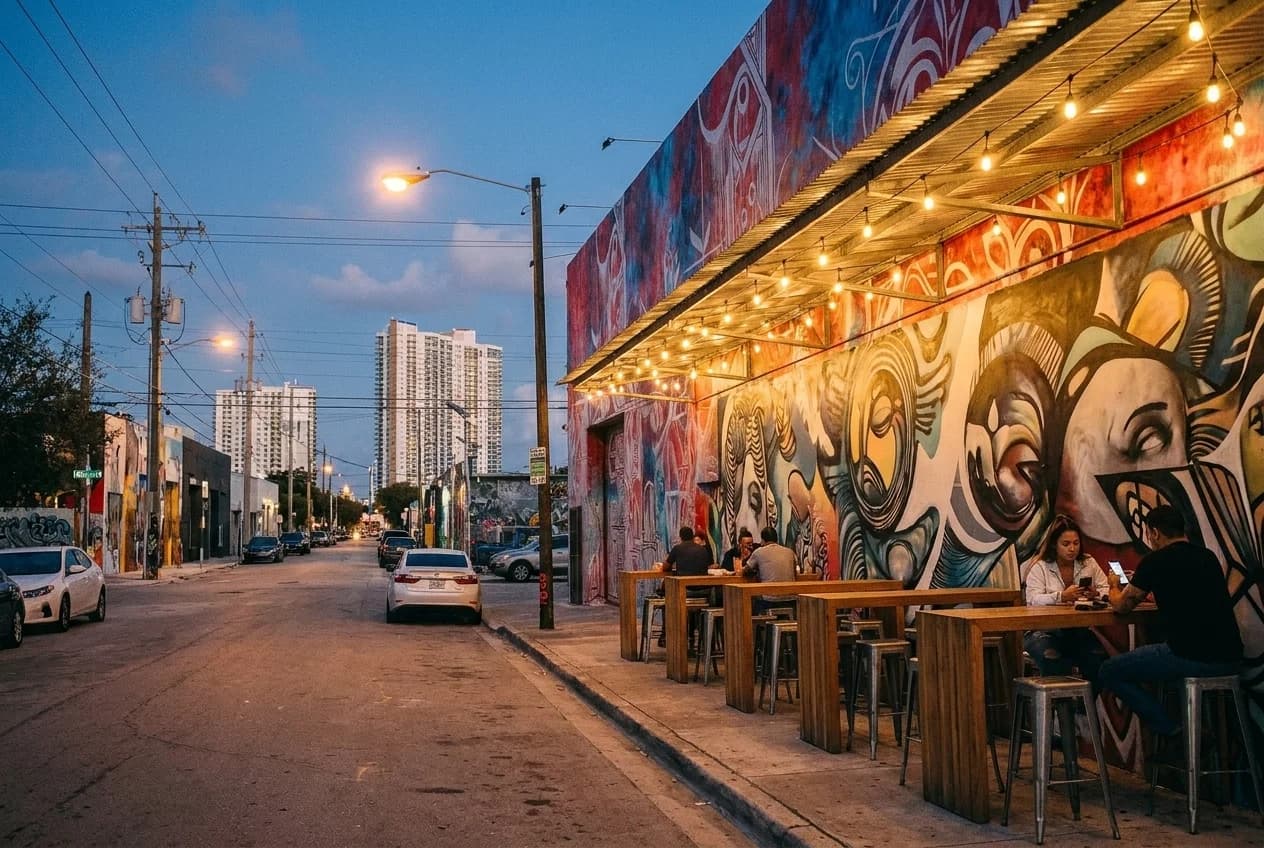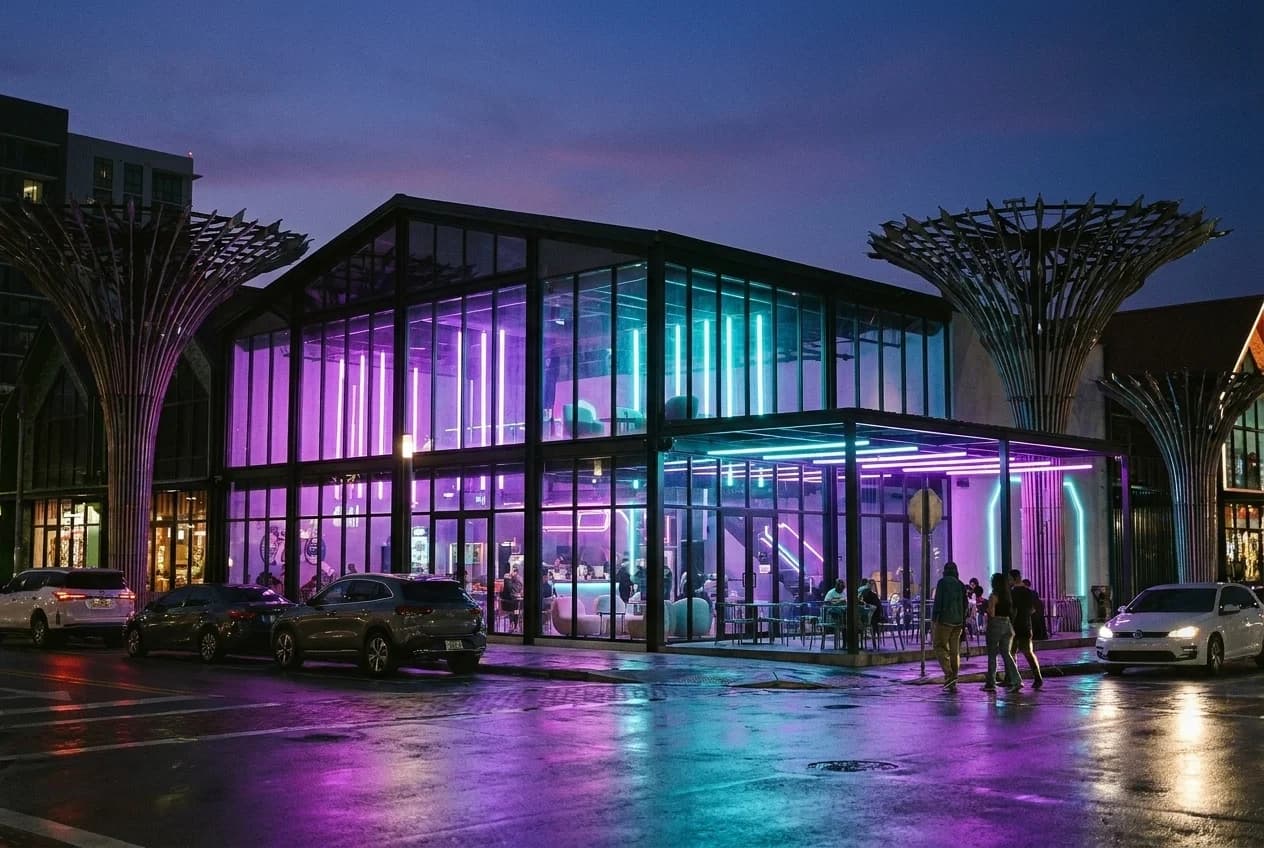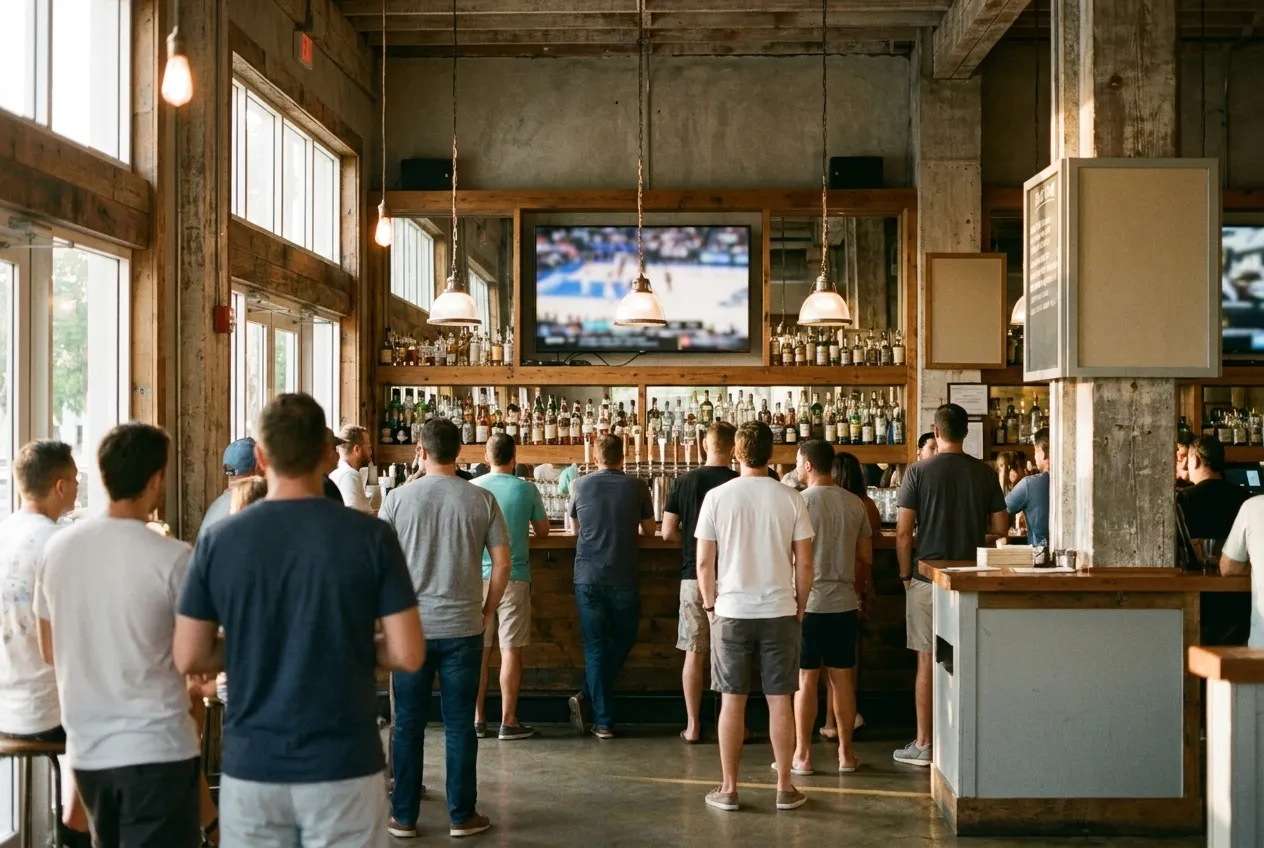
The thing nobody tells you about watching football in the United States is that the venue is downstream of the supporters' club. A bar does not decide to become a Liverpool bar; a group of Liverpool supporters approaches a bar, guarantees it thirty or forty people at half past seven on a Saturday morning, and the bar agrees to open, to put the match on the main screen and to give it the sound. That arrangement is the whole system. Once you understand it, finding where to watch your team on Miami Beach becomes a question about people rather than about premises.
Home venues move between seasons and big fixtures get relocated to bigger rooms. Tell Karpo which club you follow and which weekend, and get where that group is actually meeting.
How a supporters' club actually operates
Most large English, Spanish, German and Italian clubs have officially recognised international supporters' branches, and the bigger ones have a Miami or South Florida chapter. The chapter agrees a home venue - a specific bar that hosts them for every fixture - and publicises the meet-up through its own channels. Membership is usually free or nominal and mostly exists to allow the organisers to count heads.
What the arrangement buys the members is the two things that are otherwise hard: certainty that the bar will be open at an antisocial hour, and certainty that their match will be the one with the sound on. What it buys the bar is a reliable, spending crowd at a time when the room would otherwise be empty. It is a straightforwardly good deal for both sides, which is why the model is near-universal.
Turning up as a newcomer
This is the part that puts people off unnecessarily. You do not need to be a member, you do not need to know anyone, and you do not need to prove your credentials. Supporters' branches in the United States are almost uniformly welcoming to newcomers, because their whole reason to exist is to find other people who care about the same team in a city where most people do not.
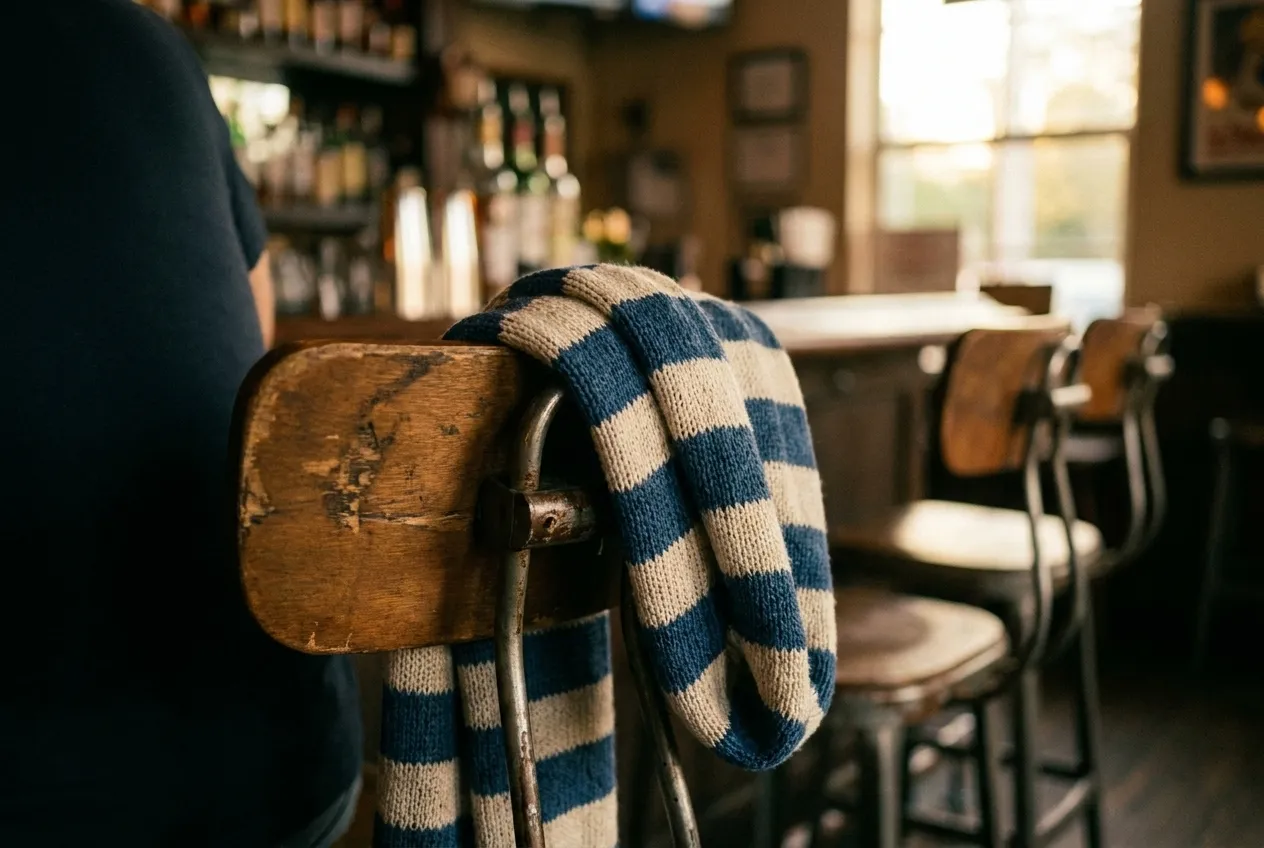
The etiquette is simple. Arrive twenty minutes before kickoff. Wear the shirt or the scarf if you have one - it is not compulsory but it is how people identify each other. Sit or stand where the group is rather than at the far end of the bar. Learn the songs by listening rather than by joining in on the first one. And buy something; the arrangement with the venue depends on the group spending money, and a member who nurses a tap water for two hours is quietly undermining it.
South Beach specifically
Miami Beach is an unusual environment for this. It has an enormous concentration of bars, a very large international and European population, and a lot of visitors who are only here for a week - which produces both a genuine local supporter base and a rotating cast of people looking for their team on holiday. The consequence is that beach venues are more likely than mainland ones to be open early and more likely to have someone behind the bar who understands the request.
It also has a large Latin American population and a correspondingly strong interest in Spanish, Argentine and Brazilian football alongside the English game. On a weekend where La Liga and the Premier League overlap, a beach bar may well have both on with the Spanish match getting the sound, because that is where the numbers are. Ask rather than assume.
What changes for a big fixture
For a derby, a title decider or a European final, the ordinary arrangement is often suspended. Supporters' clubs frequently move to a larger venue, sell tickets or take reservations, and the whole thing becomes an organised event rather than a standing meet-up. That is worth knowing because the bar you went to last month may be showing something else entirely while your group is three miles away in a hired room.
The other change is timing. For a big match people arrive an hour early rather than twenty minutes, and the good venues fill. If you turn up at kickoff for a Manchester derby expecting to walk in, you will be standing at the back with a partial view. This is the one category of football watching in Miami where planning several days ahead genuinely matters.
The alternative if your club has no branch
Smaller clubs and lower-division teams often have no Miami chapter, and the honest answer is that you will be watching alone or in a bar showing something else. Two things help. First, the ten o'clock Saturday slot is when the most matches are on at once, so a bar with many screens is more likely to have yours somewhere, even without sound. Second, ask the day before - a bar with a spare screen will usually put a match on if someone specifically requests it.
The other option is to attach yourself to a neutral venue: an Irish or British pub that shows football as a matter of course rather than as a supporters' arrangement. The atmosphere is lower but the reliability is higher, and on a morning when your team is playing a Tuesday-night-quality fixture, reliability is worth more than atmosphere.
Practical notes
Find your club's South Florida branch online first; the venue is decided by the group, not the bar. Arrive twenty minutes early for a normal fixture, an hour for a big one, and check whether a big match has been moved to a larger venue. Wear colours if you have them. Buy something - the arrangement depends on it. Kickoffs are half past seven, ten and half past twelve on Saturdays Eastern time, with clock changes shifting everything for a couple of weeks in spring and autumn. Ask specifically about sound. Parking on the beach is a garage proposition, but at seven in the morning it is the easiest it will ever be. And expect Spanish-language football to have a strong claim on the main screen here - this is Miami.
Tags: #WhereToWatchSoccer #SouthBeach #Miami #SupportersClub #PremierLeague #LaLiga #WatchParty #SoccerBars #MatchDay #MiamiBeach #Football #MiamiSports #SportsBars #Derby
All trademarks are the property of their respective owners.
Ask Karpo first
Home venues move, big matches get relocated, and the sound goes to whoever organised first. Ask Karpo where your club's Miami group is meeting for this weekend's fixture, what time they are getting there, and whether the venue has changed for a big game.