There is a hierarchy of screens in every football bar and in most of the United States it runs the same way: the Premier League gets the big one, La Liga gets a corner, and everything else gets whatever is left. Miami inverts this. The Spanish-speaking population here is the majority of the county, the Latin American football culture is the dominant one, and on a Clasico weekend the main screen and the sound belong to Real Madrid and Barcelona without anyone needing to argue about it. That makes Miami arguably the best city in the country to watch Spanish and South American football.
Big fixtures get moved to larger venues and several take reservations, which the standing weekly arrangements do not. Tell Karpo the match and Karpo can find where it is actually being shown properly.
The kickoff clock for the Spanish and European games
El Clasico is normally scheduled for a Sunday evening in Spain, which lands in the middle of the Miami afternoon - typically around three o'clock Eastern, occasionally later or on a Saturday depending on the broadcast round. That is a far more civilised hour than the Premier League's breakfast slots and it is one reason the fixture draws bigger crowds here.
Champions League group and knockout matches kick off in the European evening, which puts them at three and five in the afternoon Miami time on Tuesdays and Wednesdays. The final is normally a Saturday, landing mid-afternoon here. Copa Libertadores and South American fixtures run on a different clock again and often land in the Miami evening, which makes them the easiest of all to watch socially. The general rule: European football is an afternoon activity in Miami, and South American football is an evening one.
Why the crowd is different here
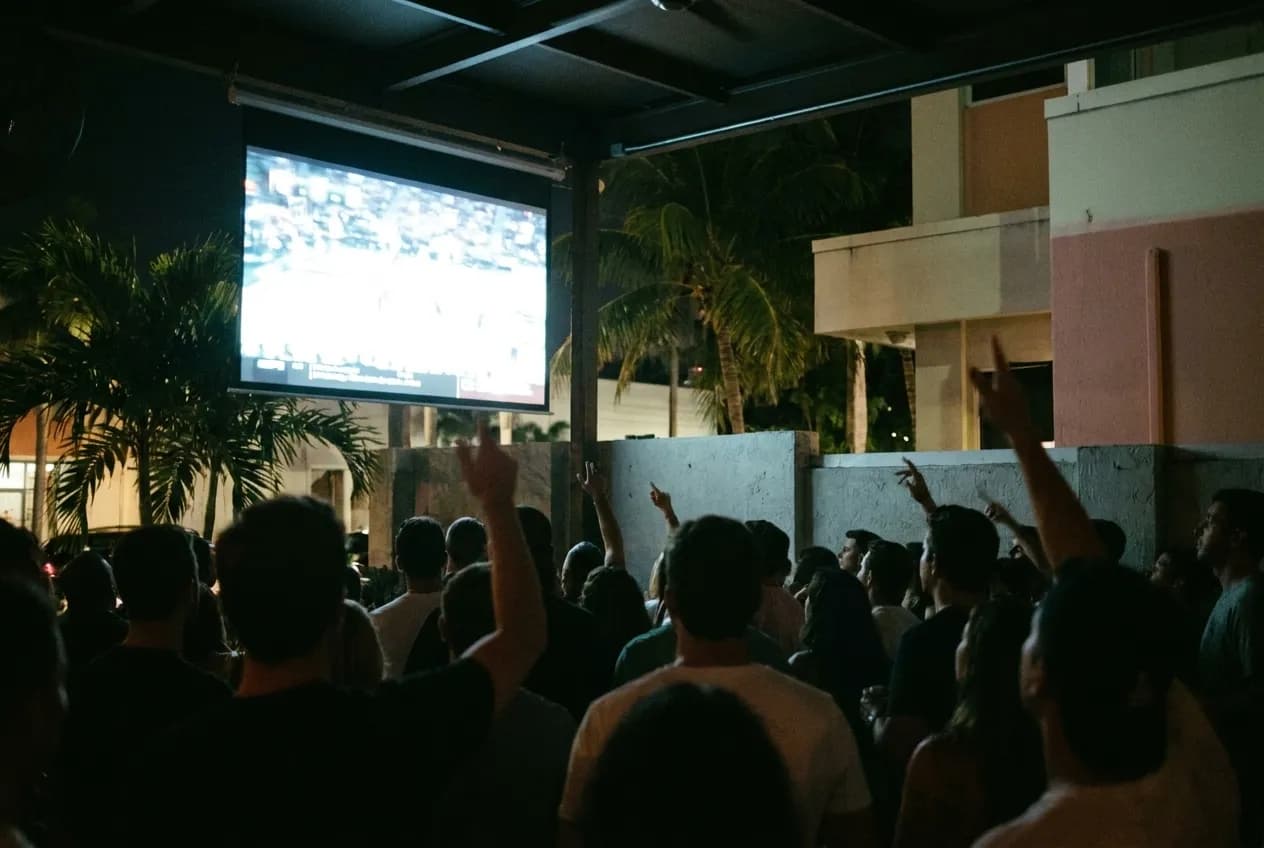
Miami-Dade has a Hispanic majority, drawn from Cuba, Colombia, Venezuela, Nicaragua, Honduras, Argentina, Peru and elsewhere, and football is a first-language sport for a very large share of that population. That produces a viewing culture that is closer to Buenos Aires or Bogotá than to Boston: matches are family occasions as often as bar occasions, the commentary is in Spanish, and the emotional register is considerably higher.
The practical consequences are real. A Clasico crowd in Miami will be genuinely mixed between the two clubs rather than overwhelmingly one, which makes for a much better atmosphere. Argentine and Colombian fixtures fill rooms that would be empty for an English mid-table game. And the presence of Inter Miami in Major League Soccer has broadened the audience further, drawing in people who came for one player and stayed for the sport.
The three kinds of venue
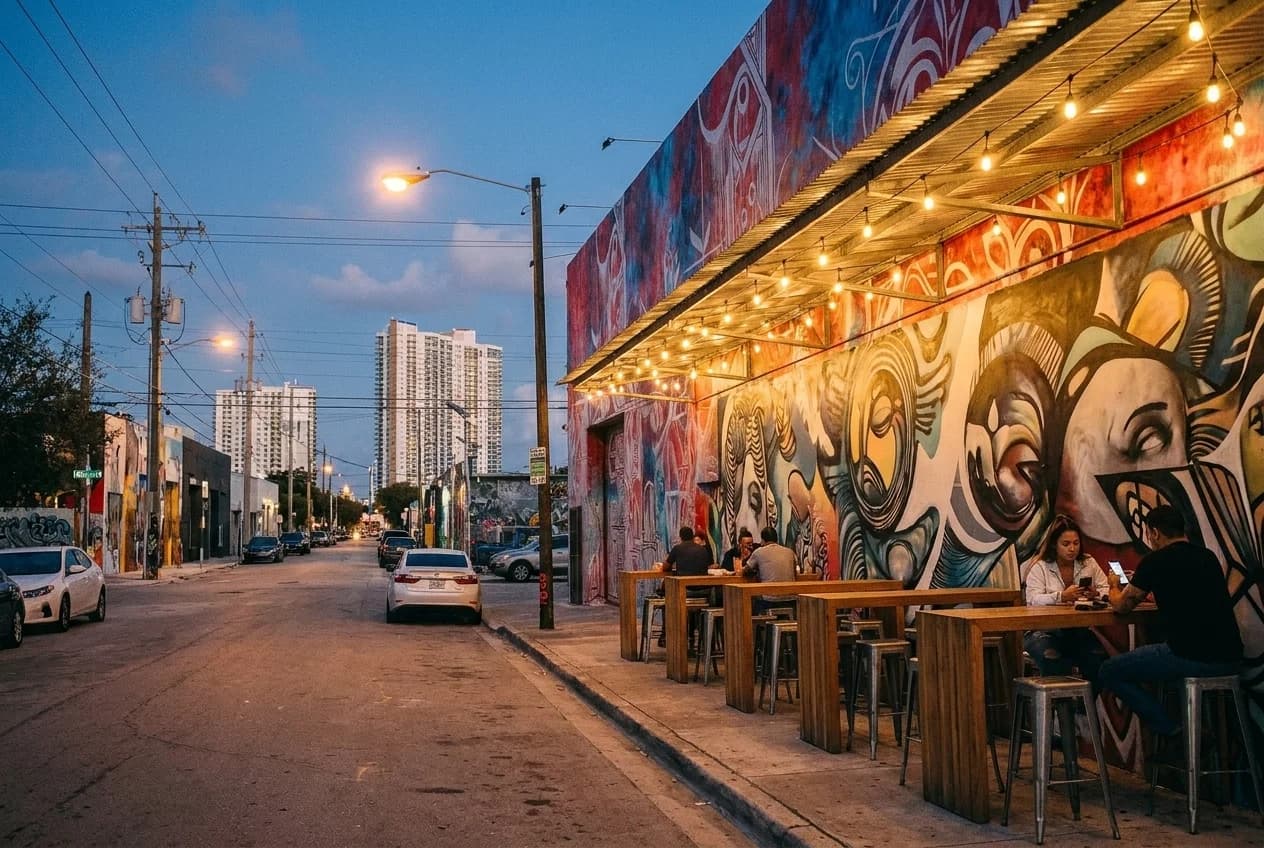
First, the neighbourhood bar with a Spanish-language broadcast as its default. These are everywhere - Little Havana, Hialeah, Doral, Sweetwater, Kendall - and they are the most authentic and cheapest option. No cover, no booking, and the match will be on with the sound in Spanish. If you speak any Spanish at all, this is the best experience available and it costs nothing extra.
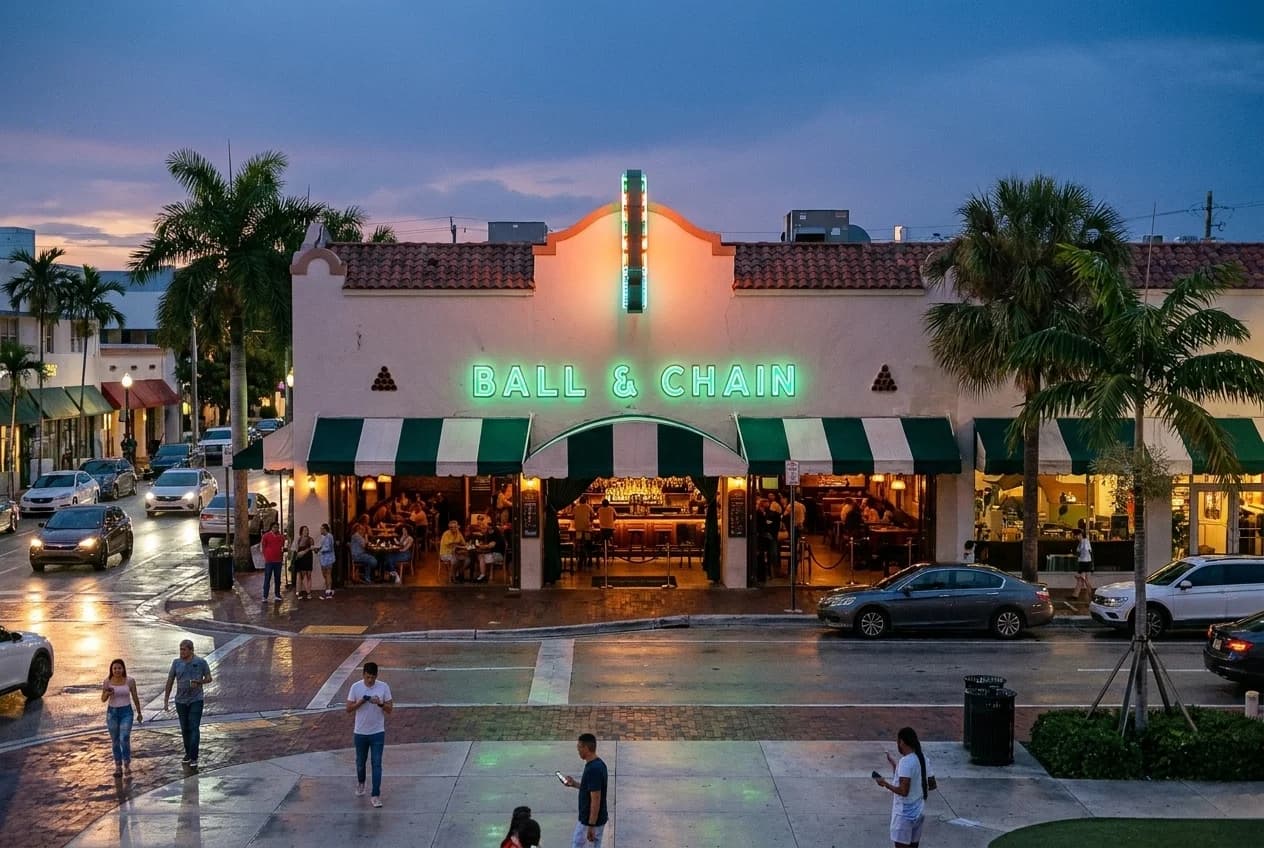
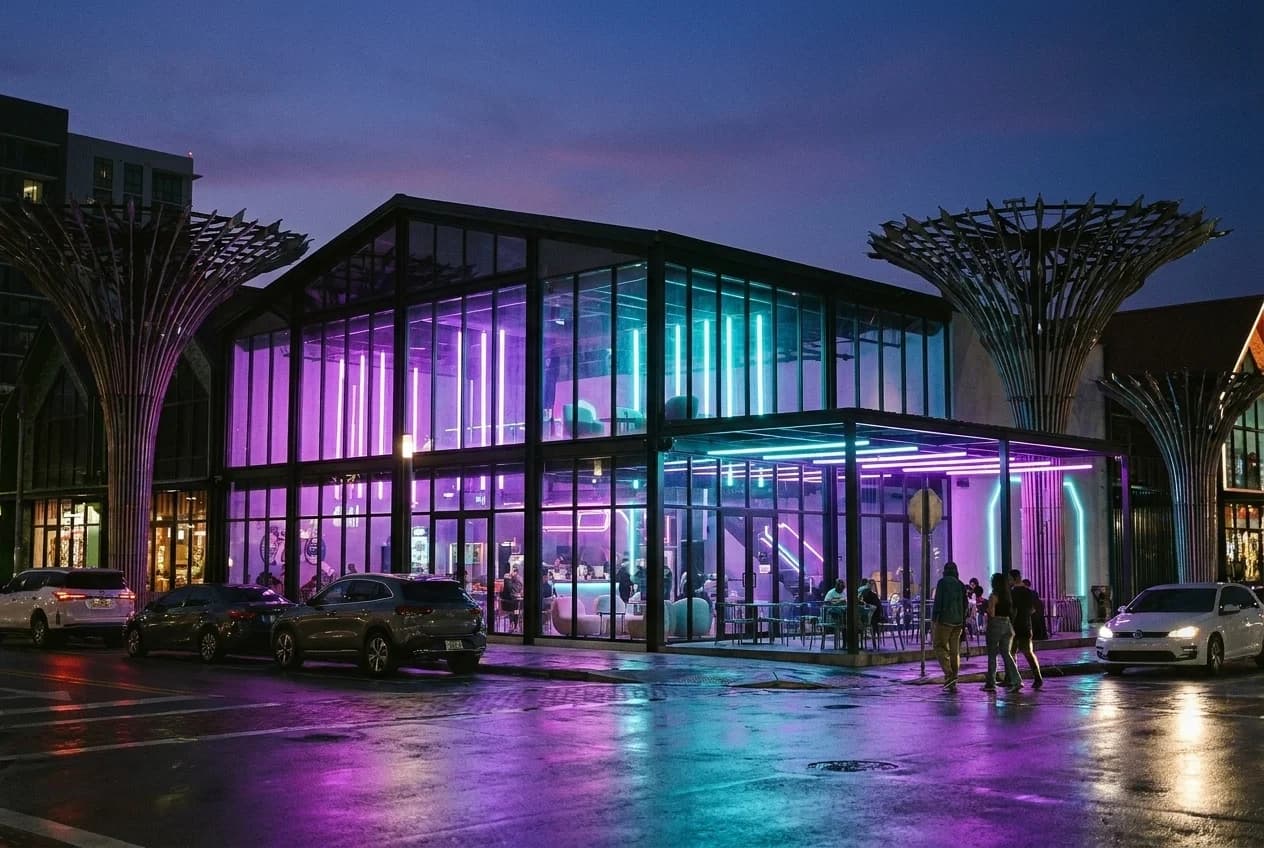
Second, the larger sports bar in Brickell, Wynwood or on the beach, which will show the big fixture on a main screen, take reservations for a Clasico or a final, and charge accordingly. Third, the organised watch party: a supporters' group, a consulate-adjacent social club or a restaurant hiring a room, ticketed or reserved, often with food included. For a final, the third category is usually the best experience and the one to plan for.
Planning for a genuinely big fixture
For a Clasico, a Champions League final or a major international tournament match, treat it like a restaurant booking rather than a spontaneous drink. The good venues take reservations and fill several days out. Turning up at kickoff for a final and expecting a seat with a view is how people end up standing behind a pillar for two hours.
Ask two specific questions when you book: which screen and which language. A bar with eight screens will have your match on one of them but the sound and the main screen go to whatever it expects to draw the biggest crowd, and in Miami that calculation frequently favours the Spanish-language feed. Neither answer is wrong; you just want to know before you arrive.
The Inter Miami effect
The city's own club has changed the football landscape here considerably. Match days at the stadium draw large crowds and the bars around the venue and across Brickell and Wynwood run watch parties for away fixtures. That has increased the number of rooms with proper screens and proper sound, and it has widened the audience for football generally in a city that already had one of the largest in the country.
It has also made the calendar busier. On a weekend where Inter Miami, the Premier League, La Liga and a Champions League round all overlap, the competition for screens is real and the ranking is not the one you would expect. Ask ahead; the assumption that a big European fixture automatically wins the main screen does not hold in this city.
Practical notes
Kickoffs: El Clasico usually mid-afternoon Eastern, Champions League at three and five on Tuesdays and Wednesdays, South American fixtures in the evening. Book several days ahead for a Clasico or a final. Ask which screen and which language when you book. Neighbourhood bars in Little Havana, Hialeah, Doral and Sweetwater show Spanish-language football as standard and are the cheapest and best option if you speak any Spanish. Expect mixed crowds rather than one-club rooms. Clock changes in spring and autumn shift European kickoffs by an hour for a couple of weeks. And for finals, the organised ticketed watch parties are usually a better experience than any bar.
Tags: #WhereToWatchSoccer #ElClasico #ChampionsLeague #Miami #LaLiga #WatchParty #InterMiami #LittleHavana #Doral #Hialeah #MiamiSports #Football #SoccerBars #Brickell
All trademarks are the property of their respective owners.
Ask Karpo first
For a big fixture the useful questions are which room still has space and whether your match is getting the main screen or a corner one. Ask Karpo where the Clasico is being shown properly near you, whether it needs a reservation, and which nearby neighbourhood bar will have it in Spanish for the price of a beer.