 Mediterranean Food Near Me in Fort Greene: Miss Ada's Garden and Hummus
Neighborhood Guides
Where to Take Visiting Friends When You Want to Spend Less but Show Better Taste
How NYC locals navigate the delicate balance of impressing out-of-town guests without the sticker shock, using neighborhood knowledge and timing instead of expensive reservations.
Every New Yorker knows the anxiety that comes with a text announcing a friend's upcoming visit. You want to be a generous host, to show off the city you love, to prove that living here means access to experiences worth the rent. But you also know that a single dinner at the wrong Manhattan restaurant can cost what you budgeted for groceries all week. The challenge isn't finding good food or interesting places—the city overflows with both. The real skill is curating an itinerary that feels special and distinctly New York without requiring you to open a new credit card. This guide focuses on the practical decisions locals make when hosting: where the quality-to-cost ratio actually works, which neighborhoods reward exploration over reservation apps, and how to structure a day so your guests leave impressed by your taste rather than uncomfortable about what you spent.
Text Karpo at (332) KARPO-NY for neighborhood recommendations calibrated to your actual budget and your guests' interests.
Build the Day Around Neighborhoods, Not Individual Destinations
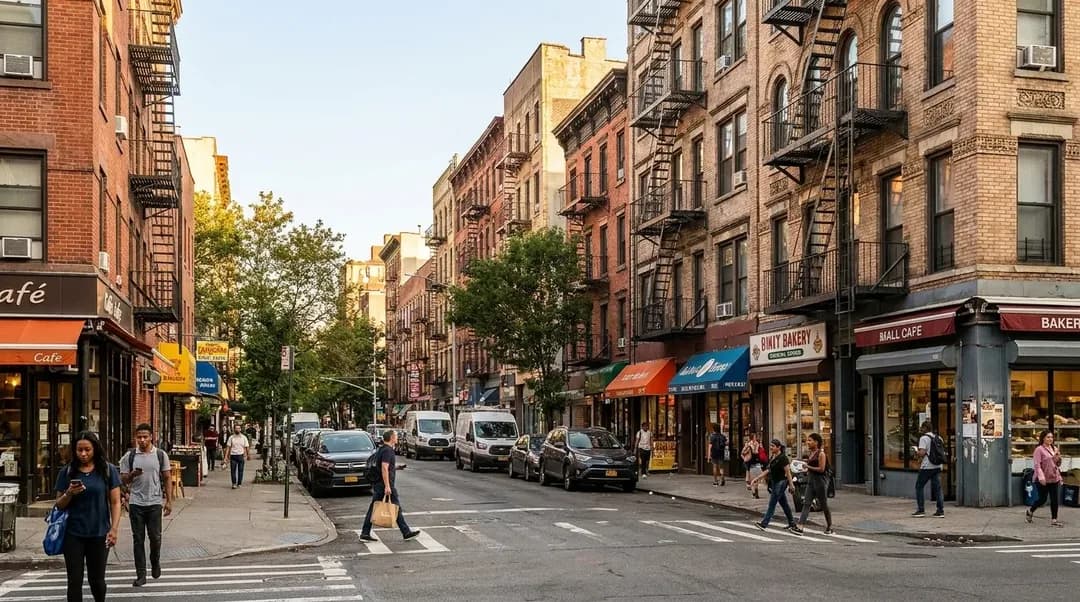
The most expensive mistake when hosting is treating each meal or activity as an isolated event requiring cross-borough travel. Instead, pick a neighborhood with natural density—places where a coffee stop, a walk, lunch, and an afternoon activity all happen within a fifteen-minute radius. The Lower East Side offers this kind of efficiency: you can start with coffee and pastries at a local bakery, walk through streets that still show layers of immigrant history, stop for dumplings or tacos at spots where locals actually eat, then browse vintage shops or small galleries without ever feeling like you're checking boxes on a tourism list. The same logic works in Astoria, where Greek bakeries, Brazilian cafes, and Egyptian grocers sit blocks apart, or in Sunset Park, where you can move between Latin American bakeries and Chinese dim sum parlors without the self-conscious feeling of performing 'doing New York.'
This neighborhood-first approach also gives you flexibility when plans shift. If your friends are tired, you're not stuck with a reservation across town. If they want to linger somewhere, you're not racing to the next scheduled stop. According to sources that surveyed local New Yorkers about where they take out-of-town guests, the common thread isn't specific restaurants but rather areas where the street life itself feels worth experiencing. You're not just feeding your friends—you're letting them see how you actually move through the city, which is more memorable than any single meal. Check subway service before you commit to a neighborhood, especially on weekends when planned work can turn a twenty-minute trip into an hour-long ordeal.

Prioritize Places Where Quality Doesn't Scale With Price
New York's best food value rarely comes from restaurants trying to impress you with ambiance or plating. It comes from places that do one thing extremely well, often in neighborhoods where rent hasn't yet priced out the businesses that have been there for decades. Multiple sources focused on affordable spots for out-of-towners emphasize that memorable meals in the city often happen at counter-service spots, cash-only dumpling houses, or family-run bakeries where the food quality reflects years of repetition rather than a chef's Instagram strategy. These aren't 'cheap eats' in the sense of compromise—they're places where your money goes directly into ingredients and skill rather than into decor, servers, or a liquor license markup.
When planning meals, think about the format as much as the cuisine. A group dinner at a restaurant with table service and cocktails can easily hit forty to sixty dollars per person before tip. The same group at a spot where you order at the counter, grab your own drinks from a cooler, and bus your own table might spend fifteen to twenty dollars each for food that's just as satisfying and often more interesting. This isn't about being cheap—it's about being smart. Your friends don't need white tablecloths to have a good time, and in many cases, the more casual format actually makes conversation easier. If you do want one sit-down meal, consider lunch instead of dinner; many restaurants offer similar menus at lower price points during daytime hours, and you'll avoid the weekend dinner crowds that turn meals into rushed, noisy experiences.
Use Free or Low-Cost Activities as the Anchor, Not the Filler
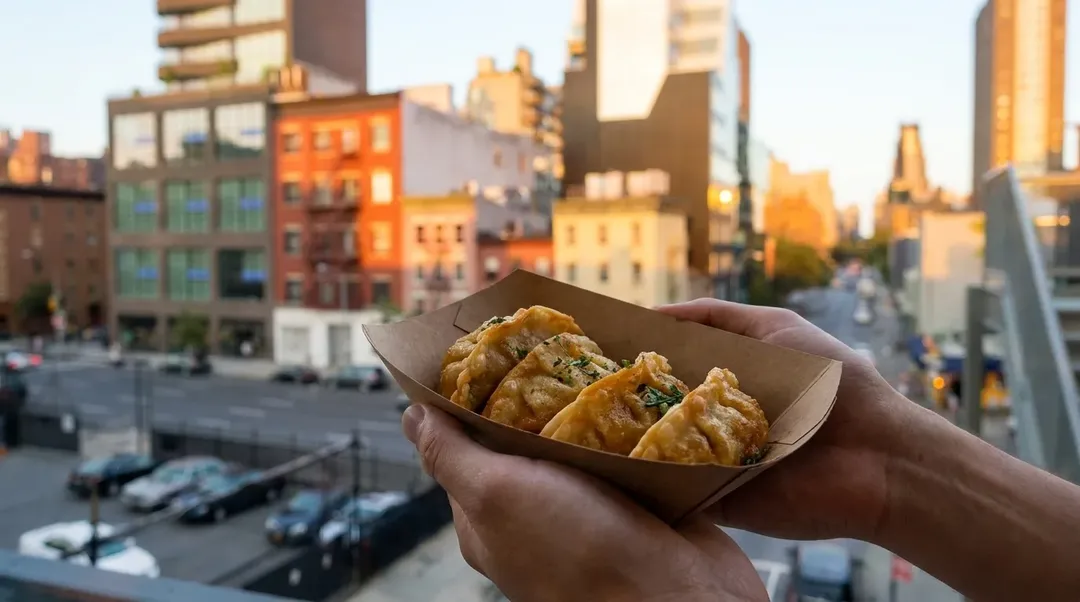
The assumption that showing guests a good time requires paid attractions is where budgets spiral. In reality, some of the most distinctly New York experiences cost nothing: walking the High Line at sunset, browsing the Strand's outdoor book carts, watching pickup basketball at West 4th Street courts, or exploring Green-Wood Cemetery's hills and monuments. These aren't fallback options when you can't afford 'real' activities—they're often more memorable than ticketed attractions because they're less structured and allow for spontaneous detours. When you're not worried about getting your money's worth from an admission fee, you can leave when energy flags or stay longer when something captures attention.
If you do want to include a museum or cultural site, check for suggested-admission policies or free evening hours. Many institutions that technically charge admission will let you pay what you wish during certain time slots, though you'll need to verify current policies directly since these change. The bigger strategic point is to structure the day so that one or two free activities form the backbone, with food as the main expense. This inverts the typical tourist pattern of expensive attractions supplemented by mediocre meals grabbed between stops. Your guests are more likely to remember a great meal and an interesting walk than they are to remember another museum gallery, especially if they're already museum-fatigued from their own cities.
Make Weather and Timing Work for You Instead of Against You
The difference between a good hosting day and an expensive disaster often comes down to checking the forecast and planning accordingly. If rain is likely, don't build an itinerary around outdoor markets and park walks—you'll end up ducking into cafes and shops to kill time, spending money you hadn't budgeted just to stay dry. Instead, plan a rainy-day route through covered spaces: the shops and food stalls at Essex Market, a couple hours browsing bookstores or record shops, a long lunch at a spot where lingering is expected. Conversely, good weather is when you should lean hardest into free outdoor options, packing snacks and drinks to stretch time between paid meals.
Timing also means being realistic about your guests' energy and your own schedule. If they're arriving Friday evening and leaving Sunday afternoon, you have maybe one full day and two partial days—not enough time for an exhaustive tour of all five boroughs. Trying to pack in too much guarantees you'll spend more on taxis or emergency food stops when everyone gets hungry between planned meals. A better approach is to pick two neighborhoods maximum per day, build in buffer time, and accept that your friends won't see everything. They're visiting you, not auditing your knowledge of the city. The goal is for them to leave feeling like they experienced something real, not like they completed a forced march through your personal greatest-hits list. If Sunday morning is their last few hours, a simple bagel run and a walk through a nearby park is often more appreciated than a rushed brunch reservation that costs fifty dollars a person and requires everyone to be showered and ready by ten a.m.
Practical Notes
- Check MTA service advisories the night before, especially for weekend travel—planned work can double commute times and derail neighborhood-based itineraries.
- Carry cash for counter-service spots, food carts, and older bakeries that may not accept cards or have card minimums.
- Plan one substantial meal per day and fill other eating occasions with snacks, bakery stops, or casual bites that don't require sitting down.
- Build in at least one hour of unscheduled time per day—fatigue and spontaneous detours are inevitable, and buffer time prevents expensive panic decisions.
- If your guests want to see a specific landmark, go early on a weekday morning when crowds are thinner and you're less tempted to spend money escaping the chaos.
- Suggest your friends bring comfortable walking shoes before they arrive—this single item prevents expensive taxi rides when feet hurt.
- Keep a mental list of backup indoor options near any outdoor plan in case weather shifts suddenly.
Hosting visiting friends well in New York isn't about having an unlimited budget or knowing every new opening. It's about understanding how the city's structure rewards local knowledge—which neighborhoods offer density and variety, where quality food doesn't require a reservation or a second mortgage, how to use free experiences as anchors rather than afterthoughts. The friends who remember their visit most fondly are usually the ones who felt like they saw how you actually live here, not the ones you performed for with expensive gestures. When you plan around neighborhoods instead of individual destinations, prioritize places where your money goes into food rather than atmosphere, and build weather and timing into your decisions from the start, you end up with days that feel generous and relaxed rather than financially stressful. Your taste shows in the curation and the pacing, not in the receipt totals.
Tags: #nycbudgetguide #hostingfriends #nycneighborhoods #affordablenyc #localnyc #nycfood #budgettraveling #newyorkcity #nyclocals #visitingnyc #smarttravel #neighborhoodguide
All trademarks are the property of their respective owners.
Ask Karpo for more information.
Keep reading
- Mediterranean Food Near Me in Fort Greene: Miss Ada's Garden and Hummus
 Places To Eat Near Me in Chelsea: The Market Fills a Nabisco Factory
 Seafood Near Me in the East Village: The Mermaid Inn's Dollar Oysters