Most people treat Chinatown like a drive-through window: arrive at seven, order soup dumplings, snap a photo under the arch, and vanish by eight-thirty. That rhythm misses the neighborhood's real texture—the evening markets that activate public plazas, the storytelling projects that decode historic architecture, and the seasonal festivals that turn side streets into stages. A culture-focused night in Chinatown means building a route that keeps you moving between different kinds of experiences, not just different restaurants. You're looking for a sequence that lets you eat, yes, but also listen, walk, browse, and linger in spaces where the neighborhood's living history becomes visible. The trick is knowing which anchors to start with and how to thread them together before the subway ride home.
Text Karpo at (332) KARPO-NY for neighborhood routes that layer culture stops into your Chinatown evening without the generic tourism checklist.

Anchor your evening around Think!Chinatown's summer programming
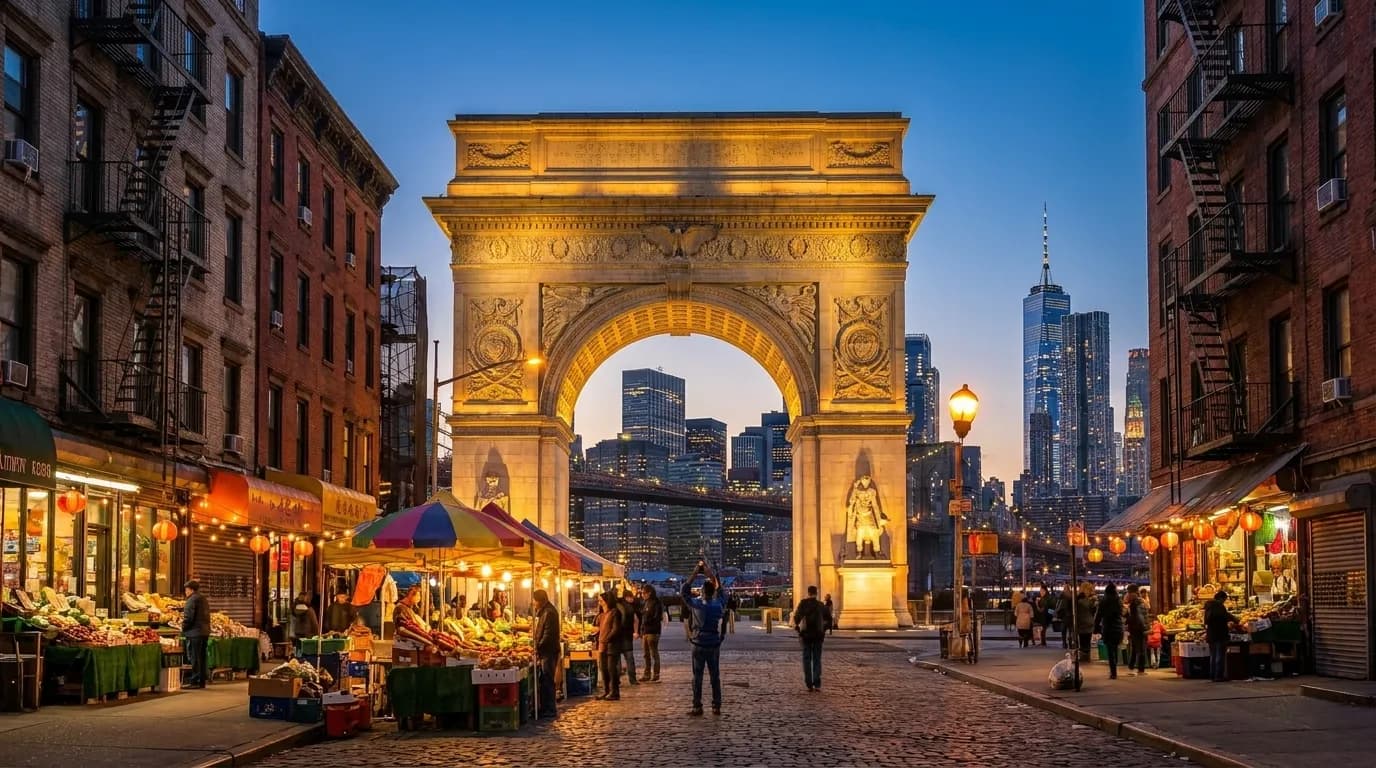
Think!Chinatown runs a summer series called Chinatown Night Market at the Manhattan Bridge gateway, combining food vendors, art installations, and music programming focused specifically on neighborhood stories. The organization describes itself as working at the intersection of storytelling, arts, and neighborhood engagement, and the night market format reflects that mission—it's not a generic street fair but an open-air cultural festival built around Chinatown-focused content. The market typically runs during warmer months, so check their event calendar at thinkchinatown.org before planning your visit. If you're going on a night when the market is active, it becomes a natural starting point: you arrive around six-thirty, browse the vendor stalls, and use the gathering as a base camp while you plan your next moves.
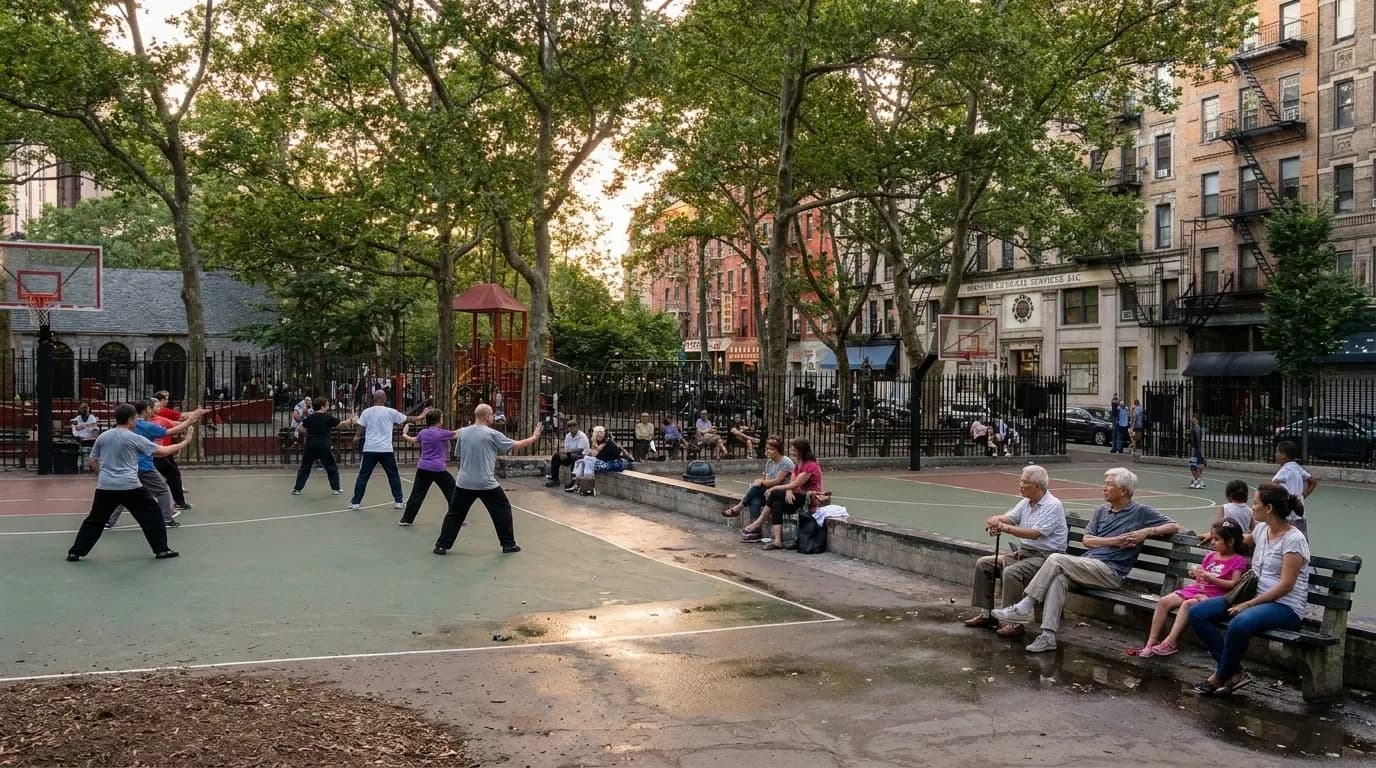
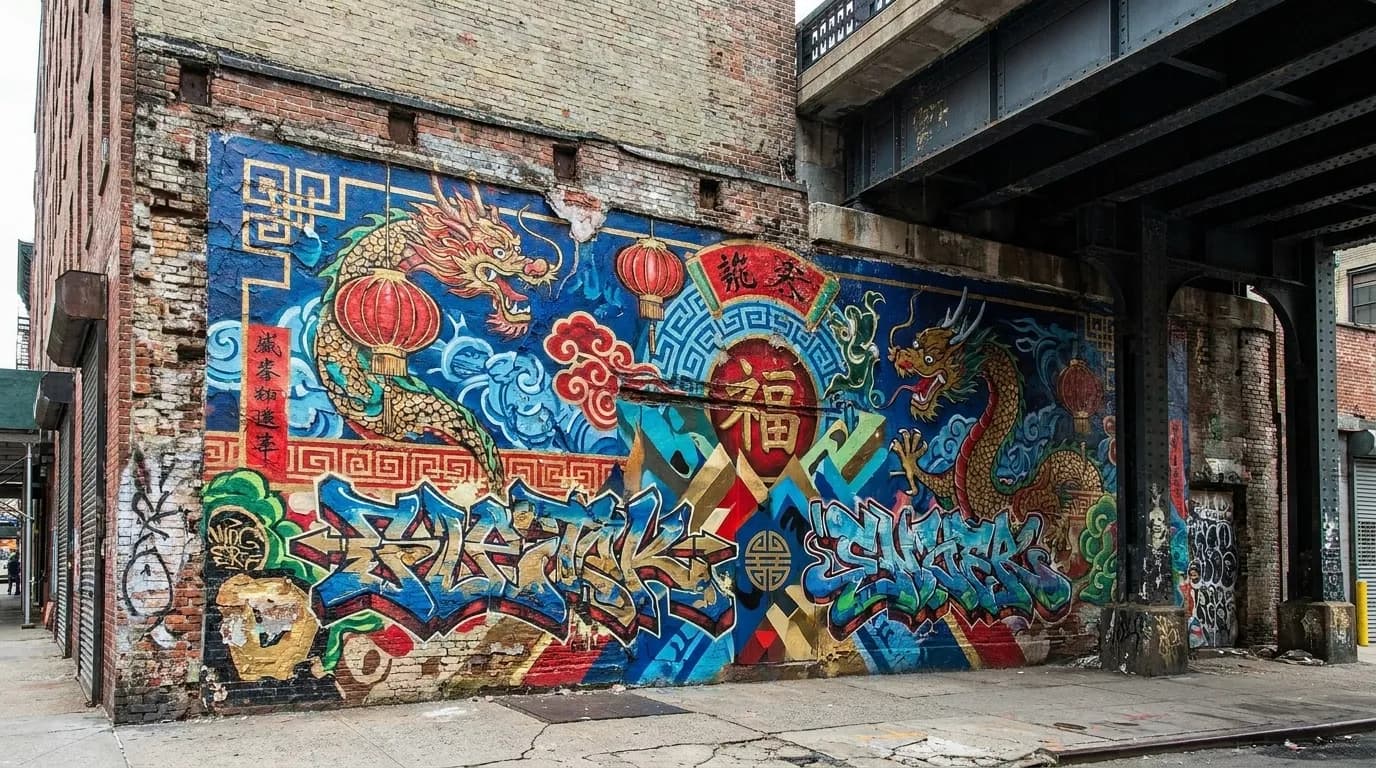
Think!Chinatown also produces events throughout the year, including block parties featuring Chinese vinyl classics, tai chi and qi gong classes in Columbus Park, and self-guided walking tours of historic architecture and neighborhood murals. These programs are designed to reveal different layers of Chinatown's identity, so even if the night market isn't running, their event page often lists evening activities that can anchor your route. The organization operates from 1 Pike Street and collaborates with groups like the Association for a Better New York on public-realm activations. If you're building a culture night, their calendar is the first place to check for structured programming that doesn't require advance tickets or formal RSVPs.
Use the Chinatown Arts Festival as a seasonal blueprint
Every October, Think!Chinatown produces the Chinatown Arts Festival, a month-long series that has run for eight years and includes Cantonese opera, mooncake afternoon teas, puppet performances, and soundbaths. The 2025 edition showcased both traditional Chinese art forms and contemporary creative work, all designed to celebrate culture, creativity, and community. While the festival itself is concentrated in one month, its programming model offers a useful template for what a culture-focused evening can look like: multiple short experiences that mix performance, food, and participatory activities rather than one long sit-down event.
If you're visiting during October, the Arts Festival essentially builds your itinerary for you—check the schedule and pick two or three programs that fit into a single evening. If you're visiting outside festival season, use the event archive as inspiration: look for venues or community spaces that hosted festival programming, then check whether they run their own evening events year-round. The festival's emphasis on accessibility—programs for all ages, free or low-cost entry—also signals which kinds of cultural stops are realistic to string together on a weeknight without advance planning or steep ticket costs.
Thread in self-guided walks between anchored stops
Think!Chinatown offers self-guided walking tours focused on historic architecture and new neighborhood murals, designed to help visitors discover the many layers of Chinatown without a formal guide. These routes work well as connective tissue between your main evening stops: you finish browsing the night market, then spend twenty minutes walking a mural route on your way to Columbus Park or another gathering point. The walks are structured to be flexible—you can complete a full loop or just hit a few highlighted blocks—so they adapt to whatever time cushion you have between programs.
The self-guided format also means you're not locked into a tour group's pace or commentary style. You're moving through the neighborhood at your own rhythm, which makes it easier to stop for boba, duck into a shop, or pause when you notice something the map didn't flag. The architecture tours in particular help decode the visual language of Chinatown's older buildings, turning a simple walk into a literacy exercise. If you're starting your evening early—say, five-thirty or six—a walking route before the night market opens gives you context for the neighborhood's layout and helps you spot details you'd otherwise miss in the crowd.
Plan around seasonal festivals if your timing aligns
Chinatown's event calendar runs year-round, from the Lunar New Year Parade in winter to the Mid-Autumn Moon Festival in fall. These festivals are described as invitations for New Yorkers to share in a rich sense of living history, and they transform the neighborhood's public spaces into stages for traditional performances, food vendors, and community gatherings. If your visit coincides with a major festival, that event becomes the spine of your culture night—you're not building a route from scratch but plugging into an existing celebration that already layers multiple experiences together.
In June 2026, for example, Chinatown hosted Soccerpalooza, a multi-day festival combining soccer, culture, film, and community programming. The event used the global sport as a lens for neighborhood engagement, bringing together residents through screenings and public games. Festivals like this often include evening components—outdoor film screenings, late-running vendor markets, post-game gatherings—that extend well past dinner hours. Check chinatown.nyc and thinkchinatown.org for upcoming festival dates, and if your schedule is flexible, consider timing your culture night to overlap with one of these larger activations. The trade-off is bigger crowds, but the payoff is a concentration of programming you won't find on a random Tuesday.
Practical Notes
- Check Think!Chinatown's event calendar at thinkchinatown.org before your visit; summer night markets and seasonal festivals require advance awareness to catch them on active nights.
- Arrive by six or six-thirty if you're threading multiple stops together; evening programs often start between seven and eight, and you'll want buffer time for walking routes.
- Download or screenshot self-guided walking tour maps before you go; cell service can be spotty in crowded festival areas, and printed routes keep you moving without constant phone checks.
- Bring cash for night market vendors and smaller cultural events; many community-run programs operate on a donation or low-cost model that doesn't always accept cards.
- Layer a boba or dessert stop between your main anchors; Chinatown's tea shops and bakeries stay open late and give you a place to regroup without committing to a full meal.
- If you're visiting outside festival season, look for evening tai chi or qi gong sessions in Columbus Park; these free public classes run regularly and offer a participatory cultural experience that doesn't require advance sign-up.
- Plan your subway exit around your first stop—Canal Street stations serve different edges of the neighborhood, and choosing the right one saves you ten minutes of backtracking at the start of your route.
A Chinatown culture night works when you treat the neighborhood as a series of overlapping experiences rather than a single destination. The night market gives you a crowd and a starting point, the walking tours give you movement and context, and the seasonal festivals give you concentrated programming when your timing aligns. The goal isn't to check every box in one evening but to stay long enough that the neighborhood stops feeling like a backdrop and starts feeling like a place with its own internal logic. That shift happens somewhere between your second stop and your third, when you realize you've been in Chinatown for three hours and haven't thought about leaving yet.
Tags: #chinatownnyc #manhattanchinatown #thinkchinatown #chinatownnightmarket #nycculture #localculturehubs #chinatownartsfestival #columbuspark #lunarnewyearnyc #midautumnfestival #nycneighborhoods #culturalimmersion #chinatownwalks #lowereastside
Sources consulted: Culture Archives - Chinatown NYC · Chinatown Arts Festival 2025 — ThinkChinatown · T!C Events — ThinkChinatown · Projects Overview — ThinkChinatown · NYC Chinatown Beyond Food: Culture & History · ThinkChinatown
All trademarks are the property of their respective owners.