Where to See Victorian-Era Lamppost Bases in NYC is a practical NYC streetscape guide for seeing real details from public sidewalks and records. People searching Where to See Victorian-Era Lamppost Bases in NYC usually need the exact next step: what to verify, what to bring, where to start, and what to do if the first option fails.
Ask Karpo to turn Where to See Victorian-Era Lamppost Bases in NYC into a sidewalk-safe NYC route with visible details, nearby context stops, transit, and a shorter version if the walk gets long.

Look From The Sidewalk First
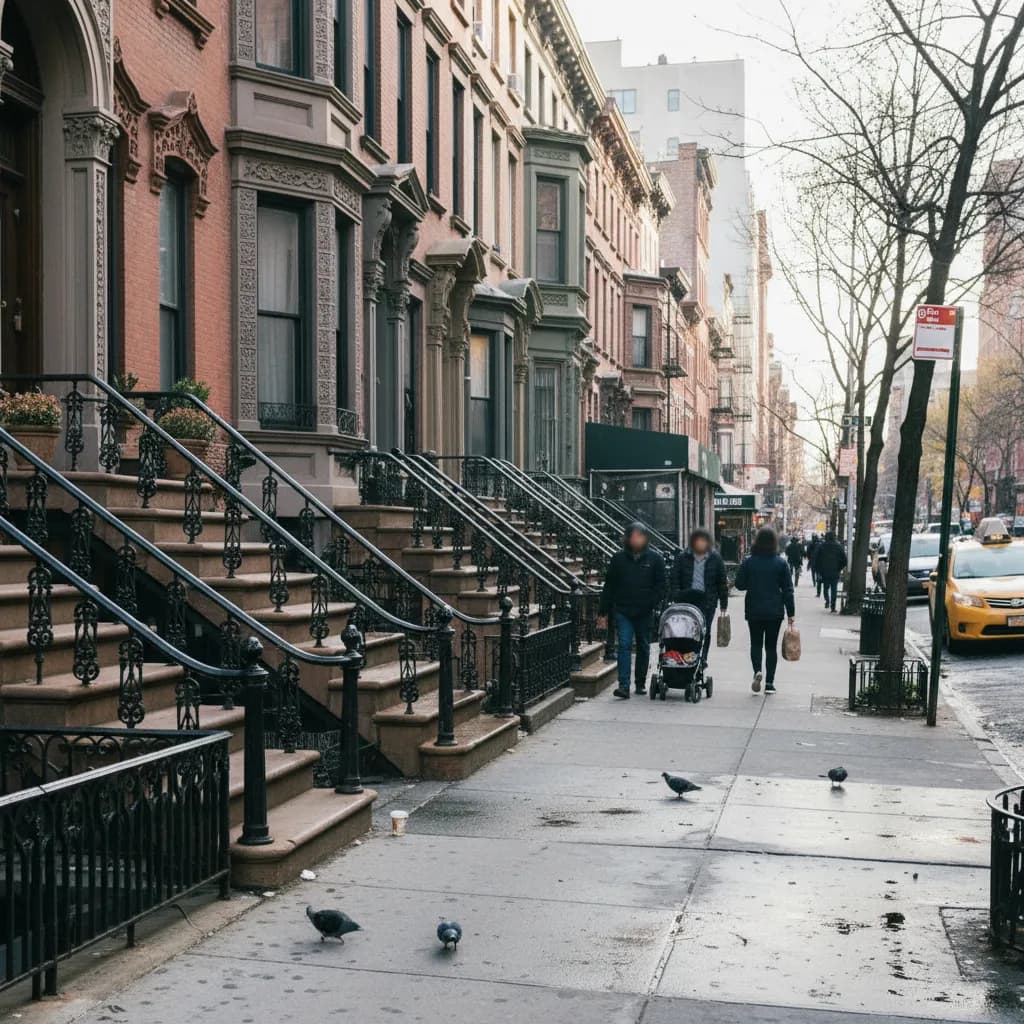
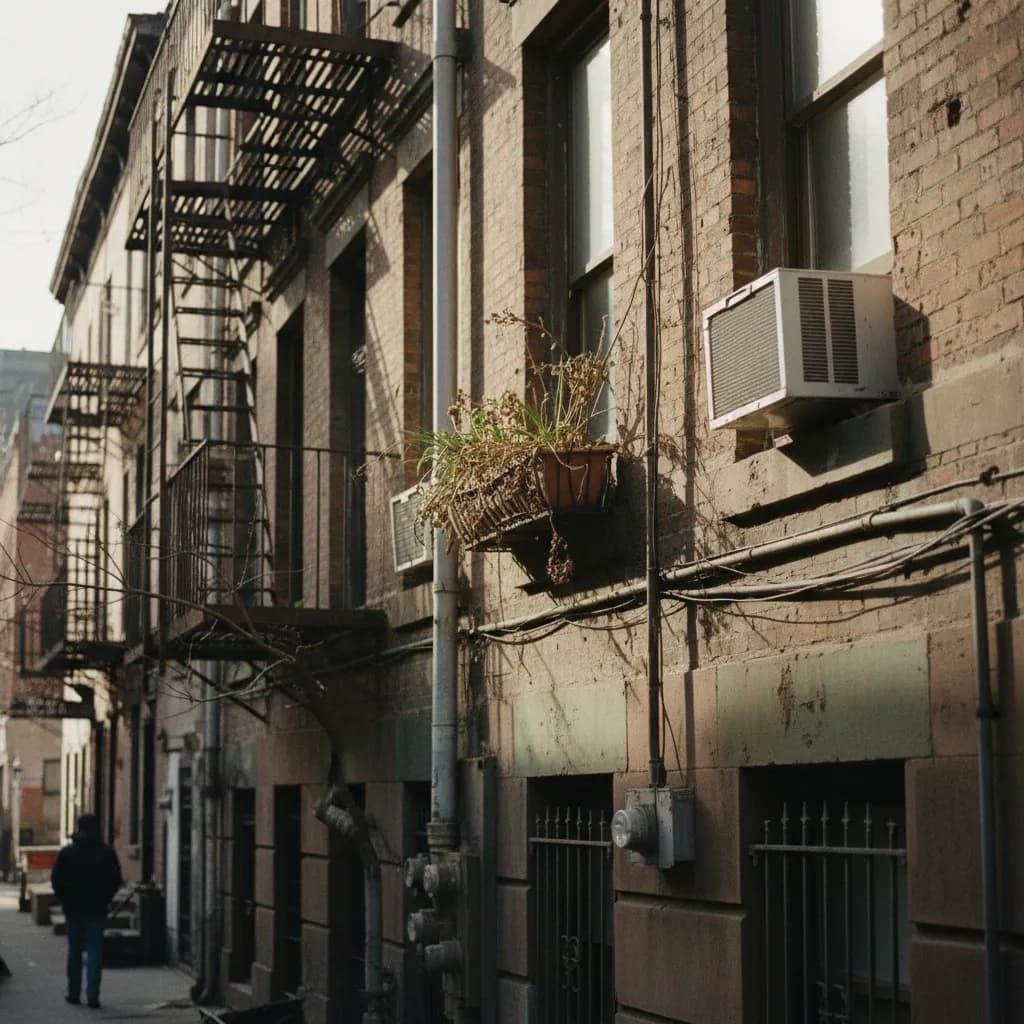
Look first for details that are visible from a public sidewalk: brick patterns, cornices, entry surrounds, rooflines, plaques, vault lights, railings, storefront bays, and surviving infrastructure marks.
Architecture walks work best when they compare nearby examples. One block with several eras or details usually teaches more than a long route chasing scattered landmarks.
Compare Details Block By Block
For Where to See Victorian-Era Lamppost Bases in NYC, write down the one detail that would make the plan fail. It might be a missing document, a closed office, a fee, a permit rule, a long wait, a stair, a pet restriction, or an item the location will not accept.
Build the plan around a primary option and one backup that solves the same need. A beautiful nearby stop is not a backup if it does not handle the same document, rule, errand, route, or comfort requirement.
Use Archives Without Overpromising
Historic maps, tax photos, permits, and Landmarks reports can explain a building, but they do not guarantee public access or current condition.
Keep the guide focused on what readers can safely see from sidewalks, parks, stations, and public interiors.
Use Public Records Carefully
Use recent photos, reviews, and forum posts only as clues. NYC rules and access conditions change quickly, so official pages and direct confirmation should carry the final decision.
If you are helping someone else, make the plan legible: address, nearest transit, hours, required documents or items, cost assumption, contact method, and the exact moment to switch to the backup.
Keep The Route Short
For visitors, avoid making the task depend on multiple borough crossings. For locals, save the best working version so the next errand starts from a tested route rather than a new search.
The strongest local guide is often boring in the right ways: clear rule, short route, realistic time window, current source, and a backup close enough to use.
For searches like Where to See Victorian-Era Lamppost Bases in NYC, the useful answer is a verification routine: identify the rule or constraint, choose the lowest-friction starting point, confirm the current detail, and keep a backup that solves the same need.
Write the plan in plain language: address or starting point, nearest transit, hours, required documents or items, cost assumption, restroom or waiting-room expectation, and the exact moment to switch to the backup.
Practical Notes
Before walking, verify the public route, weather, sidewalk conditions, transit, and whether any interior or archival stop is actually open. Keep the guide limited to places readers can legally and comfortably view.
Tags: #where #see #victorian #era #lamppost #bases #NYC #NewYorkCity #KarpoCityGuide #LocalLife #CityErrands #BeforeYouGo #NYCArchitecture #HiddenNYC
Sources consulted: NYC Landmarks Preservation Commission · NYC Department of Records · NYC Planning
All trademarks are the property of their respective owners.
Ask Karpo first
Want where to see victorian-era lamppost bases in nyc mapped into a sidewalk-safe route? Ask Karpo for visible details, source context, transit, and a shorter version before you go.