 Mediterranean Food Near Me in Fort Greene: Miss Ada's Garden and Hummus
Neighborhood Guides
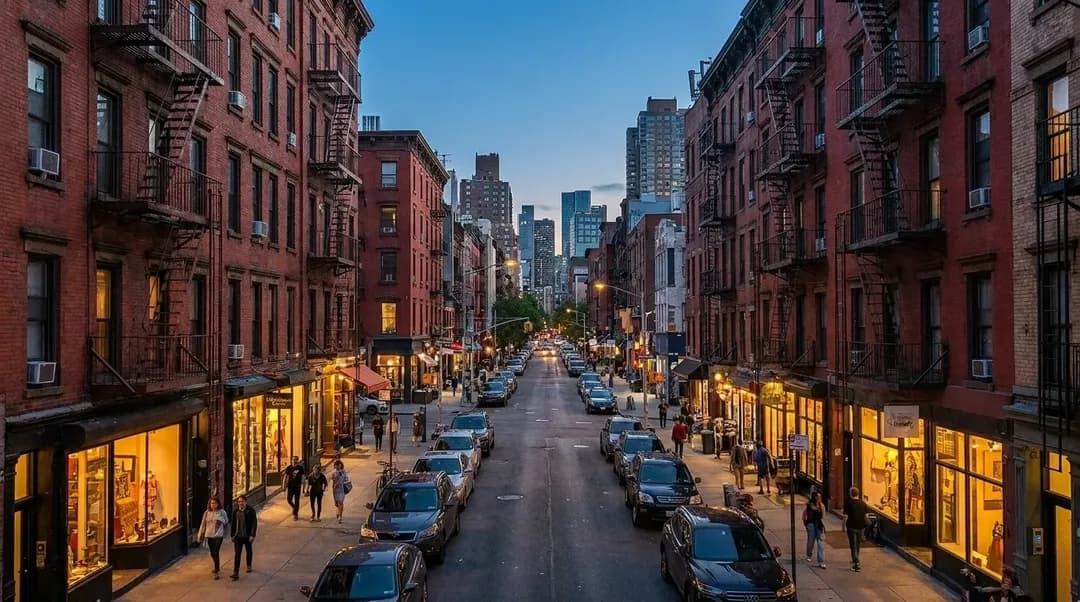
Where to Pair a Small Museum With Dinner in the East Village Without Overthinking It
The neighborhood's compact grid makes it easy to drop into a focused cultural space before settling in for a meal, as long as you think about closing times and walk-in odds.
The East Village rewards a certain kind of evening plan: one that doesn't demand a full museum day but still wants something more than bar-hopping. The neighborhood's small-scale cultural spaces—galleries that stay open into early evening, single-room collections, artist-run projects—fit naturally before dinner, especially when you're meeting someone who wants structure without a heavy itinerary. The trick is treating the museum visit as the anchor, not the afterthought. Most of these spaces close by six or seven, so you build the meal around that window rather than trying to squeeze culture in after appetizers. The East Village's density helps: you're rarely more than a ten-minute walk from a table, and the dining scene skews toward places that take walk-ins or hold a few bar seats.
Text Karpo at (332) 214-7205 to get real-time suggestions for small museums and dinner spots based on what's actually open tonight.
Why Small Museums Work Better Than Big Ones for This Plan
Large museums demand stamina and advance tickets. Small spaces in the East Village operate on a different rhythm: you can see everything in forty-five minutes, there's rarely a crowd blocking the work, and you leave with enough energy to enjoy dinner. The neighborhood has always supported independent cultural projects—artist collectives, single-subject archives, community-run galleries—that don't require the same mental load as a blockbuster exhibition. These places also tend to open later in the day, which aligns better with an evening plan. A five o'clock arrival gives you an hour before closing, enough time to engage without rushing, and you're on the sidewalk by six-fifteen with the entire dinner hour ahead of you.
The other advantage is flexibility. If the space is closed for a private event or between exhibitions, you haven't lost much time or money. The East Village's walkable grid means you can pivot to another gallery or skip the museum entirely and still have a coherent evening. This isn't possible when you've bought timed-entry tickets to a major institution uptown. The neighborhood's independent arts scene, noted across multiple guides as one of its defining characteristics, thrives on spontaneity rather than rigid schedules. That ethos makes it easier to treat culture as part of the evening's flow rather than its centerpiece.
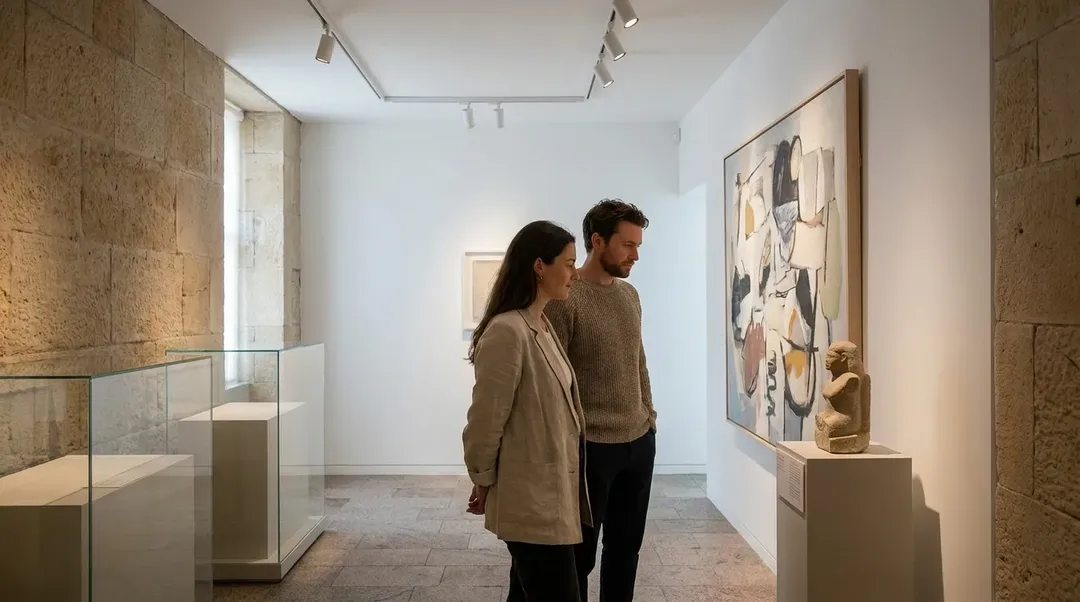
Timing the Museum Visit So Dinner Doesn't Feel Rushed
Most small cultural spaces in the East Village close between six and seven on weekdays, earlier on weekends. If you're planning dinner for seven-thirty or eight, arriving at the museum by five gives you a clean transition. You see the exhibition, spend a few minutes in the gift shop or reading wall text, and walk out with time to spare. If you arrive at four, you risk killing an hour afterward with nowhere specific to go, and if you show up at six-fifteen, you're racing the staff as they turn off the lights. The five o'clock arrival is the sweet spot: it signals you're serious about the visit but not trying to linger past closing.
For dinner, consider whether you're booking ahead or walking in. The East Village has plenty of restaurants that hold bar seats or accommodate small parties without reservations, a characteristic highlighted in multiple dining guides. If you're flexible about where you eat, you can leave the museum and choose based on proximity and wait time. If you've made a reservation, work backward from that slot: a seven-thirty table means leaving the museum by six-forty-five, which means arriving by five-thirty at the latest. This also accounts for the transition—coats, bathroom, the short walk—so you're not sprinting down Second Avenue. Weather matters here too. In January, it's dark and cold by six, and you'll want the museum visit to end close to dinner so you're not standing outside deciding where to go. In June, you have more cushion, and a twenty-minute walk between stops feels less urgent.
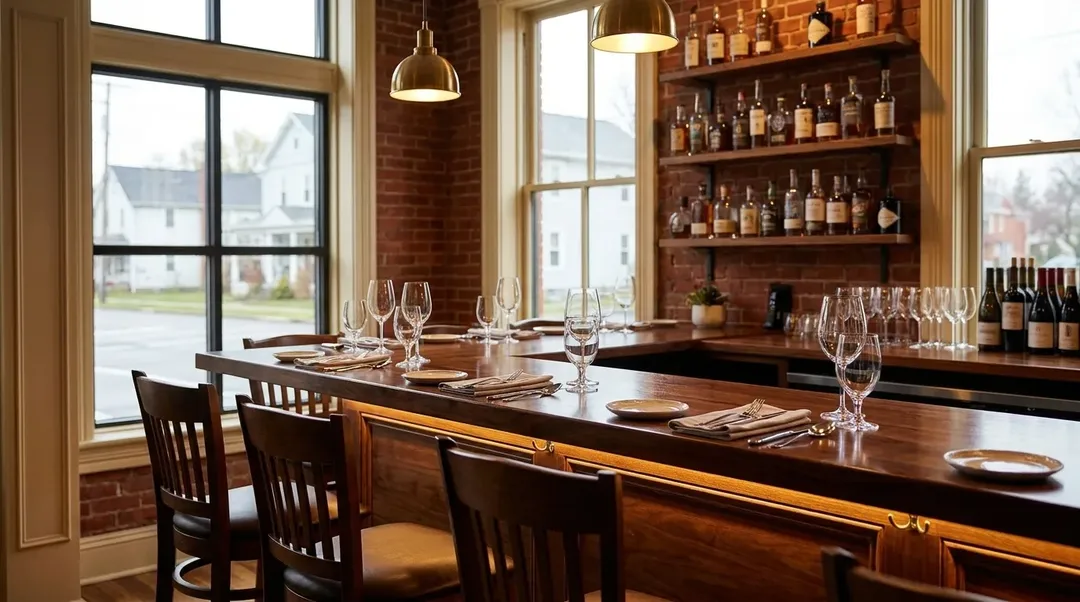
Choosing Dinner Based on What the Museum Visit Actually Delivered
The museum sets the tone for the meal. If the exhibition was quiet and contemplative, you might want a louder, more social restaurant—something with open kitchens, shared tables, or a bar scene. If the space was overstimulating or crowded, a calmer dining room with good lighting and space between tables makes more sense. The East Village's restaurant density, repeatedly cited as one of the city's most dynamic dining neighborhoods, gives you options in both directions. You're not locked into a single cuisine or vibe, which is useful when you don't know how you'll feel until after the museum visit.
Walk-in-friendly spots are your safety net. Even if you've made a reservation, it's worth knowing which places nearby will seat you without one, in case the museum visit runs short or you want to eat earlier than planned. The neighborhood's mix of diners, ramen counters, and small plates restaurants—detailed across multiple guides—means you can usually find a table within fifteen minutes if you're willing to sit at the bar or take a two-top in the back. This flexibility matters more than picking the perfect restaurant in advance. The goal is a coherent evening, not a flawless itinerary, and the East Village's infrastructure supports that kind of improvisation better than most neighborhoods.
Practical Routes and Contingencies That Actually Help
Start by checking museum hours the morning of your visit. Small spaces often close for installations, private events, or staff shortages, and their websites aren't always current. If you're planning around a specific gallery, have a backup in mind—another cultural space within a few blocks, or a bookstore or record shop that can fill the same role. The East Village's compact grid, emphasized in neighborhood guides as one of its key strengths, makes it easy to shift plans without losing momentum. You're rarely more than five minutes from an alternative.
For dinner, think about the route between the museum and the restaurant. If you're crossing multiple avenues in cold weather, that adds friction. A restaurant on the same north-south corridor as the museum keeps the transition smooth. If you're meeting someone, agree on a fallback spot in case the museum is closed or one of you is running late. The East Village has enough cafes and bars that you can regroup without standing on a corner checking your phone. Public transit also plays a role: if you're coming from another borough, the L train and the 6 train both drop you in the neighborhood, but the walk from each station is different. Plan your museum and dinner locations around whichever station you're using, so you're not backtracking across the neighborhood at the end of the night.
Practical Notes
- Confirm museum hours the day of your visit; small spaces often close unexpectedly for installations or events.
- Arrive at the museum by five o'clock if you're planning dinner for seven-thirty or later; this gives you an hour inside plus transition time.
- Keep dinner flexible—know two or three walk-in-friendly restaurants near the museum in case your reservation doesn't fit the evening's rhythm.
- In winter, minimize outdoor time between stops; choose a restaurant on the same avenue as the museum to avoid long crosstown walks.
- If the museum is closed, pivot to a bookstore, record shop, or community garden—the East Village has enough alternatives to keep the evening coherent.
- Check transit before you leave; the L and 6 trains serve different parts of the neighborhood, and your museum-dinner route should align with your exit station.
- Avoid scheduling this plan on Mondays, when many small cultural spaces are closed, or on weekends, when hours are often shorter.
The East Village makes this kind of evening easier than most neighborhoods because it doesn't require perfection. The cultural spaces are small enough that a short visit feels complete, and the restaurant scene is dense enough that you can adjust on the fly. The key is treating the museum as the fixed point and letting dinner be the variable. If you build the plan that way—checking hours, arriving early enough to see everything, keeping a few restaurant options open—you end up with an evening that feels intentional without being rigid. That balance is harder to find in other parts of the city, where distances are longer and backup plans are scarce.
Tags: #eastvillage #nycmuseums #neighborhoodguides #dinnerplans #smallmuseums #eastvillagedining #nycculture #walkablenyc #eveningplans #localnyc #museumandmeal #manhattanneighborhoods
Sources consulted: Top Things to Do in East Village, NYC: Food, Art, and Hidden Gems · The Best Restaurants in the East Village | Eater NY · The Best Restaurants In The East Village - The Infatuation · East Village NYC Guide: What to Do, Where to Eat & Hidden Gems · East Village NYC Guide: Food, Arts, Nightlife & Hidden Gems · The 28 best restaurants in NYC's East Village - Time Out
All trademarks are the property of their respective owners.
Ask Karpo for more information.
Keep reading
- Mediterranean Food Near Me in Fort Greene: Miss Ada's Garden and Hummus
 Places To Eat Near Me in Chelsea: The Market Fills a Nabisco Factory
 Seafood Near Me in the East Village: The Mermaid Inn's Dollar Oysters