 Mediterranean Food Near Me in Fort Greene: Miss Ada's Garden and Hummus
Neighborhood Guides
Where to Go in Flushing When You Want a Full Afternoon, Not a Checklist
Forget the rapid-fire food court sprint—a proper Flushing afternoon means letting the neighborhood's rhythm dictate your route, with room for detours, second desserts, and the occasional park bench pause.
Most first-time visitors treat Flushing like a scavenger hunt: hit the mall food court, grab boba, snap a photo, leave. Locals know better. A satisfying afternoon here isn't about ticking boxes—it's about building a loose route that accommodates weather shifts, energy dips, and the inevitable moment when you spot a bakery window you didn't plan for. The neighborhood rewards patience. You'll move between indoor and outdoor spaces, between structured stops and open-ended wandering, and you'll probably eat more than you intended. That's the point. Flushing works best when you give it four or five hours and resist the urge to optimize every minute. The density means you're never far from your next move, but the variety means no two afternoons look identical.
Text Karpo at (332) KARPO-NY for help planning a full afternoon route through Flushing that matches your group's pace and interests.
Start with the Botanical Garden, Then Adjust Based on Weather
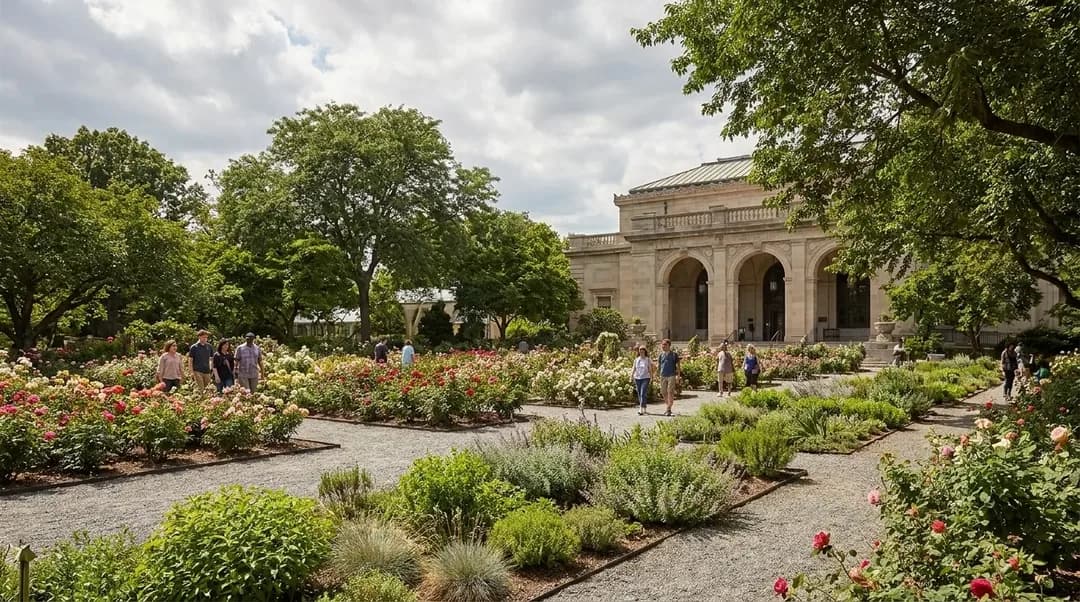
Queens Botanical Garden sits just north of the main commercial blocks, and it's the rare Flushing attraction that forces you to slow down. The site spans multiple gardens—rose, herb, bee, wedding—connected by gravel paths that take about an hour to walk if you're not rushing. Spring and fall offer the most obvious visual payoff, but even mid-summer visits work if you time them for late afternoon when the heat breaks. Before you go, check the garden's website for any traditional festivities or special programs; cultural events occasionally reshape the experience. If rain looks likely within the next two hours, reverse your route and save the garden for last, when a brief shower won't derail your entire plan.
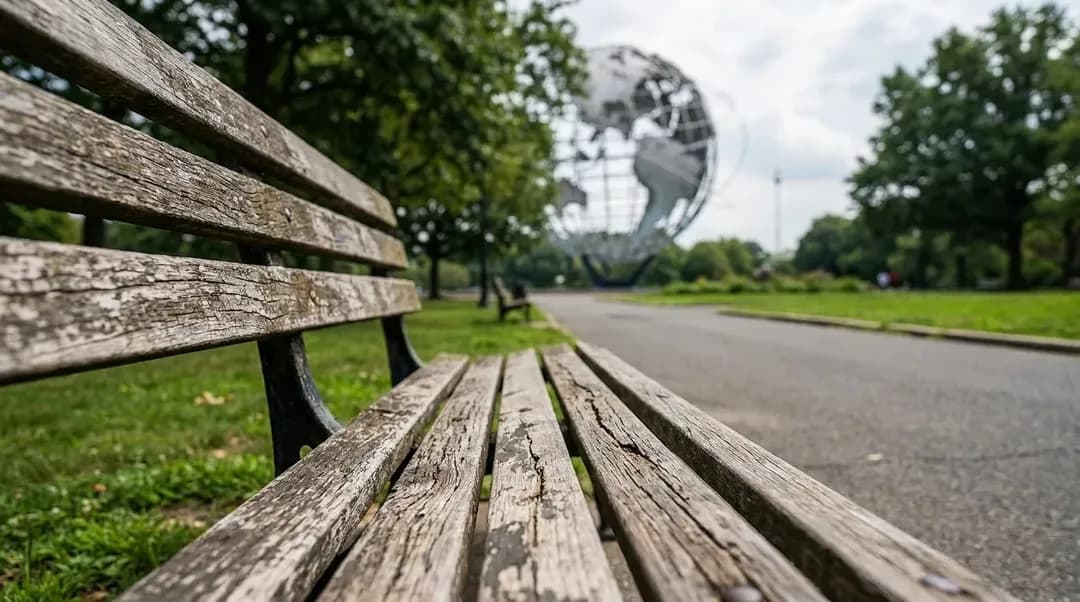
Once you've walked the grounds, you have a decision point. If the weather holds and you're still in an outdoor mood, Flushing Meadows Corona Park is a ten-minute walk south. It's one of the city's largest green spaces, and while it contains multiple attractions—sports facilities, museums, the Unisphere—the real value for a casual afternoon is the sheer acreage. You can walk the perimeter of Meadow Lake, watch pickup soccer games, or just claim a bench and let the afternoon drift. If the sky looks uncertain or you're ready for climate control, head back toward downtown Flushing instead. The neighborhood's density means you're never more than five minutes from an indoor pivot.
Build Your Food Sequence Around Energy, Not Efficiency
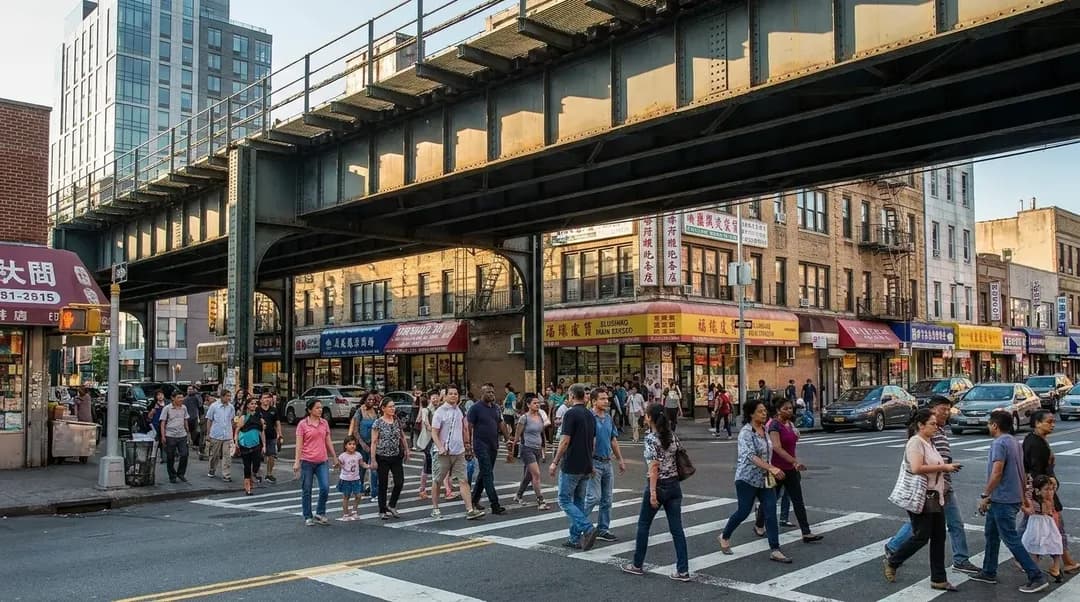
Flushing's reputation rests on its dining scene, but treating it like a tasting menu misses the point. A better approach: pick one substantial meal, then let smaller stops fill the gaps. If you're arriving around noon, start with dim sum or hand-pulled noodles—something that will hold you for three hours. That buffer lets you browse herbal shops, poke into Asian bakeries, or sit in a park without the constant pressure to eat again. When hunger returns mid-afternoon, you have options. A second full meal works if your group has the appetite, but most locals default to a lighter pivot: egg waffles, soufflé pancakes, or a long tea service that doubles as a rest stop.
The food courts inside New World Mall and other shopping centers offer the highest density of choices, but they also create decision fatigue. If your group struggles with consensus, set a timer—ten minutes to scan, then commit. The alternative is to skip the mall entirely and work the street level, where individual storefronts make the decision simpler. Either way, avoid the trap of trying to sample everything in one visit. Flushing's dining landscape is deep enough that you could return monthly and still find new spots. Treat this afternoon as one chapter, not the entire story. Save room for a final dessert stop before you leave, but don't force it if you're genuinely full. The neighborhood will still be here next month.
Use the Bookstores and Shops as Transition Spaces, Not Destinations
Between meals and outdoor stretches, you'll need places to decompress without committing to another full activity. Flushing's retail blocks serve that function better than most neighborhoods because the shops aren't designed for tourists. Chinese bookstores stocked with imported magazines, herbal medicine counters with patient staff, bakeries with seating areas that tolerate lingering—these spaces let you pause without the pressure to perform enthusiasm. If someone in your group needs a genuine break, a bookstore offers climate control, chairs, and enough visual interest to justify twenty minutes. You're not there to buy anything specific; you're there to reset before the next segment.
The same logic applies to the neighborhood's smaller tea shops and cafes. Not every stop needs to be a destination-worthy experience. Sometimes you just need to sit down, charge your phone, and decide whether you're ready for the next move or need another fifteen minutes. Flushing's density makes this kind of flexible pacing possible. You're never locked into a rigid sequence, and you're never so far from the subway that you can't bail early if the group's energy fades. That safety net makes it easier to relax into the afternoon instead of constantly monitoring the clock. If you're still going strong at hour four, you can always extend. If you're done at hour three, the 7 train is right there.
End with a Realistic Transit Check, Not a Forced Finale
Most guides try to script a perfect closing moment—a sunset view, a final dessert, a triumphant subway ride. Real afternoons don't work that way. By hour four or five, someone's feet hurt, someone's overfull, and someone's ready to be home. The smart move is to check the 7 train status before you commit to one last stop. If service is running normally and your group still has energy, sure, add a final tea or bakery visit. If the train's delayed or your group's visibly flagging, just head to the station. There's no shame in ending thirty minutes earlier than planned if everyone's satisfied.
The other variable is weekend vs. weekday timing. Flushing gets significantly busier on Saturdays and Sundays, especially between noon and 4 p.m. If you're visiting on a weekend, expect longer waits at popular restaurants and more crowded sidewalks. That doesn't ruin the experience, but it does mean you should build in extra time for any sit-down meal and have a backup plan if your first-choice spot has a forty-minute wait. Weekday afternoons move faster and give you more room to improvise, but some smaller shops keep irregular hours. The trade-off is real, and there's no universally correct answer. Pick the day that matches your group's tolerance for crowds, then adjust your expectations accordingly. Flushing rewards flexibility more than it rewards rigid planning.
Practical Notes
- Check Queens Botanical Garden's website before you go—special events and traditional festivities occasionally change access or hours.
- The 7 train is your primary access point; Flushing–Main Street station drops you in the center of the commercial district.
- If rain is forecast within two hours, reverse your route and save outdoor spaces for the end in case the weather clears.
- Food courts inside malls offer density but create decision fatigue—set a ten-minute timer to scan options, then commit.
- Weekday afternoons are less crowded but some smaller shops keep irregular hours; weekends are busier but more predictable.
- Plan for four to five hours total if you want a genuinely relaxed pace with room for detours and rest stops.
- Bring a portable charger—you'll use your phone for translations, maps, and menu photos more than you expect.
A full Flushing afternoon isn't about seeing everything or eating at every notable spot. It's about giving yourself enough time that you're not constantly calculating the next move. The neighborhood's density means you can pivot easily, but that same density creates pressure to keep moving. Resist it. Claim a park bench when you need one. Spend twenty minutes in a bookstore for no reason. Order a second dessert if the first one was good. The best afternoons here are the ones where you lose track of the plan halfway through and just follow whatever looks interesting. That only works if you start with enough buffer time that a detour doesn't wreck the schedule.
Tags: #flushing #queensnyc #flushingfood #queensbotanicalgarden #flushingmeadowscoronapark #nycneighborhoods #queenschinatown #nycafternoon #flushingqueens #nyclocal #queensfood #nycparks #flushingguide #nycexplore
All trademarks are the property of their respective owners.
Ask Karpo for more information.
Keep reading
- Mediterranean Food Near Me in Fort Greene: Miss Ada's Garden and Hummus
 Places To Eat Near Me in Chelsea: The Market Fills a Nabisco Factory
 Seafood Near Me in the East Village: The Mermaid Inn's Dollar Oysters