Culver City spent the last fifteen years becoming a destination - studios, a rebuilt downtown, restaurants with waiting lists. The interesting thing is that the best-value cooking in the area never moved and never changed, and most of it is on the stretch of Washington and Venice Boulevard running west from the 10, in single-storey units with their own car parks. This is where Los Angeles keeps its Cuban food, and vaca frita is the dish it does better than anything else on the menu.
The corridor is four miles long and the good units are not clustered together, so a wrong guess costs fifteen minutes of driving each way. Tell Karpo which end you are coming from and it will tell you what is worth stopping at.
Read the building, not the block
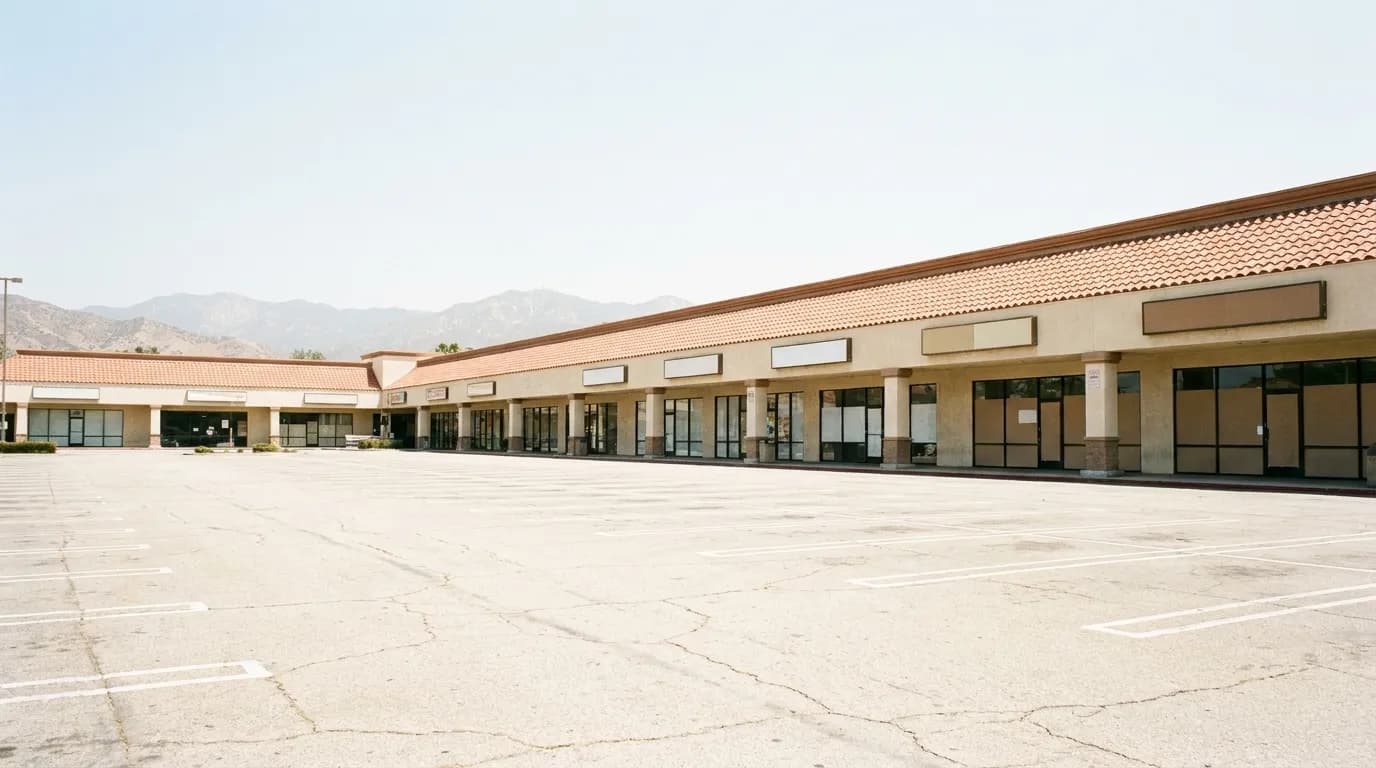
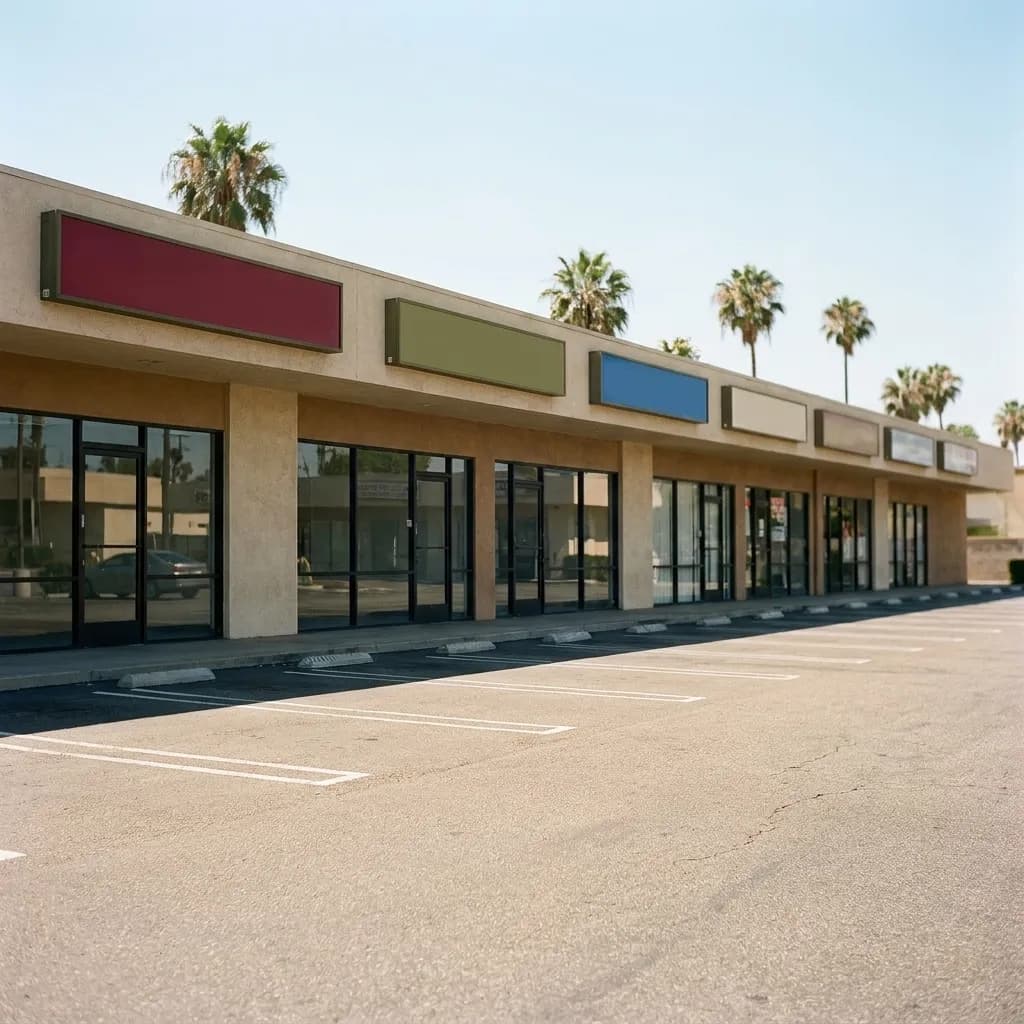
The rule in this part of Los Angeles is that food quality has almost no relationship to the frontage. The places worth eating at here are in low units set back behind a car park, sharing a strip with a laundry and a nail salon, with a plastic-lettered sign and no exterior seating.
That format exists because the rent structure allows a family to run a restaurant without needing to turn tables three times an evening. It is the single most reliable signal in Los Angeles and it is the reason visitors who only eat in the rebuilt downtown core miss most of the neighbourhood.
What vaca frita is, precisely
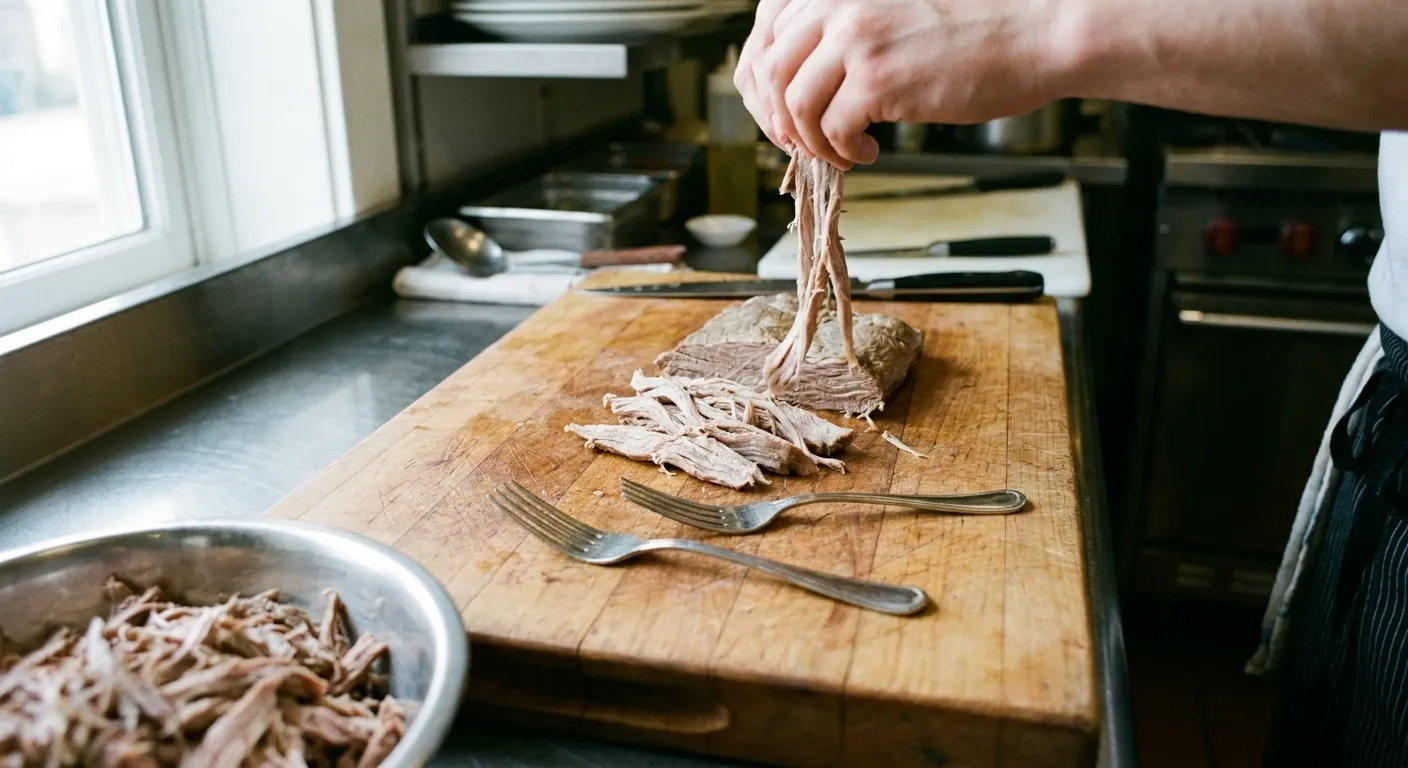
Flank steak simmered until it comes apart, shredded by hand along the grain, then fried in a dry hot pan until the strands catch and go crisp at the edges. Lime and raw white onion go on at the very end, off the heat, so the onion softens but stays sharp.
The technique is the whole dish and it does not survive being held. That is why the good versions run as a lunch special or come out fifteen minutes after you order rather than four, and why a plate that arrives immediately is usually the wrong plate.
How to tell before you order
Look at what is going past you to other tables. Correct vaca frita looks messy - dark loose strands, visibly burnt edges, white onion collapsed over the top, a lime wedge on the side. Incorrect vaca frita looks neat, uniform and slightly wet, and it will taste like a good stew.
The other check is the menu. If a place lists both vaca frita and ropa vieja separately and describes them differently, somebody in the kitchen cares about the distinction. If ropa vieja is on there and vaca frita is not, order the ropa vieja and be happy - it is a different dish, not a lesser one.
The rest of the plate
It arrives with white rice, black beans and plantains, and the choice between maduros and tostones is worth making deliberately. Tostones - green plantain, flattened, twice-fried, salted - are the better pairing with vaca frita because the dish is already acidic and sweet plantain fights the lime.
Add yuca con mojo if it is on the menu. Boiled cassava with garlic, oil and sour orange poured over, and it is the side that most reliably separates a kitchen that is cooking from one that is assembling. It is also usually about five dollars.
Timing the visit
Weekday lunch, between about half past eleven and two, is when the pans are hot and the specials are running. This corridor serves a working lunch trade from the studios and the light industrial units around it, which is what keeps the kitchens moving at that hour.
Evenings are quieter and several of these places close by eight or nine. Weekend lunch is busy in a good way - larger family tables, more of the menu running - but the wait is longer and the kitchen is under more pressure, which shows up first in the fried dishes.
Making a trip of it
The corridor rewards a two-stop plan. Eat properly at one place, then drive five minutes to a bakery counter for a cafecito and a pastelito rather than having dessert where you ate. That is closer to how the food is actually organised and it costs about four dollars.
Parking is straightforward, which is not a small thing here - almost everything on this stretch has its own lot. That alone makes it an easier evening than the equivalent in Silver Lake or on the Westside, and it is worth factoring in when the alternative is circling for twenty minutes.
If you are coming from further out
From downtown it is about twenty-five minutes on the 10 outside rush hour and closer to fifty inside it. From the Westside it is ten to fifteen minutes on surface streets. Light rail runs through Culver City and puts you within walking distance of the eastern end of the corridor, which is a genuine option here in a way it is not for most Los Angeles food.
If you are making a special trip, go at lunch on a weekday. Every variable - traffic, parking, kitchen attention, whether the special is running - points the same direction, which is rare enough to take advantage of.
What the corridor used to be
Worth a sentence of context, because it explains the building stock. This stretch of Washington was a light industrial and studio-service corridor for most of the twentieth century - machine shops, prop houses, printers - which is why the frontages are single-storey units with deep lots rather than the two-storey retail-over-apartment pattern you get in older parts of the city.
Cheap deep units with parking is exactly the condition a family restaurant needs, which is why the Cuban places landed here rather than somewhere more central. It is also why they have survived the neighbourhood becoming expensive - several own their buildings, which is the quiet reason a thirty-year-old restaurant is still charging fifteen dollars for a plate.
Tags: #VacaFrita #CulverCity #LosAngeles #LAFood #CubanFood #WashingtonBoulevard #StripMallEats #Palms #LAEats #LANeighborhoods
All trademarks are the property of their respective owners.
Ask Karpo first
The best food on this stretch is behind a car park with a plastic sign. Ask Karpo which units on the corridor are worth stopping at and whether the pan is hot at the hour you are going.