 Recovery Mode Astoria: Recovery Studio Cold Plunge Guide
Sports Social
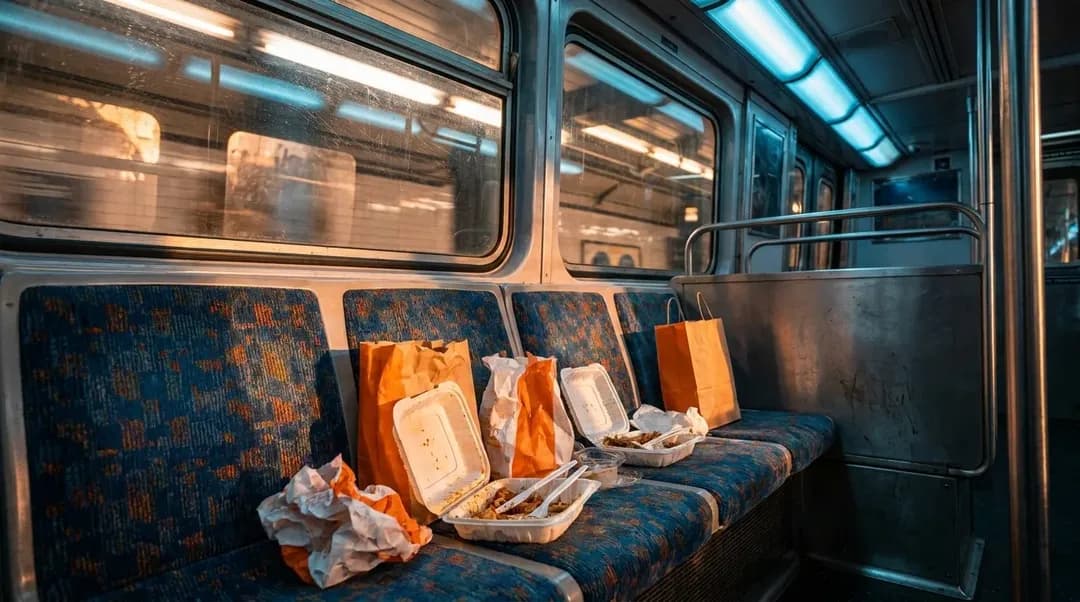
Where to Find the Best Uber Eats Orders in NYC Right Now
Game-day delivery timing is tight. Here's how to build a routing plan that survives subway delays and kitchen backlogs.
You're three blocks from the bar in Bushwick, first pitch is in forty minutes, and you open Uber Eats assuming everything arrives in thirty. That math breaks the second the kitchen confirms your order. Delivery windows stretch during evening volume. The app shows twenty-five minutes. The restaurant is in Williamsburg. Your phone dies at 18 percent. You arrive at the bar hungry, your friends are already eating, and the tracker still says your driver is circling Metropolitan Avenue.
Karpo checks which restaurants are taking orders without surge pricing right now, maps the fastest handoff point if you're moving between bars, and holds backup options if your first choice goes offline mid-game.
The trap everyone falls into ordering mid-game
The mistake is ordering to a moving target. Uber Eats works when you control the destination and the timeline. It collapses when you're transferring trains, meeting a group that hasn't picked a spot, or counting on food arriving at the same moment you walk through a door. Delivery routing assumes static addresses. Game nights assume fluid plans. The friction lives in that gap.
Most people solve this by ordering early and reheating, or by giving up and eating wherever the group lands. Both work. Neither is optimal if you want specific food and you want it hot. The better move is to route backward from the venue, confirm the kitchen can execute during your transit window, and build in a fallback that doesn't require a second app or a halftime scramble.
A delivery plan that holds through subway delays
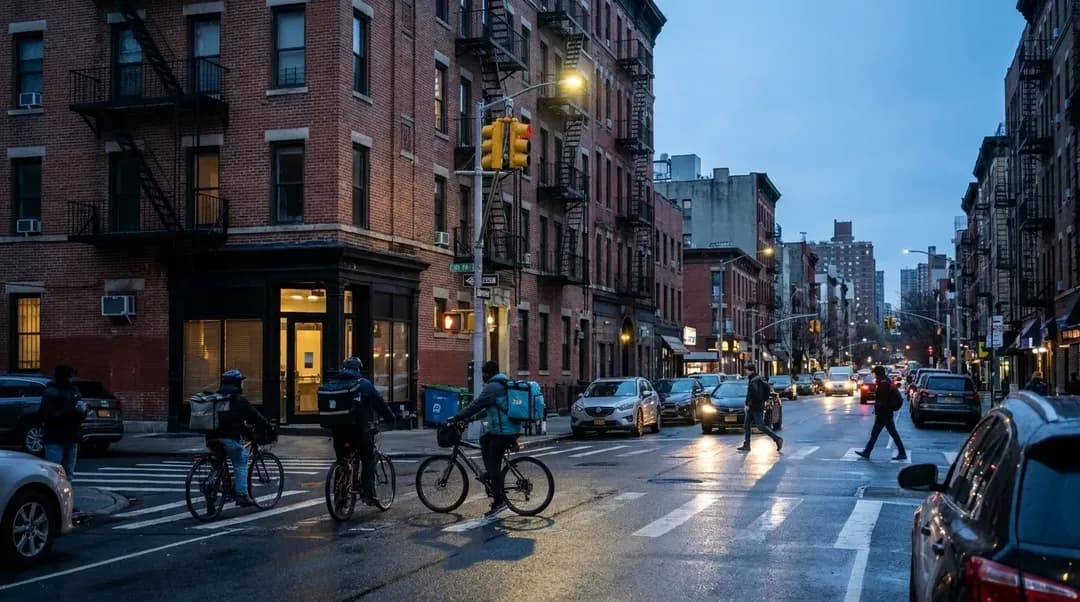
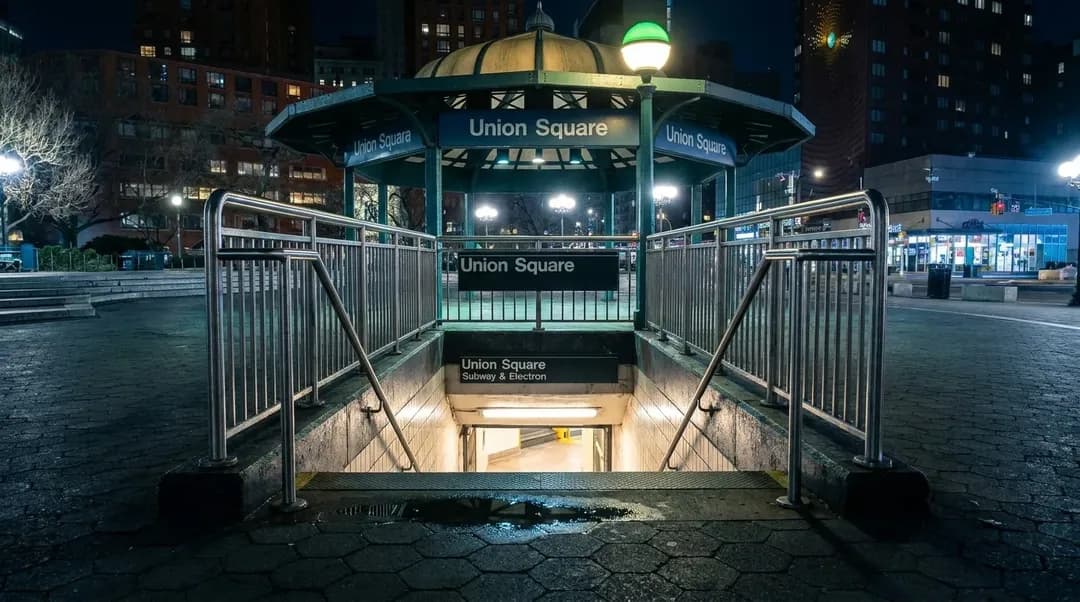
Start with the venue's address, not the cuisine. If you're meeting at a bar near Union Square, your Uber Eats radius includes the East Village, Gramercy, and parts of the Lower East Side. Kitchens south of Houston often run faster than spots in Midtown because the density is higher and drivers cluster there. Check estimated prep time before you check the menu. Anything over twenty minutes of kitchen prep means you need to order before you leave your apartment, not when you board the train.
Transit adds variability. The L train from Bushwick to Union Square is reliable until it isn't. The G train to the 7 is slower than the map suggests because the transfer at Court Square eats six minutes if you miss the connection. If you're coming from deeper Brooklyn, add ten minutes to whatever Google Maps promises. If you're coming from Astoria, assume the N or W will hold at Lexington Avenue for track traffic. Your delivery window needs to absorb that slack, which means ordering to the bar itself, not to your current location, and timing the order so it arrives fifteen minutes after you expect to sit down.
Pick restaurants that show consistent prep times across multiple menu items. Taco spots and sandwich counters usually move faster than ramen shops or anything involving a wok. Pizza works if the place has a brick oven and a steady dinner rush—those kitchens stay hot and don't batch orders. Avoid anywhere advertising "chef-driven" unless you have an hour to spare. The Uber Eats estimate is an average. You want the floor, not the ceiling.
Build your fallback before you confirm the order. Identify one backup restaurant within the same delivery zone that takes orders until at least 10 p.m. and has a menu your group can live with if the order gets canceled. Cancellations spike when kitchens get overwhelmed. You won't know until twenty minutes in. Having a second option queued means you lose ten minutes instead of forty. Text the group the backup name when you place the primary order. No debate, no votes, just a standing plan.
Who should skip this approach entirely
If your group is larger than six people, delivery becomes a negotiation problem, not a logistics problem. Coordinating preferences, splitting costs, and managing arrival times across multiple orders will take longer than walking to the nearest taqueria. Uber Eats works for tight groups with aligned tastes and a fixed location. It does not work for open-ended hangs where people trickle in over ninety minutes.
If you're bar-hopping, don't order. The routing collapses the moment you move. Delivery drivers will not follow you from Williamsburg to the Lower East Side, and asking them to meet you on the street creates conflict and bad tips. Order delivery when you're planted. Order pickup when you're moving. Mixing the two guarantees cold food and frustration.
If the game or event is happening in a high-density zone—Times Square, the Financial District after six, anywhere near Penn Station—expect delivery delays regardless of what the app promises. Driver routing in those areas fights gridlock, building security, and pedestrian flow. You will wait longer than the estimate. If you're in one of those neighborhoods, order from within a three-block radius or eat in the venue. The time savings evaporate past that distance.
What to verify before you tap confirm
Check the restaurant's current status inside the app, not just the listing. Some places toggle availability every twenty minutes based on kitchen capacity. A menu that loads doesn't guarantee the restaurant is accepting orders for your delivery time. If the spot shows a wait time over forty minutes, it's already backed up. Move to the backup.
Confirm the delivery address matches the bar's exact entrance, not just the street number. Uber Eats defaults to the center of a building. Bars in multi-tenant spaces or basement locations require specific instructions, and the app doesn't always surface them. Check the venue's Instagram or website for the correct door. Drivers will leave food at the wrong entrance and mark it delivered. You lose the order and the time.
Look at the restaurant's rating specifically for delivery, not dine-in. Some kitchens can't pack food properly for transit. Anything involving sauces, fried items, or delicate assembly often arrives degraded. A 4.8 dine-in rating means nothing if the delivery score is 4.2. Prioritize places with high delivery marks and simple, durable menus—grain bowls, banh mi, burritos, anything that holds structure in a container.
Verify your payment method and tip before the kitchen starts cooking. The app will let you order with an expired card and won't flag it until after prep begins. By then the restaurant has committed labor and ingredients. Fixing payment mid-order delays everything and burns goodwill. Tip at least 20 percent if the delivery window is tight or the weather is bad. Drivers prioritize higher-tipping orders when volume is high. Your food moves faster when the incentive is clear.
Practical notes
- Order 45–60 minutes before you want to eat, not 30; kitchen and transit delays compound during evening volume.
- Subway timing from Bushwick to Manhattan: assume 35 minutes to Union Square, 40 to Midtown, 50 if you're transferring at Broadway Junction.
- If ordering alcohol through Uber Eats, have ID ready and confirm the bar allows outside delivery before the driver arrives; many venues prohibit it.
- Rain or snow adds 15–20 minutes to any delivery estimate; have a backup plan that involves the bar's own kitchen if weather turns.
- Drink responsibly and arrange a safe ride home—subway service changes after midnight, and late-night trains run local on many lines.
- Cost for delivery typically runs $8–15 in fees and tip on top of food; budget accordingly if you're splitting.
Tags: #karpo #nycfood #ubereats #deliverynyc #gamedayeats #bushwickbars #nycnightlife #fooddelivery #nyctransit #unionsquare #williamsburgfood #newyorkcity #nycplanning #subwayroute #latenightnyc
Sources consulted: MTA Subway Service · Uber Eats
Please drink responsibly. Must be of legal drinking age.
All trademarks are the property of their respective owners.
Ask Karpo first
Text Karpo when you're planning a game-day route and need to know which restaurants are accepting Uber Eats orders without delays right now. It'll map the fastest delivery zone around your venue, flag kitchens with current wait times under twenty minutes, and hold a backup option if your first choice stops taking orders. Karpo also checks live subway timing so you know when to place the order based on your actual arrival.
Ask Karpo for more information.
Keep reading
- Recovery Mode Astoria: Recovery Studio Cold Plunge Guide
 Kollectiv East Village: Recovery Studio Sauna And Massage
 Restore UES Recovery Studio: Compression Before Dinner Guide