 Alice's Tea Cup Spooky Tea Room: Saturday Scones
Coffee & Dessert
Where to Find the Best Breakfast Spots in NYC Right Now
Most people chase viral brunch lines and end up eating cold eggs at 11:30. Here's how to actually find breakfast worth the trip.
You see a breakfast place trending on your feed, screenshot the address, and show up at 9:45 on a Saturday. The line is already forty people deep, the host says an hour-twenty, and by the time you sit down your appetite has curdled into irritation. This is the standard New York breakfast mistake: chasing reputation instead of logistics.
Karpo checks which breakfast spots have open tables right now, maps the fastest subway route from wherever you are, and holds backup options if your first choice is slammed when you arrive.
Why the viral spots waste your morning
The best breakfast in this city is not the one with the longest Instagram reel. It is the one that is actually serving food when you are hungry, reachable by a train line that is running normal service that morning, and sized to handle walk-ins without turning your morning into a hostage situation. Reputation gets you a pretty plate two hours later than you wanted it. Logistics gets you a hot meal while you are still glad to be awake.
Start by checking what train lines are running express or local that morning. Weekend service changes reroute half the system, and a breakfast spot that looks fifteen minutes away can become forty-five if you have to transfer twice at Canal. The L train usually holds steady, which makes Bushwick and Williamsburg more reliable on Sundays than spots along the A or the F. If the MTA app shows work on your line, pick a place on a different route entirely rather than gambling on shuttle buses.
The second filter is room size. A twelve-seat café with one espresso machine cannot turn tables fast enough to clear a weekend crowd. You want places with at least thirty seats, ideally split across two rooms, so there is always movement. Diners work better than boutique spots for this reason. If a place has counter seating that does not require a wait for a full table, you have just bought yourself twenty extra minutes of morning.
A route that survives MTA chaos
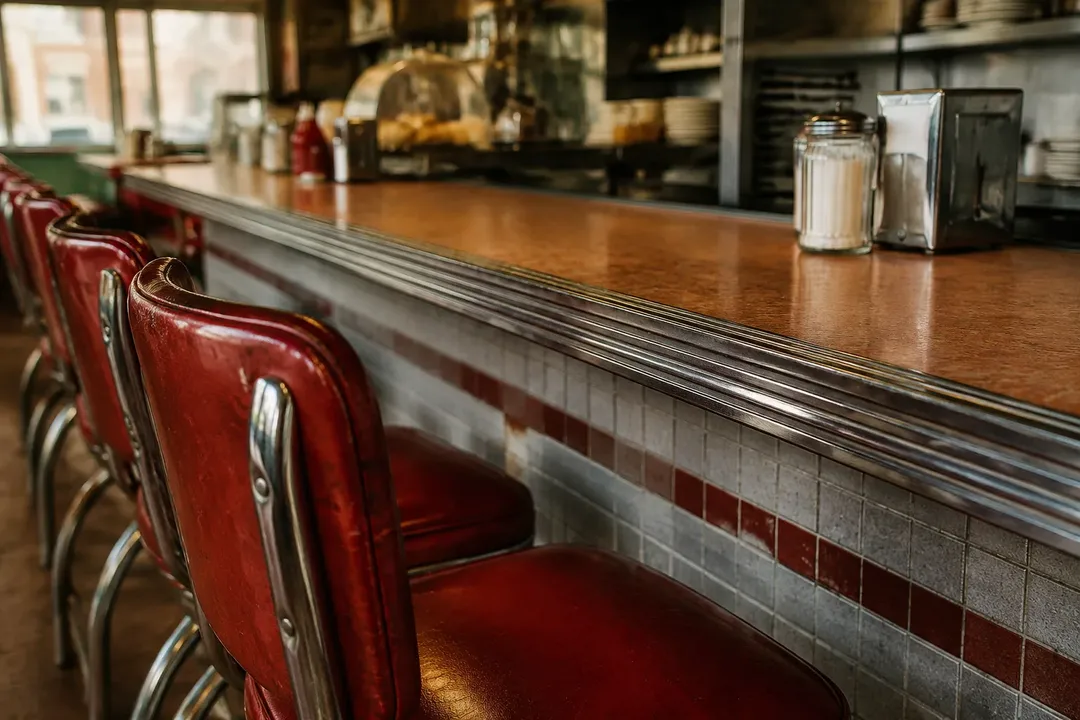
Pick a breakfast anchor in Bushwick and build outward from there. The L train is your most dependable weekend line, and the stretch between Morgan and Jefferson offers enough density that you can walk to a backup if your first choice is packed. Gertie on Flushing Avenue has space, counter seats, and a kitchen that moves. If it is full, you are a four-minute walk from other options along the same corridor.
The mistake is committing to a single address and refusing to adapt. Treat your breakfast search like a corridor, not a pin on a map. Stay within a six-block radius so that pivoting does not cost you another subway ride. Flushing Avenue between Bushwick Avenue and Morgan gives you that flexibility. So does the stretch of Bedford Avenue in Williamsburg between North 7th and North 3rd, though it gets more crowded earlier because of the weekend foot traffic from Manhattan.
If you are coming from deeper in Brooklyn or from Queens, check whether your train is running local or express before you leave. An express M train on a weekday becomes a local shuffle on weekends, and that turns a twenty-five-minute ride into forty. The same applies to the G, which runs shorter trains on weekends and fills up fast. If you are transferring from the G to the L at Metropolitan, get into the front half of the train so you are not stuck behind a hundred people on the platform when the L pulls in.
From Manhattan, the L from Union Square is straightforward, but the transfer from the 4/5/6 at Union can back up if a local train dumps everyone at once. The alternative is taking the J or M to Marcy and walking north, which adds ten minutes but skips the Union Square scrum. If you are coming from the Upper West Side, the A to the L at 14th Street is faster than trying to cross town on the 1 to the L at Eighth Avenue, even though the map makes them look equivalent.
Who should skip this advice entirely
If you want a long, slow breakfast with bottomless coffee and no pressure to give up your table, none of this applies. The spots that let you sit for two hours are the ones with lines, because they are optimized for experience, not throughput. That is a valid choice, but it requires accepting the wait or arriving before 8:30 when the neighborhood is still quiet.
This routing also does not work if you need strict dietary accommodation that only a few places offer. Gluten-free kitchens and vegan-only menus exist, but they are not evenly distributed, and you lose the flexibility to pivot. In that case, call ahead or check the online menu before you leave, and plan for the possibility that you will wait. Trying to find a backup that meets the same restrictions while you are already hungry and standing on a corner is miserable.
Similarly, if you are traveling with a group larger than four, the walk-in strategy collapses. Most breakfast spots cannot seat six people together without a reservation, and the ones that can are the same high-volume diners that take reservations poorly or not at all. Split into two tables or pick a place that takes OpenTable bookings for weekend mornings, which limits you to a much smaller set of options and usually pushes you toward brunch pricing instead of breakfast pricing.
What to verify before you leave
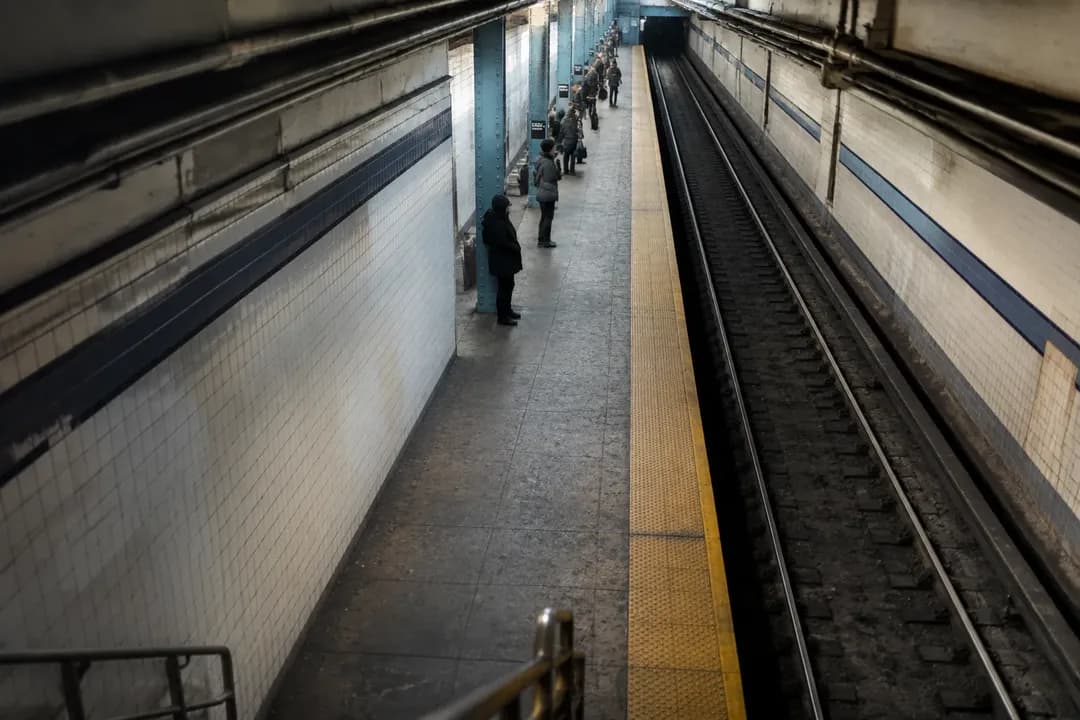
Check the MTA website or app for your line, not just your station. A notice that says "weekend service change" might mean express trains are running local, or it might mean your entire line is replaced by a bus between two stations you have never heard of. Read the full text. If the change affects your transfer point, map a completely different route instead of trying to patch it on the fly.
Confirm that the breakfast spot is actually open. A lot of cafés post their hours optimistically and then close on random Mondays or open late if the morning cook calls out. If a place has an Instagram account that posts daily, check the most recent story. If they have not posted in three days, call. Google hours are often wrong, especially for independently-owned spots that do not update their listings.
Look at the weather if it is supposed to rain. A place with no interior seating or only a few tables inside becomes unusable in bad weather, and the neighborhood alternatives fill up with everyone who had the same idea. If rain is likely, pick a spot with a real dining room, not a counter facing the street with a roll-down gate for a roof.
Bring a backup address. Write down two other breakfast spots within a ten-minute walk of your first choice, and know which subway stop gets you to a completely different neighborhood if all three are slammed. The G train to Greenpoint is one neighborhood over from Bushwick and usually less crowded on weekend mornings. The J to Bed-Stuy puts you in range of Nostrand Avenue options. Having a second zone in mind means a ten-minute train ride instead of giving up and going home.
If you are meeting someone, agree on a fallback before you leave. "Meet at the café" does not work if the café has a forty-minute wait and no cell service in the back. Pick a street corner or a subway exit as the actual meeting point, then walk to breakfast together so you can make the call to pivot as a group instead of one person waiting in line while the other circles the block.
Practical notes
- Check MTA service changes the night before; weekend reroutes add 15-30 minutes to cross-borough trips.
- Arrive before 9:00 or after 11:30 to avoid peak crowding at walk-in spots.
- Bring cash; smaller breakfast spots in Bushwick and Bed-Stuy sometimes have card minimums or cash-only policies.
- Verify hours by phone or recent social posts; Google listings are frequently outdated for independent cafés.
- Have two backup addresses within walking distance in case your first choice has a wait.
- If it is raining, skip any spot with mostly outdoor seating; interior tables fill instantly.
Tags: #karpo #nyc #newyorkcity #nycbreakfast #breakfastnyc #bushwick #williamsburg #nycfood #brooklynbreakfast #nyctravel #ltrain #nycsubway #coffeenyc #breakfastnearme #nyclifestyle
Sources consulted: MTA Service Status · NYC Parks
All trademarks are the property of their respective owners.
Ask Karpo first
Text Karpo the morning you want breakfast and ask what is open now with short waits in Bushwick or Williamsburg. It will check live status, map your subway route accounting for current service changes, and hold a second option in a different neighborhood if your first pick is too crowded when you arrive.
Ask Karpo for more information.
Keep reading
- Alice's Tea Cup Spooky Tea Room: Saturday Scones
 Lady Mendl's Spooky Tea Room: Gramercy Afternoon Layers
 Kings' Carriage House Spooky Tea Room: Sunday Tea