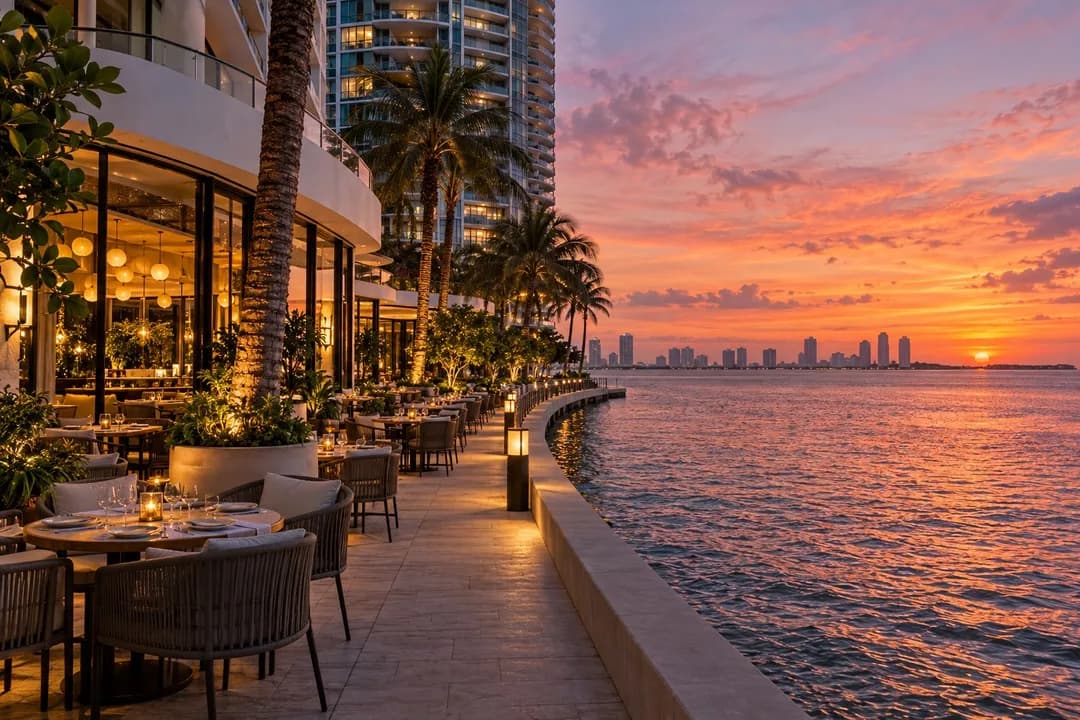
 Crazy About You Brickell Friendsgiving Dinner: Free Starters
Restaurants
Where to Find the Best Best Restaurants in Miami Right Now
Miami's restaurant rhythm changes with season, weather, and when cruise ships dock—here's how to land a table that delivers.
You're standing in the kitchen at six-thirty on a Thursday, hungry, scrolling through booking apps that show nothing available until nine-fifteen or offer a five-thirty slot you've already missed. Miami's best restaurants fill early now—not just the celebrity-chef places in the Design District, but the neighborhood bistros in Coconut Grove and the Cuban counters on Calle Ocho that used to hold a few walk-in seats. The app says there's availability somewhere in Wynwood, but you'd need to leave right now to beat causeway traffic, and you haven't checked if that place even takes walk-ins or if the thunderstorm rolling in from the west will flood the block where you'd park.
Karpo checks which restaurants have tables tonight, cross-references bridge traffic and weather windows, and builds you a route that skips the causeway backup. Text it before you leave Coconut Grove.
The reservation economy has made dinner harder
The friction isn't the quality of Miami's dining scene—it's never been better—but the logistics around actually eating. Restaurants that opened with fifty seats now manage waitlists through three different platforms. Parking near popular spots in Brickell or South Beach costs as much as an appetizer. The places people talk about most may be booked out, and the under-the-radar gems don't show up on the first page of search results unless you already know the neighborhood. You end up eating late, or settling, or driving twenty minutes in the wrong direction because you didn't realize the bridge was up.
Two ways to approach a Miami dinner
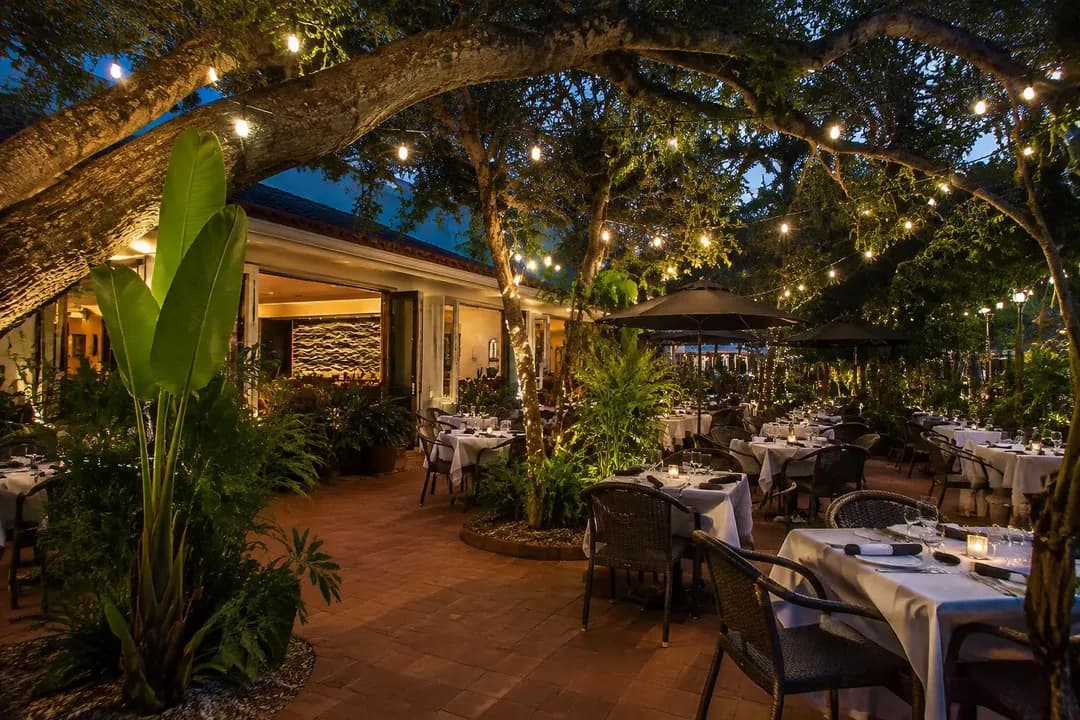
The first route is to plan ahead: pick a restaurant, book a table, build your evening around that single reservation. This works if you're celebrating something, if your schedule is locked, or if you're determined to eat at a specific place no matter what. You choose a spot in Coral Gables or the Upper East Side, confirm the reservation twice, leave early to account for parking, and accept that your night has one fixed anchor. It's reliable, but it eliminates spontaneity and doesn't adapt if the weather turns or if you finish your afternoon plans early and want to eat at six instead of eight-thirty.
The second route is to stay flexible: pick a neighborhood, identify three or four restaurants that fit your mood and budget, and check real-time availability as you're ready to go. This approach works better in Miami's rhythm. You can shift from Coconut Grove to Little Havana if the rain is heavier on one side of town. You can choose a spot with covered outdoor seating when the evening cools off, or pivot to a counter-service place if the table wait is forty-five minutes and you're already hungry. The best restaurants in Miami aren't all famous—they're the ones that are excellent and actually available when you want to eat.
Most people mix both methods. You book the high-demand spot for Friday, then leave Thursday and Saturday open for real-time decisions. The key is knowing which restaurants require reservations a week out and which ones turn tables fast enough that a short wait gets you in. A place like Versailles on Calle Ocho moves quickly even when it's crowded. Smaller spots in the Roads or the Grove might have a six-top open at seven if you call instead of relying on the app.
What the evening actually costs
Dinner in Miami runs wider than the menu price. A thirty-dollar entrée becomes a fifty-five-dollar evening once you add parking, a drink, tax, and tip. Valet in Brickell or the Design District is often eighteen to twenty-five dollars; street parking in Coconut Grove or Wynwood is cheaper but fills by six on weekends. If you're using rideshare, add another twelve to sixteen dollars each way depending on surge pricing and how far you're traveling from your starting point. Weekend evenings and any night when there's an event at Kaseya Center or a cruise ship turnaround will push those costs higher.
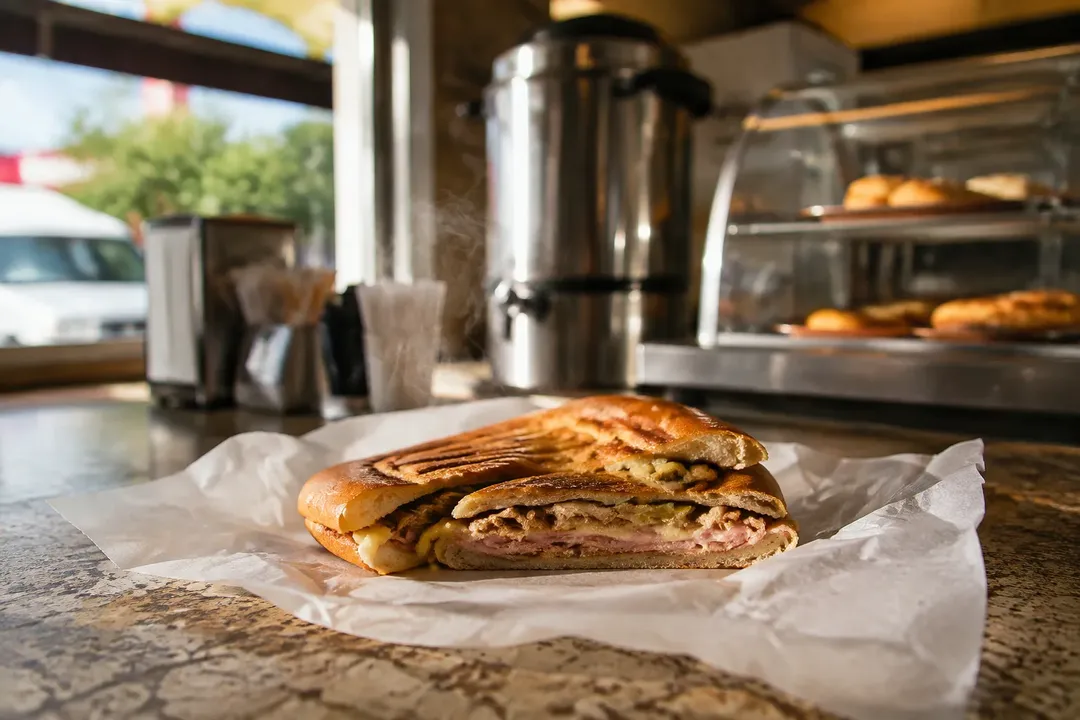
The restaurants themselves range from twelve-dollar Cuban sandwich counters in Little Havana to two-hundred-dollar tasting menus in South Beach. The middle zone—where most people eat most of the time—lands between twenty-five and fifty dollars per person for an entrée, and you'll find excellent cooking at both ends of that range. A bistro in the Roads might charge thirty-two dollars for snapper with a side; a Wynwood spot might do forty-five for short rib. Wine and cocktails add fifteen to eighteen dollars per drink at most places, more at hotel restaurants or anywhere with a bay view.
Hidden costs show up in timing. If you arrive at eight on a Saturday without a reservation, you're either waiting an hour or driving to a second or third choice, burning time and gas. If you park six blocks away to avoid a fee, you're walking back in humidity or sudden rain. If you pick a place that's thirty minutes away and the bridge goes up twice, you've spent an hour in the car. The cost isn't only money—it's the evening itself, and whether you spend it eating or managing logistics.
Before you pick a place tonight
Check the weather radar, not just the daily forecast. Miami's afternoon storms clear by seven or linger until nine depending on the wind direction, and that changes whether you want an outdoor table in Coconut Grove or a covered spot in Coral Gables. If rain is likely, confirm the restaurant has indoor seating or a real roof, not just a canopy. Some patios close entirely when it storms, and you won't know until you arrive.
Verify the restaurant is open and operating normal hours. Miami's dining schedules shift for holidays, private events, and staff shortages. A place that's usually open Monday might be closed this Monday, or might have shortened hours because of a buyout. Call if you're driving more than fifteen minutes—apps aren't always current, and restaurants don't always update third-party platforms when they close early or pause walk-ins for the night.
Map your parking or rideshare pickup before you leave. South Beach and Wynwood have public lots, but they fill by seven on weekends. Coconut Grove has street parking on the residential blocks west of Grand Avenue, but it's metered until eight and unlit after dark. Brickell and the Design District lean on valet or garage parking, which can have long waits when you're leaving. If you're taking rideshare, check where the pickup zone is—some restaurants are on blocks where drivers circle twice before finding you, and you'll stand outside longer than you expect.
Have a backup. If the first place has a long wait or just filled its last table, know which restaurant is nearby and serves food you'll enjoy. This is easier if you've chosen a neighborhood with density—Coral Gables, Little Havana, the Upper East Side—rather than a single destination restaurant on a quiet block. Miami's best meals often come from the second choice, the place you didn't read about but walked into because it had a table and the menu looked honest.
Practical notes
- Peak dinner hours (seven to nine) require reservations at most popular spots; six or nine-thirty often have better walk-in availability.
- Valet parking in Brickell, Design District, and South Beach typically runs eighteen to twenty-five dollars; street parking in Coconut Grove and Wynwood is cheaper but competitive.
- Afternoon storms between May and October can flood low-lying streets and delay bridge openings; check radar before choosing a neighborhood.
- Causeway traffic builds from five to seven on weekdays and stays heavy weekend evenings; add fifteen minutes if you're crossing water.
- Restaurants on third-party booking apps don't always show walk-in availability—calling directly often reveals open tables.
- Confirm hours the day you're going, especially on Mondays or around holidays when schedules shift without notice.
Tags: #karpo #miami #miamirestaurants #coconutgrove #dineinmiami #miamifood #miamieats #southbeach #brickell #wynwood #coralgables #littlehavana #miamidining #restaurants #miamilife
Sources consulted: City of Miami Parking Information · National Weather Service Miami
All trademarks are the property of their respective owners.
Ask Karpo first
Text Karpo when you're ready to eat and tell it what you're in the mood for—it'll check which restaurants have tables or short waits right now, confirm they're actually open, and map a route that accounts for current traffic and weather. If your first choice is full, it'll suggest a backup in the same neighborhood that matches your budget and timing.
Ask Karpo for more information.
Keep reading
- Crazy About You Brickell Friendsgiving Dinner: Free Starters
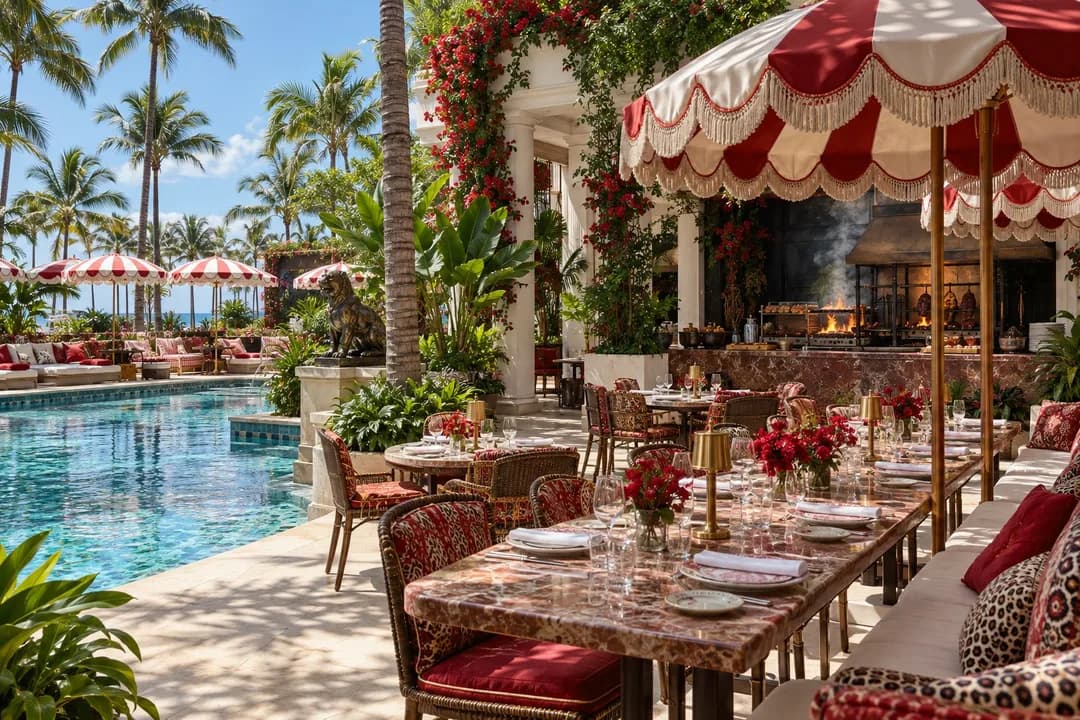 Los Fuegos Friendsgiving Dinner: $129 Sunday Asado at Faena
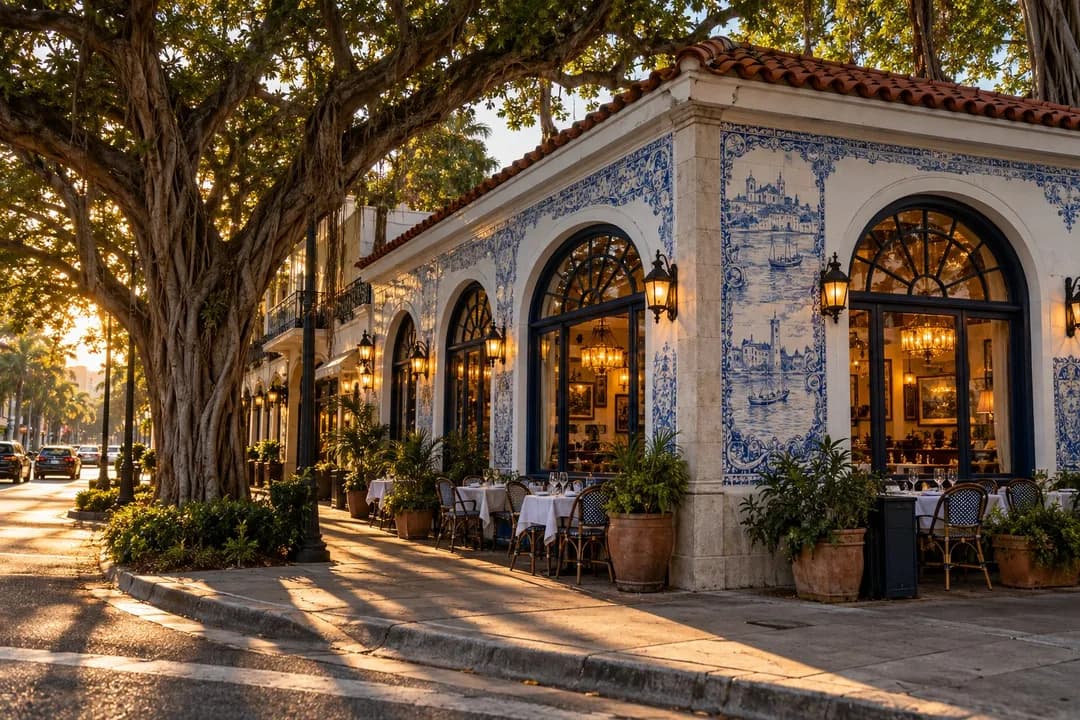 Old Lisbon Friendsgiving Dinner on Coral Way Since 1991