A full US Open day can feel exhilarating until the noise, heat, lines, and movement start stacking up. The best quiet break is usually not one perfect hidden spot, but a sequence of small decisions: step away before a stadium changeover rush, choose a lower-stakes court when crowds are focused elsewhere, or use the edge of the grounds for a reset before returning to your session. As of July 23, 2026, the official 2026 US Open calendar runs August 23 through September 13, with singles main-draw play beginning August 30. Because gate times, match schedules, venue rules, weather, transit service, and on-site operations can shift, treat this as a calm-day strategy rather than a guarantee. Before traveling, recheck the US Open schedule, A-Z guide, prohibited-items page, transportation guidance, and MTA US Open information.
Text Karpo when you need a reset and we’ll suggest a calmer US Open break nearby.

Think in Calm Windows, Not Secret Corners
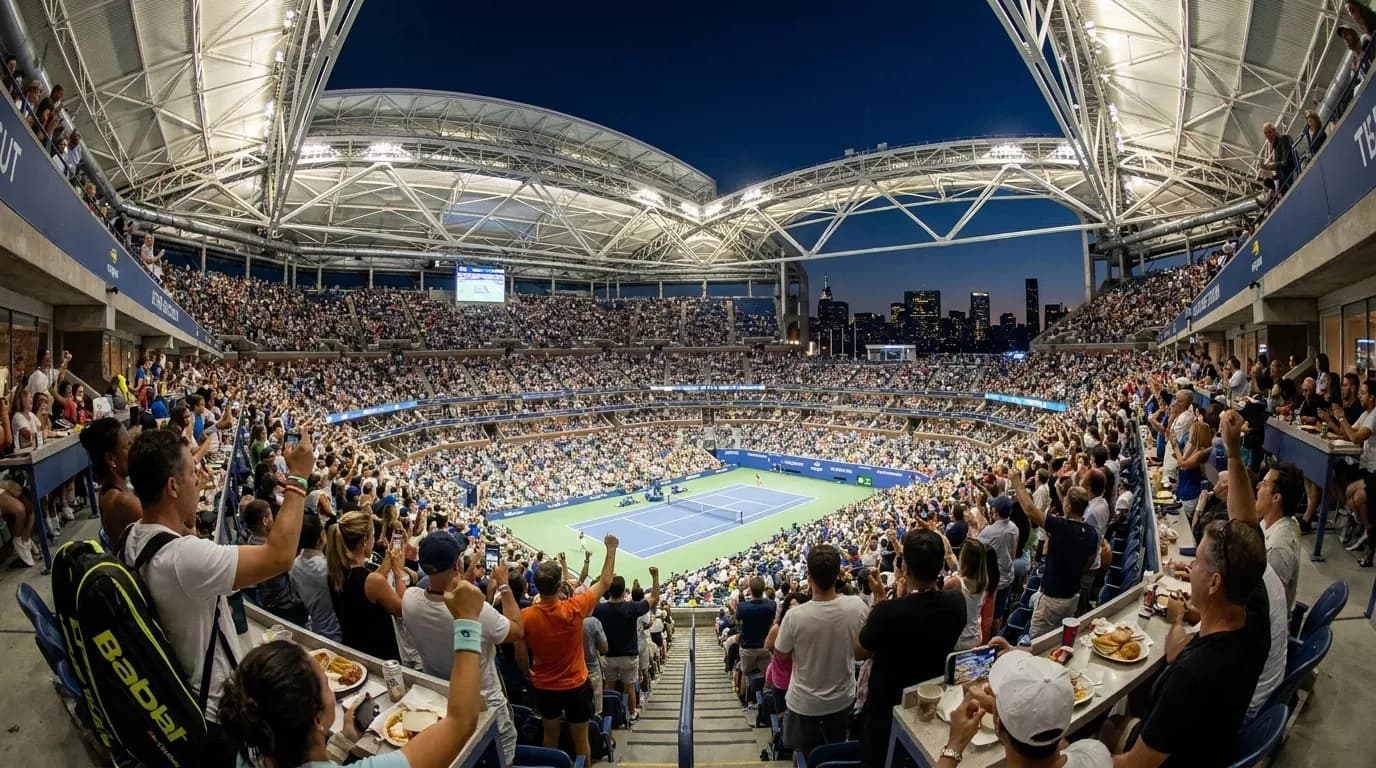
The busiest feeling at the Open often comes from timing more than geography. A walkway that feels manageable during play can feel completely different when a featured match ends, rain changes the rhythm, or a large crowd moves toward food, restrooms, shops, or transit. If you are sensitive to overstimulation, build breaks into your day before the most obvious pressure points. That may mean stepping away during a match you are less invested in, eating earlier than peak mealtime, or choosing a bathroom stop while many fans are settled in their seats.
Main-draw days can feel especially intense because the field, court assignments, and fan attention are spread across many places. Qualifying and earlier event days may have a different rhythm, but the official calendar and daily schedule should guide any expectation. Do not assume a date will be quiet simply because it is early, late, weekday, or outside the night-session spotlight. Instead, look at the posted schedule close to your visit and identify natural pauses: gaps between matches, courts with less obvious star power, and periods when your own group can leave a busy area without feeling rushed.

Use Outer-Court Tennis as a Reset
A calmer break does not always require leaving tennis. On packed days, shifting from a major stadium environment to a smaller court can reduce the scale of the experience while keeping you connected to play. The soundscape may still include crowd noise, officials, movement, and neighboring courts, but the emotional intensity can feel lower when you are not inside the largest bowl or following the day’s most anticipated matchup.
When checking the daily order of play, look for matches that interest you without pulling the biggest crowds on paper. Doubles, juniors, wheelchair events, qualifying rounds, and practice activity may be part of the broader tournament experience depending on the date and posted schedule, but availability and access should be verified through official channels. If you find a court that feels breathable, stay flexible. You may get a few games, a full set, or just enough time to lower your shoulders before returning to a busier plan.
This approach is especially useful for mixed groups. One person may want constant marquee action while another needs a gentler environment. Agree in advance that a smaller-court stop counts as part of the day, not a failure to maximize the ticket. Watching excellent tennis in a less pressured setting can be one of the most rewarding ways to reset.
Let the Edges of the Grounds Do Some Work
When crowds compress, the instinct is often to push straight through. A better tactic is to drift toward the edges of legal public circulation areas and pause where you are not blocking a pathway, entrance, queue, or staff operation. You are looking for a place to stand still, check the schedule, drink water if you have it available, and decide your next move without being carried along by the crowd.
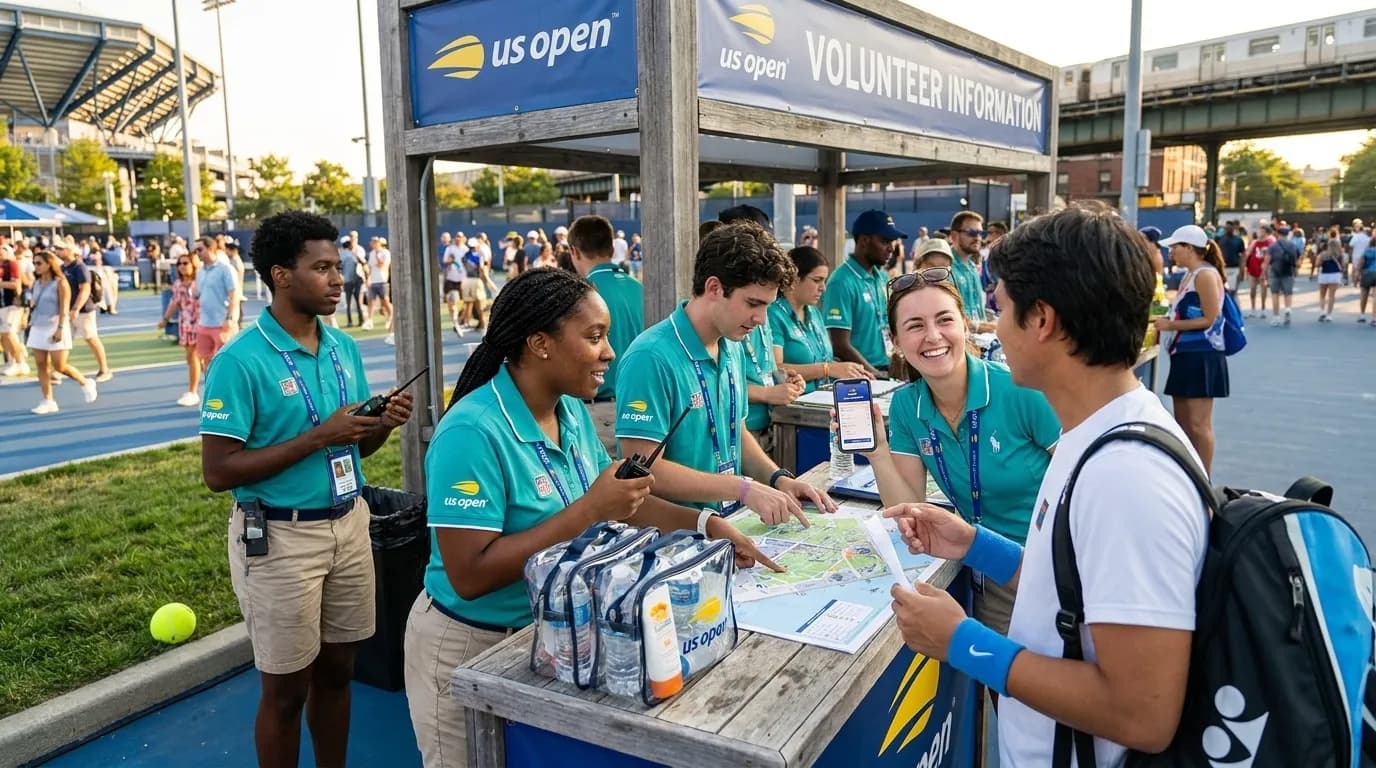
Use the venue map and posted signs rather than memory from a previous year. Construction, sponsor footprints, operational needs, and security patterns can change how an area feels. Also be considerate: a relatively open patch is not a private lounge, and staff may need to keep certain zones moving. If an usher or security team member redirects you, take it as part of the day’s live operations rather than a setback.
The edge strategy also helps after emotionally loud moments. Instead of leaving a stadium and immediately joining a food line or rushing to another court, give yourself five minutes to let the crowd thin. This small delay can be the difference between feeling swept up and feeling back in charge of your afternoon.
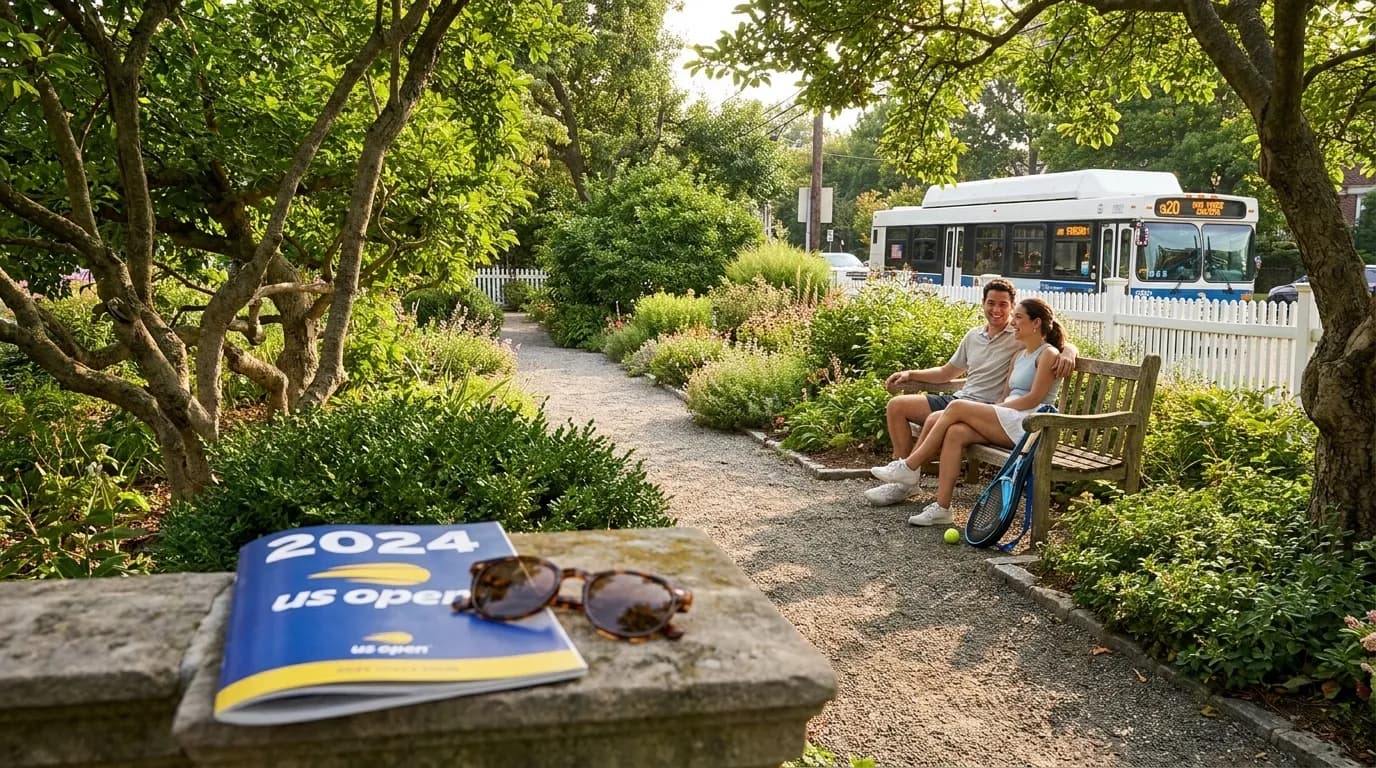
Consider Nearby Park Space Before You Commit
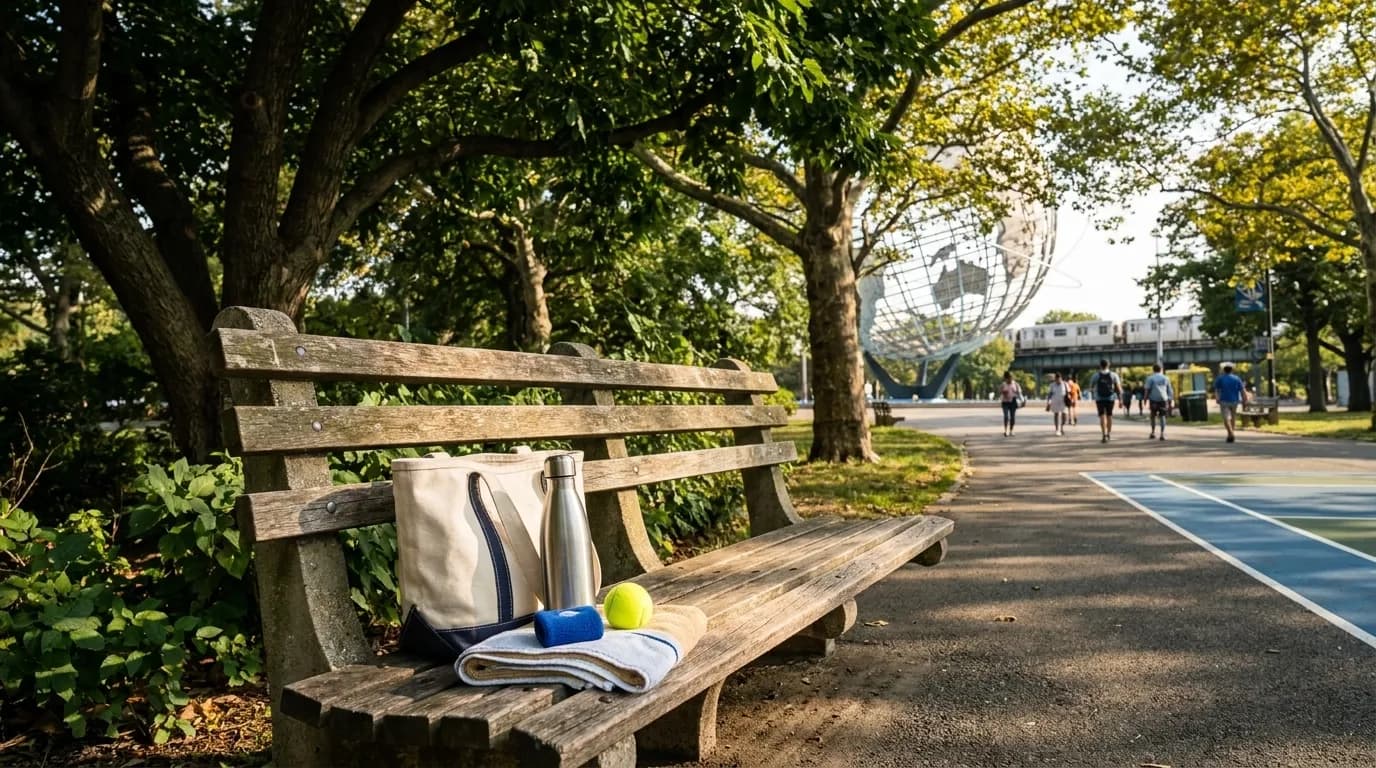
The US Open is associated with Flushing Meadows Corona Park, and nearby park space can be appealing when you need a broader horizon than the tournament grounds provide. A walk outside the most concentrated fan flow may help some visitors reset, especially if the day is hot, loud, or emotionally packed. The key is to decide carefully before you exit or move away from the gates.
Do not assume re-entry, gate access, security procedures, or the practical route back will work the way you hope. Check the current US Open A-Z guide and ticket information close to your visit, and pay attention to posted instructions on site. If leaving the ticketed area could complicate your session, use nearby park space as a pre-arrival or post-session decompression option instead. Arriving early enough to walk slowly from transit, or waiting for the most intense departure crush to ease, can offer a quieter buffer without risking your plans.
Weather matters here. Shade, heat, air quality, storms, and after-dark comfort can all affect whether a park break feels restorative or inconvenient. Check the forecast and local advisories before relying on an outdoor pause. A calm plan should make the day easier, not add a long detour when you are already tired.
Make Transit Part of the Decompression Plan
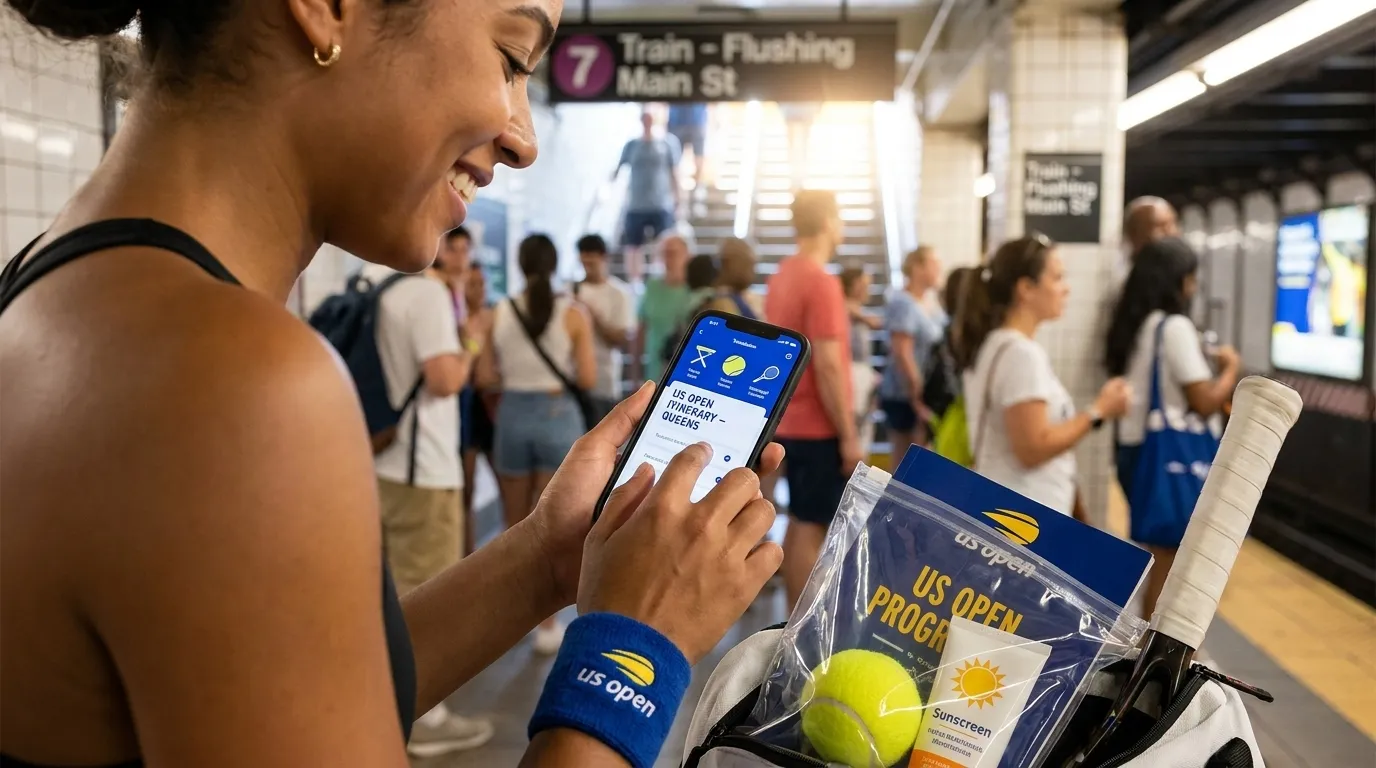
For many visitors, the noisiest stretch is not only inside the venue. It is the transition to and from the site, especially when many fans move at once. Official US Open transportation guidance and the MTA’s US Open information are the right places to verify current subway, Long Island Rail Road, and service details for Mets-Willets Point before you travel. Service patterns, crowding, and event operations can change, so avoid building your entire day around an unverified assumption.
If you know you are prone to sensory fatigue, choose a transit posture in advance. You might plan to leave before the largest post-match surge, linger in an allowed area until the first wave passes, or accept a slower transfer if it gives you more breathing room. This is practical backup planning, not a promise that any line, train, platform, or route will be quiet. Keep enough flexibility for delays, weather, and changed service.
The same thinking applies on arrival. Rather than racing from train or car service directly to the most crowded part of the grounds, use the approach as a mental reset. Confirm your ticket, review the prohibited-items rules before you reach screening, and avoid unpacking your bag in a stressful spot. A smoother entrance often starts several minutes before the gate.
Pack for Low-Friction Pauses
Quiet is easier to find when your basics are handled. Before packing, read the current prohibited-items page and A-Z guide rather than relying on what worked at another sports venue. Bag rules, permitted items, medical exceptions, food and drink policies, and screening procedures should be checked directly with the tournament. The goal is to avoid discovering at the gate that your comfort item creates a problem.
Think in terms of friction reduction. A portable layer, sun protection, needed medication, a charged phone, and a simple meeting plan can make breaks feel calmer, provided each item is allowed under current rules. If you use noise-reducing earplugs or similar comfort aids, verify they fit the posted policies and your own needs. Do not count on buying a specific item on site; inventory, locations, and availability can change.
Also plan how your group will separate and reunite. A quiet break stops being quiet if everyone is texting frantically in a crowd. Pick a broad, allowed meeting area visible on the current map, then confirm it again once you are inside. If cell service is strained or batteries run low, an agreed backup can save the mood.
Practical Notes
- Check the official US Open event schedule close to your visit, especially if you are attending between August 23 and September 13, 2026, or planning around singles main-draw play from August 30.
- Review the US Open A-Z guide for current venue procedures, including anything that could affect re-entry, seating movement, accessibility services, or guest comfort.
- Read the prohibited-items page before packing, even if you attended in a previous year.
- Use the official transportation page and MTA US Open guide to confirm current routes, service, and station information for Mets-Willets Point.
- Identify two calm options before arrival: one inside the grounds and one outside the most intense crowd flow, such as a verified park-side pause before or after your session.
- Build a ten-minute buffer after major matches or session transitions instead of moving with the first wave of fans.
- If the day feels overwhelming, shorten the next objective. A few games on a smaller court, a water break in a nonblocking area, or a slower walk can rescue the afternoon.
Tags: #USOpen2026 #Tennis #NewYork #Queens #FlushingMeadows #KarpoFinds #Karpo #QuietUSOpen #FanBreaks #QueensCalm
Sources consulted: usopen.org — Official reference · usopen.org — Official reference · usopen.org — Official reference · usopen.org — Official reference · new.mta.info — Official reference
All trademarks are the property of their respective owners.
Ask Karpo first
Ask Karpo to plan quiet intervals around your matches so the day feels exciting instead of exhausting.