The West Village is the wrong shape for ramen and it is worth understanding why before going looking. Ramen economics want a small room, a fast turnover, a long counter and cheap-ish rent - the format is built on serving a lot of people quickly at a low margin. The West Village offers the opposite: small irregular ground floors on landmarked blocks, some of the highest retail rents in the city, and a customer base that wants to linger. The shops that have made it work there have done so by being genuinely good, because nothing else would cover the rent.
The village street grid defeats most people's sense of direction, and a shop four minutes away can take fifteen to find. Tell Karpo where you have come out of the subway and it will point you at what is close and open rather than what is famous.
Why the neighbourhood fights the format
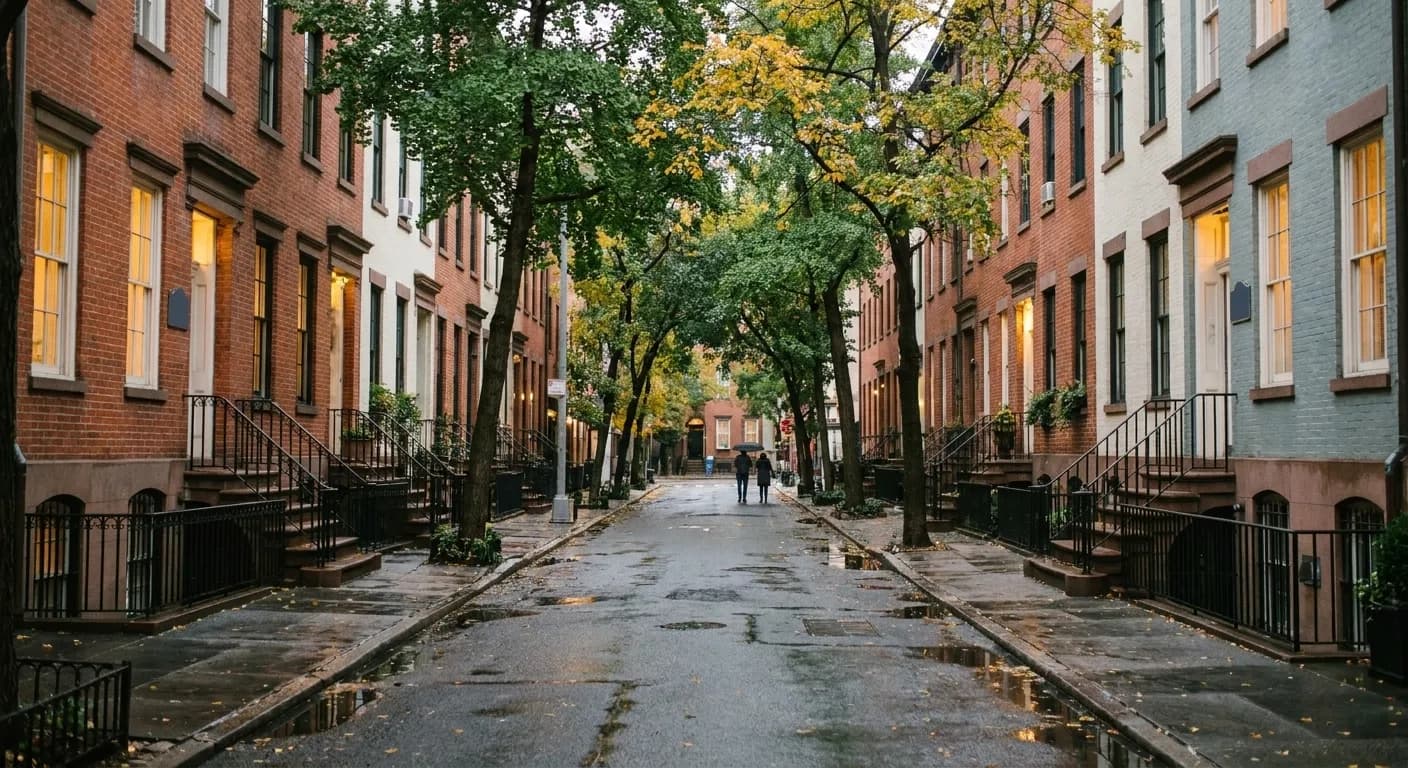
Ramen shops elsewhere in the city run twenty to thirty seats at a counter and turn them three or four times in an evening. The West Village's protected building stock produces long narrow ground floors with awkward columns, basement kitchens reached by a stair, and frontages too small for a queue that does not block the pavement.
The result is fewer shops, smaller rooms and higher prices than the East Village equivalent - typically two to four dollars more for a comparable bowl. That premium is real and worth knowing about, and it is the reason most serious ramen conversation in Manhattan happens about the other side of Sixth Avenue.
What survives here, and why
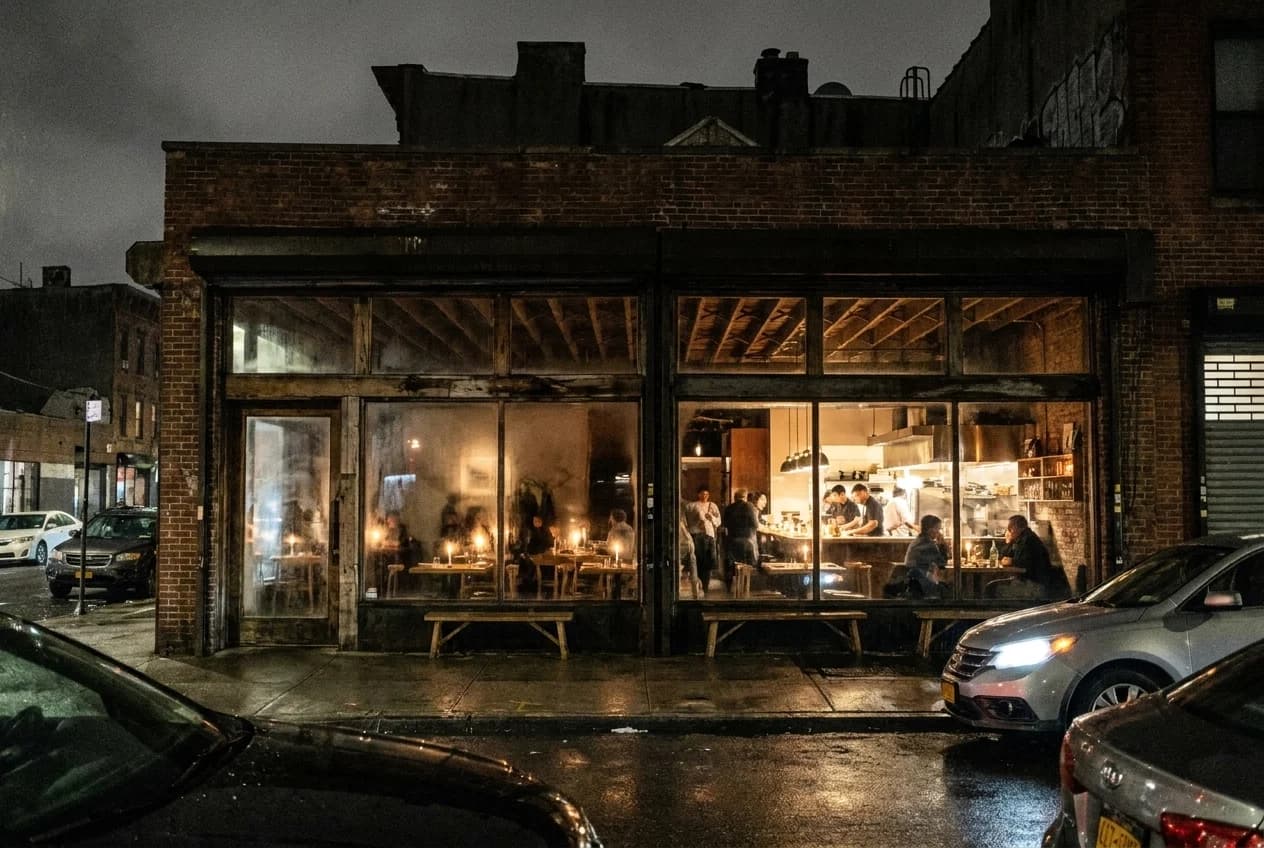
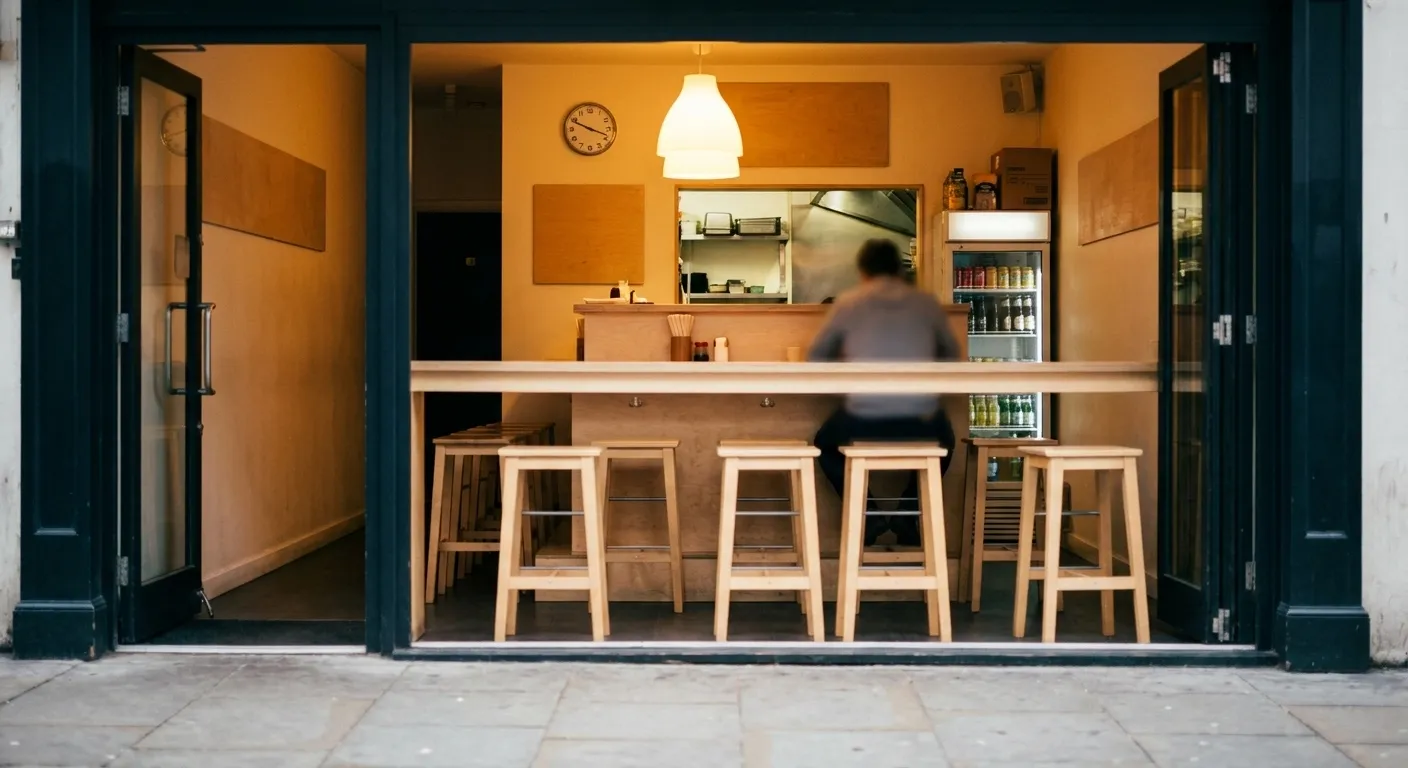
Two kinds of shop work in the West Village. The first is the small owner-operated counter with maybe twelve seats, no reservations, a short menu and a queue on the pavement - it survives because it is good enough that people wait in the cold on Bleecker.
The second is the hybrid izakaya that serves ramen alongside small plates and drinks. This is arguably the more sensible adaptation: the drinks carry the margin, the room can hold people for two hours instead of twenty minutes, and the ramen is the last thing you order rather than the whole visit. It is also the format most suited to how people actually use this neighbourhood.
The bowls worth the premium
Given that you are paying more here than you would three-quarters of a mile east, the bowls worth ordering are the ones where the kitchen is doing something specific rather than a competent tonkotsu. A properly clear shoyu, a shio with a good chicken base, or a tsukemen where thick cold noodles come separately for dipping into a concentrated broth.
Tsukemen in particular is a good West Village order because it survives conversation. The noodles are not sitting in hot broth going soft, so a bowl can last twenty-five minutes without deteriorating - which suits a neighbourhood where nobody is eating in fifteen minutes and leaving.
Navigating the streets
West Village addresses are genuinely difficult. The grid breaks down west of Sixth Avenue, West 4th Street crosses West 10th, West 11th and West 12th, and Waverly Place intersects itself. Phone navigation handles this badly and confidently, which is the worst combination.
The workable approach is to orient off the big streets - Seventh Avenue South, Sixth Avenue, Hudson and Bleecker - and to accept that the last two blocks will involve looking at building numbers. Christopher Street and Bleecker are the two spines most of the food sits near.
The hours problem
This neighbourhood closes earlier than its reputation suggests. Most kitchens here stop somewhere between ten and eleven on weeknights, and the late-night ramen counters that make the East Village useful at two in the morning largely do not exist on this side.
If a late bowl is what you want, the honest advice is to walk east. It is fifteen minutes on foot from Sheridan Square to St Marks Place, and that walk is the difference between a closed shutter and a counter that is still filling seats at half past one.
Making the neighbourhood work for you
The best use of ramen in the West Village is early rather than late. A bowl at six, before the restaurants fill and while the queues are short, then the rest of the evening spent in a neighbourhood that is genuinely one of the most pleasant in Manhattan to walk around after dark.
That inverts the usual order of things, where ramen is the thing you eat at the end. Here it works better as the start, largely because everything else about these blocks is better at nine in the evening than the ramen supply is.
Where the neighbourhood does win
It is worth saying that the West Village beats the East Village on one axis, which is the room. The good counters here are small, warm and quiet in a way that a twenty-eight-seat East Village shop with a queue outside cannot be, and eating alone at one of them on a wet evening is one of the better solo meals in Manhattan.
That is a real thing to optimise for and it is not what ramen rankings measure. If you are eating with one other person and want to hear them, the premium buys something. If you want the best possible bowl for the money and do not care about the room, it does not.
Tags: #WestVillage #Ramen #NewYorkCity #NYCFood #RamenNearMe #Manhattan #Tsukemen #NYCNeighborhoods #BleeckerStreet #NYCEats
All trademarks are the property of their respective owners.
Ask Karpo first
The West Village makes you work harder for a bowl than the East Village does, and the shops that survive there earn it. Ask Karpo what is open near you now and whether it is worth the walk east instead.