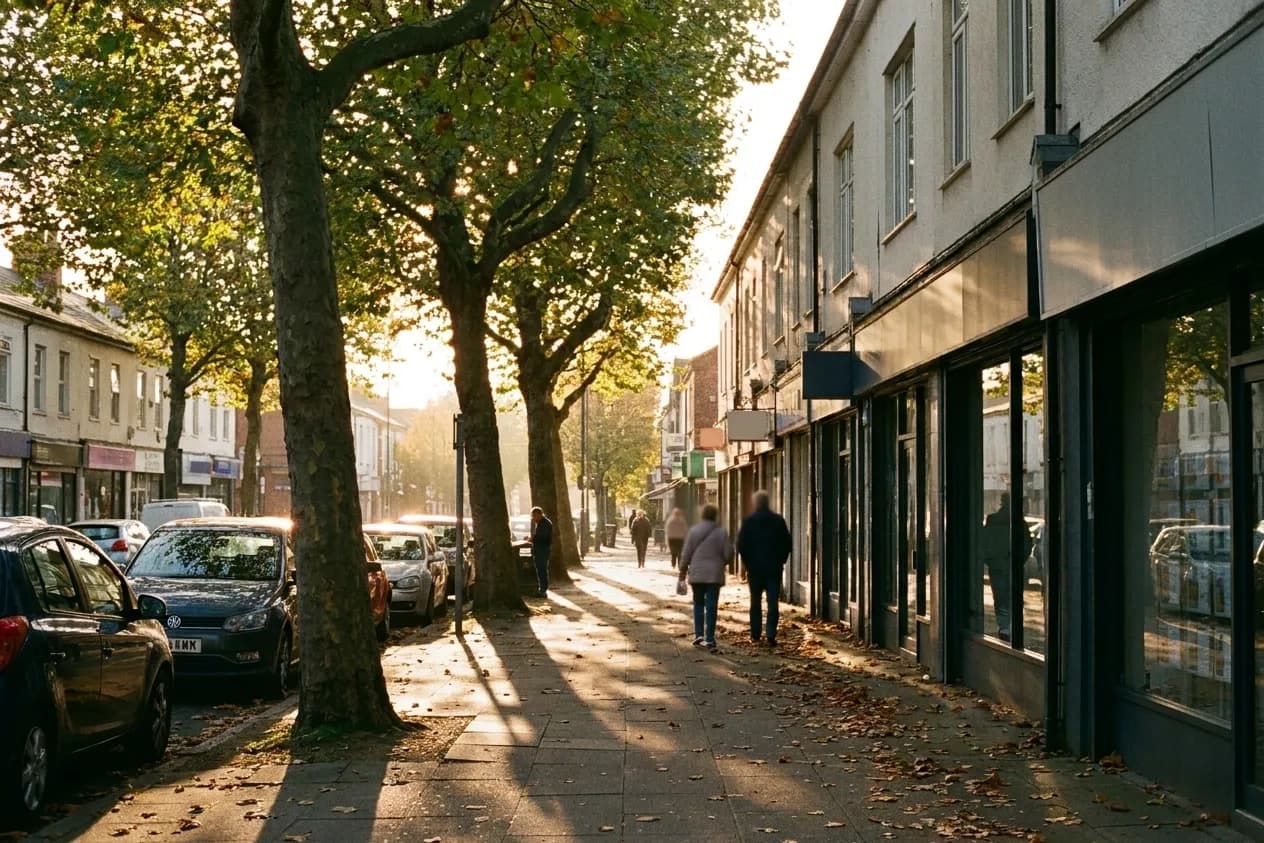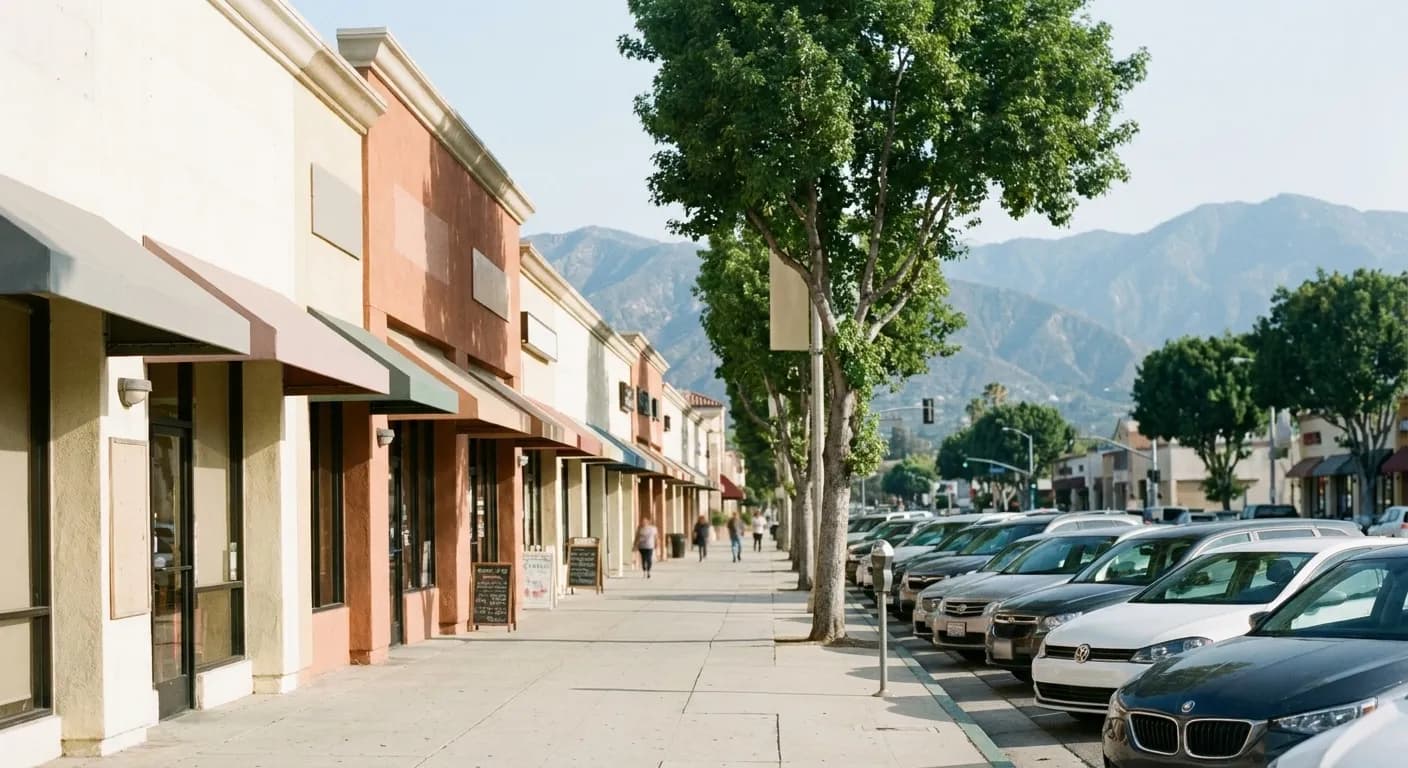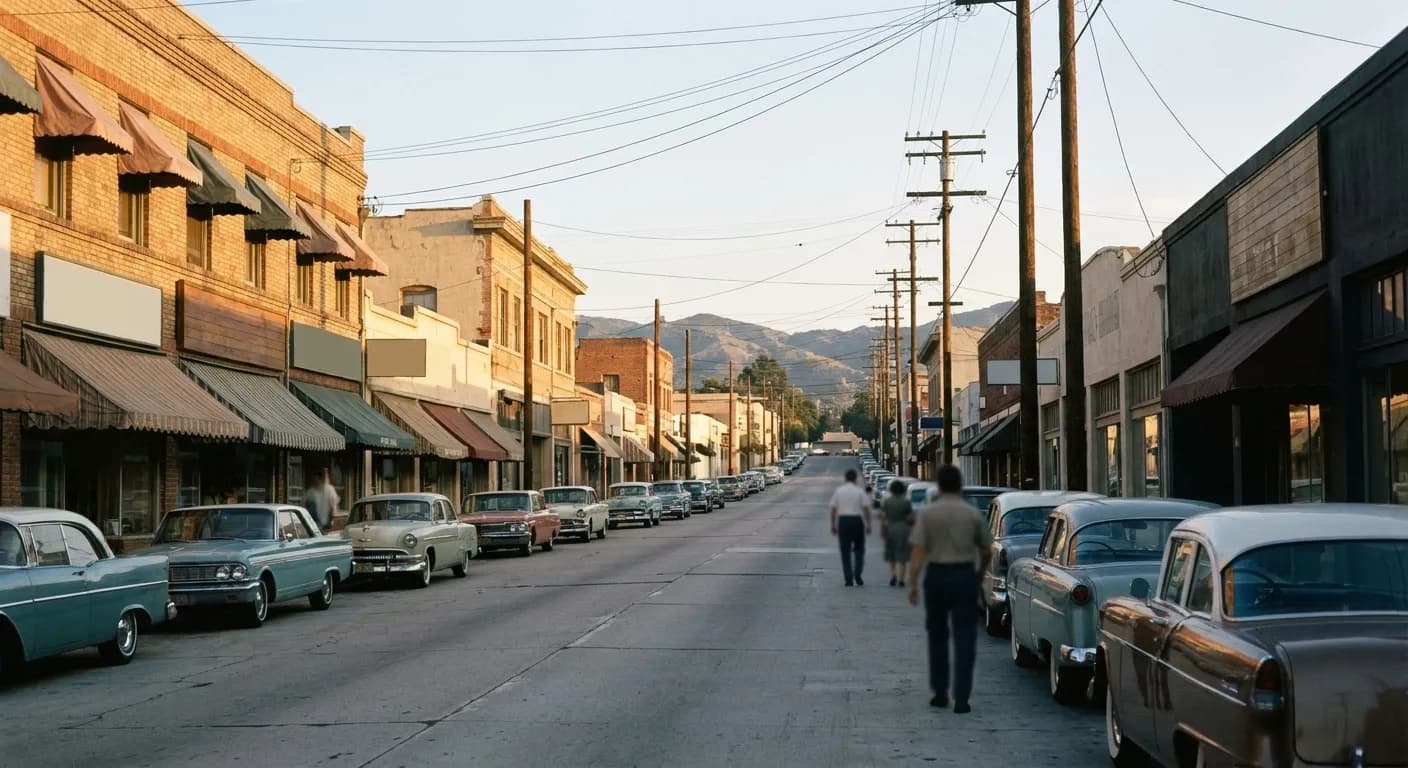
Highland Park has no historic connection to ramen. It is a northeast Los Angeles neighbourhood with deep Mexican and Central American roots, a Victorian housing stock, and a commercial strip along York Boulevard and Figueroa that has been changing fast for fifteen years. Ramen turned up there recently and for reasons that have nothing to do with the neighbourhood's own history - which is exactly what makes it worth writing about, because it shows how food actually spreads across this city rather than how people assume it does.
The strip is two long boulevards rather than a compact block, and half the interesting places keep hours that shift with the season. Tell Karpo which end you are on and it will tell you what is open and how far the next thing is.
How ramen got here
The mechanism is rent, not migration. Ramen is a low-margin, high-volume format that wants a small room and a counter, and neighbourhoods with a lot of small older commercial units and moderate rents are where new counters open. Highland Park had exactly that inventory when Sawtelle and Little Tokyo did not.
This is worth understanding because it predicts where the next ones will go. Food in Los Angeles follows commercial building stock at least as much as it follows communities, and the neighbourhoods with rows of small pre-war storefronts are where new formats appear first.
What that means for the bowls
A counter that opened here recently is not descended from a family tradition and is not trying to be. It is generally run by somebody who trained elsewhere and wanted their own small room, which produces a specific kind of cooking: fewer items, more attention per bowl, and a willingness to do a style that a larger operation would consider commercially risky.
In practice that often means a good shoyu or shio rather than a tonkotsu, because a lighter broth is what a cook makes when they want to demonstrate something. It also means the menu is short, which is generally a positive signal anywhere.
The geography of the strip
Two corridors matter: York Boulevard running east-west, and North Figueroa running roughly parallel to the south. They are about half a mile apart, which is walkable but not casually so, and each has its own character - York has more of the newer openings, Figueroa retains more of the older neighbourhood businesses.
The section of York between about Avenue 50 and Avenue 57 is the densest stretch and the one to walk if you are only doing one. It is also where parking is hardest, which is the trade.
What to order at a small counter
Whatever is at the top of a short menu, which at a room like this is almost always what the cook is proudest of. If there is a shio or a shoyu listed above the tonkotsu, that ordering is not accidental.
Ask for noodles firm if you eat slowly, take the egg, and skip most of the add-ons. Then eat it within fifteen minutes - the noodles start absorbing broth immediately and a bowl left for half an hour is a different and worse bowl. That is true at every price point.
What else the neighbourhood does better
Being honest about it: Highland Park's own food traditions are stronger than its imported ones. The Mexican and Central American cooking along Figueroa and on the side streets has been there for generations and is the actual reason to eat in this neighbourhood.
The right way to use the ramen counters here is as one option among several on a strip that also has excellent tacos, pupusas, bakeries and a couple of very good bars - not as a destination in itself. Nobody should drive across the city for ramen in Highland Park when Little Tokyo exists.
Timing and parking
The small counters here often close earlier than their equivalents in denser neighbourhoods - many by nine or ten, and several are closed one or two days a week. Checking before setting off is worth the thirty seconds.
Street parking on York is metered and contested in the evening; the residential streets either side are largely unrestricted but the hills make for a longer walk than the map suggests. The Metro L Line runs through Highland Park with a station a short walk from the York corridor, which is the easier option if you are coming from downtown or Pasadena.
The wider point
Highland Park is a useful illustration of something true across Los Angeles: the map of where a cuisine is good and the map of where its community lives have been drifting apart for two decades. Some of that is welcome and some of it is a symptom of neighbourhoods becoming expensive.
The practical version for anyone eating here is simply this - do not assume the best version of a thing is where you expect it, and do not assume a neighbourhood with no history of a dish cannot do it well. Both assumptions will cost you good meals in this county.
Two other things worth knowing about the strip
The bakeries are the underrated category here. Highland Park has both long-standing Mexican panaderias and a newer wave of bread and pastry shops, and between them the neighbourhood has better baked goods than most of the Westside at a fraction of the price.
And the bars on York close later than the kitchens do, which sets up the natural shape of an evening: eat early at a counter that shuts at nine, then stay on the same two blocks for a drink. It is one of the few parts of northeast Los Angeles where that works without moving the car.
Tags: #HighlandPark #Ramen #LosAngeles #LAFood #YorkBoulevard #NortheastLA #RamenNearMe #LANeighborhoods #LAEats #Figueroa
All trademarks are the property of their respective owners.
Ask Karpo first
Highland Park is not a ramen neighbourhood and has a couple of good bowls anyway. Ask Karpo what is open on the strip tonight and what else on the same block is worth eating.