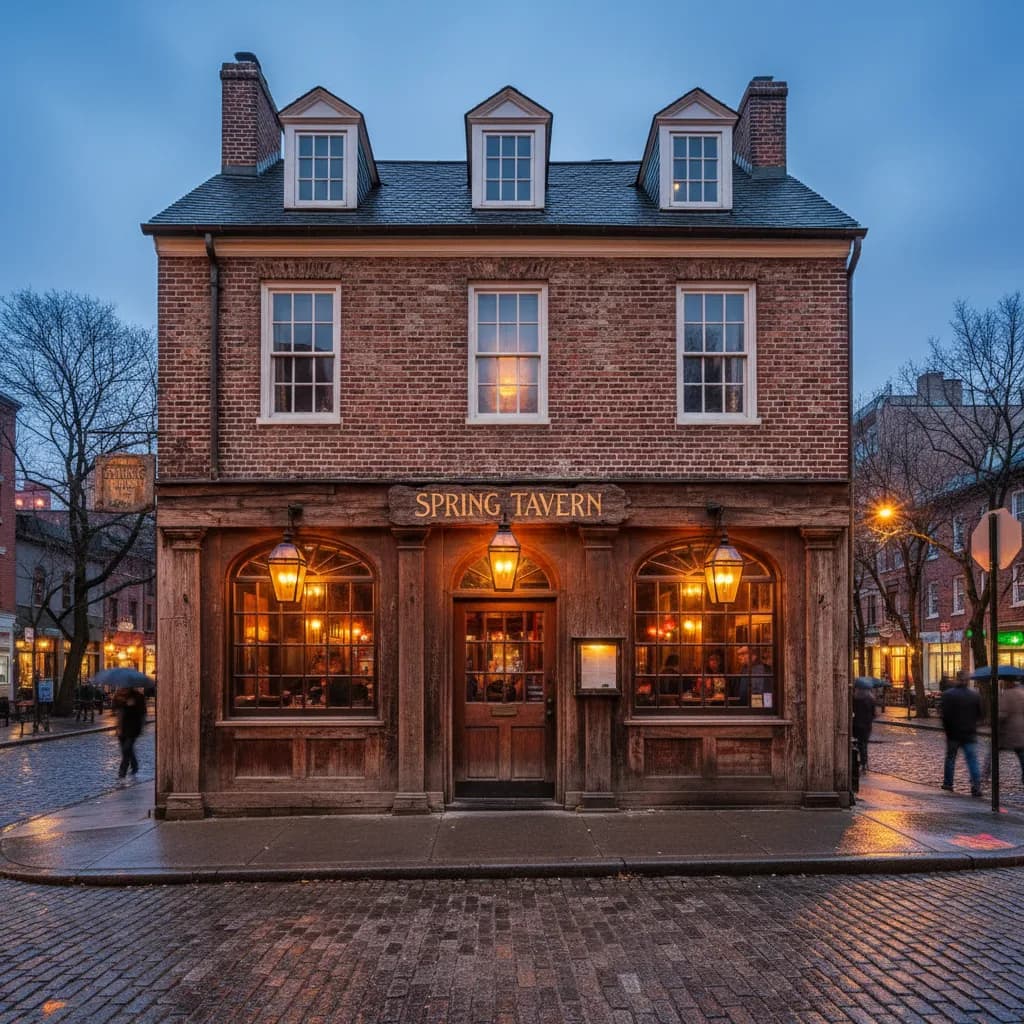
 The Ear Inn on Spring Street: Historic Bar Since 1817
Bars & Nights Out
Where to Build a No-Cab Friday Night That Still Feels Good by the End
A practical guide to stringing together a Friday night across walkable New York neighborhoods without burning through your budget on rides, cover charges, or regret by last call.
Friday night in New York poses a specific planning problem: you want momentum, variety, and the feeling that you squeezed something memorable out of the week, but you also don't want to check your bank app on Saturday morning and wince. The sharpest friction point is usually transportation. A single cross-borough Uber at surge pricing can cost what you budgeted for three drinks, and suddenly the night's math stops working. The better play is to pick a tight geographic cluster, move on foot, skip cover charges, and let the route itself create the arc. This isn't about settling for less—it's about building a night where the decision-making feels clean, the transitions are smooth, and you're not hemorrhaging money between stops.
Text Karpo at (646) 760-8955 to get routing help, real-time bar wait estimates, or a fallback list when your first choice is packed.
Start with a neighborhood anchor, not a wishlist
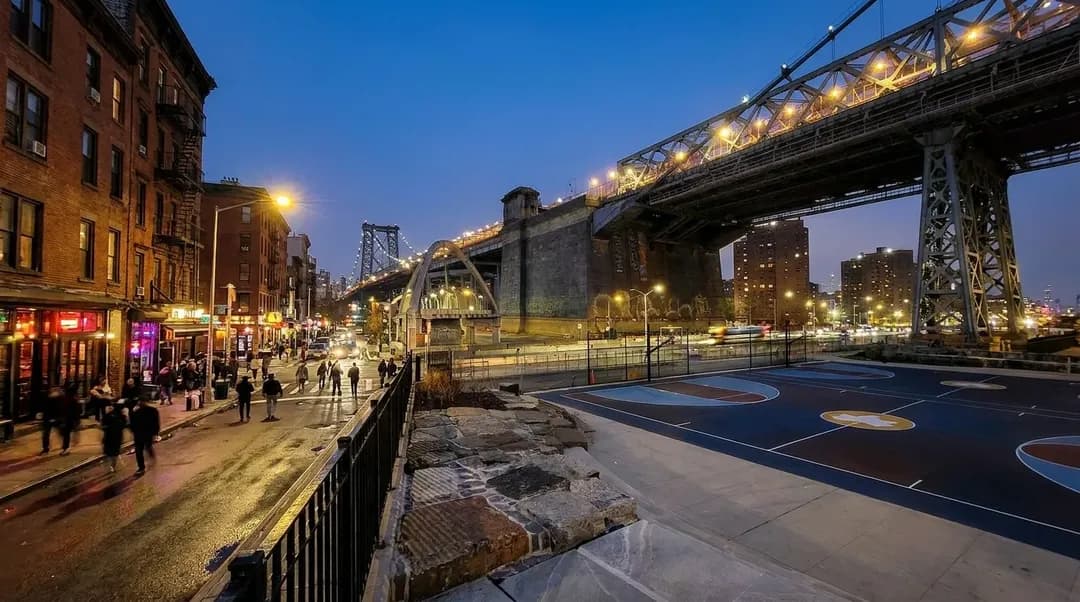
The mistake most people make is building a Friday night around three or four venues they've heard are good, scattered across Manhattan and Brooklyn, with no consideration for how they connect. That approach guarantees you'll spend twenty minutes on a corner trying to coordinate a ride while your group fractures. Instead, choose one neighborhood with density and walkability, then pick your anchor—the one place you actually care about hitting—and build outward from there. The Lower East Side and East Village remain the highest-probability zones for this strategy because the bar-to-bar distance is short, the vibe shifts meaningfully from block to block, and you can course-correct in real time without losing an hour.
According to current nightlife planning workflows, the most reliable Friday night structure is to choose one objective, one primary zone, and one nearby fallback before you leave your apartment. That means if your anchor is a specific cocktail bar on Ludlow, your fallback might be a no-cover spot three blocks north, and your late-night contingency is a 24-hour diner within the same grid. This isn't about rigidity—it's about having enough structure that you're not making high-stakes decisions at midnight when your judgment is compromised and your phone battery is at 12 percent.
Eliminate cover charges from the route entirely
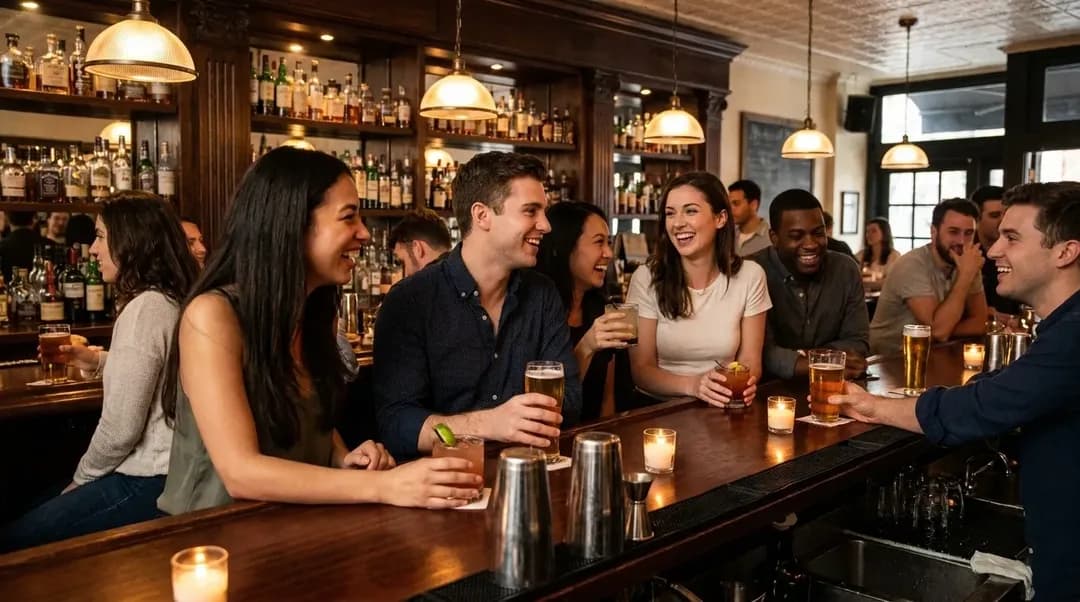
Cover charges are the fastest way to turn a manageable Friday into an expensive one, especially when you're moving between multiple spots. A $10 or $15 door fee might seem minor in isolation, but if you hit three venues, you've just added $30 to $45 per person before anyone's ordered a drink. The good news is that New York has a deep bench of quality bars with no cover charge, and many of them are more interesting than the places that do charge. The Delancey, for example, runs a multi-floor Friday night with no cover—reggaeton in the basement, Top 40 and EDM on the main floor—and it's a reliable anchor for groups who want energy without the door tax.
When you're mapping your route, cross-reference your list against no-cover databases and prioritize venues that don't charge entry. This isn't about avoiding clubs entirely—it's about being selective. If a venue charges cover and it's truly central to your night, fine, but don't let it become the default. The marginal experience upgrade from a cover-charge venue is often minimal, and the money you save can be reallocated toward better drinks, late-night food, or simply having a cushion so the night doesn't feel financially stressful. A night that feels good by the end is one where you didn't have to ration your last $40 across two hours.
Build in a mid-night reset point
One of the underrated moves in a no-cab Friday night is the deliberate reset—a 20- to 30-minute pause where you step out of the bar churn, recalibrate, and make an honest assessment of whether the next move is smart or just momentum-driven. This can be a slice stop, a park bench, a bodega where you grab water, or even just a quieter block where your group can talk without shouting. The reset serves two functions: it gives you a chance to check in on how people are actually feeling, and it prevents the common failure mode where you keep moving from bar to bar out of inertia until someone hits a wall and the whole night collapses.
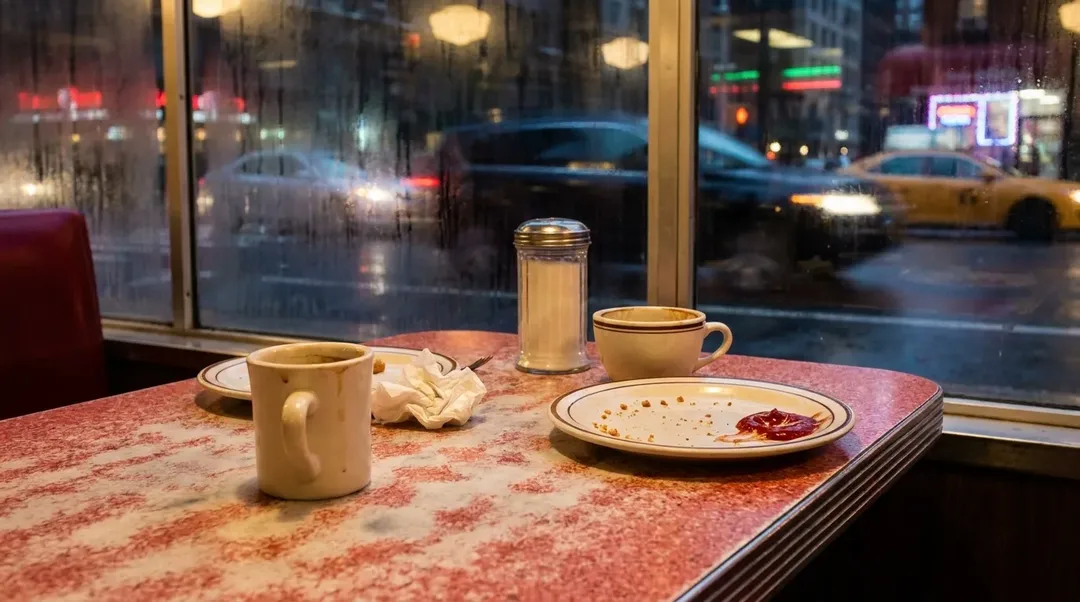
Practically, this means identifying a reset-friendly spot in your chosen neighborhood before you go out. In the East Village, that might be a 24-hour diner on Second Avenue. In Williamsburg, it could be a park near the waterfront. The key is that it's not another bar—it's a place where the tempo drops and you can make a clear-headed decision about whether to keep going or call it. This kind of structured pause is what separates a night that feels good by the end from one that tips into regret. You're not cutting the night short; you're giving yourself the option to end on a high note instead of limping to a finish.
End with a plan for the last hour
The final hour of a Friday night is where most plans fall apart. People get tired, venues get crowded, and the group consensus that held together earlier starts to fray. The move here is to pre-decide what the last hour looks like—whether that's a specific late-night spot, a food stop, or a clean exit strategy—so you're not improvising when everyone's decision-making capacity is lowest. If you've been moving through the Lower East Side, a late-night taco spot or a diner with table service can serve as a natural endpoint. If you've been in Brooklyn, a waterfront walk or a quieter bar with seating can do the same work.
The other consideration is transit timing. If you're planning to take the subway home, check the service status before you commit to a last stop. Friday night track work and weekend diversions are common, and finding out at 1:30 a.m. that your train isn't running is a fast way to turn a good night sour. Build in a 15-minute buffer for the trip home, and if you're in a group, make sure everyone knows the plan before you leave the final venue. A night that feels good by the end is one where the last memory isn't standing on a corner trying to figure out how to get home—it's a clean exit, a shared meal, or a quiet train ride where you're already replaying the highlights.
Practical Notes
- Choose one neighborhood with high bar density—Lower East Side, East Village, or Williamsburg—and stay within a 10-block radius to eliminate cab costs.
- Cross-reference your venue list against no-cover options; prioritize bars that don't charge entry to keep per-person costs predictable.
- Identify one mid-night reset point (diner, park, quieter block) where your group can pause, hydrate, and make a clear-headed decision about the next move.
- Pre-decide your last-hour plan—whether that's a late-night food stop, a final bar with seating, or a clean exit—before decision-making capacity drops.
- Check subway service status before committing to your final stop; Friday night track work and weekend diversions are common and can derail a smooth exit.
- Build a fallback list of two or three nearby alternatives in case your anchor venue is at capacity or the vibe doesn't match expectations.
- Keep your phone charged or bring a portable battery; real-time routing adjustments and transit checks depend on having a working device.
A no-cab Friday night that still feels good by the end isn't about lowering your standards—it's about raising your planning game. When you eliminate the friction points—scattered venues, cover charges, improvised transportation, and last-hour chaos—you create space for the night to actually work. The goal isn't to engineer every minute; it's to build enough structure that you can be spontaneous within a smart framework. That's the difference between a night you're glad you had and one you're still recovering from on Sunday.
Tags: #nycnightlife #fridaynightnyc #nocovernyc #budgetnightout #lowereastside #eastvillage #williamsburg #nycbars #walkablenyc #nightlifeplanning #nyclocals #barsofnyc
Sources consulted: Best Friday Night Spots in NYC (2026) | High-Probability Picks · Friday Night NYC: Best Things to Do, Neighborhood Plans & Tips (2026) · Best Bars in New York With No Cover Charge: Great Nights · FRIDAYS @The Delancey | NO COVER | 3 Floor to Party · Top 10 Best no cover club friday Near New York, New York - Yelp · The "Where Are People Going Out Now?" Guide - New York - The ...
All trademarks are the property of their respective owners.
Ask Karpo for more information.
Keep reading
- The Ear Inn on Spring Street: Historic Bar Since 1817
 Smalls Jazz Club: Greenwich Village Late-Night Sets
 Compagnie des Vins Surnaturels: SoHo's Best Wine Bar