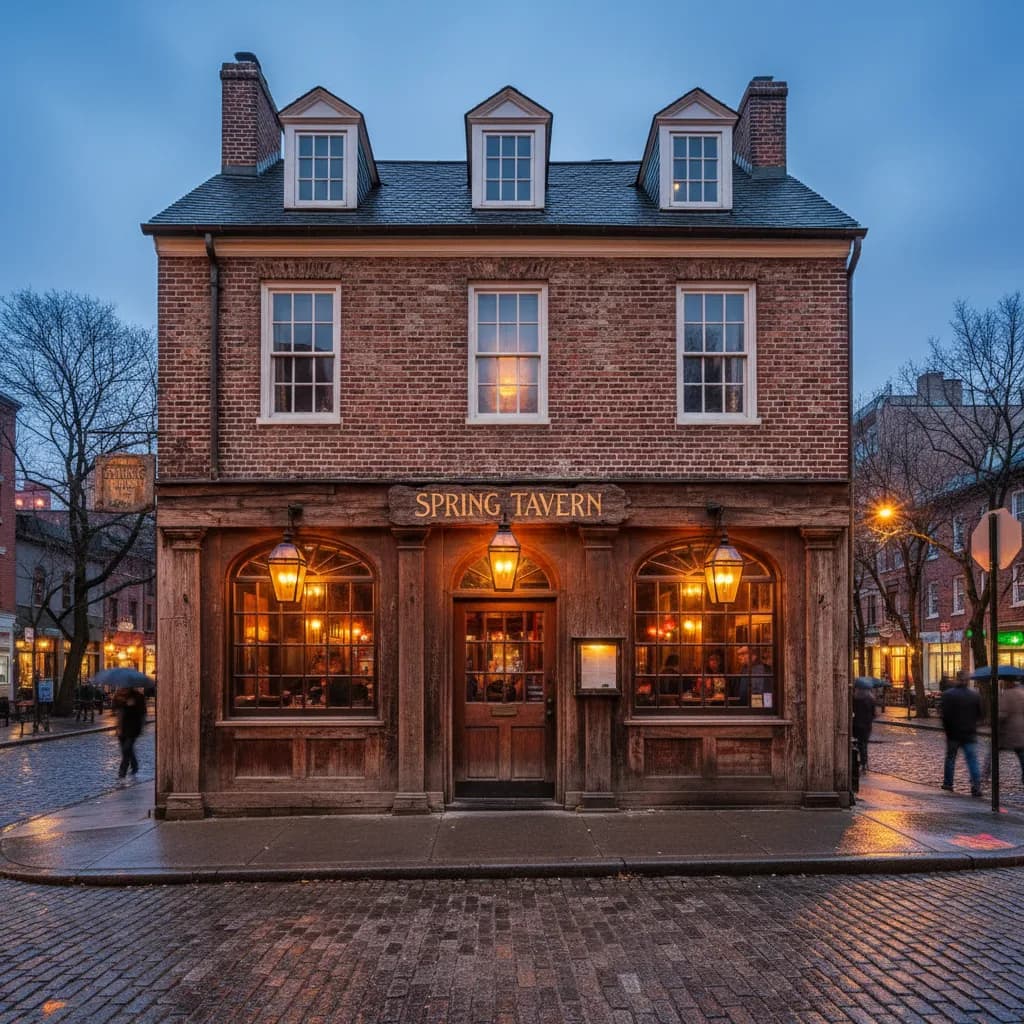
 The Ear Inn on Spring Street: Historic Bar Since 1817
Bars & Nights Out
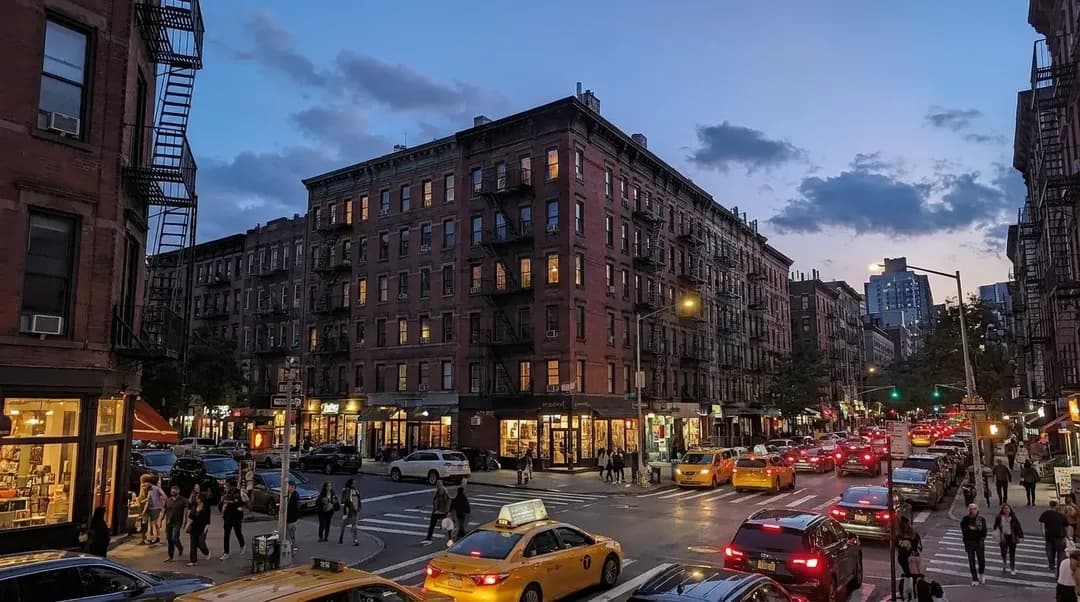
Where Locals Go in the East Village When They Want a Smaller Night Than Their Group Chat Suggests
Sometimes the best evening is the one that doesn't require coordinating seven schedules, waiting for tables, or ending at a warehouse in Bushwick at three in the morning.
The group chat lights up around Thursday afternoon. Someone floats a restaurant that needs reservations three weeks out, another suggests a bar crawl ending in Williamsburg, and by the time everyone's weighed in, it's Saturday and you're still at home. The East Village has always understood the appeal of the smaller night—the kind where you text one friend, meet at seven, and let the evening unfold without a shared Google Doc. The neighborhood's density of bars, music venues, and late-night spots means you can build a route on instinct rather than infrastructure, moving between places where locals linger over conversation rather than checking their phones for the next stop. It's not about avoiding people; it's about choosing an evening that doesn't require project management.
Text Karpo at (332) ASK-KARPO or message us on WhatsApp to get real-time bar recommendations, transit routing between East Village spots, or weather-adjusted backup plans when you want a night that actually happens.
Why the East Village Works for Unplanned Evenings
The East Village occupies a practical sweet spot for spontaneous nights: high venue density within a walkable grid, later kitchen hours than most Manhattan neighborhoods, and a bar culture that still values walk-ins over velvet ropes. According to neighborhood nightlife analysis, the area balances authenticity, range, and route efficiency better than most districts, which translates to fewer dead zones when you're moving between stops. The streets between First Avenue and Avenue A hold enough variety that you can pivot from a quiet wine bar to a louder music venue without backtracking or waiting for trains. This infrastructure matters when you're building a night in real time rather than following a pre-planned itinerary.
The neighborhood's layout also reduces the friction that kills smaller plans. Most East Village bars sit on ground-floor storefronts with visible interiors, so you can gauge crowd size and energy before committing. The absence of large-format venues—the kind that require advance tickets and security lines—means you're never locked into a single location for three hours. Real estate data shows the East Village remains cheaper per square foot than adjacent neighborhoods, which has preserved a mix of dive bars, neighborhood gastropubs, and independent venues that don't need to maximize every seat. For a Tuesday or Wednesday night when you want to be out but not committed, this density creates optionality that larger-format nights can't match.
Building a Route Without a Reservation
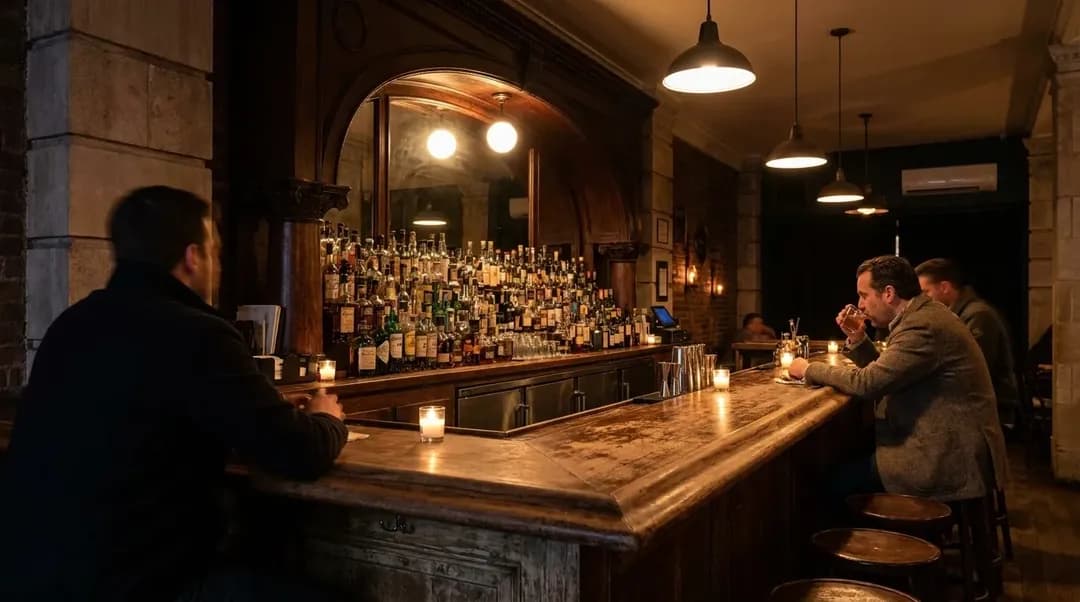
Start by choosing a rough geographic anchor rather than a specific venue. The blocks around St. Marks Place between Second and Third Avenues offer enough variety that you can adjust based on what looks appealing when you arrive. If you're meeting someone after work, the 6 train to Astor Place or the L to First Avenue puts you within three blocks of most options. Check the weather before you leave—the East Village rewards walking between spots, but a surprise rainstorm will compress your route to whatever's immediately available. Nightlife guides note that the neighborhood favors smaller stages and intimate clubs over large arenas, which means most venues don't publish set times or require advance planning. This works in your favor when you're building an evening around conversation rather than a headliner.
Consider starting earlier than a typical group night. Arriving at a bar around seven or eight means you'll find seating without waiting, and you can move to a second location before the post-dinner rush. The East Village's food scene supports this strategy—many bars serve late-night menus, so you're not forced to choose between dinner and drinks. If your first stop feels too quiet or too crowded, the next option is usually two blocks away. Local guides emphasize that the neighborhood's strength lies in places where locals linger over conversation, which means you won't feel pressured to vacate a table after an hour. This pacing creates space for the kind of night that extends naturally rather than following a fixed schedule.
What to Do When Your Solo Plan Becomes a Duo
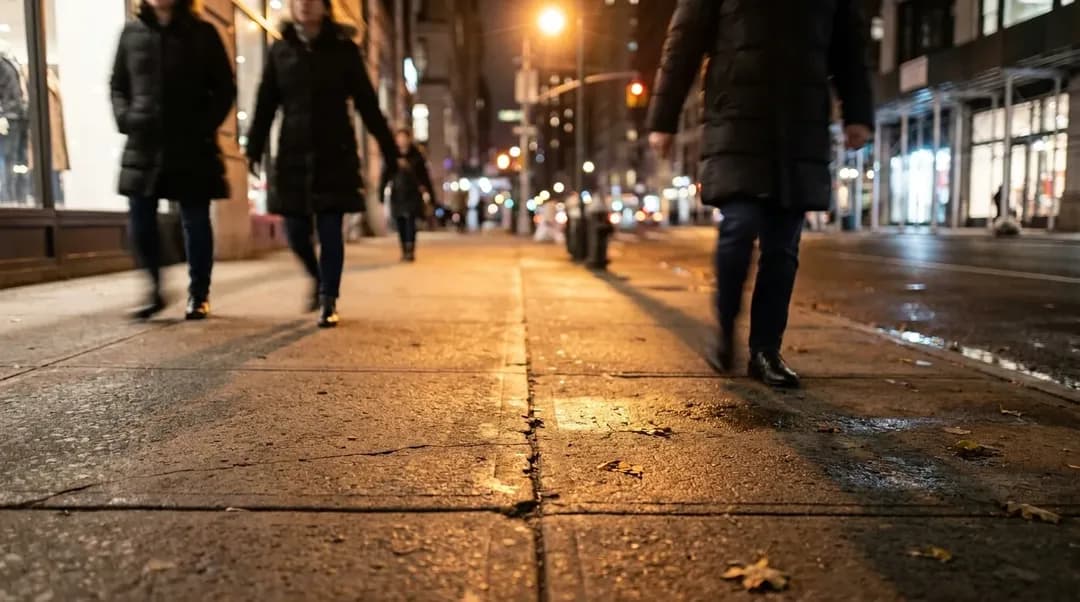
The smaller night often starts alone and picks up a second person mid-evening—a friend who finishes work late, a roommate who decides to join, or someone you run into on the street. The East Village accommodates this fluidity better than reservation-dependent neighborhoods. Most bars operate on a walk-in basis, and the ones that do take reservations rarely fill every table on weeknights. If you're already settled somewhere and want to stay, adding a second person doesn't require renegotiating with a host stand. If the vibe isn't right, moving together is easier than coordinating a group exit.
This flexibility extends to activity choices. The neighborhood's music venues and cultural spaces often host events that work equally well solo or with company. Community-focused events and experimental acts create shared experiences without requiring constant conversation, which helps when you're still deciding whether the night should be social or introspective. Bar culture in the East Village has shifted toward refined cocktail programs and neighborhood gastropubs that balance old dive-bar energy with newer hospitality trends, according to local nightlife analysis. This means you can find spaces that support both quiet conversation and livelier interaction without feeling like you've chosen the wrong venue. The key is maintaining optionality—keep your plans loose enough that adding or subtracting a person doesn't break the evening's logic.
When to Bail on the Group Chat Entirely
Some nights, the group chat becomes its own obstacle. The planning drags past the point where anyone's still excited, or the proposed itinerary requires more energy than you have. The East Village offers a practical alternative: go out anyway, alone or with whoever's actually ready. The neighborhood's reputation as a hub for NYC nightlife with excellent bars worth a detour means you're not sacrificing quality for spontaneity. The venues that draw repeat visits tend to be the ones that don't require a crowd to justify the trip—places where the bartender knows the regulars, the music selection reflects actual taste rather than algorithmic playlists, and the lighting is dim enough to feel like evening rather than an Instagram set.
Logistically, solo nights in the East Village require less advance work than group outings. You don't need to coordinate subway lines, negotiate restaurant preferences, or manage the person who's always thirty minutes late. Bring a book or a notebook if you want a buffer, but most East Village bars have enough ambient energy that sitting alone doesn't feel conspicuous. The neighborhood's creative energy and independent businesses create an environment where solitary presence reads as normal rather than sad. If the night expands—you strike up a conversation, run into someone you know, or decide to text that one friend who's always free—the infrastructure supports it. If it stays small, that works too. The group chat will still be there tomorrow, probably planning something that won't happen either.
Practical Notes
- Check MTA service alerts before heading out—weekend L train changes can add fifteen minutes to your trip from Brooklyn.
- Most East Village bars don't accept reservations for parties under four, so walk-in timing matters more than booking strategy.
- Carry cash for smaller venues and dive bars that still don't take cards reliably, especially on side streets east of Avenue A.
- If you're starting solo, choose a bar with counter seating rather than table service—it's easier to settle in and easier to leave.
- Tuesday through Thursday nights offer the best balance of open venues and manageable crowds without weekend energy.
- The blocks between First Avenue and Avenue A have the highest venue density, minimizing walk time between stops.
- Download offline maps before you go—cell service can be spotty in basement bars and underground music venues.
The smaller night isn't about lowering expectations—it's about matching your evening to your actual energy level rather than the group chat's collective ambition. The East Village's infrastructure of walkable bars, late kitchens, and venues that don't require advance planning creates space for nights that unfold naturally rather than following a predetermined script. Some evenings, the best plan is the one that doesn't need a plan at all. You show up, see what feels right, and leave when you're ready. The neighborhood rewards this approach because it was built by people who understood that not every night needs to be a production.
Tags: #eastvillage #nycnightlife #barsofnyc #smallernight #localnyc #manhattanbars #nyclocals #eastvillagebars #nycafterdark #solonight #spontaneousplans #nycneighborhoods #walkablenyc #nycbarscene
Sources consulted: East Village NYC: Ultimate Guide to Food, Music, Nightlife & Hidden ... · East Village Nightlife Guide | Bars, Music, Culture & Route Strategy · East Village NYC Guide: Food, Art, Nightlife & Local Tips · [East Village NYC Neighborhood Guide [2025] - Time Out](https://www.timeout.com/newyork/manhattan/east-village-manhattan-neighborhood-guide) · Best of the East Village 2026: Ultimate Local's Guide
All trademarks are the property of their respective owners.
Ask Karpo for more information.
Keep reading
- The Ear Inn on Spring Street: Historic Bar Since 1817
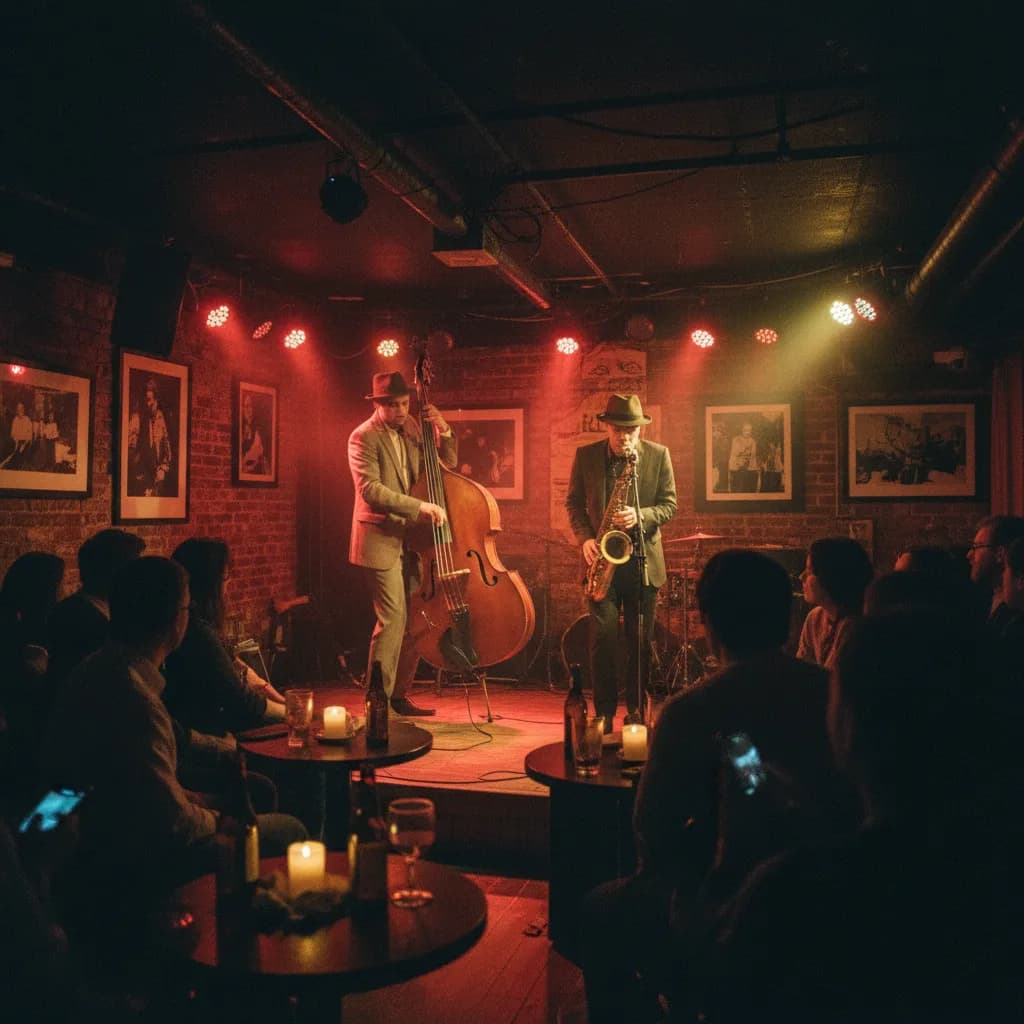 Smalls Jazz Club: Greenwich Village Late-Night Sets
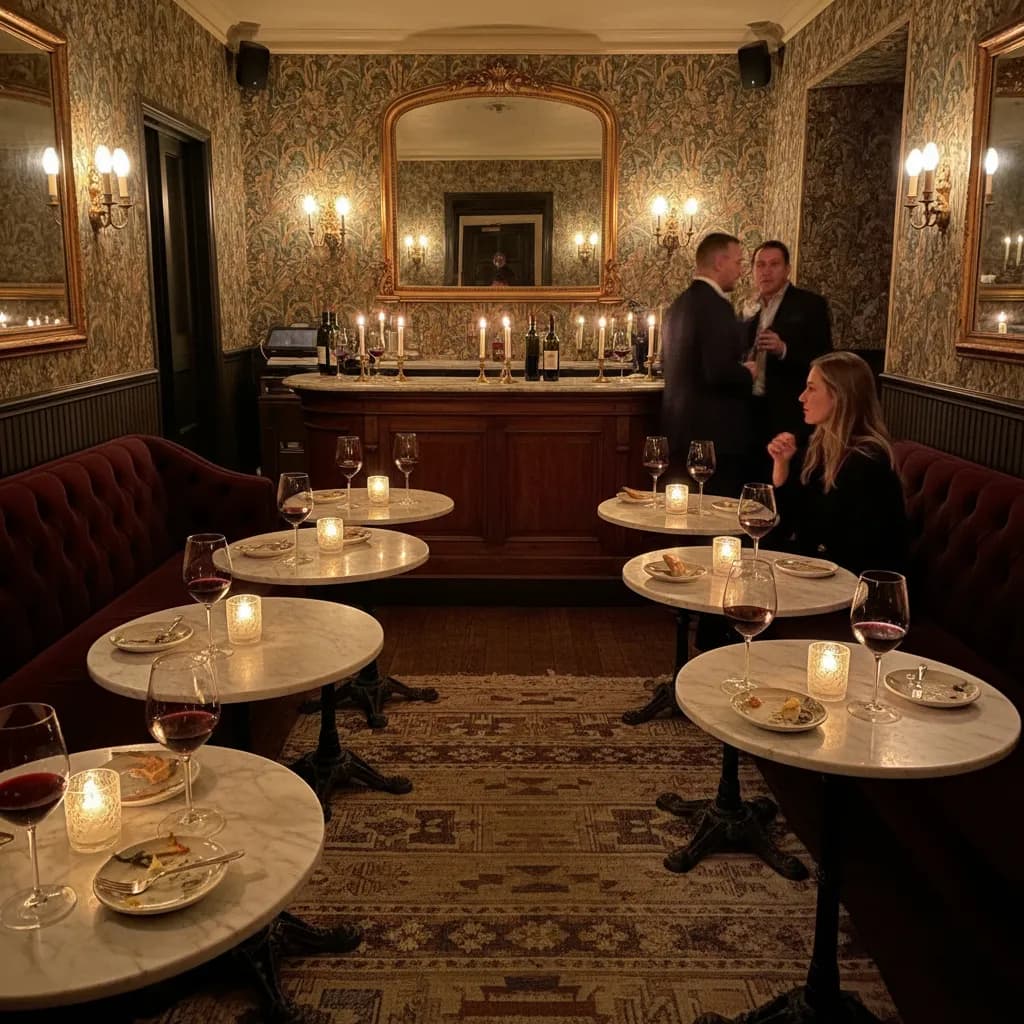 Compagnie des Vins Surnaturels: SoHo's Best Wine Bar