You walk into a Polish bakery on a Sunday night in February and find fifteen people sitting in near-silence, nursing coffees and watching zombies sprint across a projection screen hung above the pastry case. The smell is yeast and butter and something caramelizing in the back. Nobody's on their phone. This is how Greenpoint watches *The Last of Us*.
The bakery opens at six most mornings, but the real shift happens around eight on Sunday nights when the owner's daughter wheels out the projector and someone dims the overhead fluorescents. The HBO Max login belongs to a regular who works at the print shop two blocks over. The pastry case still has a few pączki left from the morning rush, and if you time it right, you can grab one of the apple fritters that come out of the oven around seven-thirty, still warm enough that the glaze hasn't fully set.
The Setup Feels Accidental But Isn't
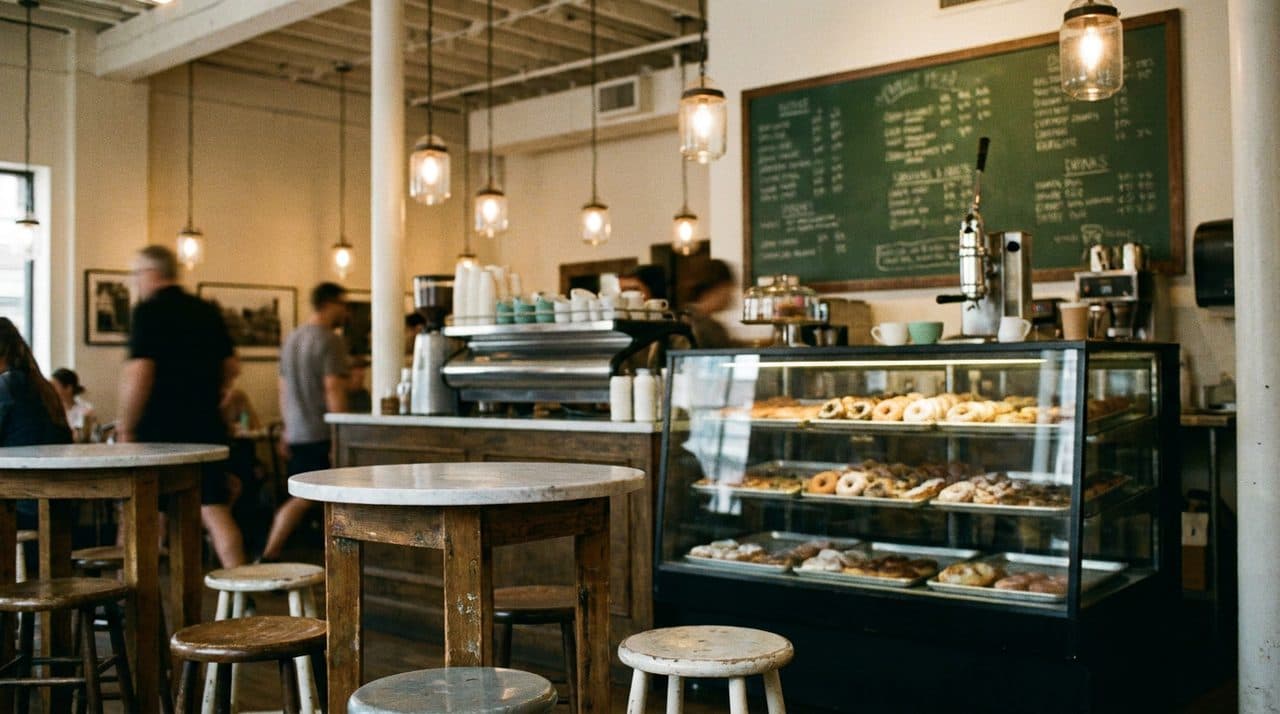
The projection screen is actually a white bedsheet thumbtacked to the wall, stretched tight enough that you don't notice the wrinkles once the episode starts. Sound comes through a Bluetooth speaker duct-taped to a shelf behind the counter, which gives dialogue a slight hollow quality that somehow works for a post-apocalyptic show. Three small tables and a wooden bench along the window make up the seating, plus two stools at a narrow counter facing the street. People arrive between seven-forty-five and eight-fifteen, claim their spots without much discussion, and settle in with whatever they've ordered.
The crowd skews thirties and forties, a mix of couples and solo viewers who've clearly done this before. There's an unspoken agreement about silence during key scenes and low murmurs during the quieter moments. Someone always laughs at the same beats, a quick exhale more than a full laugh. The baker himself—second generation, took over from his father—watches from behind the counter during the cold opens, then disappears into the kitchen when the title sequence hits.
What You Should Order and When
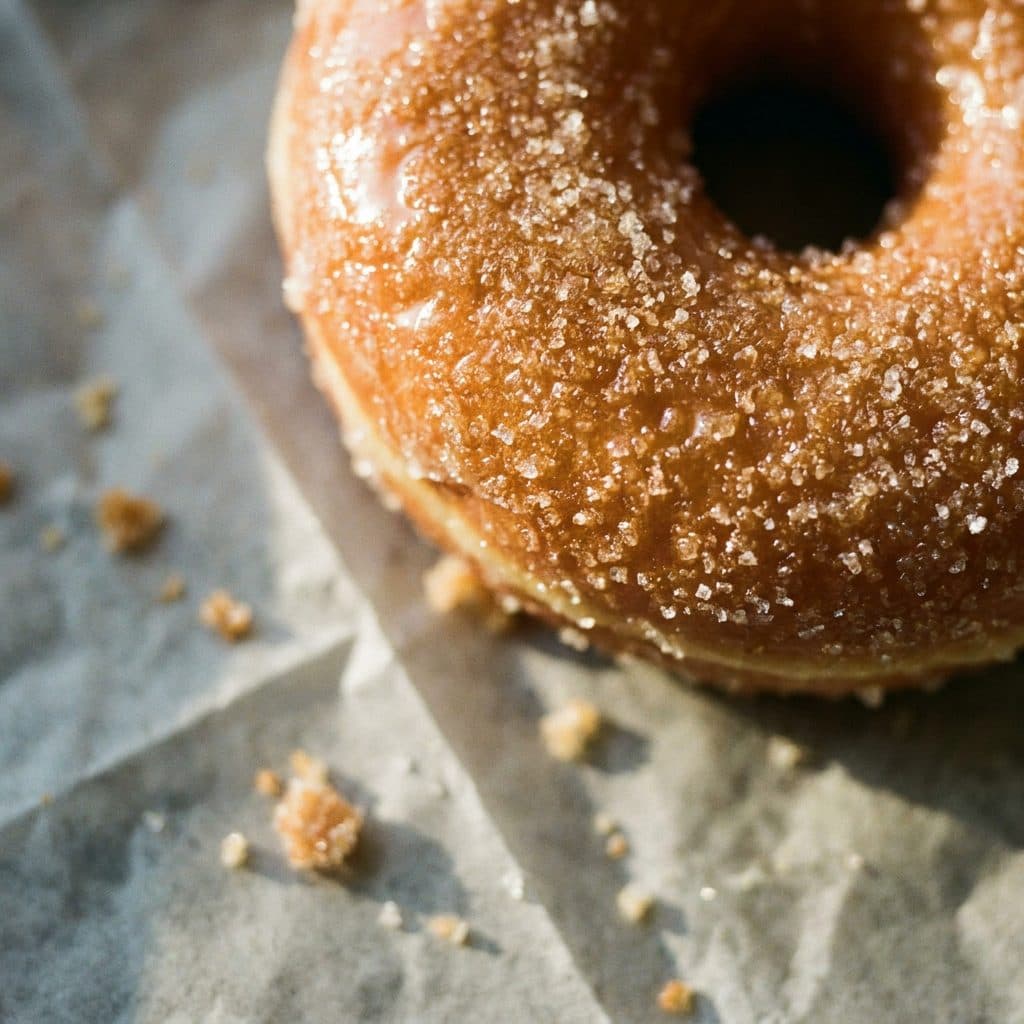
The coffee is Polish-style strong, served in small cups with a sugar cube on the side, and it's the only thing anyone orders after eight. Before the episode starts, you have a narrow window to grab food. The pączki are traditional—rose hip filling, plum, custard—and they're gone by noon most days, but Sunday's batch is smaller and hangs around longer. The apple fritters are less traditional, an addition from about five years ago, and they're massive, palm-sized, with chunks of actual apple and a cinnamon-forward glaze that stays sticky.
If you want something savory, there are cheese-stuffed rolls that come out around six and sit under a heat lamp until they're gone. They're dense, the kind of thing that keeps you full through a seventy-minute episode without needing a second order. The baker's wife makes them in the morning, and you can tell which batch is hers versus her daughter's by the amount of caraway seed in the dough. More caraway means mom was working that day.
The Rhythm of the Room Shifts With the Episode
During action sequences, everyone leans forward slightly. You notice it if you're watching the crowd instead of the screen—a collective tensing, coffee cups set down, arms crossed or hands pressed together. When the camera lingers on landscape shots or slower character moments, people resettle, reach for their drinks, glance at their companions. There's a regular who always sits on the bench by the window, older guy with a canvas jacket, and he closes his eyes during the infected scenes, just listens to the sound design. Opens them again when the music changes.
The daughter who runs the projection setup watches from the stool behind the register, laptop open in case the stream buffers. It rarely does. The internet here is surprisingly solid, probably because the building's been recently rewired. Between episodes—when someone's staying for the post-show discussion or a second season rewatch—she switches to a playlist that's all Eastern European folk music, which creates a strange tonal shift after an hour of survival horror.
Why This Works Better Than Your Living Room
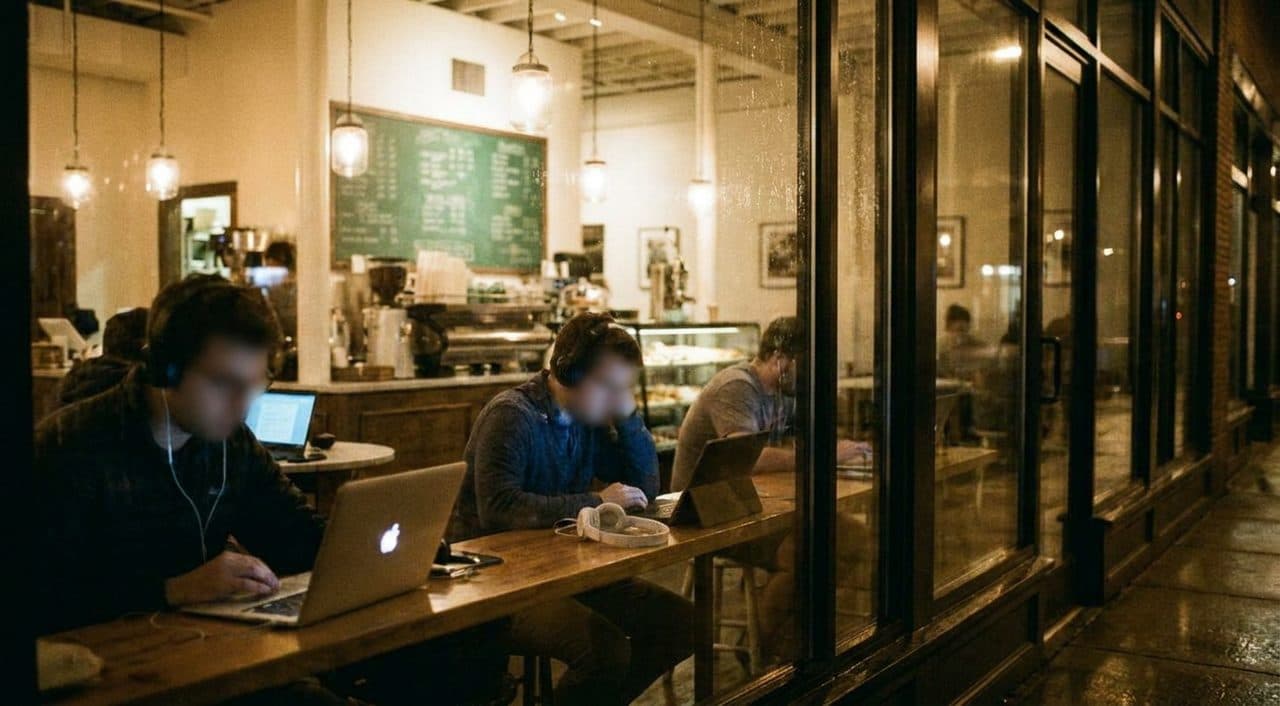
There's something about watching prestige TV in a semi-public space that changes how you process it. You can't pause to check your phone or look up an actor's filmography or skip ahead thirty seconds because you're anxious about a character. You're locked into the communal pace, and that makes the tension land differently. The bakery's layout helps—the screen is large enough that you're not squinting, but small enough that it still feels intimate, like someone's basement setup scaled up slightly.
The temperature in the room matters too. It's always a bit warm from the ovens running all day, warm enough that you unzip your coat but keep it on. That low-level physical comfort makes you stay longer than you planned. After the episode ends, people don't rush out. They finish their coffee, talk quietly about what just happened, sometimes order another pastry even though the case is mostly empty by then. The baker's wife comes out from the back and asks what people thought, genuinely curious, and someone always has a theory about where the season's heading.
The Crowd Includes People You Wouldn't Expect
There's a cluster of younger viewers—mid-twenties, probably—who show up in pairs and always take the table closest to the screen. They're the most vocal reactors, the ones who gasp at jump scares and groan at cliffhangers. A few older Polish residents come for the coffee and stay for the show, even though they're not gamers and didn't know the source material. One regular brings her teenage son every other week, and they sit at opposite ends of the bench, watching separately but together.
You also get the occasional drop-in, someone who was walking past and saw the glow of the screen through the window and decided to see what was happening. The baker doesn't turn anyone away as long as there's space, but he also doesn't advertise. No Instagram posts, no flyers, no mention on the bakery's minimal web presence. It's spread entirely by word of mouth and neighborhood observation, which keeps the crowd small enough that it never feels crowded.
Practical Notes
The bakery is on the Greenpoint side of McGolrick Park, close enough to the G train that you can walk it in under ten minutes. Arrive by eight if you want a seat, earlier if you want food options. The screening happens most Sunday nights during active seasons, though it's worth checking the week of to confirm. No cover, no minimum, just order something and claim your spot. Street parking is tough but the surrounding blocks usually have space after seven. Cash is easier than card, though they take both. The bathroom is single-occupancy and requires asking for a key.
Tags: #LastOfUs #GreenpointNYC #TVScreenings #PolishBakery #BrooklynEats #NeighborhoodSpots #PullUpAChair #LocalGems #CommunityViewing #BakeryLife #NYCInsider #PrestigeTV #SundayNights #GreenpointFinds #BrooklynCulture
Sources consulted: eater.com · timeout.com · infatuation.com
All trademarks are the property of their respective owners.