You step off the free IKEA ferry at Red Hook and instead of heading straight to the big blue box, you hang a left toward the old warehouse district where something unexpected happens on match days. Fans from Norway and Morocco—and half a dozen other countries—claim corners of the waterfront with tablets propped on milk crates, extension cords snaking from loading docks, and a quiet determination to watch their teams without spending a cent in a sports bar.
The Cobblestone Congregation Outside the Old Coffee Warehouse
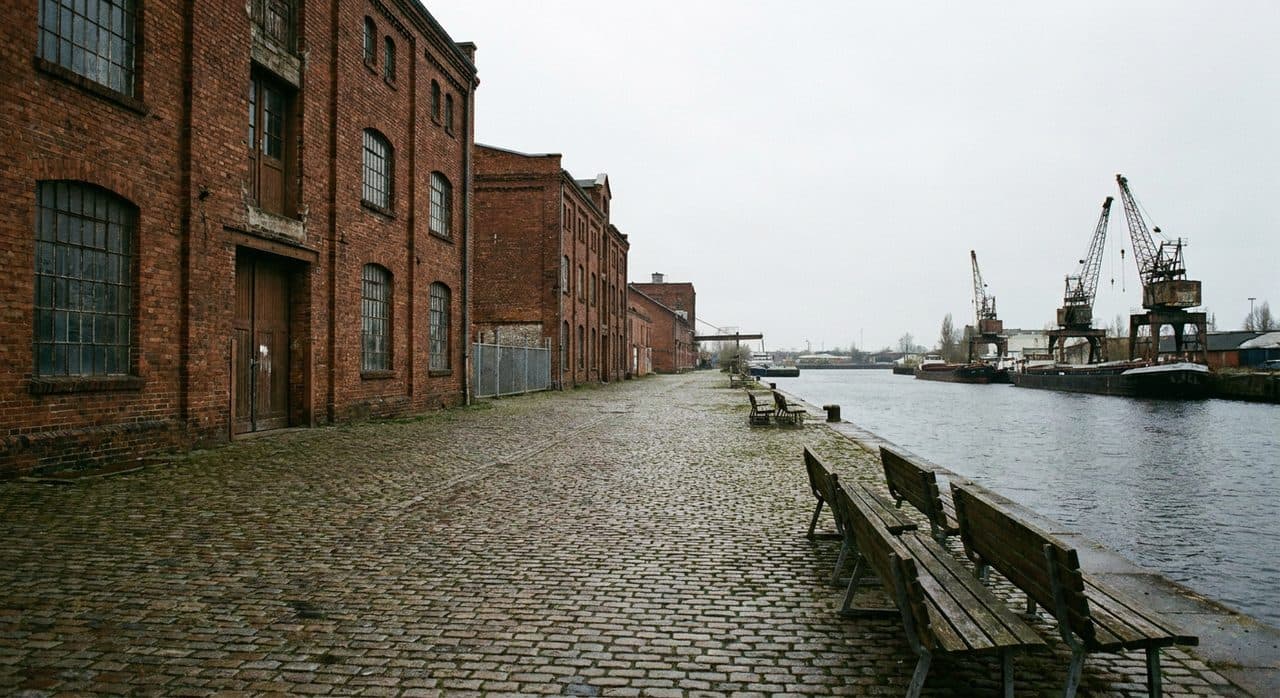
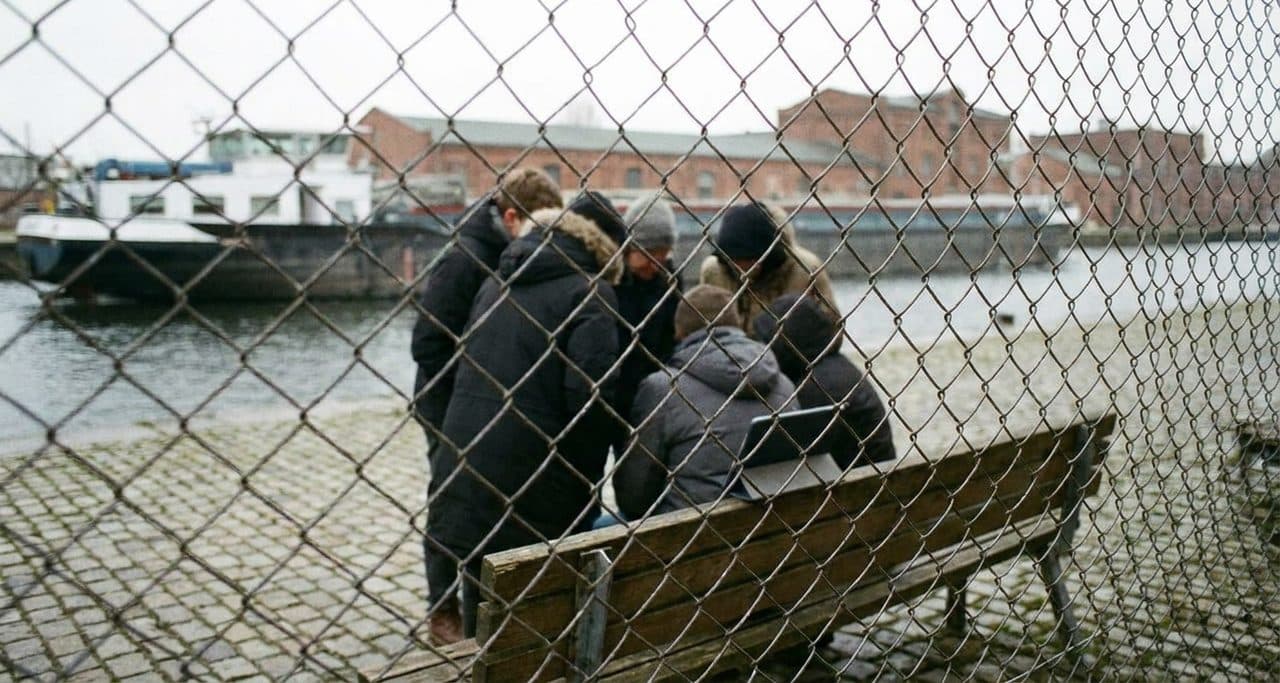
The courtyard between Van Brunt and the water becomes an accidental stadium when matches overlap with decent weather. You'll find Moroccan families spreading blankets on the uneven cobblestones, someone's nephew holding an iPad at exactly the right angle to catch both the game and enough shade to see the screen. The sound bounces weird off the brick—cheers echo twice, first live then a half-second later off the warehouse wall. By halftime there's always mint tea in thermoses making the rounds, poured into actual glasses people brought from home, and the smell cuts through the salt air and diesel from the trucks still using the active loading bays. The Norwegian contingent tends to cluster near the chain-link fence where you can lean without sitting, wearing those red-white-and-blue supporter scarves even in seventy-degree heat, streaming on phones with cracked screens and battery packs duct-taped to belt loops.
Where the Dock Workers Share Their Outlets

Walk past the marine repair shop toward the working piers and you'll spot the real infrastructure that makes this possible. There's a loading dock with outlets installed on the exterior wall—originally for power tools, now the most coveted real estate on match days. The dock workers don't officially allow it, but they don't stop it either, and there's an unspoken protocol: you can plug in one device, you don't block the actual work happening, and if someone needs the power for a grinder or drill, you unplug without complaint. The concrete dock stays cool even when the sun's directly overhead, and people sit with their backs against the corrugated metal wall, legs dangling over the edge, tablets balanced on knees. You hear the game in four languages simultaneously—Arabic commentary from one screen, Norwegian from another, English from a third, and someone's grandmother providing her own play-by-play in a dialect you can't place but absolutely understand from her tone.
The Bench Geography Along the Waterfront Path
The benches facing the harbor have their own hierarchy. The one nearest the old grain terminal has the best sight lines to lower Manhattan but catches wind that makes it impossible to hear commentary without earbuds. The middle bench, the one with the dedication plaque nobody reads, has a slight lean that feels wrong for the first ten minutes then becomes the most comfortable spot for a ninety-minute match. By the time kickoff approaches, every bench has its claimed group—Norwegians tend toward the north end, Moroccans anchor the south, and there's a rotating cast of Senegalese, Egyptian, and Croatian fans filling the gaps depending on who's playing. Someone always brings a Bluetooth speaker, and there's always a brief negotiation about volume before settling on just-loud-enough. The seagulls time their scavenging to halftime, bold enough to snatch crumbs from paper bags while everyone's distracted by replays.
The Bodega Halftime Economy
The bodega on Van Brunt—you'll know it by the faded Coca-Cola sign and the cat sleeping in the window—does more business during World Cup matches than any random summer Saturday. The owner stocks up on specific items once he figured out the pattern: Norwegian fans buy those dried fish snacks and Freia chocolate bars he special-orders, Moroccan families grab the good dates and the Turkish cookies from the back shelf. At halftime there's a line out the door, everyone calculating whether they have time to grab supplies and make it back before the second half starts. The bodega cat doesn't move for anyone, and you'll see grown men in supporter jerseys carefully stepping over her while juggling armfuls of drinks and snacks. Prices stay regular—no match-day markup, no gouging—which is probably why people keep coming back instead of hitting the fancy provisions shop two blocks over.
When the Ferry Schedule Dictates Extra Time
The ferry runs every half hour, and that timing creates its own drama. If a match goes to extra time or penalties, you watch people doing mental math: catch the next ferry and miss the end, or stay for the finish and wait another thirty minutes in the heat. Most stay. There's something about watching on a tablet balanced on a weathered bench, surrounded by strangers who became temporary family through ninety minutes of shared anxiety, that makes leaving early feel like betrayal. After the final whistle, win or lose, people pack up slowly—coiling extension cords, shaking out blankets, checking that they've got all their battery packs. The walk back to the ferry terminal is quieter, everyone processing the result, and you'll see Norwegian and Moroccan fans talking to each other in broken English about that one call, that missed opportunity, the goalkeeper's save in the seventy-third minute.
The Regulars Who Aren't Regulars
You start recognizing faces after a few matches, even though nobody's actually a regular because the whole thing only happens when games align with ferry schedules and decent weather. There's the older Moroccan man who brings a folding chair that's seen better days and always offers his phone charger to anyone who needs it. The Norwegian woman in her sixties who wears a different vintage jersey each match and knows statistics going back to the eighties. The Egyptian guy who roots for whoever's playing against Europe, loudly, with creative commentary that makes even opposing fans laugh. They're not here every time, but when they show up, it feels more official, more real, like this improvised waterfront stadium has its own mythology building in real time.
Practical Notes
The IKEA ferry runs from Pier 11 in Manhattan and docks at the Fairway/IKEA terminal in Red Hook. Service typically runs late morning through early evening on weekends and more limited weekday schedules. The walk to the warehouse district and waterfront benches takes about ten minutes from the ferry dock—head away from IKEA toward Van Brunt Street and follow it south toward the working piers. Bring your own device, headphones, and battery pack. The bodega mentioned is a short walk from the main viewing areas. Weather matters—this whole scene evaporates in rain or extreme heat. Check ferry schedules before you go, especially if you're trying to catch a specific match time. No reservations, no tickets, no official anything—just show up and find your spot.
Tags: #RedHook #FreeNYC #WorldCupViewing #BrooklynWaterfront #IKEAFerry #NYCOnABudget #SoccerCulture #DiasporaLife #HiddenBrooklyn #WaterfrontNYC #RedHookBrooklyn #FreeSportsViewing #NYCInsider #BrooklynSecrets #KarposFinds
Sources consulted: timeout.com · ny.curbed.com · nycgovparks.org
All trademarks are the property of their respective owners.