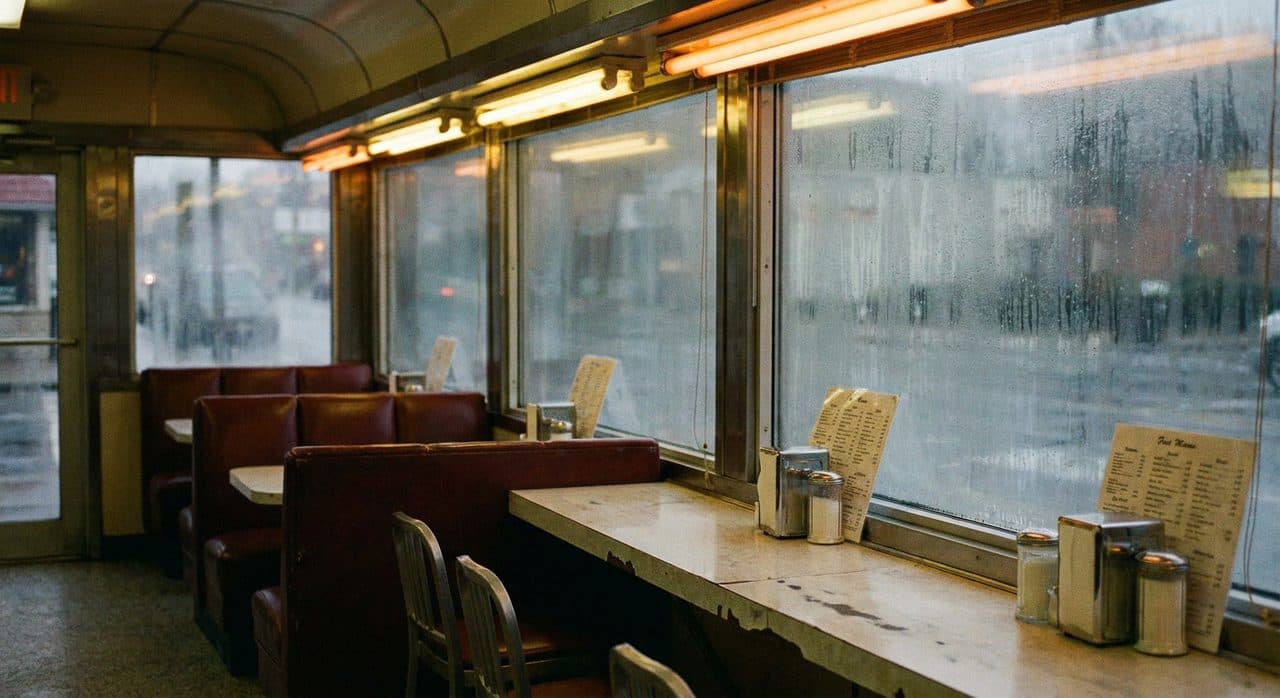
You find the place around 1 a.m. when the Mariners are in the seventh and most of Astoria has already rolled up its sidewalks. The fluorescent glow spills onto the pavement somewhere off Ditmars, and inside the booths are half-full with night shift workers, insomniacs, and a surprising cluster of people in teal caps tracking pitch counts on the overhead screens. This Greek diner doesn't advertise itself as a baseball bar, but three nights a week during West Coast road trips, it becomes exactly that.
The Accidental Geography of Late Baseball
The owner's nephew grew up in Seattle before moving back to help run the family business. That's the entire origin story. He convinced his uncle to keep one TV permanently tuned to MLB Network, and when the Mariners started their rebuild years back, a few displaced Pacific Northwest transplants started trickling in after midnight. Now you'll find them in the back corner booths, the ones with the slightly better sightlines to the screen mounted above the pie case. The Tigers fans showed up more recently—Detroit has a weirdly loyal expat community in western Queens—and they've claimed the counter seats where the angle works better for the second TV. Nobody planned this geography. It just calcified over a couple seasons until everyone knew where to sit.
What the Kitchen Smells Like at This Hour
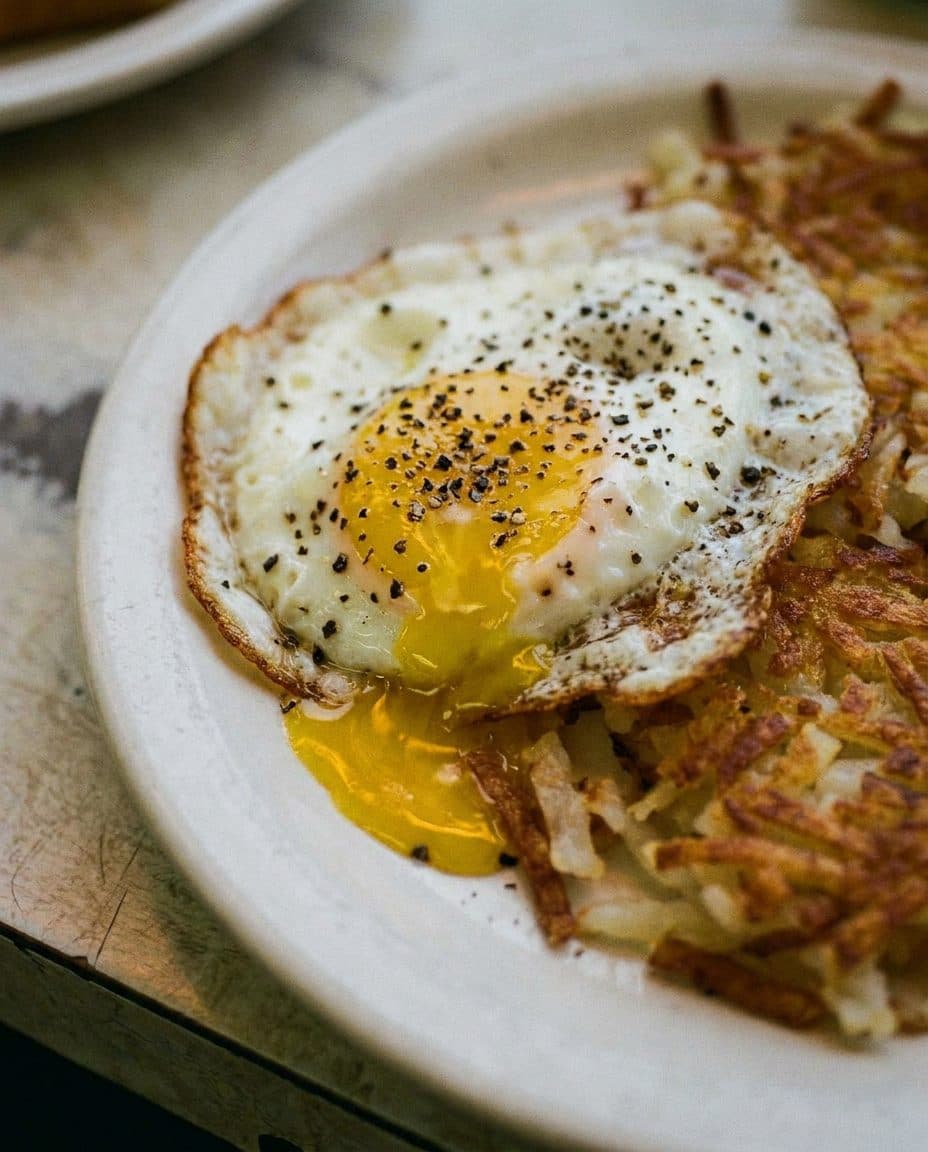
The fryer's been going since the dinner rush twelve hours earlier, so there's a permanent haze of oil and oregano that hits you the moment you push through the door. But around the second or third inning, when the late-night cook starts prepping breakfast components for the pre-dawn crowd, you get these competing layers—the char of gyro meat against the butter browning for someone's eggs, coffee brewing in industrial quantities, the faint sweetness of honey from a baklava tray someone just restocked. It's disorienting in the best way, this collision of Greek-American diner logic and West Coast game time. You order dinner at 1:30 a.m. and the guy two stools down is already working through a short stack.
The Rhythm Section
There's a particular type of regular who shows up here, and you learn to read the room by their patterns. The MTA workers on meal break scroll their phones and barely glance at the game. The college kid in the Griffey throwback jersey keeps score in a pocket notebook, the old-school way, pencil scratches audible during quiet at-bats. When someone reaches base, the energy ticks up just slightly—a fork pauses mid-air, someone mutters at the screen, the cook leans out from the kitchen to check the count. It's not a sports bar roar. It's the low hum of people who chose to be awake for this, who structured their night around nine innings that won't finish until the sky starts changing color over the East River. The communal exhale when a reliever finally closes it out feels earned in a way stadium crowds never quite capture.
The Menu Logic of Sustained Attention
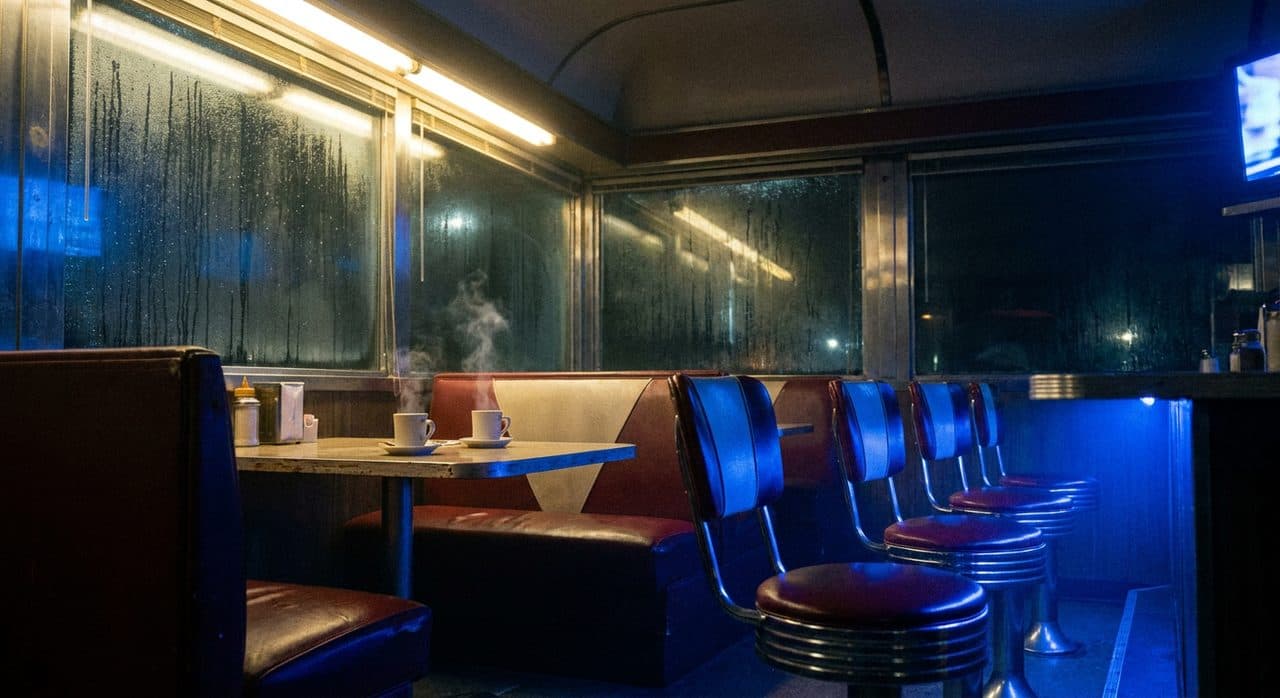
You're here for three hours minimum if you're watching the whole game, and the menu understands that assignment. People start with coffee, move to a sandwich or one of the combination platters—spanakopita with a side of fries, a gyro plate that comes with enough tzatziki to last until the eighth inning. The portions are calibrated for exactly this kind of endurance sitting. Somewhere around the fifth inning, the same people who ordered savory start eyeing the dessert case, and the waitress knows to bring fresh coffee without asking. A few regulars have their own systems: the guy who always orders a Greek salad first, then adds a burger in the seventh if his team's winning. The woman who drinks tea and works through a slice of galaktoboureko so slowly it's basically a meditation practice. Nobody rushes you. The check sits face-down on the table until you're ready, even if that's not until the post-game show wraps.
When the Crowd Gets Specific
Most nights it's a dozen people scattered across the space, but when the Mariners and Tigers actually play each other, something shifts. You get these weird micro-tensions—friendly, mostly, but real. Someone in a Tigers cap makes a comment about Seattle's bullpen and three booths worth of people react. The banter has the comfortable edge of people who've been showing up to the same place long enough to know each other's names, or at least their baseball opinions. During a particularly tight game last season, a guy stood up to demonstrate exactly how a pitcher's mechanics were falling apart, full arm motion in the middle of the diner at 2 a.m., and nobody told him to sit down. The cook came out to watch the final at-bat. When it ended, everyone filtered out into the Astoria night like they'd just attended some secret ceremony that doesn't exist in any official capacity.
The Light Before Dawn
If you stay until the game ends—and the West Coast games always push toward 3 or 4 a.m. Eastern—you're there for the strangest shift in the diner's atmosphere. The overnight regulars start thinning out. The first early risers trickle in, contractors grabbing coffee to go, bakery workers finishing their shifts. The baseball crowd settles their checks and walks out into that particular quality of streetlight that exists only in the hour before sunrise, when Astoria is quieter than it'll be again for another twenty hours. The diner never closes, never resets. The same booths that just hosted the ninth inning will serve someone's breakfast in forty minutes. You head toward the train with box scores still refreshing on your phone, and the city feels like it belongs to a very specific subset of people who structure their lives around time zones that don't match the one they're standing in.
Practical Notes
The diner runs around the clock, every day of the week. You'll find it in the Ditmars area of Astoria, walkable from the N or W train. No reservations, no cover, just slide into a booth and order something every hour or so to justify the real estate. Cash works, cards work, nobody's checking your baseball allegiance at the door. The TVs stay on sports channels unless someone specifically requests otherwise, which basically never happens after midnight. Parking exists on the surrounding streets if you're driving, but at this hour you'll find a spot without circling. The crowd skews older than the cocktail bars closer to the train, younger than the true late-night Greek spots further south. Bring layers—the AC is aggressive in summer, and in winter the door opens often enough that the temperature fluctuates.
Tags: #PullUpAChair #AstoriaEats #LateNightDiner #WestCoastBaseball #QueensAfterDark #MLBNightOwls #MarinersFans #TigersNation #24HourDiner #GreekDiner #AstoriaQueens #NYCNightLife #BaseballSeason #DinerCulture #NewYorkAfterMidnight
Sources consulted: eater.com · timeout.com · infatuation.com
All trademarks are the property of their respective owners.