You finish watching the Knights dismantle the Hurricanes defense in overtime and the adrenaline hasn't worn off yet. It's past midnight on a Tuesday and you need somewhere to land—somewhere that won't rush you, somewhere the counter stays warm and the coffee keeps coming. Astoria's Greek diners and late-night tavernas operate on a different clock than the rest of the city, and they don't care if you're still replaying that controversial icing call in your head.
The Diner Counter Where Night Shift Workers Set the Pace
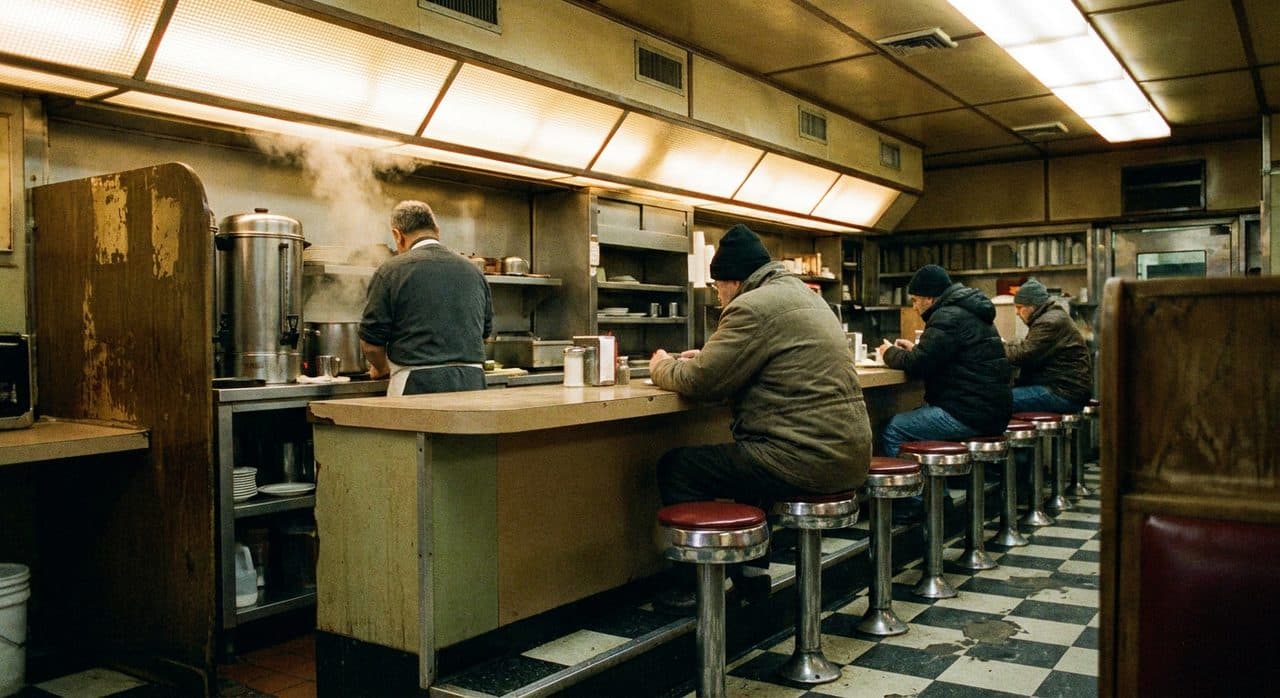
You slide onto a vinyl stool at one of the 24-hour Greek spots on Ditmars Boulevard and immediately notice the rhythm. It's not frantic—it's the steady hum of a place that's been serving eggs and coffee at three in the morning for decades. The guy two seats down is reading a Greek newspaper. The woman at the end is halfway through a slice of galaktoboureko, and nobody's checking their phone to see if it's an acceptable hour to be eating custard pie.
The counter gives you a direct sightline to the grill, where hash browns hit the flat-top with that particular sizzle that means the surface is properly seasoned. You order coffee and it arrives in one of those heavy ceramic mugs that holds heat forever. The waitress doesn't ask if you want a refill—she just appears with the pot every ten minutes like clockwork. Around you, the language toggles between Greek and English mid-sentence, and the kitchen radio plays something that sounds like bouzouki mixed with static.
Where the Fluorescent Light Feels Like an Old Friend
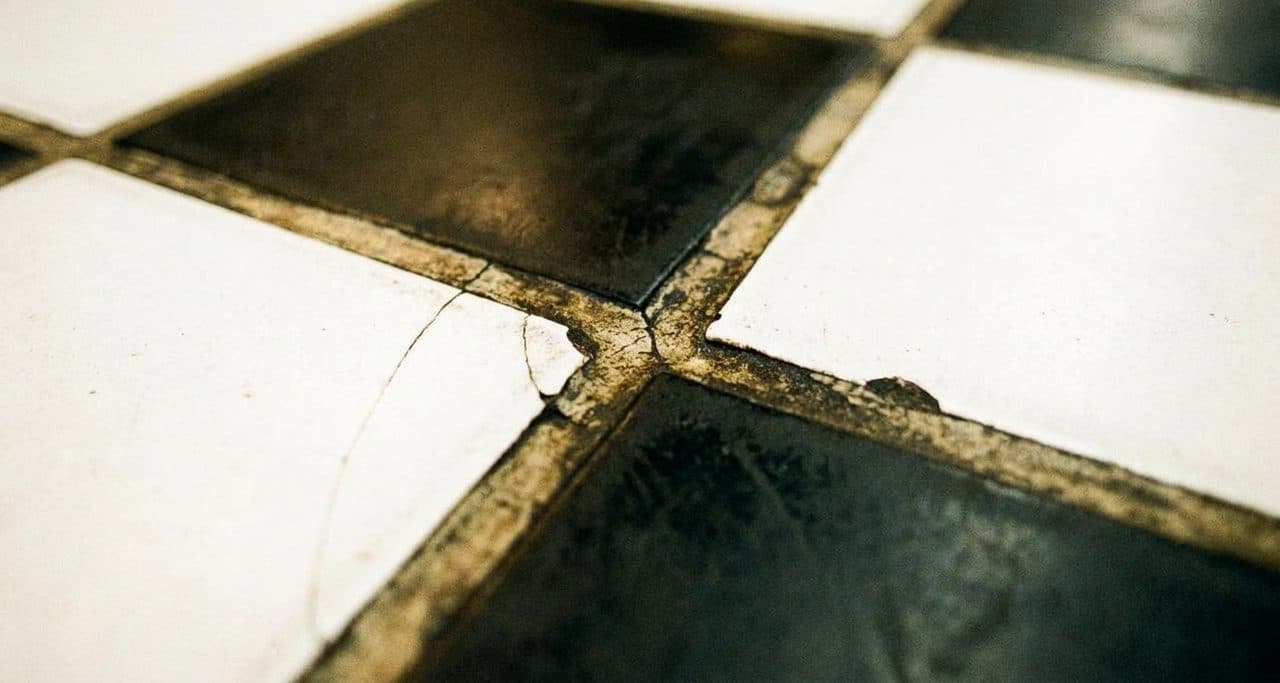
There's a specific quality to late-night diner lighting that makes everyone look slightly unreal, like extras in a Hopper painting. The overhead fluorescents buzz just enough that you stop noticing after five minutes. You're surrounded by chrome and Formica and laminated menus that list approximately seventy-three items, none of which will surprise you, all of which will be exactly what you need.
The counter seats here are first-come, and they turn over slowly because nobody's in a hurry. You can nurse a Greek coffee for an hour and the only judgment you'll get is from yourself. The barstool next to you might host a cab driver on break, then a couple coming back from a wedding in Long Island, then someone who just needed to be around people without having to perform conversation. The beauty of the counter is its democracy—everyone gets the same scratched Formica, the same silverware rolled in paper napkins, the same institutional ketchup bottle.
Steam Table Specials and the Comfort of Predictability
Some of these places keep steam tables running all night—moussaka, pastitsio, roasted chicken that's been sitting under heat lamps just long enough to develop that particular texture. You're not here for innovation. You're here because spanakopita at one in the morning tastes like someone's grandmother decided you looked too thin. The spinach filling is aggressively seasoned, the phyllo shatters when you cut into it, and it costs less than a cocktail in Manhattan.
The counter position means you see everything coming out of the kitchen. You watch the cook crack eggs one-handed into a bowl, then pour them into a pan already shimmering with butter. You see the toast go down and come up golden. There's something deeply reassuring about watching food prepared without theater—just competence and repetition and the understanding that people need to eat at all hours.
Family Tavernas That Treat Midnight Like Happy Hour
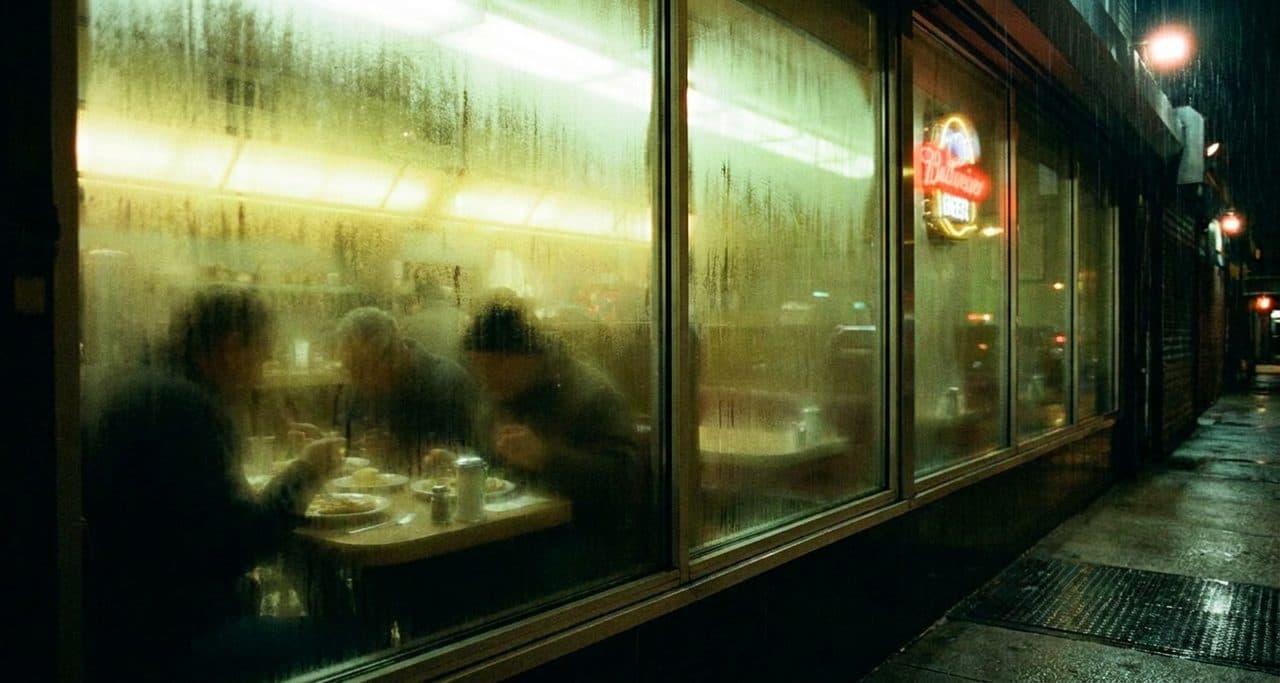
A few blocks off the main drags, the family-run tavernas operate on a schedule that makes sense only if you understand that Greek social life doesn't acknowledge American bedtimes. These places have table seating, sure, but the real action is at the bar or the narrow counter near the kitchen window. You can smell the charcoal from the grill mixing with cigarette smoke that's been embedded in the walls since before the smoking ban.
The TV above the bar might still be showing hockey highlights or it might have switched to Greek soccer or it might be playing a game show where everyone's shouting. Volume is always set to "background roar." You order a beer and it comes in a glass so cold it frosts immediately. The bartender is probably related to the owner and definitely grew up in this neighborhood. He knows which regulars want their drinks refreshed without asking and which ones need to be cut off gently.
The Unspoken Rules of Late Counter Culture
You learn quickly that counter seats come with their own etiquette. Leave one stool between you and the next person unless it's crowded. Don't spread out your stuff. Don't try to have a phone conversation—the ambient noise makes it impossible anyway. Do make eye contact with the staff. Do leave your money on the counter when you're ready, folded under your coffee cup.
The regulars have their spots and you'll know them by the way the waitress brings their order before they finish sitting down. These are the people who come in after every late shift, every long night, every game that went into overtime. They're reading the Post or doing crossword puzzles or just staring into the middle distance, and nobody bothers them. You become part of this temporary community simply by showing up and respecting the quiet contract of the counter—be present but not intrusive, hungry but not demanding.
When the Kitchen Smells Like Lamb and Burnt Coffee
The best diners and tavernas have a smell you can't fake—it's decades of olive oil and char and coffee that's been sitting on the burner too long and something sweet from the pastry case. It hits you when you walk in and it clings to your jacket when you leave. You'll smell it on the train ride home and it'll make you nostalgic for a place you were in twenty minutes ago.
At this hour, the kitchen's usually winding down from the dinner rush but still ready to fire anything on the menu. You can get a full Greek platter or just french fries with feta crumbled on top. You can get soup that's been simmering since the afternoon shift. The menu doesn't judge your choices and neither does anyone else. Someone three stools down is eating a gyro. Someone else is working through a Greek salad the size of a hubcap. You're on your second coffee and a piece of baklava that's soaked through with enough honey to make your teeth hurt.
Practical Notes
Most of the 24-hour diners cluster along Ditmars Boulevard and Broadway, with a few holdouts on Steinway Street. The family tavernas tend to keep later weekend hours and might close earlier on weeknights, but several stay open until two or three in the morning Thursday through Saturday. You can reach Astoria on the N or W train—get off at Ditmars or Astoria Boulevard depending on which end of the neighborhood you're targeting.
Counter seats are walk-in only, no reservations. Expect to pay a few bucks for coffee, low-key cheap for most plates. Cash is preferred at the older spots though cards usually work. Parking exists but requires patience and possibly a willingness to walk several blocks. The crowd skews local—service workers, night shift nurses, insomniacs, and anyone who understands that the best conversations happen at counters after midnight when everyone's too tired to pretend.
Tags: #LateNightEats #AstoriaQueens #GreekDiners #CounterCulture #AfterHours #NewYorkNights #QueensFood #DinerLife #HockeyNight #LateNightCoffee #PullUpAChair #AstoriaEats #NYCNightlife #GreekTaverna #MidnightMunchies
Sources consulted: eater.com · timeout.com · infatuation.com
All trademarks are the property of their respective owners.